
Choosing the right golf head cover is essential for protecting your clubs from physical damage, moisture, and wear. To find the correct fit, you must match the cover’s dimensions, shape, and closure mechanism to the specific club type—whether it is a high-volume driver, a compact hybrid, or a delicate putter. A well-fitted cover ensures your gear remains secure during transport and performs reliably on the course.
Why Proper Fit Matters for Club Protection
Every time you walk the fairways or ride in a golf cart, your clubs shift and bump against one another. This constant contact can lead to unsightly scratches, deep nicks, and structural damage on the clubheads and shafts. A properly fitted golf head cover acts as a vital barrier, absorbing these impacts and keeping your equipment in pristine condition.
Using a cover that is too tight makes club access frustrating and slows down your pace of play. Conversely, an oversized cover can easily slip off during transport, leaving your expensive clubs completely exposed to damage.
Products mentioned in this guide

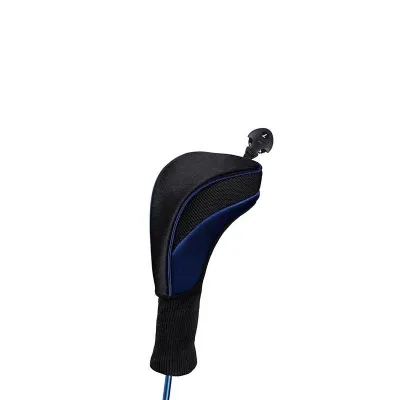

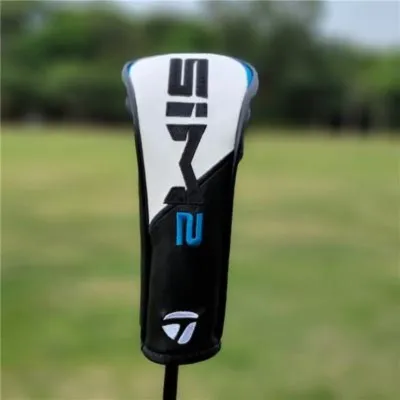
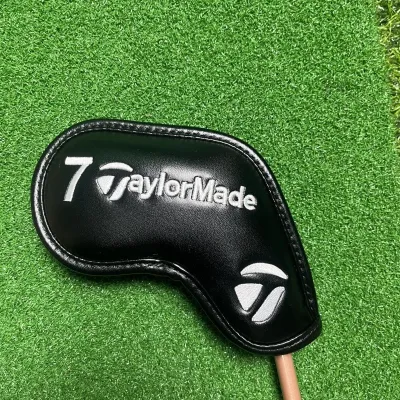
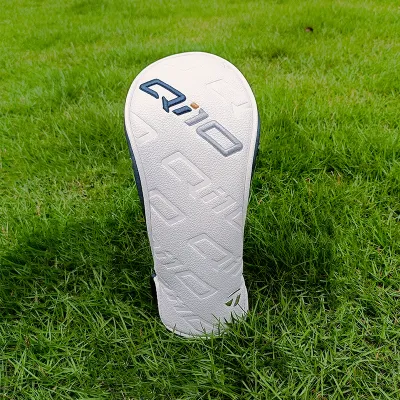
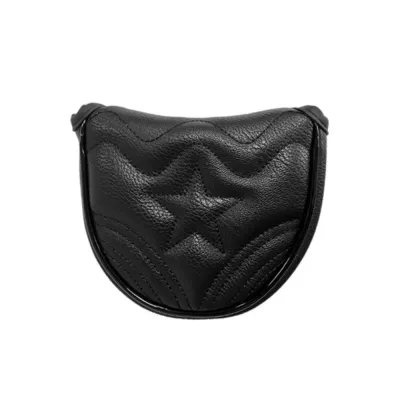
Prices are valid at publication and may change. Please refer to the product page for the latest price.
Modern clubs often feature adjustable hosels, delicate face inserts, and intricate alignment lines. These components are highly vulnerable to moisture, dirt, and debris. In humid climates, trapped moisture can accelerate corrosion, while grit can scratch face inserts, directly affecting your ball strike and accuracy.
How to Identify Your Club Specifications Before Buying
Before browsing for new covers, you must gather the exact specifications of your current club setup. Start by inspecting the sole of your woods and hybrids to locate the clubhead volume, typically measured in cubic centimeters (cc), along with the loft angles. Drivers generally range up to 460cc, which is the maximum allowable limit, requiring a dedicated oversized cover.

Next, observe the physical profile of each clubhead. Putters, for example, generally fall into two distinct categories: classic, narrow blade designs or wider, more complex mallet shapes. Woods can also vary from traditional rounded profiles to modern, squared-off geometries that require more interior volume in a cover.
When in doubt, refer to the manufacturer’s original product manual or official website. Most brands list the exact dimensions and recommend specific cover sizes for their club models. Knowing these details prevents the common mistake of purchasing a cover designed for a standard shape when you own an unconventional, high-MOI (Moment of Inertia) club.
Matching Head Covers to Specific Club Types
A standard golf bag contains a diverse mix of club geometries, each requiring a tailored protection strategy. You cannot rely on a one-size-fits-all approach because the structural differences between woods, hybrids, irons, and putters are vast.
The physical shape of the clubhead dictates how the cover must open, slide on, and secure itself. For instance, a wide-opening cover is necessary for an iron, whereas a deep, elongated sleeve is better suited for a wood.
Your choice should also reflect how often you use each club and how you store your bag. Clubs that remain in your bag during bumpy cart rides require more robust, secure covers than those used only occasionally.
Drivers and Fairway Woods
Drivers and fairway woods feature the largest clubheads in your bag, making them highly susceptible to damage. When selecting a cover for these clubs, your primary task is to verify that the interior volume matches the clubhead size. A 460cc driver requires a cover specifically labeled for driver use to prevent stretching the seams and tearing the material over time.
Fairway woods are smaller than drivers but still require a snug, contoured fit. Look for covers that feature an extended neck or a knitted shaft-protection sleeve. These sleeves shield the graphite shafts from rubbing against the hard edges of your golf bag dividers, preventing structural wear that could lead to shaft failure.
Secure closure systems are critical for these large profiles. Magnetic closures offer quick access and a reliable seal, while heavy-duty hook-and-loop fasteners keep the cover firmly in place. Ensure the opening is wide enough to slide over the clubhead easily but narrows sufficiently at the neck to prevent slipping.
Hybrids and Utility Clubs
Hybrids and utility clubs present a unique sizing challenge because they bridge the gap between fairway woods and irons. Many golfers make the mistake of using a standard fairway wood cover on a hybrid, resulting in a loose, bulky fit that easily slides off.
A dedicated hybrid cover is designed with a narrower profile that matches the specific sole width and toe-to-heel length of these versatile clubs. This snug fit ensures the cover stays secure even when your bag is jostled during transport.
Additionally, look for hybrid covers with reinforced bases or extra padding around the toe. Because hybrids are frequently pulled for tough lies and utility shots, their covers need to withstand being dropped on damp grass or rough surfaces without wearing out prematurely.
Irons and Wedges
Deciding whether to cover your irons and wedges is a common debate among golfers. While some prefer the convenience of quick access, others prioritize protecting their investment, especially when carrying soft, forged carbon steel irons that nick easily.
If you choose to use iron covers, select slim, stretchable materials like neoprene or flexible synthetic leather. These materials conform closely to the traditional shape of iron heads without adding unnecessary bulk or weight to your bag.
A critical consideration in tropical climates is moisture management. Iron covers must be breathable or removed immediately after a damp round to prevent trapping moisture against the clubface, which can quickly lead to rust and pitting on the metal surfaces.
Putters
Your putter is often the most sensitive club in your bag, featuring delicate face inserts, precise alignment lines, and soft metal construction. Choosing the right cover depends entirely on your putter’s specific head profile.
Blade putters require a narrow, rectangular cover, while mallet and high-MOI putters need wider, more square-shaped designs. Using a blade cover on a mallet putter is impossible, and using a mallet cover on a blade will result in a loose fit that fails to protect the club.
Pay close attention to the interior lining of the putter cover. A soft, plush fleece lining is ideal for protecting delicate face inserts from scratches. For closure, magnetic systems are highly recommended as they operate quietly on the green and do not wear out like hook-and-loop fasteners.
Evaluating Materials and Closure Mechanisms
The materials and closures you choose directly impact the durability, weather resistance, and ease of use of your head covers. Synthetic leather (polyurethane or PU) is highly popular because it offers excellent water resistance, is easy to wipe clean, and resists fading under intense sunlight. Neoprene is another durable option, providing excellent stretch and impact absorption, making it ideal for form-fitting covers.
In humid and tropical environments like the Philippines, breathability is a major factor. Heavy rain and high humidity can trap moisture inside a non-breathable cover, creating a greenhouse effect that damages club finishes and grips. Look for covers with mesh ventilation panels or moisture-wicking interior linings to allow dampness to escape.
Closure mechanisms should balance security with speed of play. Magnetic closures are durable, quiet, and easy to operate with one hand. Zipper closures provide maximum security but can be slow to use and may scratch the club if the teeth rub against the metal. Elasticized bands offer a simple, lightweight solution but can lose their elasticity over time.
Step-by-Step Fitting and Verification Process
Once you have selected a head cover, perform a physical fitting process to verify its compatibility and security before heading to the course.
Slide and Snugness Check: Gently slide the cover onto the clubhead. It should glide on smoothly without requiring excessive force, yet feel snug once fully seated. There should be no large gaps around the hosel where dirt or moisture could enter.
The Shake Test: Hold the club by the shaft and gently invert it so the head points downward. Give it a light shake. If the cover slips off or slides down the shaft, the fit is too loose, and you risk losing it on the course.
One-Handed Removal Test: Simulate a round by attempting to remove and replace the cover using only one hand. A good cover should allow you to access your club quickly without disrupting your pre-shot routine.
Bag Organization Check: Place the covered clubs back into your golf bag. Verify that the covers do not crowd the bag excessively or snag against neighboring clubs, which can make pulling a club difficult during play.
Frequently Asked Questions (FAQ)
Can I use a fairway wood cover for my hybrid club?
It is generally not recommended to use a fairway wood cover for a hybrid club. Fairway wood covers are designed for larger clubhead volumes and will fit too loosely on a hybrid, making them highly likely to fall off and get lost. For proper protection, use a dedicated hybrid cover that matches the narrower profile and sole width of your utility clubs.
How do I clean and maintain my golf head covers?
To clean your head covers, always check the manufacturer’s care label first. Synthetic leather and neoprene covers can usually be wiped down with a damp cloth and mild soap. For knit or fabric covers, hand washing in cool water is best. Always allow your covers to air-dry completely in a well-ventilated area before placing them back on your clubs or storing them in a closed bag.
Do I really need head covers for my irons?
Whether you need iron covers depends on your equipment and personal preference. If you play with soft, forged carbon steel irons, covers are highly beneficial for preventing bag chatter and keeping the soft metal pristine. If you use durable stainless steel cast irons, you might opt to skip covers and instead use a bag with full-length dividers or a silent organizer to keep the clubs from clashing.
Community discussion
Share your experience or ask a question. Comments are reviewed before publication.