
Selecting the right golf pouch is a practical decision that directly impacts your flow and focus on the course. A well-chosen pouch keeps your essential gear—such as tees, balls, markers, and personal valuables—organized and protected from the elements. Instead of rummaging through a massive golf bag for a single marker, a dedicated pouch provides quick, structured access to your most-used items.
To find the ideal option, you must evaluate your specific carrying habits, the climate of your local course, and the level of protection your gear requires. In tropical environments like the Philippines, where sudden downpours and high humidity are common, weather resistance and material durability become even more critical. By focusing on organization, closure security, and attachment compatibility, you can choose a pouch that seamlessly integrates into your game.
Define Your Needs: Types of Golf Pouches
Before comparing specific features, you must identify the primary role the pouch will play in your setup. Golf pouches are not one-size-fits-all accessories; they are designed for distinct purposes, ranging from carrying a few clubs to securing delicate electronics. Matching the pouch type to your specific gear prevents clutter and ensures your items remain undamaged throughout your round.
Products mentioned in this guide
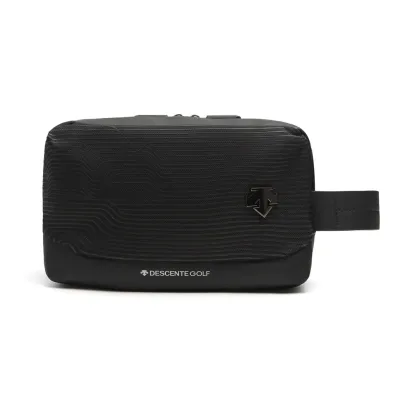
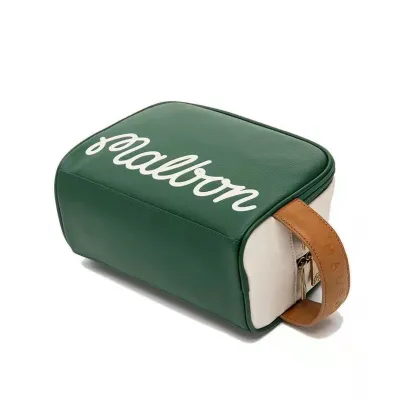
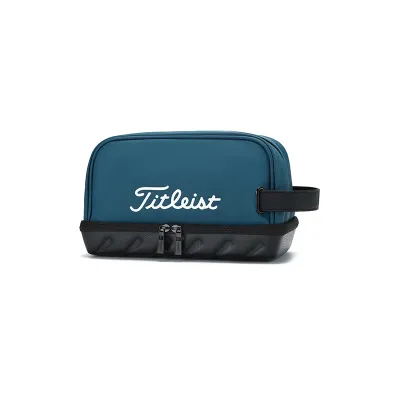

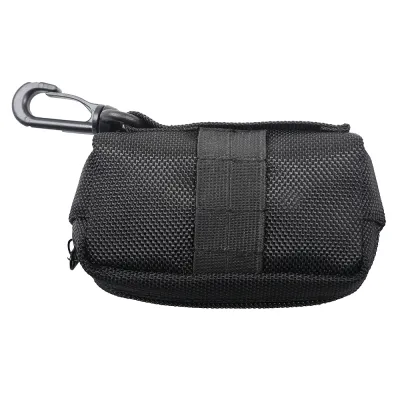
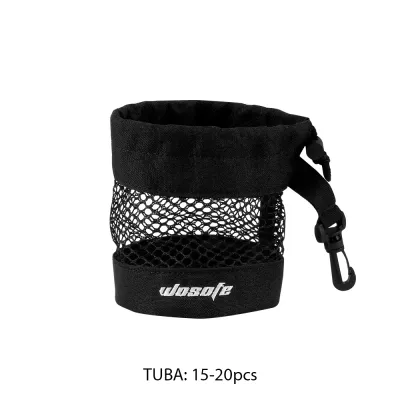
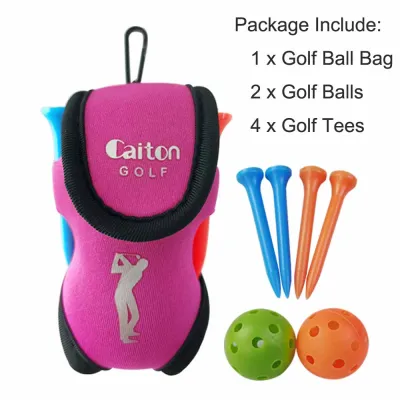
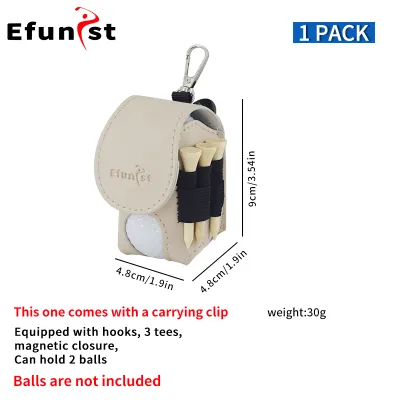
Prices are valid at publication and may change. Please refer to the product page for the latest price.
Accessory and ball pouches are compact organizers designed to hold tees, ball markers, divot tools, and spare golf balls. These pouches keep small, easily lost items in one place, preventing them from sinking to the bottom of your main bag’s larger pockets. They are typically lightweight and designed for quick access between holes.
Valuables pouches focus on protecting personal items such as smartphones, watches, car keys, and wallets. These often feature soft, scratch-resistant linings like fleece or microfiber to prevent screens and delicate surfaces from getting damaged. Because they hold high-value items, they usually prioritize secure closures and water-resistant materials.
Club carry pouches, often referred to as Sunday bags, represent a larger category designed to hold a partial set of clubs. These are ideal for quick practice sessions at the driving range, par-3 courses, or casual walking rounds where a full, heavy bag is unnecessary. They prioritize lightweight portability and basic club organization over extensive storage.
Shoe pouches or bags are specialized carriers that keep dirty, grass-stained golf shoes separate from the rest of your clean gear and car interior. They often feature ventilation panels to allow moisture to escape, which is particularly important in humid climates to prevent mold and odor buildup.
Whether you are looking at a premium leather valuables pouch or a budget-friendly accessory organizer under ₱1,500, defining your primary storage needs first prevents unnecessary spending. Finally, consider how you intend to transport the pouch during play. If you prefer walking the course with a minimal setup, an independent carry pouch with a comfortable strap is essential. If you use a pushcart or riding cart, you will want a pouch that can be easily secured to the cart frame or hung from your main bag’s accessory ring.
Key Features for Accessory and Valuables Pouches
When selecting a smaller pouch for accessories and valuables, internal organization is the first feature to examine. A single, open compartment often leads to items jumbling together, which can scratch delicate screens or make it difficult to find a specific tee. Look for pouches with dedicated mesh pockets, zippered dividers, or elastic slots that keep individual items securely in place.

The closure mechanism of the pouch determines both how secure your items are and how easily you can access them mid-game. Zippers offer the highest level of security, especially when walking rough terrain, but they should be smooth and rust-resistant. Magnetic snaps provide incredibly fast, quiet access, which is excellent for retrieving a rangefinder quickly, though they may not seal out dust or heavy rain as effectively as a zipper. Drawstrings are simple and lightweight but can leave small gaps at the top where tiny items might slip out if the pouch is tipped upside down.
Protective padding is non-negotiable if you plan to carry sensitive electronics like rangefinders, GPS units, or smartphones. Look for pouches with structured, semi-rigid walls or thick foam padding that can absorb impacts if the pouch is dropped or bumped against a golf cart. A soft interior lining, such as fleece, adds an extra layer of defense against micro-scratches on optical lenses and screens.
What to Look for in Club Carry Pouches and Sunday Bags
If you are choosing a club carry pouch or Sunday bag, club capacity and divider design are your primary considerations. These lightweight bags typically accommodate between three and seven clubs, making them perfect for executive courses or practice sessions. Check the manufacturer’s specifications to verify the opening diameter and ensure there are internal dividers to prevent club shafts from tangling and gripping each other, which makes extraction difficult.
Because you will be carrying this bag over your shoulder for several kilometers, strap design directly affects your comfort and physical fatigue. Look for wide, heavily padded shoulder straps that distribute weight evenly across your shoulder and back. Adjustable straps allow you to customize the fit to your height and body shape, preventing the bag from bouncing excessively against your legs as you walk.
Base stability is another critical factor for any carry pouch. Since these bags lack the full stand mechanisms of larger bags, they often rest directly on the grass. Look for a reinforced, rubberized, or highly structured bottom that resists moisture from damp fairways and keeps the bag upright when leaned against a bench or stand. A durable base also protects the structural integrity of the bag’s lower section from wear and tear over time.
Evaluating Material Quality and Weather Resistance
Evaluating the material quality of a golf pouch requires looking closely at manufacturer specifications rather than relying on visual appearance alone. High-quality pouches are typically constructed from heavy-duty synthetic fabrics like nylon or polyester. Check the product description for the denier (D) rating, which measures fiber thickness; a higher denier, such as 600D or 1000D, indicates a denser, more abrasion-resistant weave that can withstand frequent contact with rough surfaces.
In tropical regions where heavy downpours can occur unexpectedly, water resistance is a vital feature to verify. Look for explicit manufacturer claims regarding water-repellent coatings (such as DWR) or waterproof materials like TPU-coated nylon. Additionally, check if the pouch features taped or sealed seams and water-resistant zippers, as standard zippers can easily allow water to seep through and damage electronic devices or dry valuables.
Inspect the stitching and hardware quality through detailed product specifications or close-up images. Double-stitched seams and reinforced stitching at high-stress areas, such as strap attachment points and zipper ends, prevent the pouch from tearing under load. Heavy-duty plastic or rust-resistant metal hardware, such as carabiners and D-rings, ensures the pouch remains securely attached to your gear season after season.
Portability and Attachment Compatibility
A golf pouch must integrate seamlessly with your existing equipment to be truly useful on the course. Check the attachment hardware provided with the pouch to ensure it matches your carrying style. Pouches equipped with heavy-duty carabiners, sturdy velcro loops, or metal D-rings can be easily clipped onto the accessory rings of your main golf bag or secured to the frame of a pushcart.
Weight and profile are equally important when the pouch is fully loaded. A pouch that is too bulky or heavy can throw off the balance of your stand bag or awkwardly bounce against your side while you walk. Opt for a streamlined, low-profile design that holds your essentials without adding unnecessary bulk, ensuring it does not interfere with your physical movement or your swing when worn on a belt.
Consider the accessibility of the pouch while you are actively moving between holes. If you ride in a cart, a pouch that can hang facing outward from the cart’s grab bar allows you to grab your phone or a fresh ball without stepping out. If you walk, a belt-loop pouch or a small clip-on option keeps your most critical accessories within arm’s reach at all times, saving you time and energy on every hole.
Frequently Asked Questions (FAQ)
Can a standard utility pouch be used for golf accessories?
While a standard utility pouch can hold golf accessories, it often lacks the specialized features designed for the course. Golf-specific pouches frequently include dedicated slots for tees, custom-sized ball compartments, and soft-lined pockets to protect delicate rangefinder lenses. Standard utility pouches may also lack the specific attachment hardware, like heavy-duty carabiners or cart-strap loops, needed to secure the pouch firmly to your golf bag, increasing the risk of it falling off during transit.
How should I clean and maintain my golf pouch?
To maintain your golf pouch, always begin by checking the manufacturer’s care label for specific instructions. Start by emptying all contents, shaking out any loose dirt, sand, or grass clippings from the interior pockets. Wipe the exterior and interior surfaces with a soft, damp cloth and a mild soap solution if necessary, then allow the pouch to air dry completely in a shaded, well-ventilated area. Avoid using harsh chemical solvents, abrasive scrub brushes, or machine washing and drying unless the manufacturer explicitly states it is safe to do so, as these can degrade water-resistant coatings and damage structural padding.
Community discussion
Share your experience or ask a question. Comments are reviewed before publication.