
Selecting the right golf towel is a small but critical decision that directly impacts your comfort, grip, and overall performance on the course. In the tropical climate of the Philippines, where high humidity, intense heat, and sudden afternoon downpours are common, a golf towel serves as much more than a simple accessory. It is a vital tool for keeping your hands dry, your club grips secure, and your golf balls clean. To find the best option, women golfers must evaluate how different materials, sizes, and attachment styles perform under local weather conditions while balancing weight and bag organization.
When playing a round of 18 holes, your towel is constantly in use. Every shot requires a clean clubface to ensure proper spin and trajectory, and every putt demands a dry, debris-free ball. At the same time, managing personal comfort—such as wiping sweat from your face and hands—is essential to maintaining a steady swing. By understanding the functional differences between various towel designs, you can select a model that keeps both your gear and your hands in optimal condition from the first tee to the final green.
What to Look for in a Women's Golf Towel
Evaluating a golf towel requires looking closely at how its physical characteristics translate to on-course utility. The primary functional dimensions to consider are absorbency, drying speed, size, weight, and texture. A towel that excels in one area may fall short in another, meaning you must prioritize features based on your personal playing style and how you carry your clubs.
Products mentioned in this guide
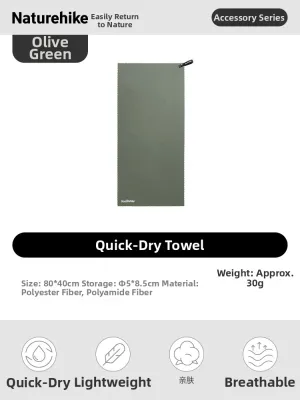
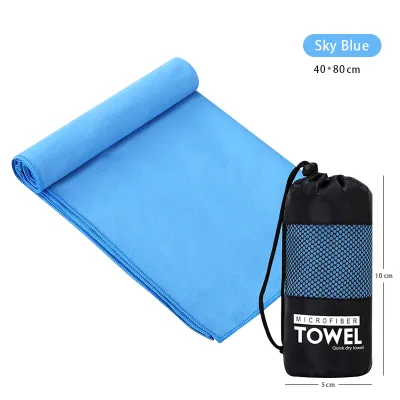
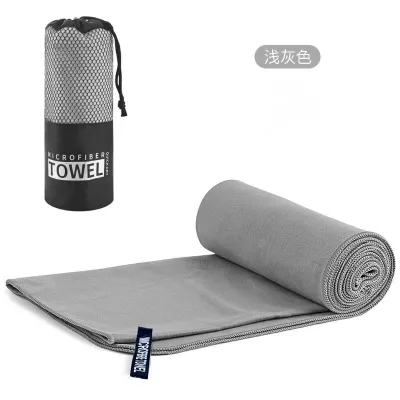
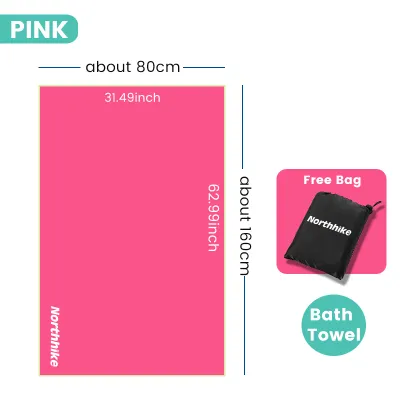
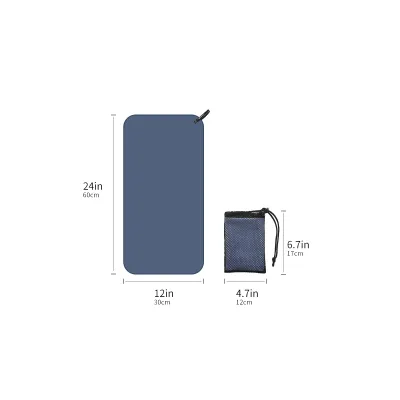
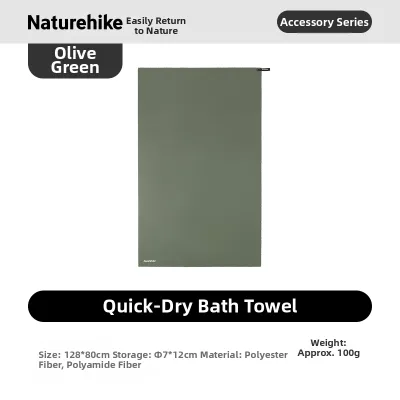
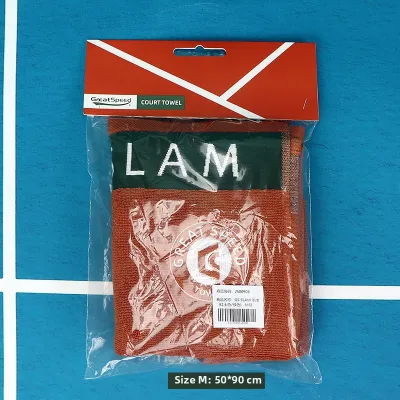
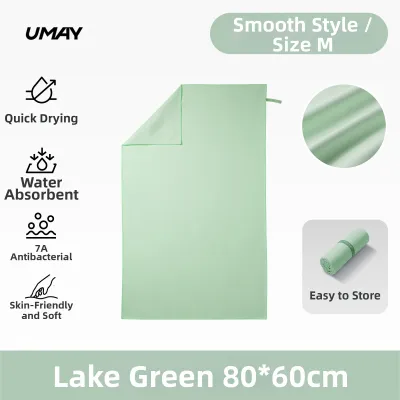
Prices are valid at publication and may change. Please refer to the product page for the latest price.
Absorbency and drying speed exist in a constant trade-off, especially during a long round in humid conditions. A highly absorbent towel can hold a significant amount of water, which is excellent for wiping down wet clubs after playing through a sudden shower. However, if the fabric cannot release that moisture quickly, the towel will remain damp, heavy, and increasingly ineffective as the day progresses. For women golfers in tropical climates, finding a fabric that balances rapid moisture absorption with quick-drying capabilities is essential to prevent the towel from becoming waterlogged by the back nine.
Size and weight are equally important, particularly for players who prefer to carry their bags or use lightweight stand bags. An oversized, heavy towel adds unnecessary bulk and can drag on the ground, collecting dirt and grass. Conversely, a towel that is too small may not offer enough clean surface area to last all 18 holes. A medium-sized towel provides sufficient surface area for both gear maintenance and personal use without cluttering your bag or adding physical strain during your walk down the fairway.
Texture is the final critical dimension, as different tasks require different surfaces. Cleaning compacted soil and grass out of club grooves demands a durable, slightly abrasive texture that can scrub tight spaces without damaging the club’s finish. On the other hand, wiping sweat from your hands, face, or forehead requires a soft, non-irritating surface. Many modern golf towels address this dual requirement by featuring dual-textured designs, combining a rougher weave on one side for equipment with a smooth, plush surface on the other for personal care.
Matching Towel Materials to Tropical Weather
The intense heat and humidity of Philippine golf courses place unique demands on fabric performance. Selecting the right material ensures your towel remains functional, lightweight, and hygienic throughout the year, even during the wettest monsoon months or the hottest dry-season days.

Microfiber is widely considered the standard for high-performance sports towels due to its synthetic construction. Made from a blend of polyester and polyamide, microfiber features split fibers that create a massive surface area relative to the towel’s actual size. This structure allows microfiber to absorb up to several times its weight in water while drying significantly faster than natural fibers. In high-humidity environments, microfiber’s rapid evaporation rate prevents it from staying damp, making it an excellent choice for players who need a reliable, quick-drying option.
Cotton blends offer a traditional alternative, prized primarily for their exceptional softness and skin comfort. If your primary concern is wiping sweat from your face and hands during a hot midday round, a cotton-blend towel feels gentle and highly comforting against the skin. However, cotton fibers naturally retain moisture rather than releasing it. In tropical climates, a wet cotton towel can take hours to dry, quickly becoming heavy, soggy, and prone to developing a musty odor if kept in a closed golf bag pocket.
Waffle weave textures represent a specialized manufacturing style often applied to microfiber towels. The fabric is woven into a distinct pattern of raised squares resembling a waffle, which serves a dual purpose. First, the recessed channels and raised edges act as gentle scrapers, easily lifting mud, sand, and grass clippings off club faces and out of grooves. Second, this physical structure increases the overall surface area exposed to the air, further accelerating the drying process and ensuring the towel does not hold excess water after a quick rinse.
Choosing the Right Attachment and Carrying Style
How you secure and carry your towel determines how easily you can access it during a round. A towel that constantly falls off your bag or requires you to bend down repeatedly to retrieve it quickly becomes a distraction. There are three primary attachment styles to consider based on your bag setup and cart usage.
Carabiner clips and D-rings are the most common and secure attachment methods. These systems utilize a metal or heavy-duty plastic clip threaded through a reinforced grommet on the towel, allowing you to snap it directly onto the accessory rings of your golf bag. This setup ensures the towel remains firmly anchored to your bag, preventing it from blowing away in high winds or falling off when your bag is loaded onto a motorized cart. It is a highly reliable, set-it-and-forget-it option for traditional walkers and cart riders alike.
Magnetic holders have grown in popularity due to the convenience they offer on the course. These towels feature a powerful, built-in magnet that allows you to stick the towel directly to the metal frame of a golf cart, a clubhead, or even your putter metal. This design is incredibly convenient for players who use carts, as you can easily detach the towel, take it with you to the green to clean your ball, and snap it back onto the cart frame without messing with clips. However, you must verify the magnet’s strength to ensure it does not slip off when riding over bumpy fairways.
Grommets with center slits offer a classic, minimalist carrying style. Instead of using a clip, these towels feature a large, reinforced hole in the center, allowing you to slide the towel directly over the grip of an aligned club in your bag. This keeps the towel draped over your clubs, providing immediate access from any angle. While highly convenient, this style offers less security against strong winds and can occasionally cause the towel to slip off if the bag is tilted or carried vigorously over long distances.
Balancing Aesthetics, Size, and Personalization
While functionality is paramount, a golf towel is also a visible part of your golf ensemble. Balancing visual appeal with practical dimensions allows you to maintain a clean, coordinated look on the course without sacrificing utility.
When selecting bright colors or intricate patterns, evaluating colorfastness and UV resistance is crucial. The intense tropical sun can quickly fade standard dyes, turning a vibrant towel dull and weathered after only a few rounds. Look for towels made with UV-resistant dyes or sublimation printing processes, which bond the ink directly to the synthetic fibers. This ensures the colors remain bright and sharp despite prolonged exposure to direct sunlight and frequent washing.
Coordinating your towel design with your existing golf gear is a simple way to personalize your setup. Many women golfers choose to match their towels with the color scheme of their golf bag, headcovers, or personal apparel. Opting for neutral tones like navy, grey, or black can help hide dirt and grass stains, keeping your bag looking pristine throughout the round. If you prefer bright colors or pastel shades, choosing a waffle-weave microfiber material will make it easier to rinse out dirt and maintain a fresh appearance.
Deciding between compact hand-towel sizes and oversized draping towels depends on your carrying method. Compact towels, typically measuring around 40 by 40 centimeters, are lightweight, easy to pack, and ideal for stand bags where space and weight are limited. Oversized caddy towels, which can measure up to 100 centimeters in length, are designed to drape over multiple clubs. These larger options are perfect for cart users, providing ample clean surface area to dedicate one section to wet cleaning, one to dry wiping, and another exclusively for personal use.
Pre-Purchase Checklist and Care Instructions
Before purchasing a new golf towel, performing a quick quality check ensures you invest in a durable product that will withstand the rigors of regular play. Proper maintenance is equally important to preserve the fabric’s performance and prevent unpleasant odors.
- Inspect the Stitching: Examine the edges of the towel to ensure they are finished with tight, overlocked stitching or durable piping. Loose threads or single-stitched hems can quickly unravel after a few washes or repeated scrubbing against club grooves.
- Check the Hardware: If the towel includes a carabiner or clip, test the spring tension to ensure it snaps shut securely. Inspect the metal grommet where the clip attaches; it should be tightly pressed into the fabric without any fraying edges around the ring.
- Verify Washing Instructions: Read the care label carefully. High-quality microfiber towels should be machine washable, but they require specific care to maintain their electrostatic and absorbent properties over time.
- Avoid Fabric Softeners: Never use fabric softeners or dryer sheets when washing your golf towel. Softeners leave a thin, waxy chemical coating on the fibers, which severely clogs the micro-gaps in microfiber and drastically reduces its ability to absorb water and sweat.
- Dry Thoroughly After Play: After playing in wet weather or high humidity, never leave your damp towel crumpled inside your golf bag or the trunk of your car. Hang it in a well-ventilated area to dry completely, preventing the growth of mold, mildew, and sour odors.
Frequently Asked Questions (FAQ)
Can I use a regular gym towel instead of a dedicated golf towel?
While a regular gym towel can wipe away sweat, it lacks several key features designed specifically for golf course utility. Gym towels are typically made of standard cotton, which absorbs moisture but dries very slowly, making them heavy and damp in humid conditions. They also lack specialized attachment hardware like carabiners or magnets, meaning you must stuff them into a pocket or drape them loosely over your bag, where they can easily fall off. Furthermore, gym towels do not feature the textured waffle weave necessary to scrub dirt and grass out of club grooves effectively.
How should I manage towel hygiene during the rainy season?
Managing towel hygiene during the rainy season requires immediate post-round care to prevent mildew and sour odors. As soon as you finish your round, remove the damp towel from your golf bag and wash it using a mild detergent. Avoid leaving it in closed, humid spaces like a car trunk or a zippered bag pocket. Hang the towel to dry in a well-ventilated indoor area or under direct sunlight if weather permits. If the manufacturer’s instructions allow, using a sports-specific detergent can help eliminate deep-seated bacteria and keep the fabric smelling fresh.
Community discussion
Share your experience or ask a question. Comments are reviewed before publication.