
To choose the right grip trainer, you must first define whether your goal is recovering from an injury, building everyday hand strength, or maximizing athletic performance for sports like rock climbing or powerlifting. The most suitable device matches your specific physical baseline and target grip type, whether you need to develop crushing power, pinch strength, or support endurance. Selecting a tool that aligns with your current capabilities ensures steady progress while protecting your hands and wrists from unnecessary strain.
Identify Your Primary Training Goal
Before browsing online marketplaces, you must clarify what you want to achieve with your grip training. Hand training generally falls into three categories: medical rehabilitation, general fitness, and sport-specific performance. If you are recovering from a wrist sprain, managing joint stiffness, or dealing with repetitive strain from long hours of typing, your primary need is low-resistance movement to promote blood flow and joint mobility. In contrast, if you want to build general hand strength for daily tasks—such as carrying heavy market bags, opening stubborn jars, or maintaining a secure hold on public transport handrails—you require a moderate, progressive challenge.
Athletes, climbers, and heavy lifters have much more demanding requirements. For these individuals, grip strength is often the limiting factor in their overall performance. A powerlifter needs a secure hold to prevent a heavy barbell from slipping during a deadlift, while a rock climber relies on finger endurance to hold onto small ledges.
Products mentioned in this guide
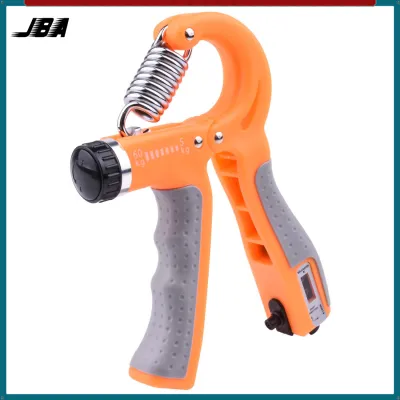
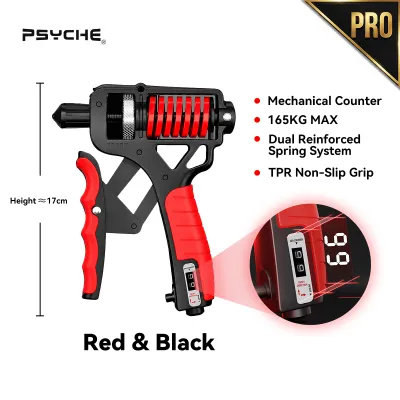
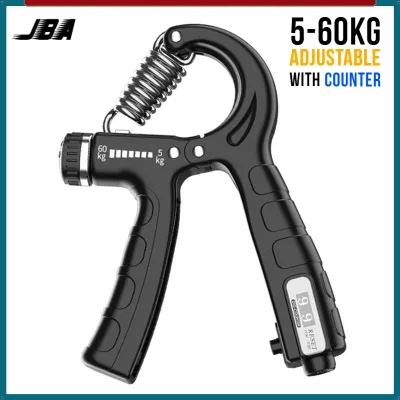
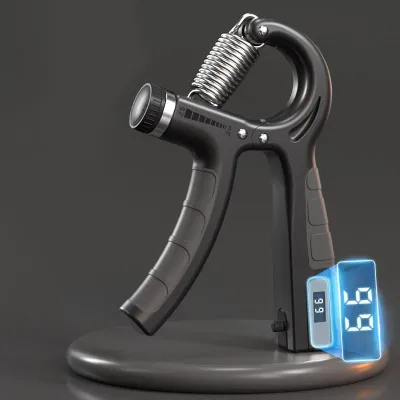
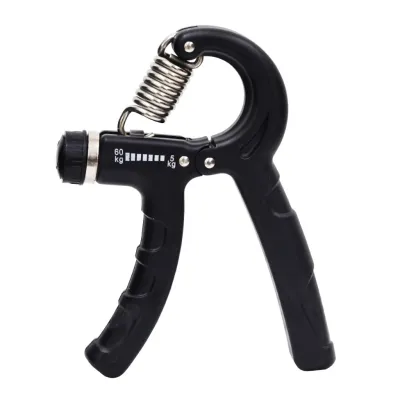
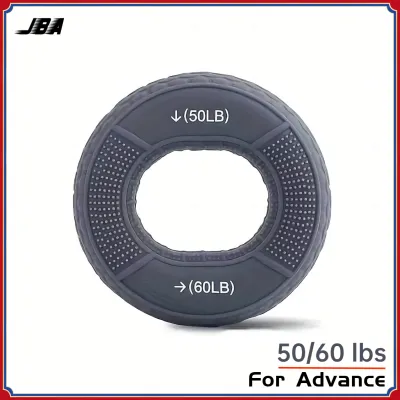
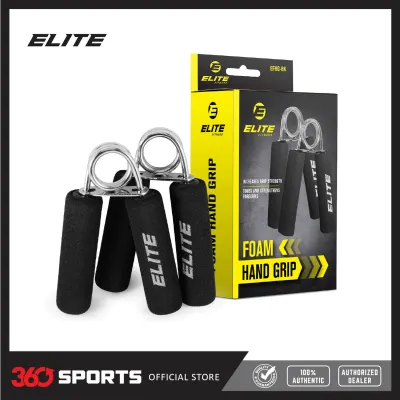
Prices are valid at publication and may change. Please refer to the product page for the latest price.
To choose the right tool, you must also assess your current physical baseline. Take note of any existing joint pain, wrist instability, or tendon sensitivity. If you experience discomfort during basic daily movements, starting with a high-resistance metal gripper is highly likely to cause injury. You must also define which type of grip strength you want to target. Crushing strength is the ability to close your hand around an object. Pinch strength is the power held between your fingers and your thumb. Support grip is your capacity to hold onto an object for an extended duration. Each of these goals requires a different mechanical design.
Match Grip Trainer Types to Your Goals
Grip trainers are not one-size-fits-all tools; their mechanical designs dictate how they load your muscles and connective tissues. Understanding these differences allows you to select a device that aligns perfectly with your physical capabilities and training objectives.

The most common types include torsion spring grippers, adjustable dial grippers, silicone rings, and finger resistance bands. Torsion spring grippers feature a classic A-shape with a coiled metal spring at the top, providing a fixed level of resistance that requires significant force to close. Adjustable models utilize a tension dial that compresses an internal spring, allowing you to scale the resistance up or down as your strength fluctuates. Resistance bands and finger stretchers work in the opposite direction, targeting the extensor muscles on the back of your hand. By matching the physical design of the tool to your specific training goal, you ensure that you are targeting the correct muscle groups without placing unnecessary stress on your joints.
For Rehabilitation and Injury Recovery
When recovering from a hand, wrist, or forearm injury, your primary focus must be safety, joint mobility, and gradual tissue healing. High-resistance tools are entirely unsuitable for this stage of training. Instead, look for low-resistance, highly pliable tools such as silicone grip rings, therapy putty, or light adjustable grippers that offer smooth, consistent tension.
Silicone rings and therapy putty allow for multi-directional movement, which helps gently stimulate blood circulation and reduce joint stiffness without overloading healing tendons. If you choose an adjustable gripper, ensure it can be set to a very low resistance level, such as 5 kilograms, so you can perform high-repetition movements without straining your hand.
Before beginning any post-injury training routine, it is essential to obtain medical clearance from a qualified healthcare provider or physical therapist. They can guide you on the appropriate timing and intensity for your recovery. While training, establish strict stop conditions. If you experience sharp, shooting pain, sudden joint swelling, or persistent numbness, cease using the tool immediately and consult your doctor. Rehabilitation is about consistency and patience, not pushing through pain.
For General Hand Strength and Everyday Use
For those looking to build reliable hand strength for daily activities, versatility and ease of use are the most important factors. Standard torsion spring grippers with moderate resistance or adjustable dial models are excellent choices for this level of training. These tools allow you to track your progress easily as your hands adapt to the resistance.
When selecting a gripper for daily use, pay close attention to the handle design. In warm and humid tropical climates, hands can quickly become sweaty during a workout. Smooth plastic handles can easily slip, leading to an awkward release that might pinch your skin or strain your fingers. Look for ergonomic handles featuring textured rubber overlays or non-slip patterns that provide a secure hold even when your hands are damp.
While building strength is important, you must also maintain hand flexibility. Daily grip training should complement, not hinder, your manual dexterity. Ensure your routine includes regular hand and finger stretches to prevent stiffness, keeping your hands agile for tasks like writing, typing, or cooking.
For Athletic Performance and Heavy Lifting
Athletes, powerlifters, martial artists, and rock climbers require specialized, heavy-duty equipment to push their grip limits. Standard plastic grippers quickly become too light to provide a meaningful training stimulus for these users. To build serious crushing power and support grip endurance, you should look toward fixed-resistance metal torsion grippers, thick-bar adapters, or dedicated pinch blocks.
Heavy-duty metal grippers are constructed with aircraft-grade aluminum handles and high-tensile steel springs, offering resistance levels that can exceed 100 kilograms. Thick-bar adapters are rubber sleeves that wrap around standard barbells or dumbbells, instantly increasing the handle diameter and forcing your forearms to work significantly harder to maintain your hold. Pinch blocks target the thumb and fingers specifically, which is highly beneficial for climbers.
Because these tools place immense stress on your joints and connective tissues, you must prioritize structured progressive overload and thorough warm-ups. Tendons and ligaments receive less blood flow than muscles, meaning they adapt to heavy loads at a much slower rate. Never attempt maximum-effort squeezes with heavy-duty tools without a thorough warm-up and a solid foundation of basic grip conditioning.
For Finger Isolation and Dexterity
Certain activities require independent finger strength and high dexterity rather than overall crushing power. Musicians, such as guitarists and pianists, as well as typists and surgeons, benefit greatly from tools that target individual fingers. For these goals, individual finger piston trainers and silicone finger extension bands are the most effective options.
Finger piston trainers feature separate, spring-loaded buttons for each finger, allowing you to compress them individually or in patterns. This design prevents your stronger fingers from compensating for your weaker ones, helping you build balanced, independent control. Finger extension bands, which loop around the tips of your fingers, provide resistance as you open your hand outward.
Training both flexion (closing the hand) and extension (opening the hand) is crucial for maintaining joint health and preventing muscle imbalances. If you only train the muscles responsible for closing your hand, you risk developing chronic tension and joint misalignment. Additionally, because the tendons controlling individual fingers are relatively small and delicate, you must avoid overtraining them with excessive resistance. Focus on high-repetition, controlled movements to build endurance and coordination safely.
Key Specifications to Check Before Buying
When shopping for a grip trainer on e-commerce platforms, it is easy to be overwhelmed by the sheer volume of options. To ensure you purchase a high-quality, durable tool that matches your fitness goals, keep a practical checklist of key specifications in mind.
First, verify the resistance range and adjustability. Look for products that clearly state their resistance ratings in kilograms or pounds on the manufacturer’s label. Avoid generic products that only use vague terms like “light,” “medium,” or “heavy,” as these ratings are highly subjective and make progressive tracking nearly impossible.
Second, evaluate the handle material and ergonomics. Knurled metal handles, typically made of aluminum, offer an exceptionally secure, non-slip grip that is highly effective for heavy lifting and humid conditions. However, knurling can be abrasive on soft skin, so beginners may prefer padded plastic or textured rubber handles for comfort. Ensure the handle shape fits comfortably in your palm without forcing your fingers into unnatural angles.
Third, inspect the overall build quality. Look closely at the spring mechanism; the coil should be perfectly centered, and the handles must remain aligned throughout the entire compression path. Loose joints or misaligned handles can cause uneven resistance and premature wear.
Finally, protect your purchase by verifying seller authenticity on your chosen online marketplace. Read through verified user reviews, paying close attention to photos uploaded by customers to confirm the product’s actual appearance and build quality. Always check the seller’s return policy to ensure you can easily exchange the item if it arrives with manufacturing defects or misaligned parts.
Safe Usage and Training Guidelines
Integrating a grip trainer into your fitness routine requires the same discipline and care as any other form of strength training. To achieve consistent progress while avoiding injury, you must apply the principles of progressive overload and allow for adequate recovery time.
Forearm muscles and hand tendons are highly active in daily life, meaning they are easily susceptible to fatigue. Avoid the temptation to use your grip trainer constantly throughout the day. Instead, treat grip work as a structured workout session, performing it two to three times a week. Give your hands at least 48 hours of rest between intense sessions to allow the connective tissues to repair and strengthen.
Be highly vigilant in recognizing the early signs of overuse injuries. Persistent soreness on the inside of your elbow, commonly known as medial epicondylitis or golfer’s elbow, is a frequent consequence of overtraining your grip. Wrist strain, finger joint stiffness, and localized swelling are also clear indicators that your hands need rest. If you experience any of these symptoms, stop training immediately and allow your body to heal completely before resuming at a lower intensity.
To maintain optimal joint health, always balance your crushing exercises with finger extension movements. Using a simple silicone extension band or performing hand-opening stretches will help keep your hand muscles balanced, reducing the risk of chronic stiffness and keeping your fingers agile.
Frequently Asked Questions (FAQ)
How often should I use a grip trainer?
Your training frequency depends entirely on the intensity of your workouts and your individual recovery capacity. For high-intensity strength training, two to three sessions per week are generally sufficient to stimulate growth while allowing your tendons to recover. For low-resistance rehabilitation, daily light movement may be appropriate. Always check the product manual or consult a fitness professional to design a safe, structured program tailored to your needs.
Can grip trainers help with carpal tunnel syndrome?
Grip trainers are designed to build strength and endurance; they are not medical treatment devices. If you suspect you have carpal tunnel syndrome or are experiencing persistent wrist numbness and tingling, you should avoid self-treating with a grip trainer, as excessive squeezing can worsen nerve compression. Consult a qualified healthcare provider or physical therapist for an accurate diagnosis and a targeted treatment plan.
What is the difference between crush, pinch, and support grip?
Crush grip is the power used to close your hand around an object, such as squeezing a torsion spring gripper. Pinch grip is the strength held between your fingers and thumb, typically trained using pinch blocks. Support grip is your ability to hold onto an object, like a barbell or pull-up bar, for an extended period. Matching your tool to the specific grip type ensures optimal results.
Community discussion
Share your experience or ask a question. Comments are reviewed before publication.