
To successfully fit a gym stepping board into a small condo home gym, a compact or mini stepping board measuring approximately 60 to 70 centimeters in length is generally the most practical choice. This size requires a total active floor clearance of only about 1.5 by 2 meters, making it highly compatible with typical studio or one-bedroom condo layouts. While standard commercial-sized boards measuring 90 to 110 centimeters offer superior stability and a wider range of movement options, they demand a significantly larger active footprint that can quickly overcrowd a multi-purpose living space. Selecting the perfect board size is not merely about finding a piece of equipment that physically fits into a corner; it requires balancing your specific workout goals, safety clearance requirements, storage availability, and the structural realities of high-rise living.
Assessing Your Condo Workout Space
Living in a modern high-rise condominium, particularly in dense urban areas like Metro Manila, often means working with a total floor area of 20 to 35 square meters for studio and one-bedroom units. In these compact environments, setting up a home gym requires meticulous spatial planning. Before browsing online marketplaces or local fitness stores for a gym stepping board, you must accurately map out your available floor area. Use a steel measuring tape to measure the length and width of the exact zone where you intend to exercise. Do not rely on visual estimates, as furniture angles and lighting can create an optical illusion of a larger space than what actually exists.
When measuring, pay close attention to fixed, non-negotiable obstacles that cannot be easily moved before a workout. These include heavy sofa sets, dining tables, structural concrete pillars, sliding glass doors leading to balconies, and wall-mounted television consoles. It is highly recommended to use low-tack painter’s tape to outline the physical dimensions of the stepping board directly onto your floor. This simple visual aid allows you to see exactly how much open space remains around the equipment and helps you identify potential collision points before making a purchase.
Products mentioned in this guide
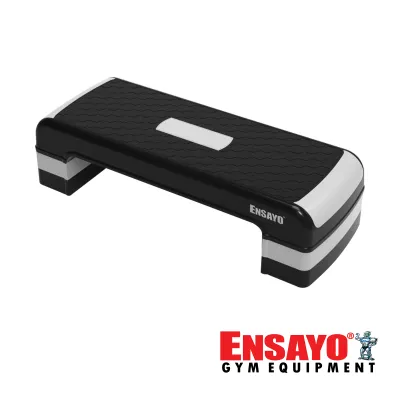
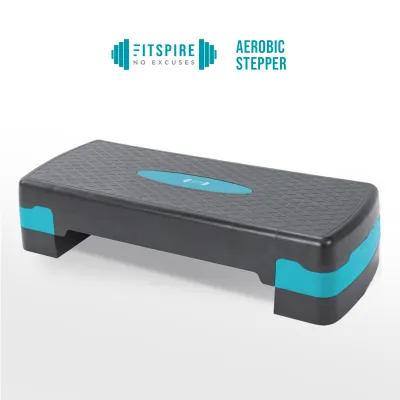
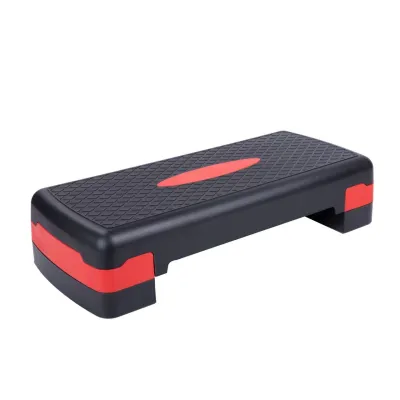
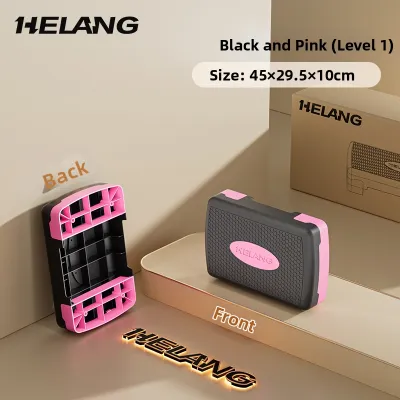
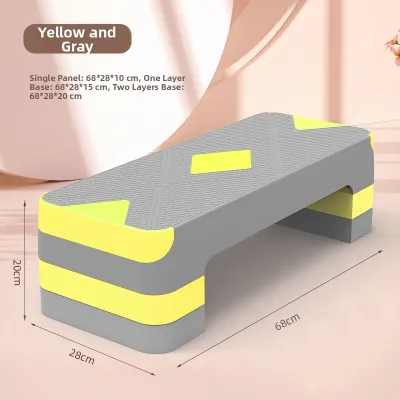
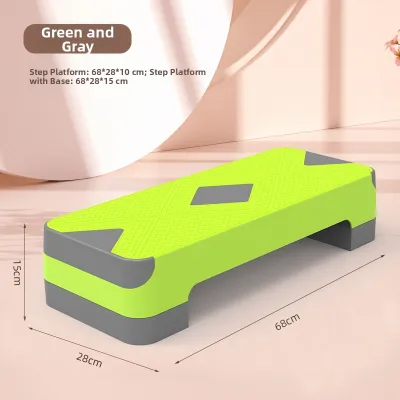
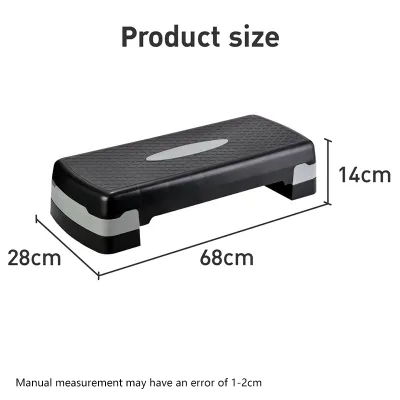
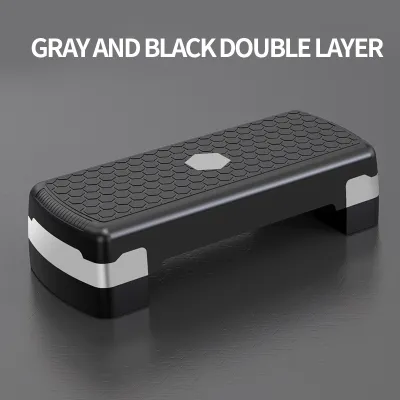
Prices are valid at publication and may change. Please refer to the product page for the latest price.
Furthermore, you must consider the multi-purpose nature of condo rooms. Because most condo residents do not have the luxury of a dedicated spare room for fitness, the workout zone typically shares space with the living room, bedroom, or home office. Your exercise area is also a daily traffic pathway. Therefore, the stepping board must coexist harmoniously with your daily routine. If setting up your equipment requires moving multiple pieces of heavy furniture every single day, the friction of preparation may eventually discourage you from working out altogether. Choose a location that allows for quick setup and teardown without disrupting the flow of your household.
Standard Gym Stepping Board Dimensions and Space Requirements
To make an informed decision, it is essential to understand the difference between the static physical dimensions of a gym stepping board and its active footprint. The physical dimensions represent the actual length, width, and height of the board when it is resting quietly in storage or on the floor. The active footprint, however, is the dynamic space required by your body as you move on, off, and around the board during an active workout. For safety, your active footprint must extend at least 60 centimeters beyond the board’s perimeter on all sides to accommodate your stride and prevent accidental trips.

Compact and Mini Stepping Boards
Compact or mini stepping boards are specifically engineered for tight spaces, typically measuring between 60 to 70 centimeters in length and 25 to 30 centimeters in width. These boards are highly valued for their minimal physical footprint, allowing them to fit easily into narrow bedroom pathways or small balconies.
These smaller platforms are highly effective for isolated vertical movements and low-impact cardiovascular training. They are ideal for basic up-and-down step routines, elevated lunges, split squats, calf raises, and physical therapy rehabilitation exercises. If your fitness routine focuses primarily on steady-state cardio, strength-based step-ups, or targeted lower-body conditioning, a compact board offers more than enough surface area to meet your needs.
However, compact boards come with inherent safety and versatility limitations. Because of their short length, they are not suitable for wide-stance exercises, rapid lateral movements, or high-intensity interval training (HIIT) that requires complex, diagonal footwork. Attempting dynamic side-to-side hops or straddle jumps on a mini board increases the risk of stepping off the edge, which can lead to ankle sprains or falls. Additionally, users with larger shoe sizes or longer strides may find the limited surface area restrictive and uncomfortable during fast-paced routines.
Standard and Wide-Base Stepping Boards
Standard or wide-base stepping boards are the standard equipment found in commercial fitness clubs. These robust platforms typically measure 90 to 110 centimeters in length and 35 to 40 centimeters in width. They are designed to provide maximum stability and accommodate a highly diverse range of dynamic movements.
The generous length of a standard board is crucial for performing advanced step aerobics, lateral jumps, plyometric box hops, and diagonal traveling steps. It also provides a sufficiently long platform to double as a flat weight bench for dumbbell chest presses, guided rows, or seated exercises, saving you the expense and space of buying a separate workout bench. Many high-quality standard boards also feature built-in grooves or anchor points designed to secure resistance bands, allowing you to seamlessly transition from cardiovascular training to full-body strength workouts.
Despite these versatile benefits, a standard board demands a substantial active footprint. When you factor in the necessary safety clearance of 60 centimeters on all sides, a 110-centimeter board requires a clear, unobstructed floor area of at least 2.3 meters in length and 1.6 meters in width. In a small condo, this expansive active footprint can easily block pathways, crowd out essential furniture, or force you to exercise dangerously close to walls or glass doors. You must carefully weigh whether your condo’s layout can comfortably accommodate this larger footprint during your active workout sessions.
Space-Saving Features and Storage Solutions
When space is highly constrained, the engineering and design features of your gym stepping board play a critical role in maintaining an organized, clutter-free home. One of the most important features to look for is adjustable height risers. Most high-quality boards utilize a modular riser system that allows you to adjust the platform height to 10, 15, or 20 centimeters. This adjustability allows you to increase or decrease the intensity of your workouts using a single piece of equipment, eliminating the need to purchase multiple boards of varying heights as your fitness level progresses.
To maximize storage efficiency, prioritize boards that feature stackable, nesting, or foldable designs. Many modern stepping boards are designed so that the adjustable risers lock securely into the underside of the main platform when not in use. This nesting capability significantly reduces the vertical profile of the board, turning a bulky fitness tool into a flat, compact block that can be easily tucked away out of sight.
Condo living requires creative storage solutions that utilize underused vertical and horizontal spaces. A nested compact or standard stepping board is low enough to slide horizontally under a standard bed frame, a sofa, or a raised TV console. If horizontal floor space is completely unavailable, you can store the board vertically inside a narrow utility closet, behind a bedroom door, or in the gap between a wardrobe and the wall. For those who want to keep their floors entirely clear, some lightweight boards can even be hung on heavy-duty utility hooks mounted inside a closet or laundry area.
Additionally, you must evaluate the weight and overall portability of the board. Since you will likely need to set up and pack away your workout gear before and after every session, a board that is excessively heavy or awkward to carry will quickly become a source of frustration. Look for boards constructed from high-density polyethylene (HDPE) plastic. This material is exceptionally durable, offering high weight capacities (often up to 150 to 200 kilograms) while remaining lightweight enough—typically between 3 to 5 kilograms—to be carried effortlessly with one hand.
Safety Clearances and Movement Margins
Exercising in a confined space demands a strict adherence to safety clearances to prevent personal injury and property damage. Before starting any dynamic routine, you must calculate your “swing and stride” radius. This is the maximum distance your arms and legs will reach when performing explosive or wide-ranging movements, such as lateral lunges off the side of the board, rear leg extensions, or wide arm swings during jumping jacks. Ensure that your maximum physical reach does not bring you within striking distance of concrete walls, sharp furniture corners, glass windows, or delicate home decor.
Ceiling height is another critical factor that is frequently overlooked in modern condo developments. Many high-rise units feature dropped ceilings to accommodate central air conditioning ducts, recessed lighting, or fire sprinkler systems, which can reduce the effective ceiling height to 2.4 meters or less. Before performing any jumping, hopping, or high-knee exercises on your stepping board, conduct a manual overhead clearance check. Stand on the board at its highest riser setting and fully extend your arms upward. You should have a safety buffer of at least 20 to 30 centimeters between your fingertips and the ceiling. Be especially vigilant about the positioning of ceiling fans, low-hanging pendant lights, and wall-mounted air conditioning units, as contacting these objects mid-jump can result in severe lacerations or head injuries.
Furthermore, protecting your condo’s flooring is essential for preserving your property value or securing your rental deposit. High-impact stepping exercises on hard surfaces like ceramic tiles or engineered wood can cause scratches, cracks, and structural wear over time. Additionally, the impact of jumping can generate significant noise and low-frequency vibrations that travel through the concrete floor slab, disturbing neighbors living directly below you. To mitigate these risks, always place a high-density, non-slip rubber or foam exercise mat underneath your stepping board. The mat should be large enough to accommodate the board and provide a stable, shock-absorbing border. Ensure the mat has a textured grip on both sides to prevent the stepping board from sliding during fast-paced, high-intensity workouts.
Common Sizing Mistakes for Small Home Gyms
One of the most common errors when setting up a condo home gym is measuring only the static footprint of the gym stepping board. Many buyers find a compact spot in their room where the board fits perfectly while resting, only to discover during their first workout that they cannot step off the sides or back of the platform without colliding with a wall or a bed frame. Always plan your workout zone based on the dynamic movement space required, not just the physical dimensions of the stored equipment.
Another frequent oversight involves the logistics of delivery and transport within a high-rise building. While a gym stepping board is highly portable once unpacked, the initial shipping box can be surprisingly bulky, particularly for standard-sized boards. Before ordering, verify that the packaged dimensions can easily fit through your condo building’s passenger elevators, narrow hallway corridors, and your unit’s front doorway. Taking a few moments to measure these entry points can prevent the frustration of dealing with a delivery that is difficult to transport to your floor.
Finally, avoid the mistake of overestimating your available space by failing to account for other fitness accessories. If you plan to use dumbbells, kettlebells, resistance tubes, or yoga blocks during your stepping routine, these items will also occupy valuable floor space around your board. Cluttering your active workout zone with extra equipment creates a hazardous environment, increasing the likelihood of tripping, slipping, or accidentally dropping heavy weights onto your toes or your condo’s flooring. Keep your workout zone clean, organized, and strictly limited to the equipment currently in use.
Frequently Asked Questions (FAQ)
Can I use a stair stepper machine instead of a stepping board in a small condo?
While a motorized or hydraulic stair stepper machine provides an excellent cardiovascular workout, it has a permanent, bulky physical footprint and cannot be easily folded or stowed away like a portable gym stepping board. Stepper machines are also heavy, making them highly impractical for multi-use living spaces where equipment must be cleared away daily. Furthermore, the mechanical operation of a stepper machine can generate low-frequency vibrations and noise that easily transmit through concrete high-rise floors, potentially leading to noise complaints from downstairs neighbors. A portable gym stepping board offers a completely silent, lightweight, and highly versatile alternative that keeps your living space flexible and your neighborly relations peaceful.
What is the minimum ceiling height needed for stepping board workouts?
To determine your minimum safe ceiling height, add your physical height, the maximum height of your stepping board with all risers attached (typically 15 to 20 centimeters), and a safety clearance buffer of at least 30 centimeters to account for jumping and overhead arm extensions. For an individual who is 170 centimeters tall using a stepping board raised to 20 centimeters, the absolute minimum ceiling height required for basic step exercises is 220 centimeters. If your workout routine includes explosive plyometrics, high-knee tuck jumps, or overhead dumbbell presses while standing on the board, you will need a significantly higher ceiling to ensure you do not contact overhead hazards like ceiling fans or light fixtures.
Community discussion
Share your experience or ask a question. Comments are reviewed before publication.