
Selecting the ideal gymnastic ribbon stick is a foundational step in mastering rhythmic gymnastics. The stick acts as an direct extension of your arm, translating subtle wrist and shoulder movements into the fluid, sweeping patterns that define the sport. Choosing an incompatible model can lead to persistent tangles, rapid physical fatigue, and technical frustration. Finding the right match requires balancing the stick’s length, weight, and material composition against your physical height, arm span, and current experience level.
In the Philippines, local training environments add unique variables to this selection process. Many training halls and community gymnasiums operate without climate control, exposing equipment to high relative humidity. This atmospheric moisture can increase ribbon drag and affect your grip stability, making the physical specifications of your stick even more critical. Whether you are purchasing your first training setup from a local specialty retailer or upgrading through an online marketplace, understanding these physical parameters ensures your gear supports your athletic development.
Understanding Ribbon Stick Specifications: Length, Weight, and Material
A gymnastic ribbon stick is defined by three primary specifications: length, weight, and material. These three elements interact continuously to dictate how the ribbon behaves in the air, how much control you maintain over the pattern, and how quickly your muscles fatigue during a routine. A change in even one of these specifications can completely alter the dynamics of your performance.
Products mentioned in this guide
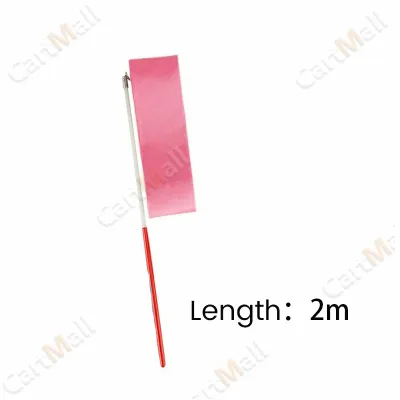
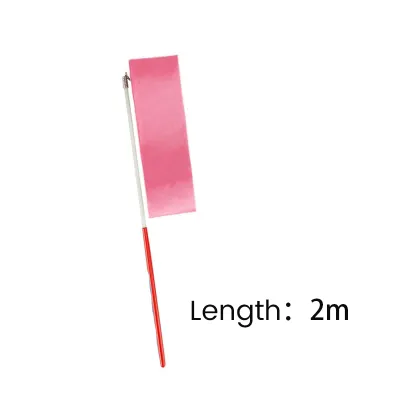
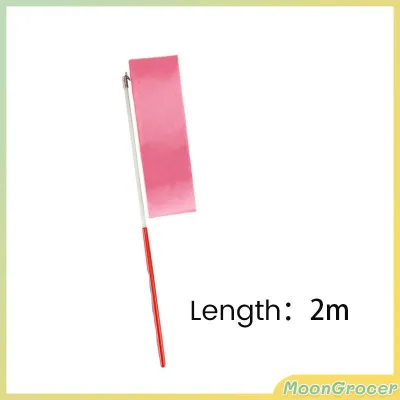
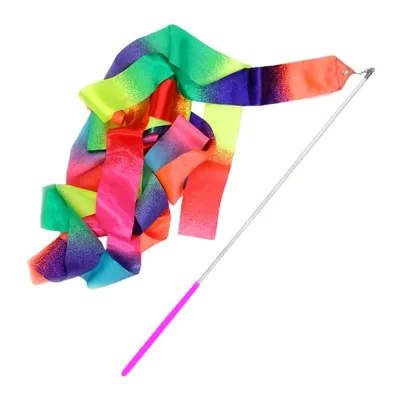
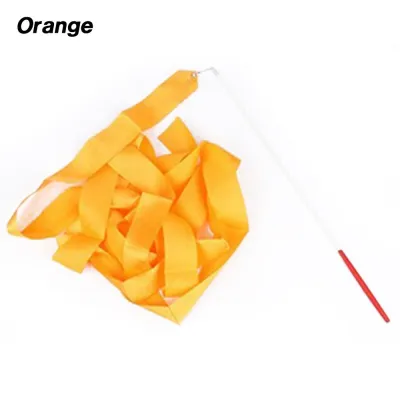
![[COD]ZMONH 6M Dance Ribbon Gym Rhythmic Art Gymnastic Ballet Streamer Twirling Rod 5 Colors](https://img.lazcdn.com/g/p/ff4ff0b4030d168af3f09d467768dfe2.jpg_400x400q80.jpg_.webp)
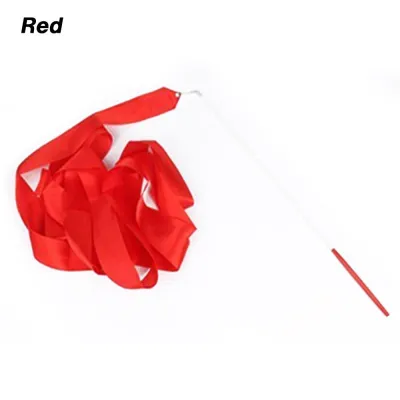
![[Fast Delivery] 4M Dance Ribbons Kids Dance Gymnastics Ribbon Wands](https://img.lazcdn.com/g/p/1656a2022cb52fa01ba0cddf92e4143a.jpg_400x400q80.jpg_.webp)
Prices are valid at publication and may change. Please refer to the product page for the latest price.
Length directly determines the radius of your swings and the space required to keep the ribbon airborne. A longer stick provides a larger visual canvas but requires greater physical leverage to manipulate. Weight influences both the momentum of the throw and the physical strain placed on your wrist and forearm joints. The material composition dictates the stick’s overall flexibility, vibration dampening, and structural durability under stress.
For competitive gymnasts, these specifications are strictly regulated. The Fédération Internationale de Gymnastique (FIG) sets exact standards for junior and senior competitive divisions, dictating minimum weights and specific length ranges. Recreational enthusiasts and young beginners, however, have more flexibility. If you are not competing in sanctioned events, you can prioritize comfort, ease of handling, and progressive skill development over rigid regulatory compliance.
Because manufacturing tolerances and design philosophies vary among brands, generic category labels like “youth” or “standard” are rarely sufficient. Always verify the exact physical measurements on the manufacturer’s product label or official specification sheet before purchasing. This verification prevents compatibility issues and ensures you receive a stick suited to your specific physical needs.
Matching Stick Length to Your Height and Experience
Selecting the correct stick length is essential to prevent the ribbon from constantly dragging on the floor or wrapping around your limbs. The general framework for determining the proper length relies on a combination of the gymnast’s overall height, arm span, and technical proficiency. A stick that matches your physical proportions allows you to execute clean patterns with natural, unforced posture.

Beginners and younger gymnasts generally benefit from shorter sticks, typically ranging from 50 to 55 centimeters. Shorter sticks require less physical leverage to control, which helps novice athletes build spatial awareness and master basic shapes like snakes and spirals. Because a shorter stick keeps the ribbon closer to the body, it reduces the effort needed to maintain momentum, allowing the athlete to focus entirely on learning correct wrist mechanics.
Advanced gymnasts and older competitors transition to standard 60-centimeter sticks. These longer models are necessary to drive standard five-meter and six-meter ribbons without the fabric drooping or losing its shape. While a longer stick enables grander, more dramatic visual patterns, it demands high shoulder stability, precise wrist articulation, and dynamic core coordination. Without these developed physical traits, a long stick can quickly become unwieldy.
Using a stick that is too long for your current height or strength level introduces clear safety and performance risks. If you notice frequent, unintentional floor contact, the ribbon wrapping around your torso, or a complete loss of loop momentum mid-pattern, your equipment is likely too large. Continuing to train with an oversized stick forces you to compensate by over-extending your shoulder or hyper-flexing your wrist, which can lead to chronic joint strain. If these issues persist, downsizing to a shorter model is the safest and most effective corrective action.
Evaluating Weight and Material for Control and Durability
The weight and material of a gymnastic ribbon stick determine how it feels in your hand and how long it will withstand daily training sessions. Weight distribution is crucial; a stick must feel balanced from the grip to the tip to facilitate smooth rotations, high tosses, and secure catches.
Lighter sticks, often weighing between 15 and 25 grams, are ideal for children, beginners, and those building baseline upper-body strength. They minimize joint fatigue, allowing for longer, more productive practice sessions. However, extremely light sticks can be difficult to control in drafty environments. If you train in semi-outdoor venues or gyms with active fan systems, a slightly heavier stick (around 30 to 35 grams) provides the necessary inertia to cut through moving air and keep your patterns stable.
When comparing materials, you will generally choose among three common options:
- Wood or Bamboo: These traditional materials are highly affordable and offer a classic, rigid feel. However, they lack flexibility and are highly susceptible to warping or cracking when exposed to the high humidity typical of tropical climates.
- Fiberglass: This is the industry standard for intermediate training. Fiberglass offers excellent durability, moderate flexibility to absorb impact during catches, and reliable moisture resistance. It provides a balanced weight that suits a wide range of skill levels.
- Carbon Fiber: Typically favored by advanced and elite gymnasts, carbon fiber is exceptionally light yet highly rigid. It delivers instantaneous feedback to the hand and allows for incredibly fast rotations. The primary trade-off is cost, as carbon fiber models represent a premium investment.
Before finalizing your selection, look past marketing buzzwords like “pro-strength” or “ultra-light.” Instead, consult the manufacturer’s technical specifications to verify the exact weight in grams and the precise material composition. This objective data is the only reliable way to ensure the stick matches your physical capabilities and training environment.
Step-by-Step Guide to Sizing and Testing Your Stick
To ensure your new equipment fits your body and integrates seamlessly with your existing gear, follow these sequential steps before committing to a full practice routine.
Step 1: Measure and Compare
Stand upright with your shoulders relaxed and extend your dominant arm fully to the side, parallel to the floor. Have someone measure the distance from the center of your chest to the tip of your middle finger. Compare this measurement, along with your total height, against the manufacturer’s official sizing chart to identify your recommended stick length range.
Step 2: Check the Swivel Connection
Examine the connection point at the tip of the stick. The swivel or eyelet mechanism must rotate a full 360 degrees smoothly, without any catching, friction, or clicking sounds. Verify that this attachment mechanism is fully compatible with the snap hook, cord, or clip on your current ribbon. A mismatched or stiff connection will cause the ribbon to twist and bunch during basic movements.
Step 3: Perform Basic Handling Tests
In a safe, open space free of obstructions, perform a series of basic swings, large overhead circles, and low figure-eights. Pay close attention to the grip area. The handle should feel secure in your palm, and the stick should not slide or rotate unintentionally when your hand becomes warm. If you train in warm conditions, verify that the grip material provides sufficient slip resistance.
Step 4: Evaluate Strain and Control
As you perform these basic movements, monitor your wrist, forearm, and elbow for any immediate tightness or sharp discomfort. Note how easily you can initiate and stop the ribbon’s motion.
Stop Condition: If the stick feels heavy enough to drag your wrist down, causes joint discomfort, or consistently results in tangled loops despite correct technique, stop using it immediately. Do not attempt high tosses or complex maneuvers with an unwieldy stick. Return or exchange the item for a shorter, lighter, or more flexible model to protect your joints from repetitive strain injuries.
Frequently Asked Questions (FAQ)
Can I use an adjustable or telescopic ribbon stick?
Adjustable or telescopic ribbon sticks offer convenient storage and can expand as a young gymnast grows, making them popular for casual recreational use. However, they carry distinct performance trade-offs. The overlapping joints of a telescopic stick alter its weight distribution, often making it feel tip-heavy, and the locking mechanisms can loosen or fail under the high centrifugal force of rapid swings. Additionally, adjustable models are generally not permitted in official FIG-sanctioned competitions. If your goal is competitive training, a solid, one-piece fiberglass or carbon fiber stick is highly recommended for consistent balance and safety.
How do I know if my ribbon stick is too heavy for my current level?
Your body will provide clear physical and performance signals if a stick exceeds your current strength and skill level. Watch for rapid fatigue or a burning sensation in your forearm muscles within the first few minutes of practice. Performance indicators include an inability to maintain clean, crisp spirals, dropping the stick during routine catches, or finding that your movements lag behind the tempo of your music. If you must grip the handle tightly just to keep the stick level, transition to a lighter model to prevent chronic wrist strain and allow your technique to develop naturally.
Community discussion
Share your experience or ask a question. Comments are reviewed before publication.