
Selecting the right Harbinger gloves depends entirely on matching the glove’s design to your specific training activity. A glove built for heavy barbell lifts will not protect your knuckles on a heavy bag, and a bulky boxing glove will prevent you from gripping a pull-up bar. By identifying whether your primary focus is strength training, heavy bag work, or mixed martial arts, you can select a model with the precise padding, wrist support, and flexibility required for your routine.
Define Your Primary Training Scenario
Every fitness activity places unique physical demands on your hands and wrists. Strength training requires palm protection and grip security to handle heavy metal bars. Striking workouts demand dense shock absorption to shield your knuckles from repetitive high-impact forces. Mixed martial arts and grappling require a balance of light protection and open-finger dexterity to allow for secure holds and transitions.
Using the wrong glove type for an activity can lead to poor performance, rapid equipment damage, or hand injuries. For example, using thin lifting gloves on a heavy bag offers virtually no impact protection, which can strain your wrists and bruise your knuckles. Conversely, attempting to lift weights with thick, padded boxing gloves is unsafe because you cannot securely wrap your fingers around the barbell.
Products mentioned in this guide
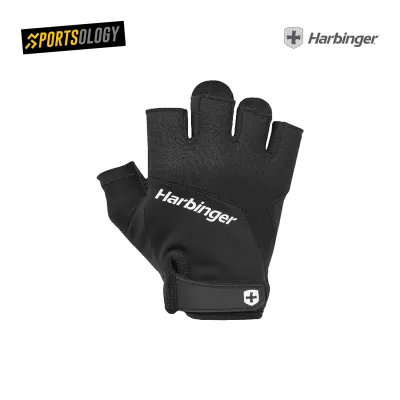
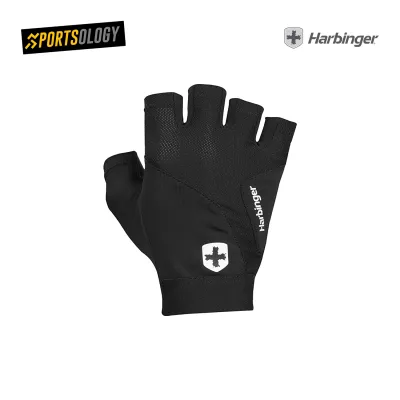
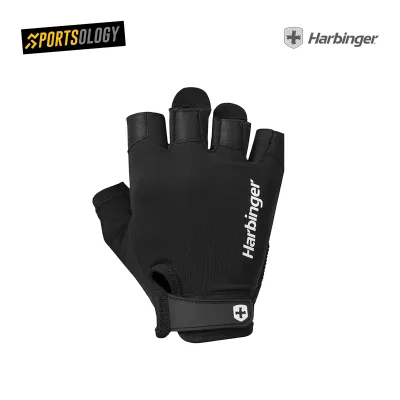
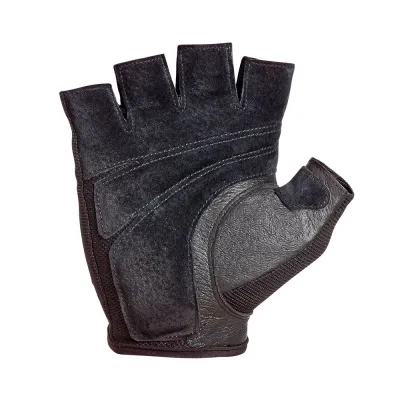
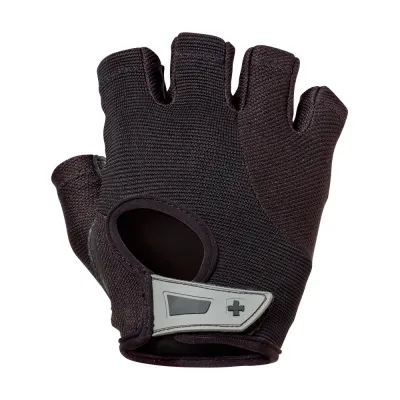
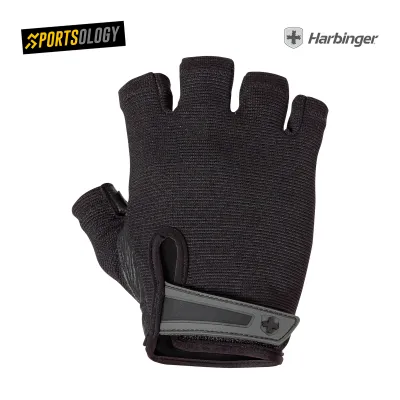
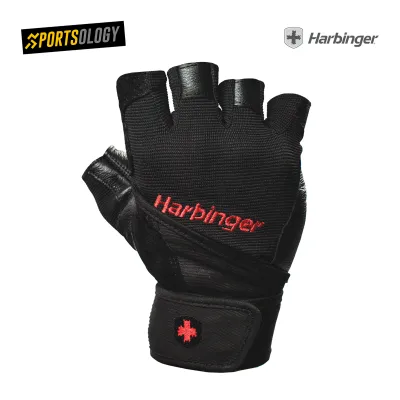
Prices are valid at publication and may change. Please refer to the product page for the latest price.
Harbinger designs distinct categories of gloves to address these specific physical demands. Their lineup includes specialized weightlifting gloves, heavy bag and striking gloves, and open-finger MMA gloves. Identifying your primary workout style is the first step in narrowing down your options.
Choosing Harbinger Gloves for Weightlifting and Strength Training
When selecting gloves for weightlifting, powerlifting, or general strength training, your primary goals are palm protection and grip stability. Look for gloves that feature padded palms, which help distribute pressure evenly across your hands. This padding is essential for preventing painful calluses, blisters, and nerve compression during heavy pulling or pressing movements.

Wrist stability is another critical factor to evaluate, especially during heavy overhead presses or bench presses. Many lifting gloves come with integrated, adjustable wrist wraps that help keep your wrists in a neutral, aligned position under heavy loads. If you frequently perform heavy lifts, choosing a model with these built-in wraps can provide valuable structural support.
In the warm and humid climate of the Philippines, sweat management is a major consideration for any gym-goer. High humidity can cause your hands to sweat excessively, leading to slippage and a compromised grip on the bar. Look for lifting gloves with open-back designs, mesh panels, or moisture-wicking materials that promote airflow and keep your hands dry during high-rep sets.
Finally, ensure the gloves offer a secure, snug fit without restricting your circulation. The glove should feel like a second skin, allowing your fingers to flex naturally. A loose glove can bunch up in your palm, which not only causes discomfort but also increases the risk of the barbell or dumbbell slipping during a lift.
Selecting Harbinger Gloves for Heavy Bag and Striking Work
For workouts that involve hitting a heavy bag, focus heavily on padding density and shock absorption. Repetitive impact against a dense heavy bag can place immense stress on the small bones in your hands and wrists. Look for striking gloves that feature multi-layer foam padding designed specifically to absorb and disperse these high-impact forces.
A secure wrist closure system is vital for maintaining proper hand and wrist alignment during punches. Look for gloves with wide, adjustable hook-and-loop wrist straps that wrap tightly around the wrist joint. This support helps prevent the wrist from bending or collapsing upon impact, reducing the risk of sprains and other common striking injuries.
It is important to differentiate between dedicated heavy bag gloves and general fitness or light training gloves. General fitness gloves often lack the dense padding required for heavy bag work and are intended only for light cardio-boxing or pad work. Always verify the manufacturer’s specifications to ensure the model you choose is rated for heavy bag training.
Additionally, keep in mind that heavy bag gloves are designed differently from partner sparring gloves. Bag gloves are optimized for durability and hand protection against a hard target, whereas sparring gloves require softer, thicker padding to protect both you and your training partner. Always check the product guidelines before using any glove for partner work.
Finding Harbinger Gloves for MMA and Grappling
Mixed martial arts and grappling require a specialized glove design that balances striking protection with finger dexterity. Look for open-finger or half-finger designs that leave your fingers free to grip, clinch, and execute submissions. These designs allow you to transition seamlessly from light striking on pads to ground work without needing to change gear.
While these gloves feature open fingers, they must still provide effective knuckle padding. Check for models that offer a contoured layer of foam over the knuckles to cushion light strikes and pad work. The padding should be compact enough to avoid interfering with your hand’s ability to close into a tight fist or grab an opponent.
The palm design is equally important for grappling and MMA training. Ensure the palm material is durable and slip-resistant, allowing for a secure grip on training gear, mats, or an opponent’s limbs. Many MMA gloves feature an open-palm design, which maximizes grip and enhances breathability in hot, humid gym environments.
Before purchasing, verify that the glove design complies with your gym’s standard training requirements. Some gyms have specific rules regarding the weight and padding thickness of MMA gloves allowed during class. Choosing a compliant model ensures you can fully participate in all aspects of your training safely.
Essential Fit and Feature Checks Before You Buy
To ensure your selected Harbinger gloves provide proper comfort and safety, start by measuring your hand circumference accurately. Use a flexible measuring tape to measure around your palm, just below the knuckles, excluding the thumb. Compare this measurement directly to the brand’s specific sizing chart, as sizing can vary significantly between lifting, striking, and MMA glove models.
Next, inspect the closure mechanism of the gloves. Whether you prefer a quick slip-on design or a heavy-duty hook-and-loop wrap, the closure must provide a secure lockdown that does not shift during movement. A secure closure prevents the glove from sliding, which can cause chafing or compromise wrist support during intense training sessions.
Proper maintenance is essential for preserving the material integrity and hygiene of your gloves, especially in tropical climates where sweat and humidity can lead to rapid odor buildup. Always review the manufacturer’s care and washing instructions. Some synthetic models may be hand-washable, while leather models require specialized cleaning to prevent the material from drying out and cracking.
Lastly, prioritize your physical safety above all else. If you experience persistent pain, numbness, tingling, or improper wrist alignment while wearing or using your gloves, stop training immediately. Equipment is meant to assist your training, but it cannot replace proper technique or professional medical advice. Consult a coach or a medical professional to address any ongoing discomfort.
Frequently Asked Questions (FAQ)
Can I use Harbinger weightlifting gloves for heavy bag training?
No, you should never use weightlifting gloves for heavy bag training. Lifting gloves are designed to protect against friction and improve grip on metal bars; they do not possess the dense foam padding or shock absorption required to cushion high-impact punches. Attempting to hit a heavy bag with lifting gloves carries a high risk of knuckle bruising, skin abrasions, and wrist injuries. Always use dedicated striking or bag gloves for punching workouts.
How do I clean and maintain my Harbinger gloves?
To clean and maintain your gloves, follow the manufacturer’s care label instructions. Wipe down the exterior and interior with a damp cloth after each workout to remove sweat and salt buildup. Air-dry the gloves completely in a well-ventilated indoor area, keeping them away from direct heat or intense tropical sunlight, which can cause materials to crack. Using glove deodorizers or moisture-wicking inserts can also help manage sweat and prevent odors in humid climates.
Are Harbinger gloves suitable for official sparring sessions?
Many Harbinger glove models are optimized for weightlifting, heavy bag work, fitness training, or MMA, rather than traditional partner sparring. Sparring requires specialized, heavily padded gloves to ensure the safety of both you and your training partner. Before engaging in any partner work, check your specific model’s intended use and consult your gym’s coach to ensure your gear meets their safety standards and sparring requirements.
Community discussion
Share your experience or ask a question. Comments are reviewed before publication.