
Selecting the perfect golf hat clip is more than just finding an attractive design to hold your ball marker. The right clip must form a secure, reliable partnership with your golf cap, staying firmly in place through explosive swings, sudden gusts of wind, and constant adjustments on the green. If the clip is too tight, it can permanently crimp or tear your cap’s brim; if it is too loose, a simple tilt of your head could send your marker tumbling into the rough. By matching the clip’s attachment mechanism and material to your specific cap style and the local playing conditions, you can ensure your marker remains easily accessible without compromising your comfort or focus.
In tropical playing environments, such as the humid courses found across the Philippines, these considerations become even more critical. High humidity, intense sun exposure, and heavy perspiration can accelerate the wear of both cap fabrics and accessory metals. A clip that performs beautifully in dry, cool conditions might slip off a sweat-saturated brim or begin to rust after a few rounds in coastal air. Understanding how different materials and attachment styles interact with your gear is the first step toward making a smart, long-lasting purchase.
Understanding Hat Clip Attachment Styles
The attachment mechanism is the core functional element of any hat clip, determining how easily you can mount the accessory and how securely it stays in place during active movement. Golfers have distinct preferences when it comes to how they access their ball markers, and manufacturers have developed several mounting styles to accommodate these needs. Evaluating these styles based on their mechanical design helps you choose an option that aligns with your physical habits on the course.
Products mentioned in this guide
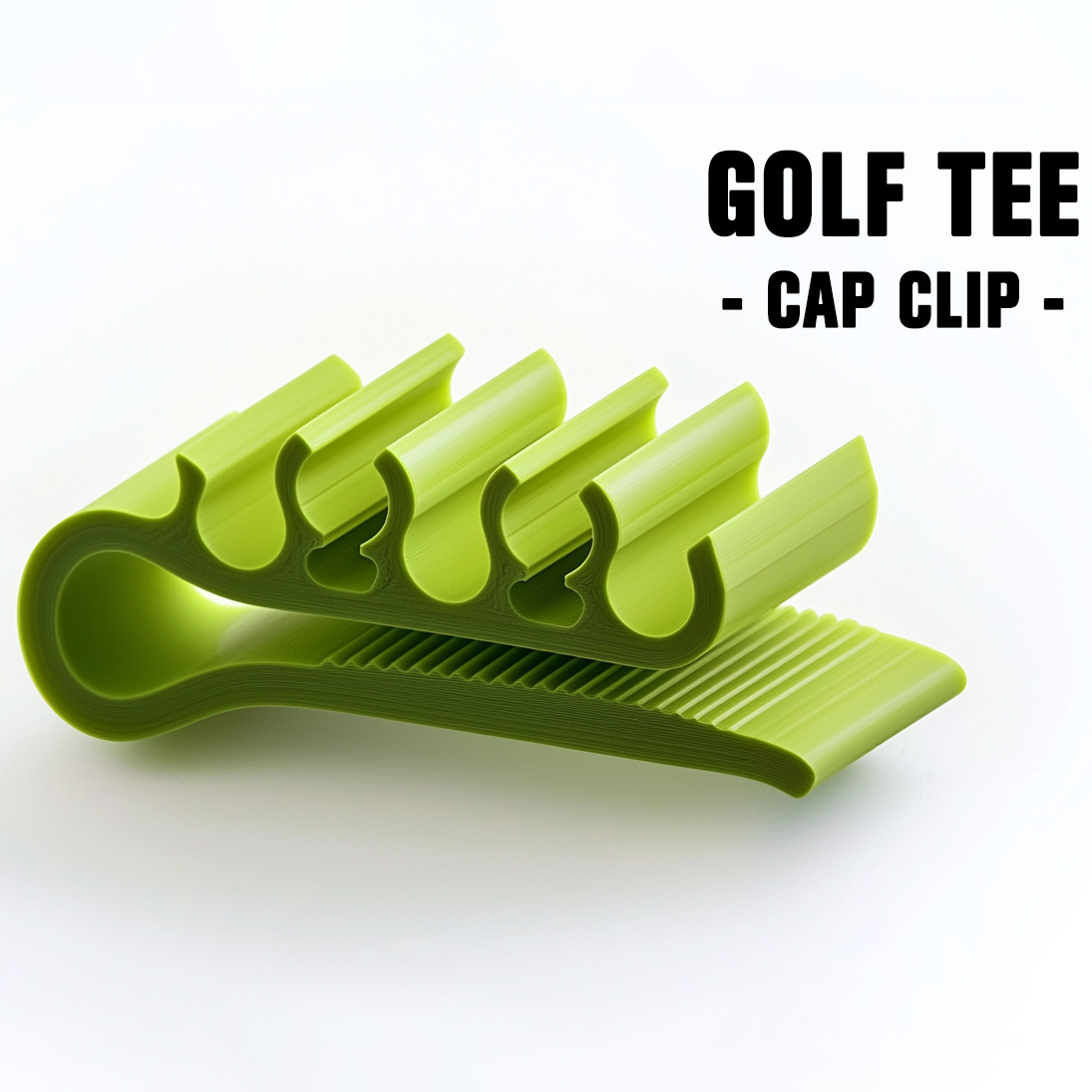
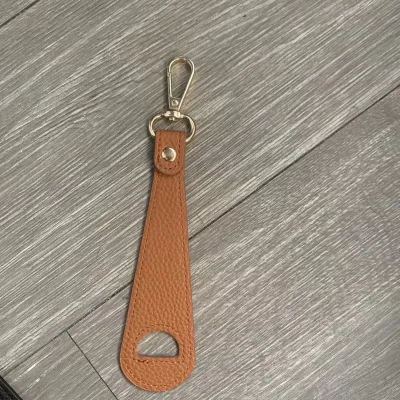
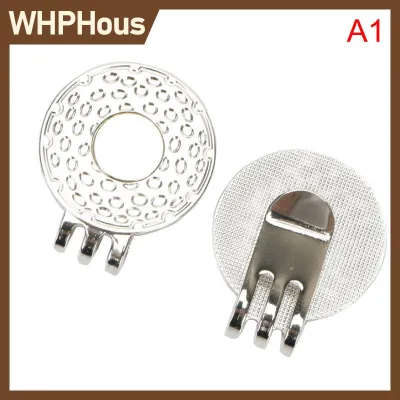
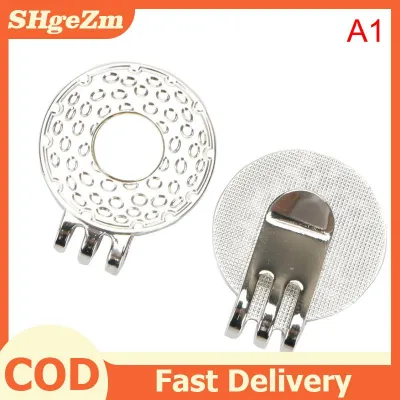
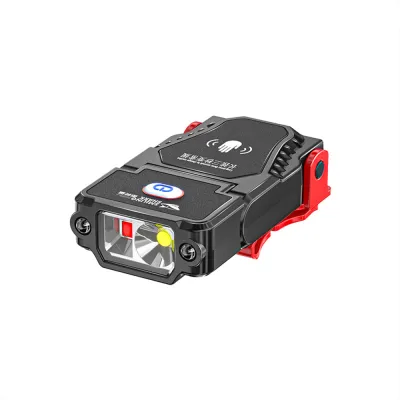
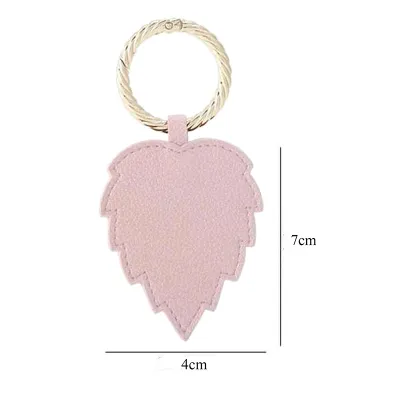
Prices are valid at publication and may change. Please refer to the product page for the latest price.
Magnetic closures are among the most popular designs due to their exceptional ease of use and quick-release functionality. These systems typically consist of a base clip that slides onto the cap brim and a separate, magnetized ball marker that clings to the base. When you need to mark your ball, you simply slide or pull the marker off the base with one hand, minimizing disruption to your pre-putt routine. However, the effectiveness of this style relies heavily on the quality and strength of the magnet. If the magnetic pull is too weak, a sudden jar or a brush against your golf bag can knock the marker loose. Conversely, an excessively strong magnet can make it difficult to detach the marker, often pulling the entire base clip off the brim in the process.
Spring-loaded clasps and alligator clips offer a highly secure mechanical grip, making them excellent choices for golfers who play on windy courses or navigate rugged terrain. These clips utilize a small internal spring to force two textured jaws together, biting down on the cap fabric. This active clamping force is highly effective at preventing slippage, even on thick or textured brims. When evaluating spring-loaded options, it is important to check the tension of the spring and the design of the jaws. Extremely high tension can crush delicate performance fabrics or leave permanent indentations on structured brims, while weak springs will quickly fail under the vibration of a full swing. Additionally, the moving parts in these clips introduce potential failure points, as springs can lose their elasticity or accumulate dirt and sweat over time.
Slide-on and sleeve designs represent the most minimalist approach to hat clips. These are typically single-piece metal or plastic bands bent into a tight “U” shape that slides directly over the edge of the brim. Because they lack moving parts or separate magnets, they offer an incredibly low-profile fit that sits almost flush with the cap. This design is highly favored by golfers who prefer a clean, distraction-free look. However, slide-on clips are the least forgiving when it comes to sizing. They rely entirely on the physical gap of the clip matching the exact thickness of your cap’s brim. If the brim is too thick, forcing the clip on will permanently bend or stretch the metal, ruining its grip. If the brim is too thin, the clip will lack the necessary friction to stay in place and will easily slide off during play.
Each of these mechanisms presents distinct trade-offs between security, ease of removal, and potential fabric wear. Magnetic clips offer unmatched convenience but require a multi-piece setup that can be lost if the magnet fails. Spring clasps provide maximum security but add bulk and can pinch delicate fabrics. Slide-on sleeves are sleek and durable but require a precise match with your cap’s dimensions to function correctly.
Matching the Clip to Your Golf Cap Brim Material
A hat clip does not exist in a vacuum; its performance is entirely dependent on the cap it is attached to. Modern golf caps are constructed from a wide variety of materials, ranging from traditional heavy cotton twill to ultra-lightweight, moisture-wicking synthetic polyesters. Understanding how these different fabrics and brim structures interact with your clip is essential for preventing damage to your gear and ensuring a secure fit.

The rigidity of the cap’s brim insert plays a major role in how well a clip performs. Most structured golf caps feature a stiff plastic or cardboard insert inside the brim to maintain its curved shape. This rigid foundation is ideal for slide-on clips and magnetic bases, as it prevents the clip from twisting or shifting. However, if you prefer flexible, packable sun hats or lightweight running-style golf caps, the brim may lack this internal support. On a soft, flexible brim, a heavy metal clip can cause the fabric to sag or fold under the weight. This sagging not only looks untidy but can also pull the brim down into your line of sight during your swing, or cause the clip to slide off entirely as the fabric flexes.
Fabric thickness is another critical variable that dictates clip compatibility. Lightweight performance caps designed for tropical heat are incredibly thin, often featuring single-layer synthetic panels. Standard slide-on clips will often fail to grip these thin materials, sliding around or falling off with minimal movement. To use a clip on a thin performance cap, you must look for options with adjustable tension, rubberized interior grips, or specialized low-profile magnetic backings. On the other end of the spectrum, heavy cotton twill, canvas, or wool-blend caps have thick, padded brims. Forcing a standard slide-on clip onto these thick materials can stretch the metal beyond its elastic limit, rendering it useless for thinner caps in the future. For thick brims, a spring-loaded clasp with a wide jaw capacity is usually the safest and most reliable choice.
The structure of the cap’s crown also influences where and how you can position your clip. Structured crowns, which feature a stiff buckram backing behind the front panels, help keep the cap stable on your head even when loaded with accessories. Unstructured crowns conform closely to the shape of your head and are highly flexible. If you attach a heavy or bulky clip to the brim of an unstructured cap, the weight can distort the front of the cap, pulling the fabric taut against your forehead and causing localized pressure points. This can lead to discomfort or headaches over the course of a long, hot round of golf.
To avoid these issues, always check the manufacturer’s specifications for maximum and minimum brim thickness limits before making a purchase. Many high-quality accessory brands will list the exact millimeter clearance of their clips, allowing you to measure your cap’s brim with a ruler or calipers beforehand to ensure a perfect match.
Evaluating Clip Body Materials and Durability
Because golf is an outdoor sport played in all weather conditions, the materials used to construct your hat clip will directly impact its lifespan and performance. From intense tropical sunlight to sudden downpours and constant exposure to salty sweat, a golf hat clip must withstand a harsh environment. Choosing the right material ensures your clip remains functional and attractive season after season.
Metals are the traditional choice for hat clips, offering a premium feel and excellent structural integrity. However, not all metals are created equal when it comes to outdoor durability. Stainless steel is highly regarded for its exceptional strength and superior corrosion resistance. It is particularly well-suited for humid coastal golf courses, where salt-laden air can rapidly corrode lesser metals. Aluminum is another excellent option, prized for its incredibly lightweight properties and natural resistance to rust. While aluminum is highly durable, it is softer than stainless steel, meaning anodized or coated aluminum clips can scratch more easily if they rub against other metal tools in your bag. Zinc alloy is frequently used for decorative or custom-designed clips because it is easy to cast into intricate shapes. While zinc alloy is cost-effective, it must be high-quality and properly plated to prevent tarnishing, pitting, and corrosion over time.
Plastics and advanced polymers offer a lightweight, highly practical alternative to metal clips. High-quality polymer clips are completely immune to rust and corrosion, making them an excellent choice for golfers who frequently play in wet or highly humid conditions. They are also less likely to scratch or damage delicate cap fabrics during installation. However, plastic clips carry a significant risk of UV degradation. Prolonged exposure to the intense ultraviolet rays of the sun can cause cheap plastics to become brittle over time. A plastic clip that has spent months baking in the sun can easily crack or snap when you attempt to slide it onto a thick cap brim.
Silicone and rubber coatings are increasingly common on premium hat clips, providing a protective layer over a metal or plastic core. These coatings offer two major benefits: they significantly increase friction, preventing the clip from sliding off slippery synthetic performance fabrics, and they act as a soft cushion that prevents the hard edges of the clip from scratching, staining, or tearing your cap’s material. This is especially valuable if you wear expensive, branded golf caps that you want to keep in pristine condition.
When shopping for a hat clip, it is wise to verify material claims by carefully reading product labels and care instructions rather than relying solely on vague marketing descriptions like “rust-proof” or “all-weather.” Look for specific material designations, such as marine-grade stainless steel or UV-stabilized polymers, to ensure you are getting a product built to last.
Weight, Balance, and Profile Considerations
While a hat clip is a small accessory, its physical footprint, weight, and balance can have a surprisingly large impact on your comfort and performance on the golf course. A poorly balanced clip can turn a minor convenience into a constant source of distraction during your round.
Weight distribution is a key factor to consider, especially during a dynamic movement like a golf swing. A heavy metal clip positioned on the side of your cap’s brim creates an asymmetrical weight distribution. During a high-speed swing, this uneven weight can cause the cap to shift, wobble, or pull slightly to one side. Even a minor shift can disrupt your focus or alter your line of sight at the critical moment of impact. To maintain cap stability, look for lightweight clips that keep the center of gravity as close to the mounting point on the brim as possible, minimizing the leverage effect.
Low-profile designs are highly beneficial for minimizing snag risks and maintaining a clean aesthetic. A bulky, protruding clip can easily catch on your golf towel, the straps of your golf bag, or low-hanging branches when you are searching for a ball in the trees. A low-profile clip sits flush against the brim, reducing the likelihood of accidental detachment. Additionally, a sleek design ensures the clip does not block your peripheral vision when you are looking down at the ball, allowing you to maintain a clear, unobstructed view of your target.
Evaluating the physical footprint of the clip is also important for comfort. A clip with a large surface area can press uncomfortably against your temple or forehead, especially if your cap fits snugly. Reading user feedback and checking the physical dimensions of the clip can help you gauge whether a particular model is likely to cause discomfort during extended wear.
Pre-Purchase Compatibility Checklist
Before purchasing a new hat clip, taking a few minutes to run through a quick compatibility checklist can save you the hassle of dealing with returns or damaged gear. Use this framework to verify that your chosen clip will work seamlessly with your existing equipment.
First, measure the thickness of your golf cap’s brim. You can do this easily by placing a ruler against the edge of the brim or using a pair of calipers for a more precise reading. Compare this measurement against the clip’s stated capacity or gap width. If the clip’s opening is smaller than your brim’s thickness, look for an adjustable clasp or a model designed specifically for thicker materials.
Second, consider any potential magnetic interference. If you rely on medical devices such as pacemakers or implantable cardioverter-defibrillators (ICDs), or if you carry highly sensitive electronic equipment, be aware that some hat clips use powerful neodymium magnets. Check the product packaging for magnetic safety warnings and consult your medical professional if you have concerns about using magnetic accessories close to your body.
Third, evaluate your options across different ₱ price tiers. While basic plastic clips are highly affordable, investing a bit more in a high-quality stainless steel or anodized aluminum clip can provide much better long-term value. A durable, corrosion-resistant clip will survive the humid tropical climate and frequent washings, saving you the cost of constant replacements.
Finally, always review the retailer’s return policy, especially when buying online. Because cap designs and brim thicknesses vary widely across different brands, there is always a small chance that a clip may not grip your specific cap as expected. A flexible return policy allows you to test the fit at home and exchange the clip if it does not provide a secure, comfortable hold.
Frequently Asked Questions (FAQ)
Can a magnetic hat clip interfere with golf rangefinders or electronics?
The small magnets typically used in golf hat clips are generally not powerful enough to cause permanent damage to modern golf rangefinders, GPS watches, or smartphones under normal use. However, placing a high-strength magnetic clip directly against a sensitive electronic compass or digital screen can cause temporary calibration errors or screen distortion. To prevent any potential issues, it is best to store your magnetic accessories in a separate pocket of your golf bag away from your electronic devices when they are not in use, and always check your device’s user manual for specific magnetic proximity guidelines.
How do I clean a metal hat clip without damaging the cap?
To clean your hat clip safely, always detach it from your cap first to prevent moisture and cleaning agents from soaking into the brim’s internal stiffener, which can warp or degrade if wet. Wipe the metal clip down with a soft microfiber cloth dampened with a mild solution of warm water and a drop of gentle dish soap to remove sweat, salt buildup, and dirt. Avoid using harsh chemical solvents or abrasive pads, as these can strip away protective platings or damage silicone coatings. Ensure the clip is completely dry before reattaching it to your cap to prevent rust formation or mold growth on the fabric.
Community discussion
Share your experience or ask a question. Comments are reviewed before publication.