
Selecting the right hex dumbbell pair requires looking beyond the surface to evaluate structural safety, material durability, and ergonomic design. A high-quality pair serves as the cornerstone of a versatile home gym, providing a stable platform for both traditional lifting and dynamic floor-based movements. Making an informed choice involves inspecting how the dumbbell is constructed, understanding how its materials respond to your local environment, and ensuring the grip matches your physical needs.
In tropical climates like the Philippines, environmental factors play a significant role in the lifespan of fitness equipment. High relative humidity and ambient salt air can rapidly corrode exposed metal components, while intense heat can accelerate the degradation of low-grade rubber coatings. By focusing on key quality indicators during your selection process, you can avoid common pitfalls such as premature rusting, structural failure, and unpleasant chemical odors in your workout space.
Core Design Benefits and Stability Checks
The defining feature of a hex dumbbell is its six-sided head design, which offers distinct functional advantages over traditional round dumbbells. This hexagonal shape prevents the weights from rolling across the floor when set down, keeping your workout area organized and safe. More importantly, the flat facets provide a highly stable base for floor-based bodyweight exercises, such as renegade rows, dumbbell push-ups, and plank transfers. Performing these movements on round dumbbells introduces a severe risk of rolling, which can lead to sudden wrist hyperextension or loss of balance.
Products mentioned in this guide
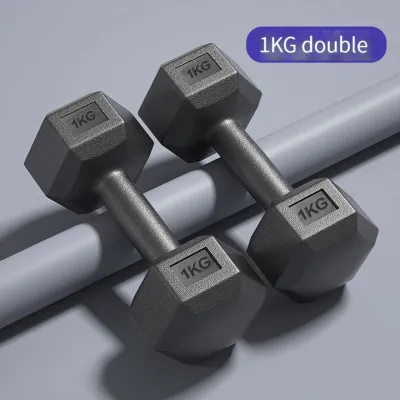
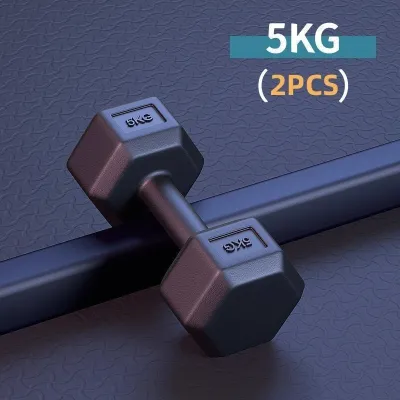
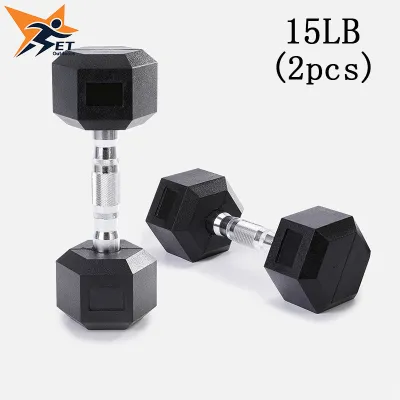
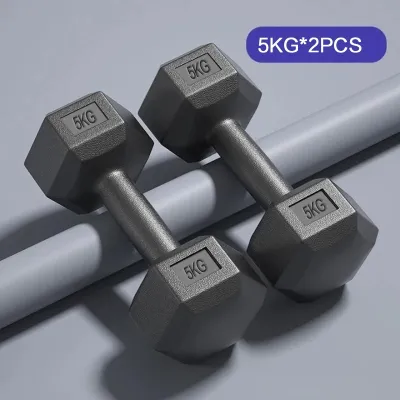
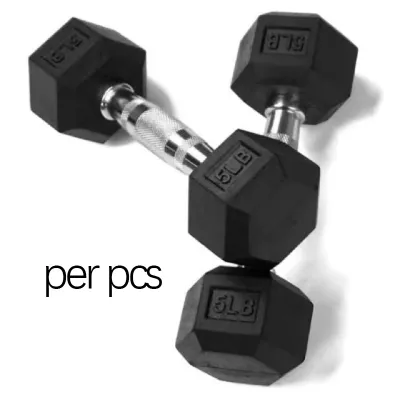
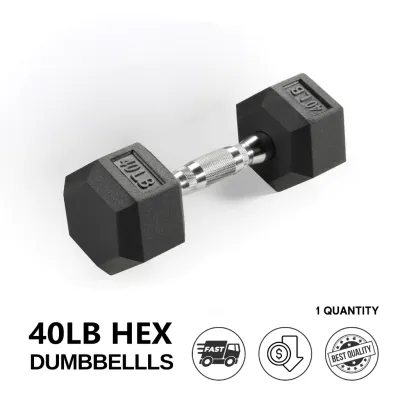
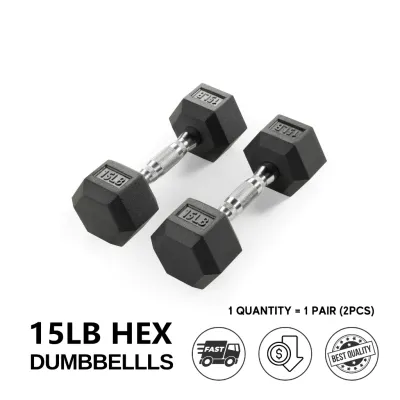
Prices are valid at publication and may change. Please refer to the product page for the latest price.
When evaluating a hex dumbbell pair, you must inspect the flatness and uniformity of these hexagonal edges. Poorly cast iron or unevenly molded rubber coatings can result in slightly rounded or warped facets. If the edges are not perfectly flat, the dumbbell may wobble when you place your weight on it during a push-up, defeating the safety benefits of the design. Furthermore, flat, uniform edges are essential for stable stacking and storage, allowing you to place the dumbbells securely on flat shelves or dedicated racks without the risk of them shifting or falling.
The most critical safety inspection point on any hex dumbbell is the connection joint between the steel handle and the heavy heads. In standard manufacturing, the handle ends are knurled and mechanically joined or friction-welded inside the cast iron heads before the outer coating is applied. You should closely examine this collar area for any visible molding defects, gaps, or uneven seams. A weak connection can cause the heads to wobble, spin, or eventually detach during dynamic movements like dumbbell swings or overhead presses. To verify structural integrity before use, hold one head firmly in each hand and attempt to twist them in opposite directions; any play or movement indicates a defective joint that poses a serious safety hazard.
Material, Coating, and Odor Considerations
The exterior material of your hex dumbbell pair dictates its durability, floor protection capabilities, and suitability for your training environment. Bare cast iron dumbbells are incredibly durable and offer a classic, rugged aesthetic, but they provide zero protection for your floors and can chip easily if bumped together. Once the protective paint or enamel chips away, the exposed iron is highly vulnerable to rust, especially in humid tropical conditions. Consequently, coated options are generally preferred for home gyms where floor preservation and noise reduction are priorities.

Rubber-encased hex dumbbells are the industry standard for home and commercial use because they cushion impacts, reduce noise, and protect tiled or wooden floors from scratches. However, the quality of the rubber matters immensely. Budget-friendly options often utilize recycled rubber, which undergoes a vulcanization process that can leave a strong, pungent chemical odor. This off-gassing can fill a small, poorly ventilated room with a persistent “car tire” smell that is difficult to eliminate. To avoid this, look for product specifications that explicitly claim low-odor properties, or opt for virgin rubber or polyurethane (urethane) coatings. Urethane is a premium alternative that is virtually odorless, highly resistant to tearing, and does not degrade or become sticky when exposed to sunlight or sweat.
Maintaining your dumbbells in a humid climate requires consistent care to prevent the degradation of both the coating and the underlying metal. Sweat contains corrosive salts that can eat through protective finishes and cause rust to form along the handle and the head joints. After every workout, you should wipe down the entire surface of the dumbbells with a dry microfiber cloth to remove moisture. Additionally, avoid storing rubber or urethane-coated dumbbells in direct sunlight, such as near a window or in an open garage, as prolonged UV exposure can dry out the material, leading to cracking, fading, and a sticky surface texture over time.
Handle Ergonomics and Weight Progression
The handle of a hex dumbbell is your direct point of contact with the weight, making its ergonomic design crucial for both comfort and safety. Most modern hex dumbbells feature a contoured, or ergonomic, handle shape that is thicker in the middle and tapers toward the ends. This design matches the natural hollow of a closed human hand, distributing pressure more evenly across your palm and reducing grip fatigue during heavy lifts. Straight handles are also available and are preferred by some lifters who want a uniform grip feel, but they require more hand strength to maintain control during high-rep sets.
Knurling—the cross-hatched pattern cut into the steel handle—is another vital feature to evaluate. The depth and sharpness of the knurling determine how secure your grip will be when your hands inevitably get sweaty. A passive, shallow knurling pattern can feel smooth and slippery, forcing you to grip harder and potentially lose control of the weight. Conversely, an overly aggressive, sharp knurling pattern can dig painfully into your skin, leading to tears and severe calluses. For general strength training, a medium knurling pattern offers the ideal balance, providing a secure grip without causing excessive discomfort.
When selecting your hex dumbbell pair, you must also consider the handle length and diameter in relation to your hand size and exercise selection. The handle diameter typically increases as the weight of the dumbbell increases, ranging from around 28 millimeters for lighter weights to 35 millimeters or more for heavier pairs. Ensure the handle length provides enough clearance for your hand to fit comfortably between the heads without rubbing against the collars. A slightly longer handle is also beneficial if you plan to perform two-handed exercises, such as goblet squats or overhead tricep extensions, where you may need to cup the handle or the inner head with both hands.
Planning your weight progression is essential for achieving long-term fitness goals through progressive overload. If you are purchasing a single pair, choose a weight that challenges you within your target repetition range for your primary exercises while allowing you to maintain perfect form. For those building a collection over time, selecting standard weight increments—such as 2.5-kilogram or 5-pound jumps—ensures a smooth transition as your strength increases. Avoid making excessively large jumps in weight, as this can stall your progress and increase the risk of injury due to compromised lifting mechanics.
Building Your Shortlist and Verifying Quality Before Purchase
To ensure you receive a high-quality product that matches your expectations, you should establish a systematic verification process before making a purchase on any ecommerce platform. Start by cross-referencing the stated weight accuracy and tolerance levels provided in the product description. Budget dumbbells can have a weight variance of up to 10%, meaning a dumbbell labeled as 10 kilograms could actually weigh significantly more or less. Premium brands typically guarantee a much tighter weight tolerance, often within 1% to 3% of the stated weight, ensuring balanced loading during your workouts.
Before finalizing your order, carefully review the seller’s return policies and warranty terms. Shipping heavy fitness equipment can be expensive, so it is crucial to understand who covers the return shipping costs if the product arrives damaged or defective. Look for warranties that specifically cover manufacturing defects, such as loose heads, cracked welds, or peeling coatings, rather than standard wear and tear. A reputable seller should offer a clear, hassle-free return window for items that fail to meet basic quality standards upon arrival.
Once your hex dumbbell pair is delivered, perform a thorough physical inspection before using them for a workout. First, place each dumbbell on a digital scale to verify that the actual weight falls within an acceptable tolerance range. Next, shake each dumbbell gently near your ear; any rattling sounds indicate loose metal fragments or a compromised internal joint. Inspect the entire surface for sharp mold lines, rough metal edges, or uneven rubber seams that could scratch your skin or damage your flooring. Finally, place the dumbbells on a flat surface to confirm that they sit perfectly flat without wobbling or rocking.
To compare the overall value of different shortlisted options, you can calculate the price per kilogram using a simple formula. Divide the total price of the dumbbell pair in ₱ by the total weight of the pair in kilograms:
Price per Kilogram = Total Price (₱) / Total Weight (kg)
This calculation standardizes the cost across different brands and weight increments, allowing you to identify which option offers the best value. Be cautious of deals that seem exceptionally cheap compared to the market average, as they often compromise on joint safety, weight accuracy, or coating quality. Investing a bit more in a well-constructed pair ensures a safer, more effective workout experience that will last for years.
Frequently Asked Questions (FAQ)
Can I use hex dumbbells for exercises that require rolling movements?
Hex dumbbells are not suitable for exercises that require smooth rolling across the floor, such as dumbbell rollouts or dynamic floor slides. The flat, six-sided edges are specifically designed to prevent rolling, which will cause the dumbbell to catch, tilt, or jump abruptly during these movements. Attempting to force a hex dumbbell to roll can result in wrist strain or loss of control. For exercises that require rolling, it is highly recommended to use dedicated equipment like an ab wheel, a barbell loaded with round plates, or sliding discs designed for floor use.
How do I clean and maintain rubber-coated hex dumbbells?
To clean rubber-coated hex dumbbells, wipe them down regularly with a soft microfiber cloth dampened with warm water and a few drops of mild dish soap. Avoid using harsh chemical solvents, bleach, or alcohol-based cleaners, as these substances can break down the rubber compound, causing it to dry out, crack, or become sticky. After wiping down the rubber heads, pay special attention to the steel handles; dry them thoroughly with a clean towel to prevent moisture from causing rust. Storing your dumbbells in a dry, well-ventilated indoor area away from direct sunlight will further extend the lifespan of the rubber coating.
Is it better to buy a fixed hex dumbbell pair or an adjustable set?
Deciding between a fixed hex dumbbell pair and an adjustable set depends on your available space, budget, and training style. Fixed hex pairs offer unmatched durability, a highly secure structure, and the convenience of quickly dropping them or transitioning between exercises without adjusting pins or dials. They are ideal for high-intensity workouts where equipment is handled roughly. However, they require significant storage space and become expensive as you buy more pairs. Adjustable sets are highly space-efficient and cost-effective because they pack multiple weight increments into a single pair, making them excellent for small apartments, though they are generally more fragile and require time to change weights between sets.
Community discussion
Share your experience or ask a question. Comments are reviewed before publication.