
Selecting the right hydration belt depends on matching your typical running distance, the terrain you traverse, and your personal sweat rate to the belt’s fluid capacity, storage volume, and stability. A belt that works perfectly for a quick loop around an urban park will likely fall short on a remote mountain trail where clean water sources are non-existent. By evaluating your route’s isolation, the local climate, and how much gear you need to carry, you can find a waist pack that stays secure without bouncing or causing painful chafing.
Identify Your Running Scenario: Distance and Terrain
Every run presents a unique set of physical demands, and your gear must adapt to those specific challenges. When planning your setup, the primary variables to evaluate are your total route distance, the expected elevation changes, and the surface type underfoot. Paved roads allow for a smooth, predictable stride, whereas uneven trails require constant lateral movement, high steps, and sudden shifts in balance that can easily cause a poorly fitted belt to slide or bounce.
In the tropical climate of the Philippines, high temperatures and intense humidity significantly accelerate sweat rates, making consistent fluid intake a safety priority rather than a mere convenience. Runners in local conditions often lose fluids much faster than those in temperate zones, meaning even relatively short runs require a reliable hydration strategy. Dehydration can set in rapidly during midday training sessions or long weekend runs, making it essential to carry adequate water or electrolyte mixes.
Products mentioned in this guide
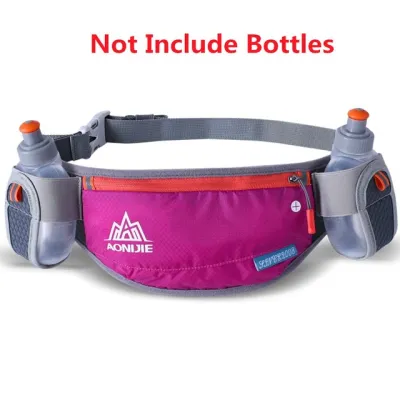
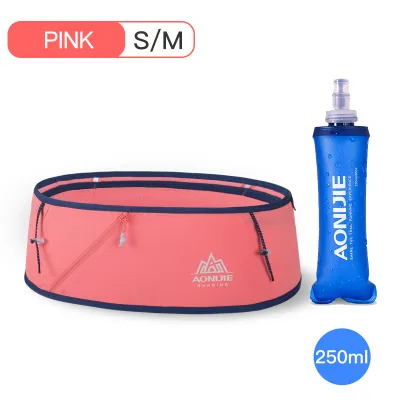
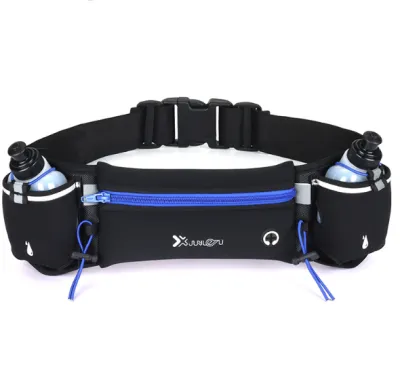
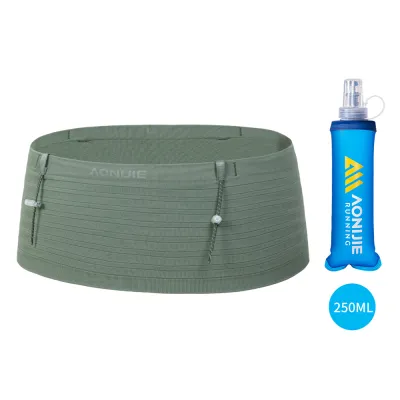
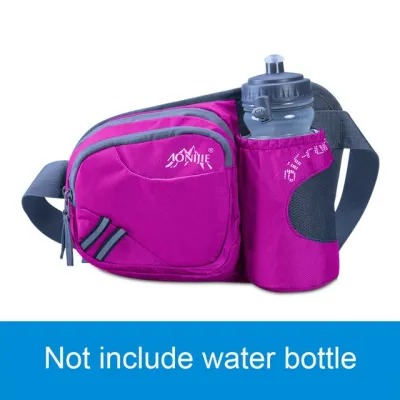
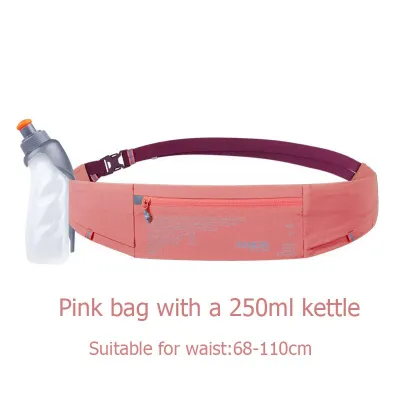
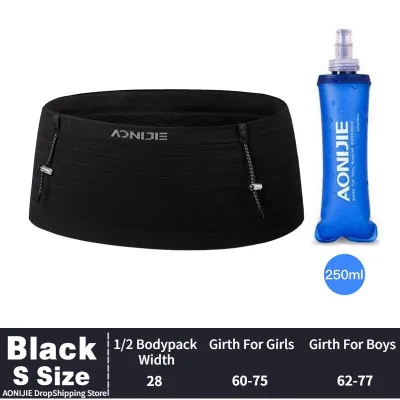
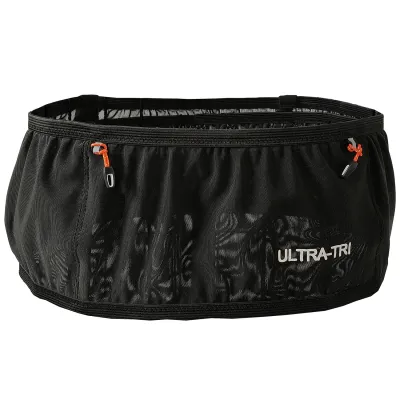
Prices are valid at publication and may change. Please refer to the product page for the latest price.
To determine your specific needs, perform a quick self-assessment of your typical running routine. Ask yourself whether your routes are primarily short, urban paths with easy access to convenience stores, or isolated trail loops where you must be entirely self-sufficient. If your runs regularly exceed an hour or take you into areas without clean drinking water, your gear requirements will shift toward higher fluid capacities and expanded storage.
Match Bottle Capacity and Storage to Your Route
The relationship between your run duration, expected sweat loss, and the fluid volume you carry dictates the physical size of your hydration belt. As a general guideline, longer runs in warm conditions demand more frequent sips, which translates directly to larger or multiple bottles. However, carrying water adds significant weight—one liter of water weighs exactly one kilogram—meaning you must carefully balance your hydration needs against the physical effort of carrying that extra load around your waist.

Storage capacity is another critical factor that depends heavily on how isolated your route is. On remote trails, you must carry not only your fluids but also nutrition gels, a smartphone, keys, basic first aid supplies, and perhaps a lightweight emergency whistle or windbreaker. On urban routes, you can often minimize this cargo since help or shelter is rarely far away.
The ultimate trade-off when choosing a belt is between carrying capacity and comfort. A bulky belt loaded with heavy bottles and packed pockets can alter your running gait, increase core temperature by trapping heat around your waist, and cause friction against your skin. Selecting a belt with just enough capacity for your target distance—rather than overpacking “just in case”—keeps your stride natural and efficient.
Short Road Runs and Urban Routes
For runs lasting under an hour on paved streets or neighborhood paths, a minimalist hydration belt is usually the most comfortable and efficient choice. These routes typically offer opportunities to stop at local shops or public water fountains if needed, allowing you to carry a smaller volume of water. A single small bottle or flask, ranging from 250 to 350 milliliters, is often sufficient to keep your mouth dry and maintain hydration until you return home.
Minimalist belts focus on a low-profile design that hugs the small of your back or sits flat against your hips. The storage pockets on these belts are streamlined, designed to hold only a smartphone, a house key, and perhaps a single energy gel or some emergency cash (such as a ₱100 or ₱500 bill for unexpected stops). This keeps the overall weight exceptionally low and prevents the belt from shifting during high-tempo workouts or interval sessions.
When selecting a short-distance belt, look for quick-access bottle holsters that feature a rigid or semi-rigid opening. This design allows you to slide the bottle out with one hand, take a quick drink without breaking your stride, and blind-insert it back into the holster securely. Elastic retention loops can also help keep the bottle from launching out of the holster when you pick up your pace on flat pavement.
Long Distance and Trail Running
When you transition to long-distance road runs or venture onto rugged wilderness trails, your hydration and storage requirements increase dramatically. Trail running often involves hours of continuous movement far from any resupply points, where sudden weather changes or minor injuries can turn a simple run into a prolonged outdoor challenge. For these scenarios, a high-capacity belt capable of carrying 500 to 1000 milliliters of fluid is highly recommended.
To carry this volume comfortably, look for belts that distribute the weight evenly around your waist rather than concentrating it in a single heavy bottle at the back. Many trail-specific belts utilize dual-bottle designs, positioning smaller flasks on either side of your hips, or feature wide, elasticized sleeves that hold soft flasks flat against your body. This even distribution minimizes the pendulum effect that occurs when a single heavy bottle swings side-to-side with every stride.
In addition to water, trail belts must accommodate a wider array of gear. Look for models with expanded zippered pockets, mesh drop-in sleeves, and external attachment loops or bungee cords. These features allow you to carry energy bars, salt tablets, a compact headlamp, an emergency space blanket, and even collapsible running poles. The belt should feature durable, weather-resistant fabrics to protect your electronics and nutrition from sudden tropical downpours or heavy sweat.
Evaluate Fit, Comfort, and Bounce Control
No matter how much water or gear a belt can carry, it will quickly become unusable if it bounces, slips, or chafes your skin. Achieving a stable fit starts with measuring your body correctly. Many runners make the mistake of measuring their natural waist, but running belts are designed to sit lower down, wrapping around the top of the hips and glutes where the body’s skeletal structure provides a natural shelf to support the weight.
Look for belts that offer highly adjustable strap mechanisms, heavy-duty hook-and-loop closures, or secure buckles that do not slip under tension. Elasticized materials are particularly beneficial because they expand and contract slightly as you breathe and move, preventing the belt from feeling constrictive during deep diaphragmatic breathing while maintaining a snug grip on your hips. Soft, moisture-wicking mesh backings are also essential to reduce friction and allow heat to escape, minimizing the risk of painful chafing.
Before heading out on a long run, test the belt’s fit at home by filling the bottles to their maximum capacity and packing your usual gear. Put the belt on, secure it snugly, and perform a few jumping jacks or run in place. If the belt bounces excessively or slides upward toward your waist, try adjusting the tension or shifting its position slightly lower on your hips. Remember that as you drink the water during your run, the belt will become lighter, so you may need to make quick adjustments on the go to maintain a secure fit.
Cross-Scenario Compatibility: Can One Belt Do It All?
For runners who split their time between short neighborhood jogs and long weekend trail adventures, investing in multiple specialized belts can be expensive. Fortunately, modular hydration belt systems offer a versatile middle ground. These systems feature removable bottle holsters, detachable gear pouches, and customizable straps, allowing you to strip the belt down to a minimalist waist pack for short runs or load it up with extra flasks and pockets for long-distance trail sessions.
However, modular systems do have limitations. A heavy-duty trail belt, even when stripped of its extra pockets, is often wider, thicker, and heavier than a dedicated minimalist belt, which can feel hot and bulky during fast speed workouts. Conversely, a lightweight, stretchy urban belt cannot support the weight of multiple heavy bottles or bulky trail gear without sagging, bouncing, or tearing the elastic seams.
If you are on a budget and need to prioritize a single purchase, evaluate your most frequent running scenario. If eighty percent of your runs are under an hour on local roads, choose a comfortable, high-quality minimalist belt and plan to use a hydration vest or backpack for those rare, longer trail excursions. If you regularly tackle rugged terrain and long distances, prioritize a robust, stable trail belt with excellent weight distribution, as its capacity and security are vital for your safety in isolated environments.
Frequently Asked Questions (FAQ)
How tight should a running hydration belt be?
A running hydration belt should be snug enough to remain firmly anchored on your hips without bouncing, but not so tight that it restricts your breathing or pinches your skin. To check the fit, slide two fingers under the belt; you should feel firm pressure, but still be able to move your fingers easily. Keep in mind that your body shape and clothing can shift slightly as you warm up and sweat, so you may need to tighten the straps slightly after the first ten to fifteen minutes of your run to maintain optimal stability.
Can I use a hydration belt for hiking or gym workouts?
Yes, running hydration belts are highly versatile and work exceptionally well for fast-paced hiking, power walking, or short day treks where a full backpack is unnecessary. However, they are generally less practical for indoor gym workouts. In a gym setting, stationary water bottles can easily be placed on the floor or equipment holders, and wearing a loaded belt during weight training or core exercises can restrict your range of motion and cause discomfort. For outdoor activities, look for belts made from durable, abrasion-resistant fabrics that can withstand occasional contact with branches or rocks.
Community discussion
Share your experience or ask a question. Comments are reviewed before publication.