
Choosing the right jigging rod depends on matching the rod’s power, action, and length to your target species, water depth, and preferred jigging style. In tropical marine environments, where you might target hard-fighting pelagics or deep-dwelling reef species, selecting a rod with the correct specifications ensures you can work the lure effectively without suffering structural failure or physical fatigue.
Decoding Power and Line Rating for Target Species
Rod power refers to the blank’s resistance to bending and dictates the weight of the metal jigs you can bounce through the water column. Manufacturers classify jigging rods from ultra-light to extra-heavy, with each category designed to handle a specific range of jig weights. If you use a rod that is too light for your jig, the blank will over-flex, dampening the action of your lure and leaving you underpowered when a large fish strikes. Conversely, an overly stiff rod will make light jigs bounce unnaturally and strain your arms during long sessions.
Line ratings on jigging rods are commonly expressed as PE ratings (based on Japanese polyester line diameters) or standard pound-test limits. This rating indicates the optimal strength of the braided mainline the rod is engineered to support. Matching your line to the rod’s rating ensures that the blank bends as intended under load, distributing pressure evenly along its length rather than concentrating stress on a single point.
Products mentioned in this guide
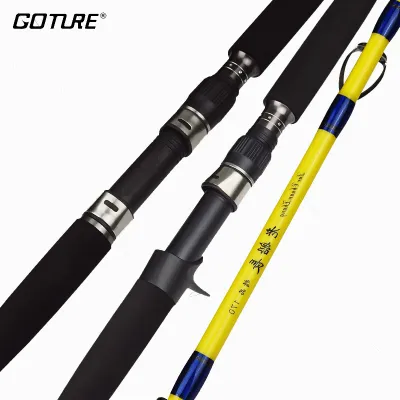
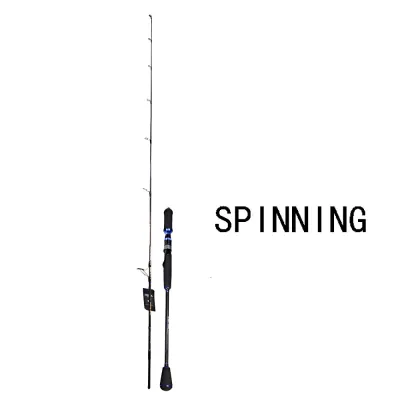
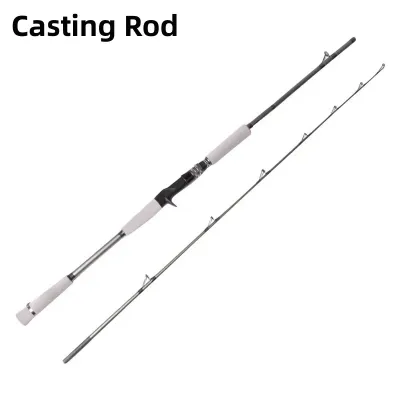
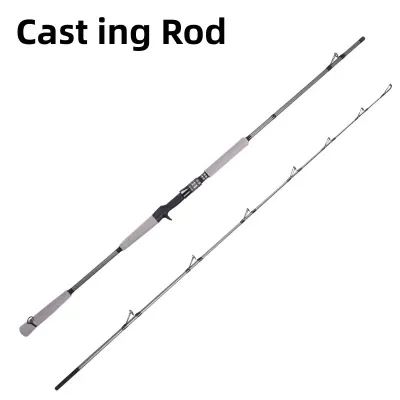
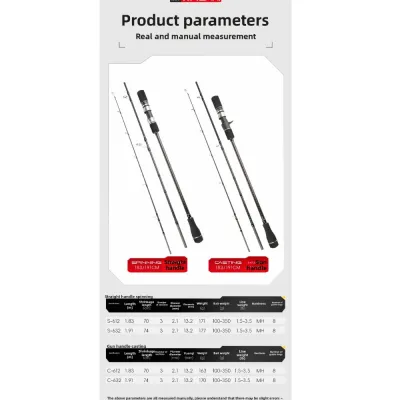
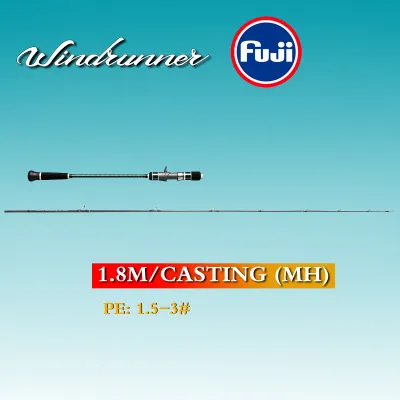
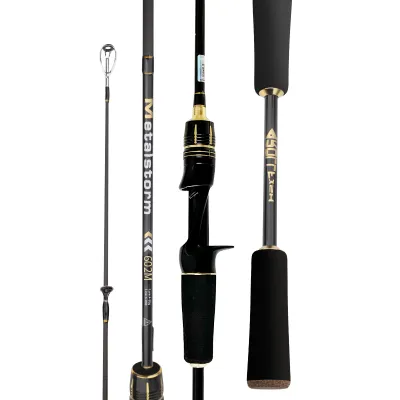
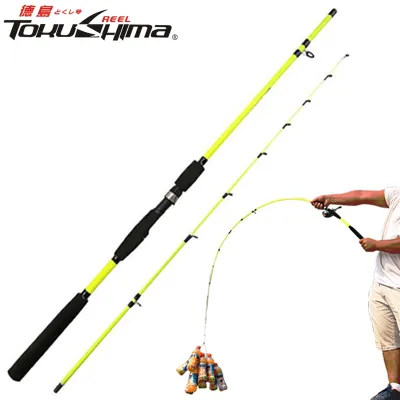
Prices are valid at publication and may change. Please refer to the product page for the latest price.
To prevent catastrophic structural failure during an intense fight, always verify the manufacturer’s maximum drag settings and lifting limits. These specifications are typically printed directly on the rod blank near the foregrip or detailed in the product documentation. Setting your reel’s drag within these recommended parameters protects both your line and your rod from snapping when a powerful predator, such as a giant trevally or dogtooth tuna, makes a sudden downward run.
Matching Rod Action and Taper to Your Jigging Style
Rod action describes where and how easily the blank bends when pressure is applied, as well as how quickly it recovers its straight shape. Fast-action rods bend primarily in the top third of the blank, offering a quick recovery that is ideal for aggressive, high-speed vertical jigging. Moderate and slow-action rods bend much deeper down the blank, sometimes flexing all the way into the butt section to create a parabolic curve.

Your choice of action must align with your preferred jigging technique to ensure the lure moves correctly. For slow-pitch jigging, a slow or moderate-action rod with a highly elastic blank is essential; the slow recoil allows the specialized jig to flutter and fall horizontally, mimicking a wounded baitfish. For high-speed mechanical jigging, a faster tip helps you quickly snap heavy, streamlined jigs upward through the water column with minimal delay.
Evaluating the taper design also helps you balance shock absorption with hook-setting power. A progressive taper, which transitions smoothly from a flexible tip to a highly rigid butt section, absorbs the violent head shakes of large pelagic fish. This built-in cushion prevents the hook from tearing out of the fish’s mouth while still providing the low-end leverage needed to steer a stubborn catch away from sharp coral reefs.
Choosing the Right Length and Handle for Your Environment
The physical length of a jigging rod directly influences your leverage, control, and casting ability. Shorter rods, typically ranging from 5 feet to 6 feet, are the standard choice for vertical boat jigging. Their compact design reduces the physical leverage the fish has over you, making it much easier to pump and lift heavy species from deep water directly beneath the hull.
Longer rods, measuring 7 feet or more, are better suited for shore-based jigging or scenarios where you need to cast your jig away from the boat to cover more water. The extra length provides the tip speed necessary for longer casts and helps you clear obstacles like rocks or the boat’s outboard motor. However, these longer blanks increase the physical strain on your wrists and back during prolonged vertical jigging sessions.
Handle design and materials are critical for maintaining a secure grip in hot, humid, and wet tropical conditions. High-density EVA foam handles are highly favored for their durability, slip resistance, and ease of cleaning after handling bait or fish slime. Ensure the rear grip is long enough to tuck comfortably under your armpit during the jigging motion, as this provides essential leverage and reduces arm fatigue over hours of continuous fishing.
Before finalizing your purchase, consider how the rod’s length interacts with your physical height and your fishing environment. If you fish from a boat with high gunwales, a slightly longer rod may be necessary to keep your line clear of the hull during deep drops. Additionally, verify that the rod’s transport length fits within your vehicle or the boat’s rod storage compartments, especially if you opt for a one-piece blank.
Building Your Final Spec Checklist for Jigging
Selecting the perfect jigging rod requires a systematic approach to ensure all specifications align with your target environment. Begin by identifying your primary target species and the typical depths you will be fishing, as this dictates the weight of the jigs you must deploy. Once you establish your required jig weight range, select a rod power rating that places your target weights comfortably in the middle of the manufacturer’s recommended range.
Next, match the rod’s action to your preferred technique, ensuring you do not pair incompatible styles. A common mistake is attempting to use a stiff, fast-action rod for slow-pitch jigging, which ruins the delicate horizontal flutter of the jig and quickly fatigues the angler. Similarly, overloading a light-power rod with a jig that exceeds its maximum weight limit will prevent the rod from loading properly, severely limiting your control over the lure.
Finally, always inspect the official product label or manufacturer documentation to verify the rod’s intended use limitations and warranty conditions. Look for specific care instructions, such as freshwater rinsing protocols, which are vital for preventing corrosion on guides and reel seats exposed to salty, humid air. Taking the time to cross-reference these specifications ensures your investment performs reliably on the water and lasts for many seasons.
Frequently Asked Questions (FAQ)
Can I use a standard spinning rod for jigging?
While you can physically drop a jig with a standard spinning rod, it is not recommended for dedicated jigging. Standard spinning rods generally lack the specialized blank thickness, reinforced guide wraps, and parabolic lifting power required to repeatedly work heavy jigs and pull large fish vertically from the depths. If you choose to use a general-purpose spinning rod, strictly check its maximum lure weight and line rating first, and stop immediately if the rod begins to creak or bend excessively under the weight of the jig.
What does the PE rating on a jigging rod mean?
The PE rating on a jigging rod is a measurement system based on the diameter of Japanese polyethylene (braided) lines. Rather than representing a direct weight limit, the PE number (such as PE 2, PE 4, or PE 6) tells you the thickness of the braid the rod is designed to handle, which roughly correlates to breaking strengths (for example, PE 3 is often associated with roughly 30 to 40-pound test braid). To maintain the safety margin and performance of your setup, always match your braided mainline’s PE rating to the range specified on the rod blank.
Community discussion
Share your experience or ask a question. Comments are reviewed before publication.