
Finding the right jogging belt bag for women runners in the Philippines requires balancing secure storage with the realities of tropical running. High humidity, sudden downpours, and intense heat mean that a standard waist pack can quickly become a heavy, chafing burden if it is made of the wrong materials or lacks a proper fit. The ideal running belt should feel almost invisible, staying firmly in place on your waist or hips without bouncing, shifting, or trapping excessive body heat. By focusing on breathable fabrics, moisture barriers, and a design tailored to your specific carrying needs, you can keep your hands free and your essentials safe during every run.
Essential Features for Running in Tropical Weather
Running in the Philippines presents unique environmental challenges, primarily high humidity and unpredictable tropical weather. When selecting a jogging belt bag, the material composition is your first line of defense against discomfort and gear damage. Look for lightweight, synthetic fabrics such as nylon, polyester, or Lycra blends that feature moisture-wicking properties. These materials pull sweat away from your skin and dry quickly, which is crucial for preventing chafing and skin irritation along your waistline during long, humid runs.
Water resistance is another non-negotiable feature for local runners. A sudden afternoon shower or heavy morning condensation can easily penetrate standard fabrics, risking damage to your smartphone, car keys, or paper bills. Check the product specifications for water-resistant coatings, polyurethane linings, or specialized waterproof zippers. While few running belts are fully submersible, a highly water-resistant barrier ensures that your electronics and personal items remain dry during a typical tropical downpour.
Products mentioned in this guide
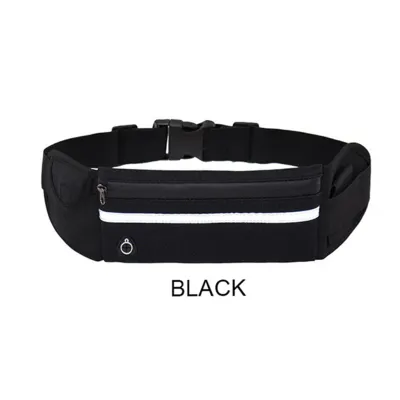
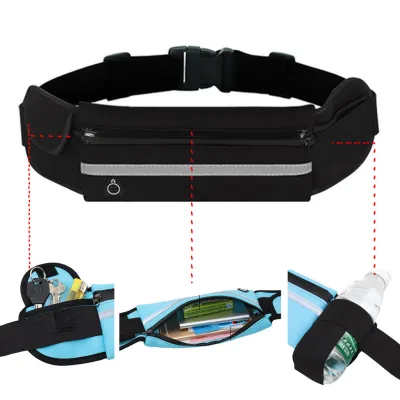
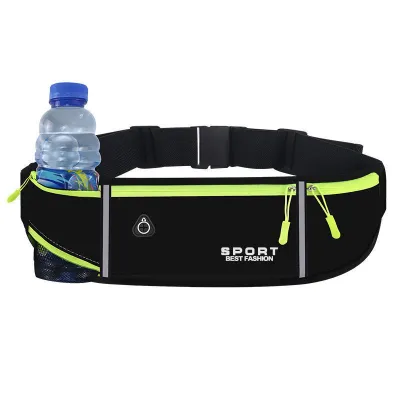
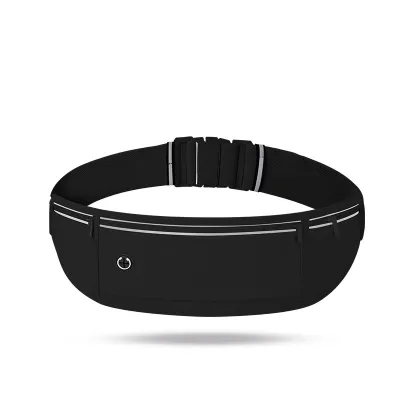
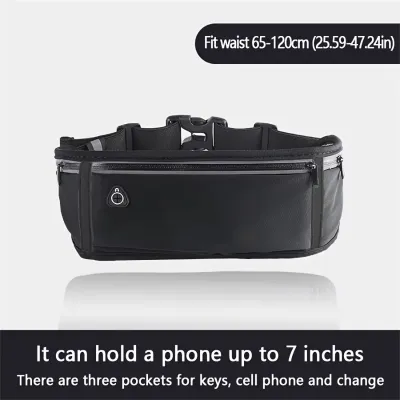
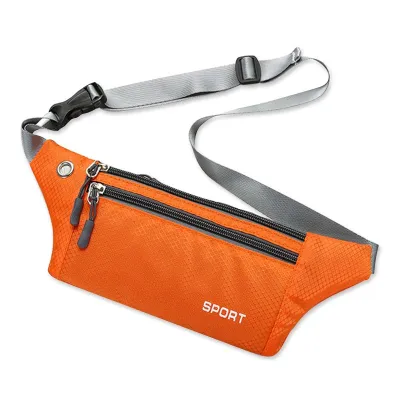
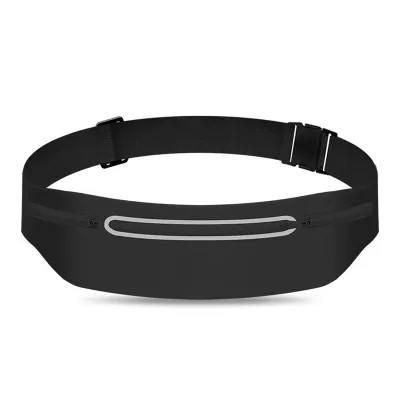
Prices are valid at publication and may change. Please refer to the product page for the latest price.
Visibility is equally important, especially if you prefer running during the cooler hours of the early morning or late evening. Many roads and running paths in urban and suburban areas lack consistent street lighting. To stay safe, prioritize belt bags that incorporate high-visibility reflective strips, logos, or piping. These reflective elements catch the headlights of passing vehicles and motorcycles, making you visible from a distance and significantly improving your safety on the road.
Primary Designs of Jogging Belt Bags to Match Your Run
Not all running belts are structured the same way, and the best design for you depends heavily on what you plan to carry and how you prefer the bag to sit on your body. Different structural designs offer varying levels of storage capacity, adjustability, and stability. Understanding these primary styles allows you to select a belt that matches your running habits, whether you are training for a marathon or enjoying a quick jog around your neighborhood park.

Tube-Style Stretch Belts
Tube-style stretch belts are designed as a continuous, seamless band of elastic fabric that you pull up over your legs or slide down over your head to wear around your waist. This design lacks buckles, plastic clips, or adjustable straps, resulting in an incredibly low-profile and streamlined silhouette. Because the fabric stretches uniformly around your entire torso, it distributes the weight of your items evenly, making it one of the most secure and bounce-free options available for minimal carry.
These belts typically feature multiple slit openings around the band, allowing you to slide in your phone, keys, and cards, which are then held flat against your body by the tension of the elastic. However, because there are no adjustable straps, achieving a perfect fit requires precise sizing. You must measure your waist or hips carefully and compare your measurements against the manufacturer’s specific sizing chart. A tube belt that is too loose will bounce and slide, while one that is too tight will ride up your torso and cause discomfort.
Zippered Buckle Belts
Zippered buckle belts are the traditional choice for runners who value adjustability and easy organization. These belts feature a central pouch—often expandable—secured by an adjustable elastic strap and a heavy-duty plastic buckle. This design makes the belt incredibly easy to put on and take off, and it easily accommodates fluctuations in waist size or changes in the thickness of your running apparel.
The primary advantage of a zippered buckle belt is its organizational capability. Many models offer separate compartments or internal dividers, allowing you to keep your keys from scratching your phone screen and providing quick access to energy gels or salt tablets. However, because the weight is concentrated in a single pouch rather than distributed around the entire waist, these belts can shift or bounce if they are overloaded with heavy items. Adjusting the tension of the strap and positioning the pouch correctly are essential steps to maintain stability during your run.
Hydration Belt Bags
For long-distance runners training in tropical heat, staying hydrated is a constant priority. Hydration belt bags are specifically designed to carry one or two small water bottles in dedicated holsters, alongside a zippered compartment for your personal essentials. This setup is highly beneficial for extended routes where clean water sources or convenience stores are scarce, allowing you to maintain your pace without stopping.
Carrying liquid on your waist introduces unique challenges, as water is heavy and prone to sloshing. To prevent excessive bouncing, hydration belts require careful weight distribution, often placing the bottle holsters at an angle or centering them at the back of the hips. When choosing a hydration belt, look for models with rigid bottle sleeves that allow for easy, one-handed access and reinsertion while running. Keep in mind that these belts add noticeable bulk and weight to your waist, making a snug, high-quality adjustable strap absolutely vital to prevent the belt from sliding down.
How to Achieve a Secure, Bounce-Free Fit
A jogging belt bag can only perform well if it fits your body correctly. A poorly fitted belt will bounce with every stride, leading to painful chafing, distraction, and potential damage to your gear. To achieve a secure, bounce-free fit, start by taking accurate measurements of your body. Do not rely on your standard clothing size; instead, use a flexible measuring tape to measure both your natural waistline and the widest part of your hips, as different runners prefer to wear their belts at different heights. Compare these measurements directly against the manufacturer’s sizing guide for the specific model you are considering.
Once you have the correct size, experiment with the placement of the belt during your initial runs. Some women find that wearing the belt high on the natural waist, just above the belly button, provides the most secure fit because it sits on the narrowest part of the torso and cannot slide down. Others prefer to wear the belt lower, resting flat across the widest part of the hips, which can prevent the belt from riding up during movement. The ideal placement depends on your body shape and the design of your running shorts or leggings.
Before heading out for a long training session, conduct a simple bounce test at home. Load the belt bag with all the items you plan to carry on a typical run, including your phone, keys, and any nutrition. Put the belt on, adjust the tension so it is snug but comfortable, and take a short walk or jog around your living room. Pay close attention to any shifting, sliding, or pressure points. If the belt moves, tighten the strap slightly or adjust its position on your hips until it remains completely stationary.
Matching Capacity to Your Daily Running Essentials
Overloading a jogging belt bag is one of the most common causes of bouncing and discomfort. To maintain a smooth, uninterrupted stride, it is essential to match the capacity of your belt to your actual daily running essentials. Start by defining your typical running setup. If you prefer a minimalist approach, your carry needs may be limited to a smartphone, a house key, and a single identification or payment card. For this setup, a slim, single-pocket zippered belt or a lightweight tube belt is ideal, as it keeps your profile sleek and weight to an absolute minimum.
If you are training for longer distances, your standard carry needs will likely expand. You may need to carry energy gels, electrolyte packets, lip balm, wireless earbud cases, or even a small emergency whistle. In this scenario, look for a belt bag with multiple compartments or expandable mesh pockets. These features allow you to distribute the weight evenly around your waist and prevent smaller items from rattling around or getting lost in the main pocket.
Before purchasing any belt bag, always verify that the main compartment dimensions are compatible with your specific smartphone model. Modern smartphones are increasingly large, and when combined with a protective, shockproof case, they can easily exceed the capacity of standard running pouches. Check the physical measurements of the belt’s pocket against your phone’s dimensions, ensuring there is enough clearance to slide the phone in and out easily without stretching the fabric or straining the zippers to their breaking points.
Frequently Asked Questions (FAQ)
Can I wash my jogging belt bag in a washing machine?
To maintain the elasticity, fabric integrity, and hygiene of your jogging belt bag, proper cleaning is essential. Always check the manufacturer’s care label inside the bag for specific washing instructions and temperature limits before cleaning. If machine washing is permitted, remove all personal items, keys, and electronics from the pockets. Close all zippers and fasten any plastic buckles to prevent them from snagging or damaging the fabric during the cycle. Place the belt inside a mesh laundry bag to protect the elastic fibers from stretching, and use a gentle cycle with cold water and a mild detergent. Avoid fabric softeners, as they can clog the pores of moisture-wicking fabrics and reduce their breathability. Always air-dry the belt flat in a shaded, well-ventilated area; never use a clothes dryer, as high heat can degrade the elastic components and ruin the water-resistant coatings.
How do I prevent my phone from sweating inside the belt?
When running in hot and humid conditions, your body generates a significant amount of heat and sweat, which can easily transfer through thin fabrics and create condensation inside your belt bag. To protect your phone from moisture damage, look for jogging belts that feature a dedicated moisture-wicking lining or an internal waterproof barrier between the storage compartment and your body. If your belt does not have a built-in moisture barrier, you can create an extra layer of protection by placing your phone inside a slim, breathable phone sleeve or a simple zip-top plastic bag before sliding it into the belt. This simple step prevents sweat from seeping through the fabric and contacting your phone’s charging ports and buttons, ensuring your electronics remain dry and functional throughout your run.
Community discussion
Share your experience or ask a question. Comments are reviewed before publication.