
To find the perfect jump rope size for your child, you must measure the rope against their physical height rather than relying solely on their age. While age-based guidelines offer a convenient starting point, children grow at vastly different rates. A rope that fits one seven-year-old perfectly might be far too short or dangerously long for another. The most reliable sizing method is a physical measurement test: when your child stands on the center of the cord, the handles should reach comfortably up to their armpits.
Selecting the correct jump rope for kids is an excellent way to promote cardiovascular health, motor skills, and rhythm. However, a rope that is poorly matched to a child’s height and skill level will quickly lead to frustration, tripping, and abandoned play. By taking a few minutes to measure, select, and adjust the equipment properly, you can ensure your child enjoys a smooth, safe, and highly rewarding jumping experience.
Why Proper Jump Rope Sizing Matters for Kids
Using an improperly sized jump rope introduces unnecessary physical challenges that can discourage a young jumper. When a rope is too long, the excess cord slaps the ground with too much force, causing it to bounce unpredictably or tangle around the child’s feet. This excessive ground contact also slows down the rotation of the rope, making it incredibly difficult for a beginner to establish a consistent jumping rhythm. To compensate, children often widen their arms or jump unnecessarily high, which leads to rapid fatigue and poor form.
Products mentioned in this guide


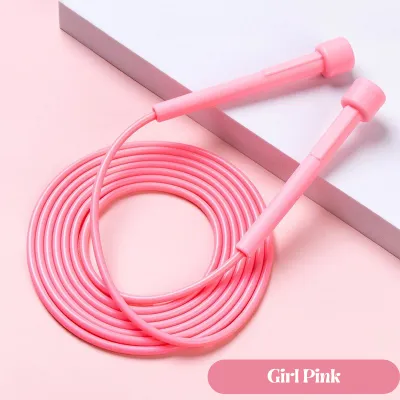
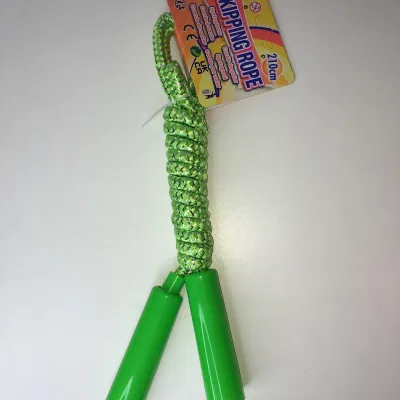
![[COD] CISWGE 2.8M Cartoon Training Jump Rope Exercise For Children Skipping Ropes Cotton Rope Adjustable Jump Rope Primary](https://img.lazcdn.com/g/p/76b6276dc7d321a2a9af5ca6fedf9fcf.jpg_400x400q80.jpg_.webp)
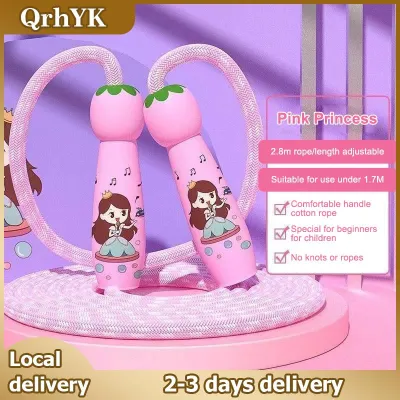
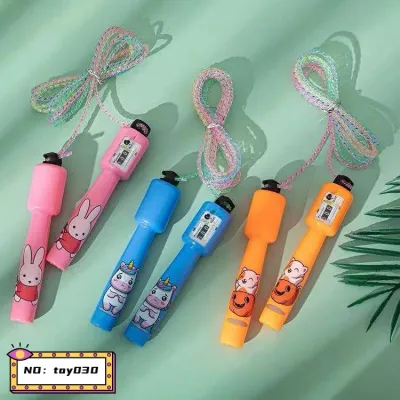
Prices are valid at publication and may change. Please refer to the product page for the latest price.
Conversely, a rope that is too short presents its own set of hazards and discomforts. A short rope forces the child to hunch their shoulders and bend forward to clear the loop, placing strain on their developing neck and back muscles. It also increases the likelihood of the rope striking the back of their head, neck, or heels, which can be painful and frustrating. Instead of focusing on timing and coordination, the child becomes consumed by the fear of getting hit by the cord.
Properly sized equipment builds immediate confidence by allowing the child to maintain an upright, relaxed posture. When the rope clears their head and feet with just the right amount of clearance, they can focus on mastering the basic bounce. This success reinforces their interest in physical fitness and helps develop spatial awareness, balance, and bilateral coordination that will benefit them in other sports and daily activities.
How to Measure the Correct Jump Rope Length by Height
To get the most accurate fit, always prioritize your child’s physical measurements over generalized age recommendations. The following methods will help you determine the precise length needed for their current height.

The Step-On Measurement Test
The step-on test is the most reliable way to customize a rope to your child’s unique body proportions. Have your child stand barefoot or in their typical athletic shoes on a flat surface. Ask them to step on the exact middle of the jump rope with one foot, keeping their feet close together.
Pull both handles straight up along the sides of their torso, ensuring there is no slack in the cord. For beginners and young children, the tips of the handles should reach their armpits or the top of their shoulders. This slightly longer length gives them a larger margin of error as they learn to coordinate their jumps. For intermediate jumpers who have developed a steady rhythm, the handles can stop closer to the mid-chest or nipple line, which allows for faster rotations and more controlled movements.
When performing this test, pay close attention to where the cord actually connects to the handles. The measurement should account for the entire functional length of the rope, including the handles themselves, as the child will be holding the grips at the outer ends.
Using Manufacturer Age and Height Charts
If you are purchasing a rope online or cannot perform a physical test beforehand, manufacturer size charts serve as a helpful baseline. Most standard sizing recommendations align with the following height-to-rope-length ratios:
- Child's Height: Under 4'0" (under 122 cm) | Recommended Rope Length: 7 feet (approx. 213 cm)
- Child's Height: 4'0" to 4'9" (122 to 145 cm) | Recommended Rope Length: 8 feet (approx. 244 cm)
- Child's Height: 4'10" to 5'3" (147 to 160 cm) | Recommended Rope Length: 8.5 to 9 feet (approx. 259 to 274 cm)
Keep in mind that these charts are generalized estimates. Children of the same height can have different arm spans or standing postures, which directly affects how the rope rotates. Always treat these charts as a starting point and use the step-on test to verify the fit before making any permanent cuts to the cord.
Choosing the Right Jump Rope for Kids by Skill Level
The material and weight of the jump rope play a massive role in how easily a child can learn to jump. Matching the rope type to your child’s current development stage prevents common learning bottlenecks.
Beaded Ropes for Beginners
Segmented beaded ropes are widely considered the gold standard for children who are just learning to jump. These ropes consist of a nylon inner cord threaded with heavy-duty, shatterproof plastic beads. The weight of the beads helps the rope retain its curved shape as it travels through the air, preventing it from twisting, kinking, or getting caught in light outdoor breezes.
Additionally, beaded ropes provide crucial sensory feedback. Every time the beads strike the ground, they make a distinct “click” sound. This auditory cue helps children understand exactly when the rope is passing under their feet, allowing them to time their jumps perfectly without having to watch the cord. The tactile feedback of the heavier rope also helps them feel the location of the swing, making it much easier to build muscle memory.
PVC and Lightweight Ropes for Intermediate Jumpers
Once your child can comfortably complete 20 to 30 consecutive jumps without tripping, they may be ready to transition to a solid PVC or “licorice” rope. PVC ropes are significantly lighter and thinner than beaded ropes. This reduced weight allows for faster spinning, making them ideal for intermediate tricks, footwork variations, and double-unders.
When choosing a PVC rope, look for handles designed specifically for smaller hands. Thicker, lightweight plastic or slightly textured foam grips are ideal, as they prevent the handles from slipping out of sweaty hands during active play in warm, humid climates. Avoid heavy wooden or weighted handles, which can quickly fatigue a child’s wrists and forearms.
For safety reasons, always avoid thin wire or steel cable speed ropes for young children. Cable ropes are designed for competitive adult athletes and spin at incredibly high speeds. If a child makes a mistake with a wire rope, the impact against their shins or arms can be highly painful, often leaving bruises and discouraging them from practicing.
Step-by-Step Guide to Adjusting and Testing the Fit
Most high-quality jump ropes are designed to be adjustable so they can grow alongside your child. Follow these steps to safely resize and test the rope.
- Access the adjustment mechanism: Slide the cord up through the bottom of one handle to expose the retention collar, plastic clip, or knotted end.
- Adjust the length: For PVC ropes, slide the plastic collar to the desired length or untie the existing knot, move it down the cord, and tie a secure new knot. For beaded ropes, untie the knot at one end, slide off the excess plastic beads, and re-tie the knot tightly against the remaining beads.
- Leave room for growth: Do not cut off the excess cord immediately. Leave an extra two to three inches of cord inside or just outside the handle. This allows you to easily lengthen the rope as your child grows over the next year.
- Perform the clearance test: Have your child stand in an open space and perform five to ten basic jumps. Stand several feet away and observe the rope at the peak of its arc. The rope should pass approximately one to two inches (2.5 to 5 cm) above their head.
- Identify stop and readjust conditions: Watch the bottom of the arc as well. If the rope is bouncing high off the ground and hitting your child's shins, it is still too long. If they have to duck their head or bend their knees excessively to clear the loop, the rope is too short. Stop the exercise immediately and adjust the knots accordingly.
Safe Jumping Surfaces and Equipment Maintenance
To protect your child’s developing joints and ensure their jump rope lasts for years, pay close attention to where they practice and how the equipment is stored.
Always encourage your child to jump on forgiving, high-traction surfaces. Hardwood floors, rubber gym mats, outdoor track surfaces, or flat, firm grass are excellent choices because they absorb shock and reduce the impact on knees, ankles, and feet. Avoid having your child jump on rough concrete, uneven outdoor tiles, or hot asphalt. These abrasive surfaces will rapidly grind down PVC cords and crack plastic beads, while the lack of impact absorption increases physical fatigue.
Regularly inspect the jump rope for signs of wear and tear. Check the center of the PVC cord or the middle beads for deep scratches, fraying, or thinning. Ensure that the plastic handles are free of cracks and that the internal knots or adjustment collars remain tightly secured. If you notice any structural damage that could cause the rope to snap during use, replace the cord or the damaged segments immediately.
Proper storage is essential for maintaining the shape of the rope, especially in tropical climates where high heat and humidity can make plastics more pliable. Never leave a jump rope crumpled at the bottom of a hot school bag or exposed to direct sunlight on a patio. Instead, teach your child to coil the rope loosely or hang it over a hook in a cool, dry place inside the home. This prevents permanent kinks and ensures the rope is ready for their next active play session.
Community discussion
Share your experience or ask a question. Comments are reviewed before publication.