
Finding the right Kasking reel for your fishing style requires matching the reel’s mechanical specifications—such as gear ratio, drag capacity, and spool size—to your target species and environment. Because different fishing techniques place unique demands on your gear, there is no single model that excels in every scenario.
To make the right choice, you must evaluate where and how you plan to fish. For fast-paced lure fishing, look for high gear ratio models that retrieve line quickly. If you are targeting large, hard-fighting saltwater species along the coast, prioritize models with high drag capacities and robust, corrosion-resistant frames. Before making a purchase, always check the manufacturer’s official specification sheet to verify the exact model numbers and their availability in your region.
Identifying Your Primary Fishing Technique and Target Species
Before comparing specific reel models, you must define your primary fishing technique. Different methods place distinct mechanical demands on a reel’s internal components. For instance, active lure casting requires a lightweight reel that minimizes fatigue during hours of repetitive casting, alongside a responsive braking system to prevent line tangles. In contrast, bottom fishing and jigging demand high torque and a robust gear train to lift heavy sinkers and stubborn fish directly from deep structures.
Products mentioned in this guide
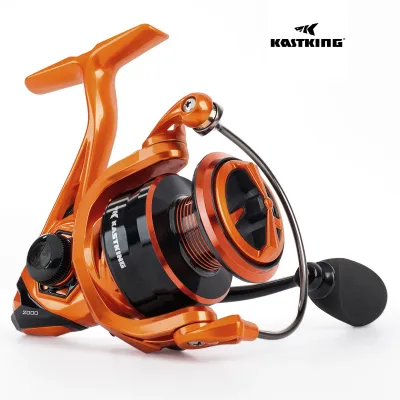
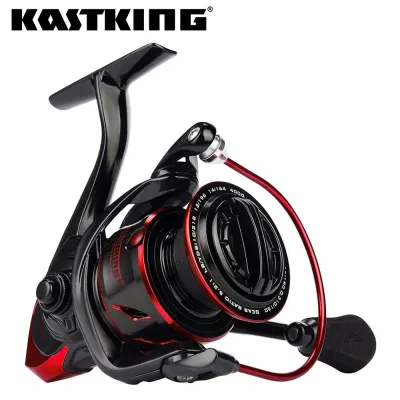
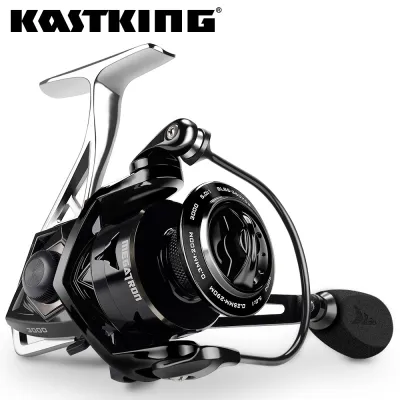
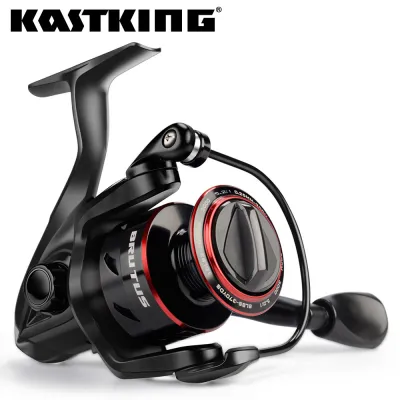
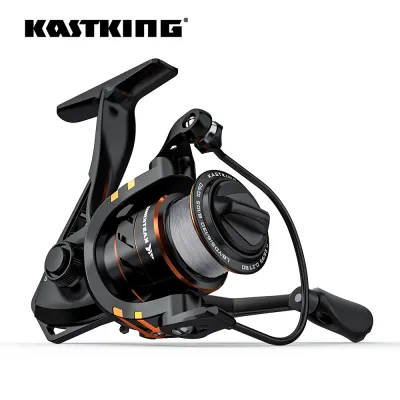
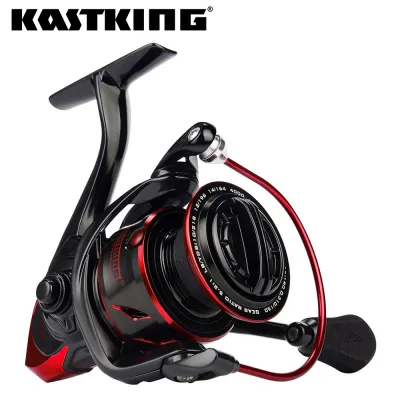
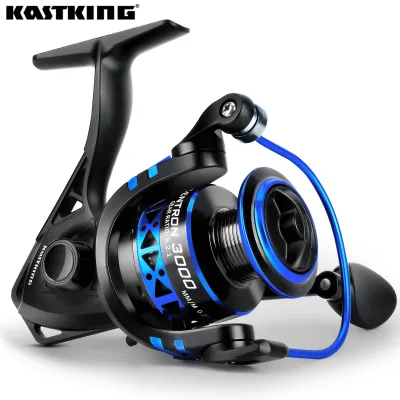
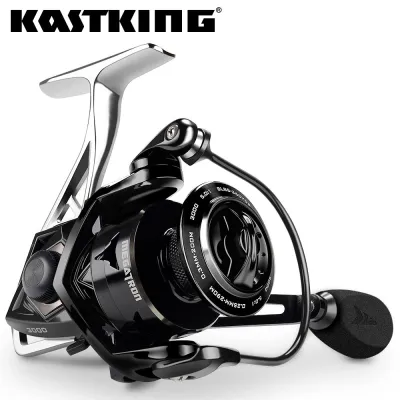
Prices are valid at publication and may change. Please refer to the product page for the latest price.
Your target species also dictates the necessary strength of your reel. Small freshwater species commonly found in local inland waters, such as dalag (mudfish) or hito (catfish), do not require massive line capacities or extreme drag settings. A light to medium reel with a smooth drag is highly effective for these species. However, if you are targeting powerful coastal game fish like talakitok (giant trevally) or apahap (barramundi), you will need a heavy-duty reel with a powerful drag system capable of handling sudden, high-speed runs without binding.
The fishing environment itself is another critical factor to consider. Tropical coastal environments in the Philippines present harsh conditions, characterized by high humidity and high-salinity water. Saltwater is highly corrosive and can quickly ruin internal gears and bearings if the reel is not designed to withstand it. When fishing in marine or brackish waters, you must look for reels constructed with corrosion-resistant materials, such as high-grade graphite, aluminum, or stainless steel, along with protective seals around critical entry points.
Key Kasking Reel Specifications to Compare
To select the ideal reel, you must understand how to read and compare the technical specifications listed on the product packaging or the manufacturer’s spec sheet. These metrics directly influence how the reel performs on the water.

Gear Ratio and Retrieval Speed
The gear ratio indicates how many times the spool rotates for every single turn of the handle. For example, a gear ratio of 5.2:1 means the spool spins 5.2 times per handle turn, which is considered a moderate speed that offers excellent cranking power. Conversely, a high gear ratio like 7.1:1 or 8.1:1 retrieves line much faster, making it ideal for techniques where you need to collect slack quickly or work fast-moving topwater lures. Match lower ratios to high-resistance baits and higher ratios to techniques requiring rapid retrievals.
Drag System and Maximum Drag Force
The drag system consists of friction plates inside the reel that control how much resistance a fish encounters when pulling line. A smooth, multi-disc drag system—often utilizing carbon fiber washers—is essential for preventing sudden line breaks when a fish surges. When comparing models, check the maximum drag rating. Ensure the maximum drag capacity is appropriate for your target species and line strength, allowing you to apply sufficient pressure to tire out the fish without overloading the reel frame.
Line Capacity and Spool Size
Line capacity tells you how many meters of a specific line diameter or test weight the spool can hold. If you are casting long distances or fishing in deep water where large fish are likely to make long, uninterrupted runs, you will need a larger spool with generous line capacity. For finesse fishing or short-distance casting in tight freshwater streams, a smaller, shallower spool is preferred because it reduces overall weight and improves casting accuracy with light lures.
Bearings and Smoothness
Ball bearings are placed inside the reel to reduce friction among moving parts, resulting in smoother casting and retrieval. While a higher bearing count often suggests a smoother feel, the quality of the bearings is far more important than the quantity. For long-term durability, especially in humid or coastal environments, verify that the reel utilizes shielded or sealed stainless steel ball bearings to keep out dirt, sand, and saltwater.
Matching Reel Specifications to Specific Fishing Scenarios
To help you visualize how these technical specifications translate to actual fishing scenarios, consider the following guidelines tailored to different styles of angling.
Lure Casting and Finesse Fishing
If your style involves continuous casting and retrieving with lightweight lures, look for Kasking models that prioritize weight reduction and casting control. Baitcasting reels designed for finesse fishing (often referred to as BFS or Bait Finesse System) feature ultra-light spools and specialized magnetic braking systems to cast tiny lures without backlashing. For spinning setups, a 1000 to 2500 size reel with a high gear ratio (6.2:1 or higher) allows you to keep up with fast-moving fish and make quick, repetitive casts.
Bottom Fishing and Jigging
For bottom fishing in deep water or jigging over reefs, casting distance is less important than raw lifting power. In these scenarios, select a reel with a lower gear ratio (around 4.8:1 to 5.5:1) to give you the mechanical advantage needed to pump heavy fish toward the surface. Look for a robust metal frame that will not flex under heavy loads, and ensure the reel has a high maximum drag capacity (at least 9 kg to 12 kg) to stop fish from diving back into sharp rocks or coral structures.
Trolling and Offshore Fishing
Offshore trolling requires specialized conventional or heavy-duty spinning reels built to withstand extreme stress. These reels must feature massive line capacities to hold hundreds of meters of heavy braided line, as pelagic species can run incredible distances. Look for models with fully sealed drag systems, dual-force drag mechanisms, and solid aluminum bodies that offer maximum rigidity and verified resistance to saltwater intrusion.
Fishing Style Selection Matrix
| Fishing Style | Recommended Gear Ratio | Minimum Drag Capacity | Recommended Reel Size |
|---|---|---|---|
| Finesse / Light Freshwater | 6.2:1 to 7.2:1 | 4 kg – 6 kg | 1000 – 2000 (Spinning) / BFS (Baitcasting) |
| Medium Estuary / Coastal | 5.8:1 to 6.8:1 | 6 kg – 9 kg | 2500 – 3000 (Spinning) / Standard Baitcaster |
| Heavy Bottom Fishing / Jigging | 4.8:1 to 5.8:1 | 10 kg – 15 kg | 4000 – 5000 (Spinning) / Round Baitcaster |
| Offshore Trolling / Big Game | 4.0:1 to 5.2:1 | 15 kg+ | 6000 – 8000 (Spinning) / Conventional Reel |
Verifying Authenticity, Warranty, and Local Support
When purchasing a Kasking reel, ensuring you receive a genuine product with valid after-sales support is just as important as choosing the right specifications. The local market has various distribution channels, making verification a key step in your purchase journey.
To protect your investment, purchase your reel only from authorized physical tackle shops, official brand stores on reputable e-commerce platforms, or certified local distributors in the Philippines. Avoid buying from unverified third-party sellers offering prices that seem too good to be true, as counterfeit reels often lack proper saltwater seals, quality bearings, and reliable drag materials.
Upon unboxing your new reel, perform a thorough physical inspection to verify its authenticity. Check for a unique serial number printed on the reel foot or the packaging, and ensure a valid manufacturer’s warranty card is included in the box. Many genuine models also come packaged with schematic diagrams, specialized maintenance tools, or spare washers for adjusting the spool height.
Finally, verify the availability of local service centers or authorized technicians who can handle routine maintenance. Over time, even the best reels require bearing replacements, drag washer lubrication, or gear calibration. Knowing you can easily source original replacement parts locally ensures your reel will perform reliably season after season, even under the demanding conditions of tropical saltwater fishing.
Frequently Asked Questions (FAQ)
How do I maintain my Kasking reel after saltwater fishing?
To prevent corrosion, gently rinse your reel with a light mist of fresh water after every saltwater outing. Do not use high-pressure water sprays, as this can force salt and debris past the protective seals and directly into the internal bearings. After rinsing, wipe the reel dry with a soft cloth and allow it to air dry completely in a shaded, well-ventilated area. Periodically apply a drop of approved reel oil to the main shaft, line roller, and handle joints as directed in the manufacturer’s instruction manual.
Can I use a freshwater Kasking spinning reel for light saltwater fishing?
While you can occasionally use a freshwater spinning reel in light saltwater or brackish environments, it is not recommended for long-term use. Freshwater models typically lack the specialized anti-corrosion coatings, sealed drag systems, and rust-resistant bearings found in dedicated saltwater models. If you do use a freshwater reel in saltwater, you must perform a rigorous freshwater rinse immediately after your trip. Be aware that using a freshwater model in marine environments may void the manufacturer’s warranty if corrosion damage occurs.
What is the difference between Kasking baitcasting and spinning reels?
Spinning reels feature an open spool design and are mounted underneath the rod, making them highly versatile, easy to learn, and excellent for casting light lures or fishing in windy conditions. Baitcasting reels sit on top of the rod and feature a rotating spool that gives you direct control over the line during the cast. While baitcasting reels offer superior casting accuracy, better handling of heavy lines, and more winching power, they require a higher level of skill and thumb control to prevent line tangles, commonly known as backlashes.
Community discussion
Share your experience or ask a question. Comments are reviewed before publication.