
Selecting the right paddle for kayak excursions is just as critical as choosing the boat itself. Your paddle acts as the engine of your watercraft, directly converting your physical effort into forward momentum, steering control, and stability. If you use a paddle that is poorly matched to your body size, your kayak’s dimensions, or your paddling style, you will likely experience rapid fatigue, muscle strain, and a frustrating day on the water. Finding the perfect fit ensures that every stroke is efficient, comfortable, and satisfying.
To determine the correct paddle length and type, you must evaluate three core variables: your paddling style, your physical measurements (specifically your torso height), and the width of your kayak. Additionally, the materials and design of the paddle—such as the blade shape, shaft construction, and feathering capabilities—must align with your typical paddling environment and physical stamina. By systematically analyzing these factors, you can select an optimal paddle that enhances your performance and prevents long-term joint strain.
Identify Your Paddling Style to Narrow Down Options
Before looking at sizing charts or material specifications, you must first identify your primary paddling style. Kayak paddling is generally categorized into two distinct forms: low-angle and high-angle. Each style demands a different physical posture, stroke cadence, and blade design. Understanding where your habits lie will immediately narrow down your options and guide you toward the correct paddle geometry.
Products mentioned in this guide
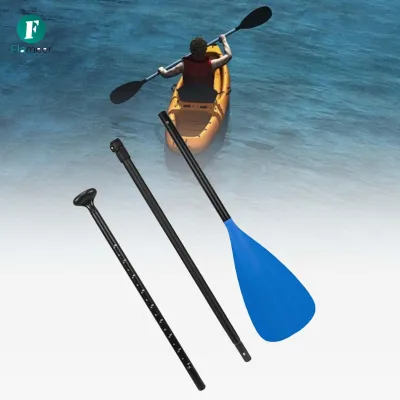
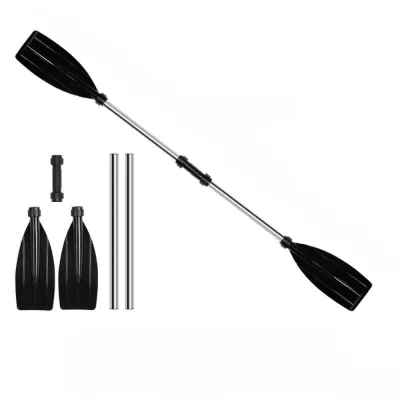
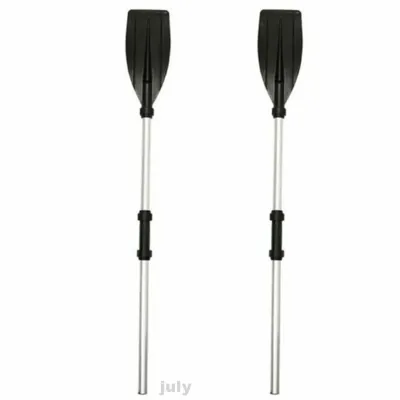
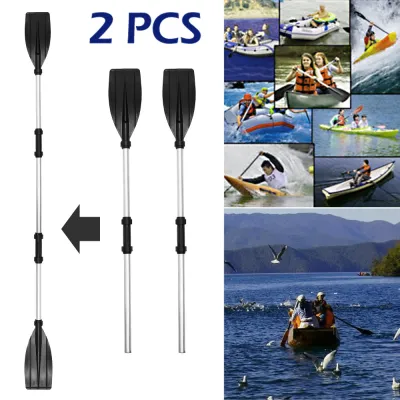
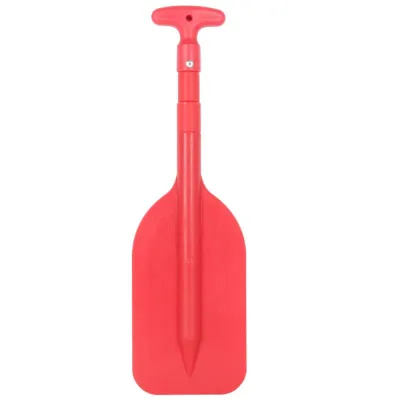
Prices are valid at publication and may change. Please refer to the product page for the latest price.
Low-angle paddling is the most common style for recreational kayakers, tourers, and kayak anglers. In this style, the paddle is held at a relatively low angle relative to the water’s surface, typically between 20 and 30 degrees. The stroke is relaxed, sweeping, and horizontal, which minimizes splashing and keeps the water away from the cockpit. Low-angle paddling is designed for sustained, long-distance efficiency rather than explosive speed. Consequently, low-angle paddles feature longer, narrower blades that slice through the water with minimal resistance, reducing shoulder fatigue over hours of touring.
High-angle paddling, on the other hand, is an aggressive, performance-oriented style favored by whitewater kayakers, fitness paddlers, and ocean surf enthusiasts. Here, the paddle shaft is held much more vertically, often exceeding 45 degrees relative to the water. The blade enters the water very close to the side of the kayak, requiring a rapid, powerful vertical pull. This style provides immediate acceleration, high maneuverability, and maximum power per stroke. High-angle paddles are shorter and feature wider, shorter blades that can catch a large volume of water instantly, allowing for quick, decisive movements in turbulent conditions.
To choose between these two styles, honestly assess your typical paddling environments and goals. If you plan to spend your weekends leisurely exploring calm coastal lagoons, flat lakes, or slow-moving rivers, you are almost certainly a low-angle paddler. If you intend to navigate fast-moving river rapids, play in coastal surf, or engage in high-intensity cardio workouts, you will benefit more from a high-angle setup. Establishing this preference is the first crucial step in selecting your ideal paddle.
Step-by-Step Guide to Measuring for the Perfect Paddle Length
Once you have determined your paddling style, you can begin calculating the correct paddle length. Paddle length is measured in centimeters, typically ranging from 210 cm to 240 cm or more. Finding the right length requires a systematic approach that combines your physical torso height with the width of your kayak. Relying solely on your overall height can lead to sizing errors, as two people of the same height can have vastly different torso lengths.

Step 1: Measure Torso Height To get an accurate baseline, you must measure your torso length rather than your total height. Your torso length determines how high your shoulders sit above the kayak seat, which directly affects how far you must reach to place the blade into the water. To measure this, sit up straight on a flat floor, preferably against a wall. Have someone measure the distance from the C7 vertebra—the prominent bony bump at the base of your neck—down to the floor, which aligns with your iliac crest (the top of your hip bones). This measurement represents your seated torso height, which is the most reliable physical indicator for paddle sizing.
Step 2: Factor in Kayak Width The physical dimensions of your kayak play an equally important role in determining paddle length. A wider kayak requires a longer paddle so that the blades can reach the water comfortably without you having to lean sideways or repeatedly strike the sides (gunwales) of the boat. Recreational kayaks and fishing kayaks are typically wider, often measuring between 28 and 34 inches (71 to 86 cm) or more, to provide maximum stability. Touring kayaks and sea kayaks are narrower, usually ranging from 22 to 26 inches (56 to 66 cm), allowing for faster speeds and requiring a shorter paddle. Always measure the widest point of your kayak before referencing sizing charts.
Step 3: Cross-Reference Dimensions With your torso height and kayak width in hand, you can cross-reference these numbers to find a baseline paddle length. For example, a paddler with a torso height of 28 inches (71 cm) paddling a standard 26-inch (66 cm) wide touring kayak will generally require a paddle length of approximately 220 cm for a low-angle style. However, if that same paddler is using a wide 32-inch (81 cm) fishing kayak, they will need to step up to a 230 cm or even 240 cm paddle to clear the wide hull. Always consult the specific manufacturer’s sizing chart for the exact model you are considering, as subtle differences in blade design and shaft flexibility can influence recommended lengths.
Sizing Tip A common dilemma occurs when your measurements place you directly between two standard paddle sizes. As a general rule of thumb, if you find yourself caught between sizes, opt for the shorter paddle. A shorter paddle is lighter, easier to control, and reduces the leverage acting against your shoulders, which helps prevent joint fatigue during long excursions. The primary exception to this rule is if you are paddling an exceptionally wide boat, such as a specialized fishing kayak with a high seat position, where reaching the water comfortably is your absolute priority; in this specific scenario, choosing the longer option is advisable.
Match Blade Shape and Material to Your Energy and Environment
The blade is the business end of the paddle, and its shape, geometry, and material composition dictate how much energy you expend with every stroke. Selecting the right combination allows you to match the paddle’s performance to your physical conditioning and the environmental conditions of your paddling destination.
Blade Shape As established, blade shape corresponds directly to your paddling style. Long, narrow blades are designed for low-angle paddling, offering a smooth, progressive entry into the water and low wind resistance. This shape allows you to maintain a steady, relaxed rhythm without putting excessive strain on your muscles. Short, wide blades are engineered for high-angle paddling, delivering an instant, powerful catch that is essential for rapid acceleration, brace strokes, and quick turning maneuvers.
Blade Geometry Modern paddle blades are rarely flat; instead, they incorporate advanced geometry to improve efficiency. Look for asymmetrical blades, where the top edge of the blade is longer and angled differently than the bottom edge. This design ensures that when the blade enters the water at an angle, the surface area is distributed evenly, preventing the paddle from twisting in your hands. Additionally, high-quality blades often feature a dihedral ridge—a raised centerline running down the face of the blade. This ridge directs water flow smoothly across both halves of the blade, reducing blade flutter (wobbling) during the power phase of your stroke and ensuring a stable, predictable pull.
Material Choices The materials used in your paddle directly affect its weight, stiffness, and cost. Budget-friendly paddles typically feature heavy plastic or nylon blades paired with an aluminum shaft. While highly durable and affordable, these paddles are heavy and can cause rapid fatigue over long distances. Mid-range options utilize fiberglass blades and fiberglass shafts, offering an excellent balance of lightweight performance, moderate flex, and durability. Premium paddles feature carbon fiber blades and shafts, which are incredibly lightweight and stiff, ensuring that almost 100% of your physical effort is transferred directly into forward motion. Investing in a lighter paddle significantly reduces the physical toll on your body, as you will lift the paddle thousands of times during a typical outing.
Environmental Care When paddling in tropical, humid, and marine environments, such as the coastal waters of the Philippines, environmental durability is a primary concern. Saltwater is highly corrosive, and intense tropical sunlight can rapidly degrade materials. If you frequently paddle in coastal areas, prioritize corrosion-resistant materials like fiberglass, carbon fiber, or high-grade anodized aluminum. Avoid cheap metal components that can rust or seize. Furthermore, the strong UV rays in tropical climates can cause plastic and nylon blades to become brittle over time. Always inspect your paddle for signs of UV degradation, and commit to rinsing your entire paddle thoroughly with fresh water after every saltwater excursion to prevent salt crystals from binding the joints.
Optimize Comfort with Shaft Design and Feather Angles
The paddle shaft is your direct interface with the water, and its design has a profound impact on your grip comfort, wrist health, and overall control. Paying attention to shaft ergonomics and adjustability can save you from chronic joint pain and blisters.
Straight vs. Bent Shafts The choice between a straight and a bent shaft is primarily a matter of ergonomics and budget. Straight shafts are the traditional standard; they are versatile, lightweight, and highly effective for executing advanced maneuvers like bracing, rolling, and quick steering adjustments. However, straight shafts require your wrists to bend slightly at the end of each stroke, which can lead to repetitive strain injuries over long distances. Bent shafts feature a curved ergonomic section where you place your hands. This design keeps your wrists in a neutral, straight alignment throughout the entire stroke cycle, significantly reducing joint strain and fatigue during long-distance touring. Bent shafts are typically more expensive and heavier, but they are highly recommended for paddlers with pre-existing wrist or shoulder issues.
Shaft Diameter To prevent hand fatigue and cramping, the shaft diameter must match your hand size. Most manufacturers offer paddles in both standard and small diameters. If you have smaller hands, a standard shaft will force you to grip too tightly, leading to premature forearm fatigue and blisters. Conversely, if you have large hands, a small-diameter shaft will feel unstable and difficult to control. A quick way to test this is to wrap your hand around the shaft; your thumb and index finger should overlap slightly or touch comfortably. If they do not meet, seek out a small-shaft option.
Feather Angle The feather angle refers to the relative angle between the two blades of a paddle. In a matched, unfeathered (0-degree) setup, both blades point in the exact same direction. This is the easiest configuration for beginners to learn, as it requires no wrist rotation to align the blades. However, when paddling into a headwind, the blade that is out of the water acts like a sail, creating wind resistance. Feathered paddles have blades offset at an angle (typically between 45 and 90 degrees). As one blade pulls through the water, the air-bound blade slices cleanly through the wind, reducing drag. Adjusting to a feathered paddle requires a slight rotation of your control wrist during each stroke cycle.
Adjustability For most paddlers, especially those who are still refining their technique or sharing equipment with family members, adjustable multi-piece paddles are highly advantageous. A two-piece or four-piece paddle featuring an adjustable ferrule (the locking mechanism in the middle) allows you to alter both the overall length of the paddle and the feather angle on the fly. This flexibility lets you experiment with different configurations to find what feels most comfortable for your body and paddling style before committing to a fixed, one-piece setup. It also makes transport and storage significantly easier, fitting easily into the trunk of a car or a storage closet.
How to Test and Verify Your Paddle Fit on Land and Water
Before embarking on a long paddling trip, it is essential to verify that your chosen paddle fits your body and kayak correctly. You can perform quick diagnostic checks both on land and on the water to ensure your equipment is properly configured.
The Ground Test To perform a basic land-based check, stand up straight and hold the paddle horizontally over your head, resting the center of the shaft on the top of your head. Adjust your hands until your elbows form a perfect 90-degree angle. This hand position represents your standard “paddler’s box,” which is the optimal grip width for maximum leverage and control. If your hands are forced too close together or too far apart to maintain this box, the paddle’s overall length or shaft design may not be suitable for your shoulder width. Another classic test is to stand the paddle vertically next to you; you should be able to hook your fingers comfortably over the top of the blade. While this vertical test is a helpful quick reference, it does not account for kayak width, so it should only be used as a secondary check.
On-Water Verification (Too Long) Once you are on the water, pay close attention to your body’s feedback and the physical path of your stroke. If your paddle is too long, you will notice several distinct warning signs. You will find yourself frequently striking the sides of your kayak with the shaft or blades, which can damage the boat and disrupt your rhythm. Additionally, a paddle that is too long forces you to make wide, sweeping strokes that cause the kayak to yaw (zig-zag) from side to side rather than tracking in a straight line. You may also experience excessive fatigue in your upper shoulders and neck, as you must lift your hands higher than necessary on every single stroke.
On-Water Verification (Too Short) Conversely, if your paddle is too short, you will experience a different set of physical frustrations. You will find yourself constantly leaning your torso sideways to submerge the blade fully in the water, which compromises your balance and strains your lower back. Your knuckles and fingers will repeatedly strike the gunwales of the kayak, leading to painful scrapes and bruises. Furthermore, the steep angle required to get the blade into the water will cause water to run down the shaft and drip directly into your lap or cockpit, leaving you wet and uncomfortable. If you experience these symptoms, you must transition to a longer paddle to protect your joints and maintain control.
Fine-Tuning If you are using an adjustable paddle, take advantage of the opportunity to make micro-adjustments while on the water. If you feel minor shoulder tension, try shortening the paddle by 2 to 5 centimeters. If you are struggling to clear the sides of a wide recreational boat, extend the shaft slightly. Always listen to your body; if you experience persistent joint pain, wrist strain, or numbness in your hands, stop paddling immediately, adjust your grip or paddle settings, and consult a professional instructor or physical therapist if the discomfort persists.
Frequently Asked Questions (FAQ)
Can I use a single paddle for different types of kayaks?
While it is technically possible to use one paddle across different kayaks, its efficiency and safety will depend heavily on the physical differences between the boats. If you are transitioning between two similar kayaks, such as a narrow touring kayak and a slightly wider recreational model, an adjustable paddle with a variable length ferrule can easily bridge the gap. However, if you attempt to use a short, high-angle whitewater paddle on a very wide, high-seated fishing kayak, you will struggle to reach the water without leaning dangerously, leading to instability. For extreme differences in kayak design, it is always safest and most efficient to use dedicated paddles tailored to each specific boat’s width and seating configuration.
How do I maintain my paddle in saltwater and tropical climates?
To protect your paddle from the harsh, corrosive effects of saltwater and intense tropical humidity, a strict maintenance routine is essential. After every single outing, disassemble your multi-piece paddle and rinse all components thoroughly with clean, fresh water. Pay special attention to the ferrule joint, push-buttons, and adjustable locks, as salt crystals and sand can build up inside, causing the pieces to seize or fail. Store your paddle completely dry and out of direct sunlight, as prolonged UV exposure can degrade composite fibers and make plastic blades brittle. If the manufacturer’s instructions allow, you can periodically apply a light coat of non-petroleum-based marine lubricant to the adjustable joints to keep them operating smoothly; never use heavy oils or petroleum jelly, as they attract sand and grit which will wear down the materials.
What is the difference between a kayak paddle and a SUP paddle?
Although both are designed for water sports, kayak paddles and stand-up paddleboard (SUP) paddles are engineered for entirely different body mechanics and seating positions. A kayak paddle is double-bladed, featuring a blade on both ends of a central shaft, and is designed for a seated paddler who rotates their torso to alternate strokes on both sides of the boat. A SUP paddle is single-bladed, featuring a T-grip handle on one end and a single blade on the other. It is significantly longer than a kayak paddle to accommodate a standing posture and leverage. While some SUP paddles offer hybrid conversion kits that allow you to attach a second blade, a dedicated kayak paddle remains far superior in terms of weight distribution, blade geometry, and ergonomic comfort for seated kayaking.
Community discussion
Share your experience or ask a question. Comments are reviewed before publication.