
Selecting the right keeper gloves requires balancing your personal skill level, how often you play, and the specific pitch conditions you encounter. A goalkeeper’s needs change dramatically depending on whether they are defending a goal on a hard, dusty artificial turf pitch under the tropical sun or diving on wet, muddy natural grass during the rainy season. Finding the ideal pair involves evaluating the glove’s cut, the type of latex on the palm, and the built-in protective features to ensure you get the right mix of grip, safety, and durability.
Assess Your Skill Level and Playing Frequency
Your current development stage as a goalkeeper dictates the type of glove that will serve you best. Beginner goalkeepers playing casual weekend matches or starting in recreational leagues should prioritize durability and cost-effectiveness, as developing handling techniques often leads to high friction against the ground. Intermediate keepers in competitive amateur leagues need a balanced glove offering reliable grip without wearing out too quickly. Advanced keepers, including academy players training multiple times a week, require high-performance match gloves where grip is the absolute priority, even if the latex degrades faster.
The relationship between latex durability and grip is a direct trade-off. High-grip latex is soft and porous, clinging to the ball but tearing easily on abrasive surfaces. Conversely, durable training latex contains synthetic additives that resist wear but offer less natural tackiness. If you train daily, using a fragile match glove will quickly lead to torn palms and wasted investment.
Products mentioned in this guide

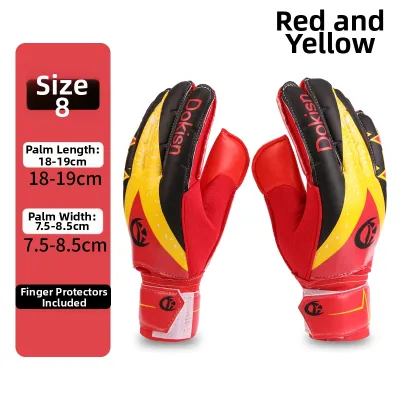
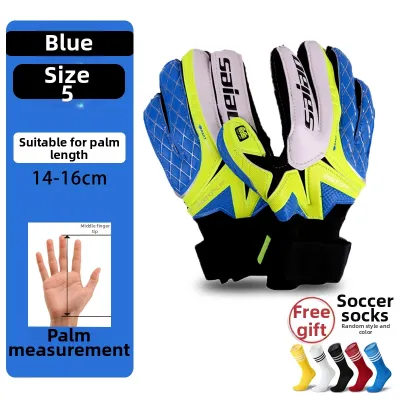
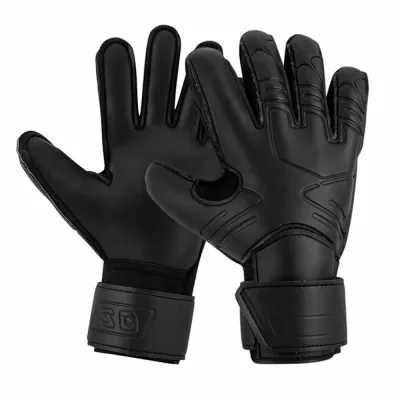
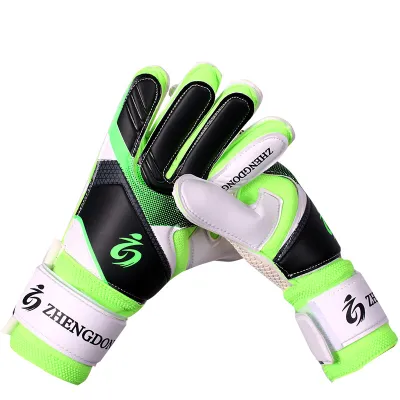
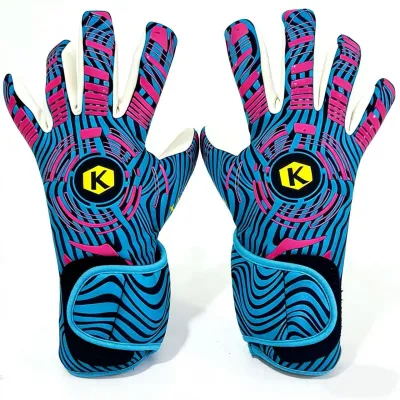
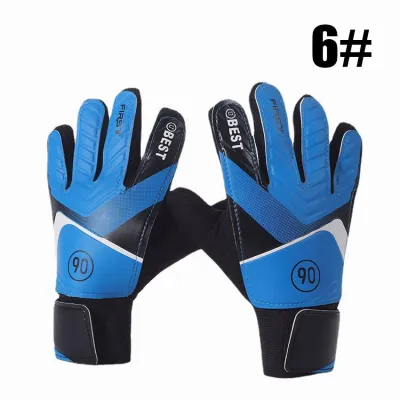
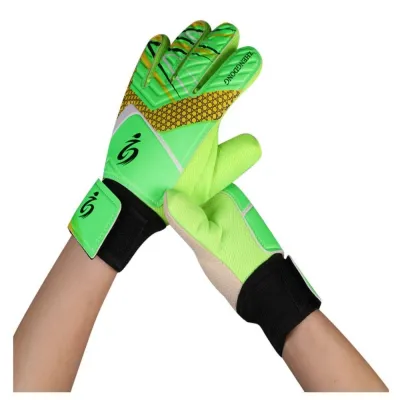
Prices are valid at publication and may change. Please refer to the product page for the latest price.
To self-diagnose your playing frequency and needs, consider this checklist:
- How many times a week do you play or train?
- What is the primary surface you play on (abrasive turf, concrete, or natural grass)?
- What is your primary goal (learning catching mechanics or maximizing clean catches in matches)?
- What is your budget for replacements?
Answering these questions honestly prevents you from buying an expensive match glove that will disintegrate on hard ground, or a stiff training glove that hinders your performance in critical matches.
Match Glove Cuts to Your Handling Preference
The “cut” of a keeper glove refers to how the palm and backhand panels are stitched together, directly influencing how the glove fits your fingers and how much latex contacts the ball.

- Flat Cut: The traditional design with external stitching and gussets. It offers a loose, roomy fit and a large, flat surface area, making it a reliable option for beginners or keepers with wider hands.
- Roll Finger Cut: Wraps the latex around each finger, attaching it directly to the backhand. This eliminates gussets, providing maximum latex-to-ball contact and a thicker, cushioned feel.
- Negative Cut: Features internal stitching, pulling the latex tight against the fingers. This creates a snug, second-skin fit that minimizes glove movement and offers an incredibly close feel for the ball.
- Hybrid Cuts: Combine elements of different designs, such as roll fingers on outer digits for grip area and negative cuts on middle fingers for a tight fit.
Choosing between these cuts is entirely a matter of personal handling preference. If you prefer a loose, forgiving fit with a wide catching surface, a flat or roll finger cut is ideal. If you want a tight, responsive fit where the glove moves exactly with your hand, a negative cut is the better choice. Before committing to a primary match glove, try on different cuts at a local sports store to feel how they conform to your hand shape and catching style.
Select the Right Palm Material for Pitch Conditions
The palm latex is the most critical component of any keeper glove, as it determines your grip level and how the glove reacts to different weather and field conditions. Soft, match-grade latex is designed for professional-level grip in dry or slightly damp conditions on natural grass. It is highly sensitive and absorbs the impact of the ball beautifully, but it is also highly susceptible to abrasion. Training latex is denser and often reinforced with synthetic materials to withstand the friction of hard ground, concrete, or artificial turf. While it does not offer the same elite level of stickiness, it lasts significantly longer under harsh training conditions.
In tropical climates like the Philippines, pitch conditions can shift rapidly from dry, dusty, and abrasive artificial turf during the hot dry season to slick, muddy natural grass during the monsoon months. Dry, hard turf is highly abrasive and will shred soft match latex within a few sessions; for these surfaces, look for specialized turf or hard ground latex formulations that balance durability with acceptable grip. If you are playing on wet, muddy grass, look for wet-weather latex, which features open-pore structures that absorb water to maintain friction rather than letting the ball slip through.
Regardless of the latex type, proper care is essential to maintain grip and extend the glove’s lifespan. Always pre-wash new gloves before their first use to remove manufacturing preservatives. Before every match or training session, slightly dampen the palms with clean water; dry latex is brittle and tears easily, whereas damp latex is flexible and tacky. After playing, wash the gloves with lukewarm water to remove dirt, sweat, and salt, then air-dry them away from direct sunlight and heat sources.
Evaluate Fit, Backhand Protection, and Durability
A glove that does not fit correctly will not only perform poorly but can also cause discomfort, blisters, or premature tearing at the seams.
To find your correct glove size, measure the circumference of your palm just below the knuckles, excluding the thumb, and add one inch to that measurement. Compare this number to the manufacturer’s specific sizing chart, as sizing can vary slightly between brands. A properly fitting keeper glove should have about half an inch of space at the tip of the fingers to prevent your fingers from blowing through the seams when making a save, while the wrist strap should secure the glove firmly without cutting off circulation.
The backhand of the glove provides protection when punching the ball and affects overall comfort. Look for backhands made of breathable mesh or latex with ventilation channels, especially when playing in hot, humid tropical environments. Proper airflow prevents excessive sweating, which can make the inside of the glove slippery and uncomfortable.
Finger protection systems, often called finger spines, are plastic inserts placed along the back of the fingers to prevent hyperextension when facing hard shots. These systems are highly recommended for youth players, beginners developing their hand strength, or keepers recovering from finger injuries. However, advanced keepers often prefer gloves without finger spines, as they can restrict natural finger flexibility and limit the ability to wrap the hand completely around the ball. Many modern gloves feature removable spines, allowing you to customize the level of protection based on your current physical needs and comfort.
Build Your Shortlist and Finalize the Purchase
When you are ready to purchase, organize your options using a clear decision matrix that weighs your specific playing profile against the glove’s features.
Compare potential gloves based on four key pillars: grip performance, durability, cut style, and price. For example, if you play casual weekend games on artificial turf with a budget of ₱1,500 to ₱3,000, prioritize a durable turf-latex glove with a flat or roll finger cut. If you are playing competitive matches on natural grass and have a higher budget, look for a match-grade negative cut glove.
Be cautious of red flags when browsing online marketplaces or retail stores. Avoid product listings that do not specify the type or thickness of the latex used (typically measured in millimeters, with 3mm to 4mm being standard), or those that lack detailed sizing guides. Unusually cheap gloves claiming professional grip often use cheap synthetic PVC palms that offer zero grip and wear out almost instantly.
To ensure you receive authentic products with reliable manufacturing quality, purchase your keeper gloves from authorized sports retailers, official brand stores, or reputable specialty football shops. This guarantees that the latex has been stored correctly and that you have access to valid return policies if the fit is not correct.
Frequently Asked Questions (FAQ)
How often should I replace my keeper gloves?
You should replace your keeper gloves when the palm latex degrades to the point where it no longer provides reliable friction, or when structural damage compromises safety. Look for observable signs such as deep flaking across the palm, exposed inner fabric, or torn seams around the fingers. While minor surface scuffs are normal, a complete loss of grip or split seams means it is time to transition that pair to training use and purchase a new match pair.
Can I use the same gloves for training and official matches?
While you can use one pair for both, doing so will rapidly accelerate wear on your match gloves. Soft match latex degrades quickly on abrasive training surfaces. A more cost-effective strategy is to rotate your gear: use a durable, budget-friendly pair with hard-ground latex for training sessions, and save your high-grip, match-grade gloves exclusively for official matches to maximize their lifespan and performance when it matters most.
Community discussion
Share your experience or ask a question. Comments are reviewed before publication.