
Selecting the right kicker ball is the foundation of an effective solo football training regimen. Whether you are a beginner looking to build muscle memory or an advanced player refining your first touch, the ideal training tool depends on your goals, playing surface, and local environment. A kicker ball—whether it is a handheld solo trainer with an elastic cord or a weighted technical ball—bridges the gap between team practices by maximizing your touches per minute. By understanding key specifications such as size, bladder construction, and tether elasticity, you can select gear that accelerates your development while withstanding rigorous daily use.
Identify Your Training Goals and Current Skill Level
To find the right training gear, start by diagnosing what you want to achieve during your solo sessions. Different training objectives require distinct equipment setups. Defining your primary focus early prevents you from purchasing gear that is either too restrictive or too advanced for your current routine.
Self-Assessment Checklist
Products mentioned in this guide
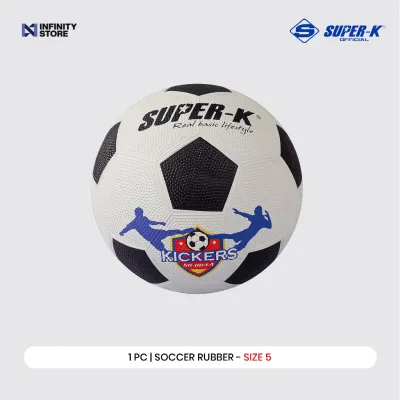
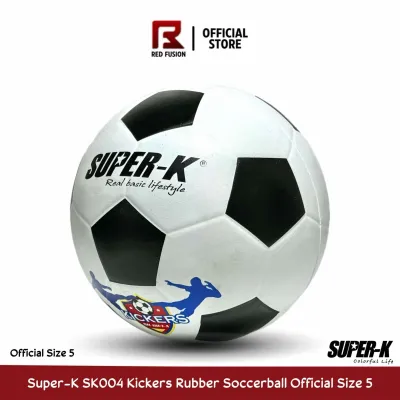
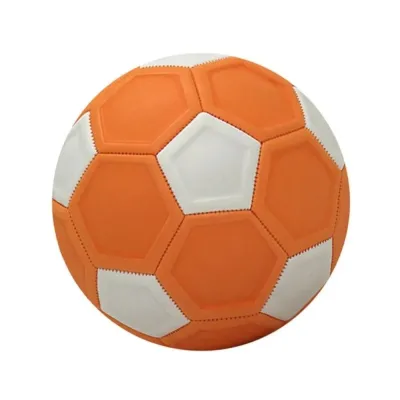
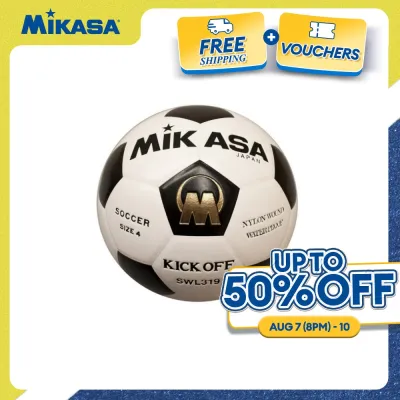
Prices are valid at publication and may change. Please refer to the product page for the latest price.
- First Touch and Volleys: Do you need to practice receiving high or unpredictable balls? A tethered kicker ball with high elasticity is ideal for rapid, repetitive reaction training.
- Passing Accuracy: Are you trying to master clean, grounded passes? A low-bounce ball or a short-tether system helps keep the ball low and predictable.
- Shooting Power: Is your goal to build leg strength and striking velocity? A weighted training ball without a tether, or with a heavy-duty anchor, is better suited for high-impact strikes.
- Solo Reaction Drills: Do you have limited space and need the ball to return instantly? A waist-harness rebounder keeps the ball within arm's reach.
Skill Level Mapping
- Beginners: If you are just starting, focus on building basic coordination and confidence. Look for softer, lighter balls (often made of foam-backed PVC) that are highly visible. These minimize foot fatigue and reduce the risk of minor toe or ankle strains as you learn proper striking angles.
- Intermediate Players: At this stage, consistency is key. You require a standard-weight ball (often Size 4 or 5) made of durable polyurethane (PU). This setup mimics the weight of a standard match ball, helping you build realistic muscle memory during high-repetition passing and receiving drills.
- Advanced Players: Experienced players need to replicate match-day conditions as closely as possible. Opt for match-weight balls with textured outer covers that simulate realistic flight, spin, and high-velocity impact. These balls provide precise feedback on your striking technique, showing you exactly how a slight shift in foot angle affects the ball's trajectory.
Needs vs. Wants While a standard football is perfectly fine for wall-passes or partner drills, a specialized kicker ball is necessary when training solo in restricted environments. A tethered kick trainer prevents you from constantly chasing missed shots, allowing you to get up to ten times more touches in a ten-minute session compared to open-field training. However, if your focus is purely on long-range crossing or free kicks, a standard match ball paired with a portable goal or target net is a better investment than a tethered ball, which would snap back too quickly and alter your follow-through.
Evaluate Your Training Space and Pitch Conditions
Your physical surroundings and local climate play a massive role in determining which kicker ball will survive your training sessions. Selecting gear that matches your environment ensures both safety and equipment longevity.

Space Constraints Consider where you will train most frequently. If you are practicing in a small backyard, a garage, or an indoor hallway, look for a kicker ball with a shorter, adjustable tether or a low-bounce design. This prevents the ball from shattering windows, damaging household items, or rebounding unpredictably off tight walls. Conversely, if you have access to an open field or a local park, you can utilize a full-length, high-stretch bungee cord. This setup allows the ball to travel further, giving you ample time to adjust your body positioning for realistic high-velocity volleys and long-range control.
Surface Compatibility The ground beneath your feet dictates the required durability of the ball’s outer casing.
- Natural Grass and Artificial Turf: These soft, forgiving surfaces allow you to use premium synthetic leather or polyurethane (PU) covers. These materials offer a highly realistic, soft touch and maintain their structural integrity over hundreds of sessions.
- Concrete, Asphalt, or Hard Indoor Courts: If you frequently train on concrete driveways or hard court surfaces common in many residential areas, standard PU balls will scuff and peel rapidly. Instead, select a kicker ball with a high-abrasion rubber casing or reinforced, thick PVC panels. These heavy-duty materials resist the friction of rough ground, preventing seam splits and premature wear.
Climate and Weather Factors In tropical environments like the Philippines, high humidity, intense heat, and sudden heavy downpours during the rainy season present unique challenges. Standard training gear can quickly degrade, rot, or rust if exposed to wet conditions. Look for kicker balls constructed with water-resistant outer layers and quick-drying butyl bladders to prevent waterlogging, which makes the ball heavy and alters its balance. Additionally, pay close attention to the tether hardware. Ensure the carabiners, swivels, and adjusters are made of rust-proof materials such as marine-grade stainless steel or high-density polymer. This prevents the metal components from seizing or weakening after exposure to moisture and sweat.
Match Kicker Ball Specifications to Your Drills
Ball Size, Weight, and Bladder Type
Selecting the correct ball size is essential for proper technical development. For players under eight years old, a Size 3 ball is recommended to prevent joint strain. Players aged eight to twelve should use a Size 4 ball, while teenagers and adults require a standard Size 5 ball. Training with the wrong size can distort your spatial awareness and lead to poor striking habits when you transition to a match.
Beyond size, consider the ball’s weight. Weighted training balls (often 10% to 20% heavier than standard balls) are excellent for building lower-body strength, improving grounding, and increasing shooting power. However, they should be used sparingly to avoid joint fatigue. For speed, agility, and realistic match simulation, stick to standard-weight balls.
Finally, look at the internal bladder. Butyl bladders are highly recommended for solo training equipment because they offer superior air retention over long periods, meaning you will not have to pump the ball before every session. Latex bladders offer a softer bounce and a more responsive feel, but they leak air gradually and require frequent inflation, making them less practical for high-impact, repetitive solo drills.
Cover Materials for Different Surfaces
The outer cover of the kicker ball balances the trade-off between realistic playability and long-term durability.
- Polyurethane (PU): This is the gold standard for competitive players. PU covers provide a soft, cushioned touch, excellent elasticity, and a true-to-life bounce that mimics high-end match balls. It is the best choice for grass or turf training.
- PVC or Rubber: If durability and budget are your primary concerns, PVC and rubber covers are highly resilient options. They withstand rough concrete surfaces and wet weather exceptionally well. However, they are noticeably harder on the foot, which can cause discomfort during prolonged barefoot or light-shoe training, and they tend to have a stiffer, less predictable bounce.
Always check the manufacturer’s label or product specifications before purchasing. Some brands explicitly state whether a ball is rated for hard-court use. Using a grass-only PU ball on concrete will void the warranty and lead to rapid cover peeling within just a few sessions.
Tether Elasticity and Attachment Styles
If your kicker ball features a rebound tether, the design of the cord and how it attaches to your body will define your training rhythm.
- Bungee Cord Elasticity: High-stretch elastic cords are designed for quick-return drills, making them perfect for practicing reflexes, volleys, and chest-to-foot transitions. The ball snaps back quickly, forcing you to stay light on your feet. Low-stretch or adjustable cords are better suited for ground passing and first-touch drills, as they allow the ball to roll smoothly along the ground without lifting into the air prematurely.
- Attachment Methods: Waist-belt harnesses are the most popular option because they offer hands-free movement. The belt secures around your waist, allowing you to run, turn, and position your body naturally as the ball returns. Alternatively, some systems use ground anchors or simple heavy-duty ball nets. Ground anchors are excellent for static shooting drills but limit your mobility, while simple handheld nets require you to hold the cord, which restricts your arm movement and alters your natural running posture.
Safety Checks, Setup, and Equipment Maintenance
To get the most out of your training gear and prevent accidents, establishing a routine for safety checks and maintenance is critical. High-velocity kicks place immense stress on elastic cords and connections, making regular inspections a safety priority.
Pre-Session Safety Inspections Before you take your first kick, perform a quick visual and physical check of the entire setup. Inspect the bungee cord for any signs of fraying, micro-tears, or loss of elasticity. A compromised cord can snap under high tension, potentially rebounding toward your face or body. Check all carabiners, swivels, and harness buckles. Look for signs of rust, cracks, or metal fatigue, especially if you train in humid or coastal environments. If any component appears worn or damaged, replace it before continuing your drills.
Proper Anchoring and Environment If your kicker ball uses a ground anchor or stake, ensure it is driven fully into firm, compacted soil. A loose stake can pull out of the ground during a hard kick, turning into a dangerous projectile. For hard surfaces like concrete or indoor courts, use heavy, specialized weighted bases or sandbags to secure the anchor.
- Safety Warning: Never tie a training tether to fragile structures, weak wooden fences, glass window frames, or moving vehicles. The sudden tension from a powerful kick can easily pull down loose panels or break glass, causing property damage or severe injury.
Routine Maintenance After training on a muddy field or a dusty court, wipe down the ball, harness, and hardware with a damp cloth to remove dirt, sweat, and grit. Store your equipment in a cool, dry, and shaded area. In tropical regions, leaving your gear on a sunny balcony or in the trunk of a hot car will rapidly degrade the rubber elasticity of the bungee cord and cause the synthetic leather cover to crack and peel.
Replacement Triggers Even high-quality gear has a limited lifespan. You should replace your kicker ball setup if you observe any of the following warning signs: the ball becomes permanently deformed or loses its round shape; the elastic tether snaps back unevenly or has visible internal rubber strands poking through the fabric sleeve; or the waist harness stitching begins to unravel. Continuing to use damaged gear increases the risk of sudden equipment failure during a high-impact kick.
Frequently Asked Questions (FAQ)
Can I use a regular match football with a kick trainer harness?
Yes, many universal kick trainer harnesses are designed with adjustable neoprene straps that can fit standard Size 3, 4, or 5 footballs. However, you must exercise caution when securing the ball. Overtightening the harness straps can warp the ball’s panels, compress the bladder unevenly, or place excessive stress on the seams over time. For high-end match balls with delicate thermal-bonded seams, it is best to avoid using a tight harness. Instead, use a dedicated training ball or a budget-friendly stitched ball that can withstand the constant squeezing and friction of the harness straps.
How should I clean and store the ball in a humid climate?
Cleaning your kicker ball in a humid tropical climate requires a gentle, low-risk approach to prevent mold and material breakdown. After a sweaty or wet training session, wipe the ball and tether with a soft cloth dampened with clean water and a tiny drop of mild dish soap. Wipe away any dirt or sweat, then dry the surface with a clean towel. Always let the equipment air dry completely in a shaded, well-ventilated indoor area before storing it. Never submerge the ball in water, use harsh chemical solvents, or dry it under direct sunlight or with a hair dryer, as extreme heat and chemicals will destroy the outer synthetic leather and weaken the internal bladder glues.
Is a tethered kicker ball effective for goalkeeper reflex drills?
A tethered kicker ball can serve as a useful supplementary tool for goalkeepers, but it has distinct limitations. It is highly effective for practicing basic handling, catching mechanics, and diving form, as the ball returns to you quickly without requiring a partner to shoot. It allows a goalkeeper to get hundreds of catch repetitions in a short period. However, because the rebound angle of a tethered ball is highly predictable and the speed is limited by the elastic cord, it cannot replicate the erratic flight, high velocity, and unexpected deflections of a real match shot. For advanced reaction training, goalkeepers should combine the kick trainer with live shooting drills or specialized, multi-sided reflex balls.
Community discussion
Share your experience or ask a question. Comments are reviewed before publication.