
Quick Answer: How to Determine the Right Kids Bike Size
The correct kids bike size is determined primarily by wheel diameter, not frame size or the child’s age. To find the perfect fit, you must measure your child’s total height and inseam length. These measurements are then compared against a wheel-size chart, followed by a physical fit test on the actual bicycle. This ensures the rider can safely mount, dismount, and stop without losing balance or risking injury.
Why Age is an Unreliable Metric for Kids Bikes
Many manufacturers and department stores label bikes by age ranges, such as “4 to 6 years old.” However, children grow at vastly different rates. Two six-year-olds in the same school class can have a height difference of several inches, and their leg lengths can vary even more. Relying solely on age often leads to buying a bike that is either too small, causing cramped knees and discomfort, or too large, which presents severe safety hazards.

An oversized bike makes it incredibly difficult for a young rider to reach the ground, control the handlebars, or squeeze the hand brakes. This mismatch can lead to frequent falls, bruising, and a complete loss of confidence, causing the child to abandon cycling altogether. Physical measurements provide the only reliable blueprint for a safe, ergonomic, and enjoyable riding experience.
Products mentioned in this guide
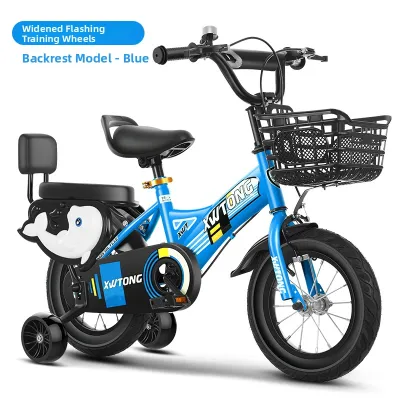
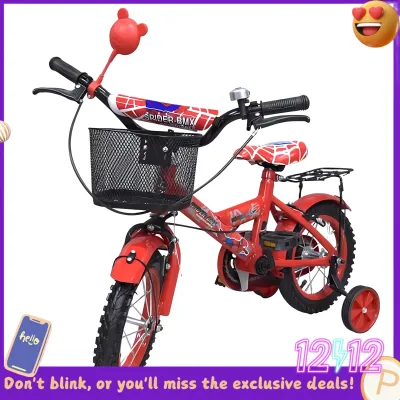
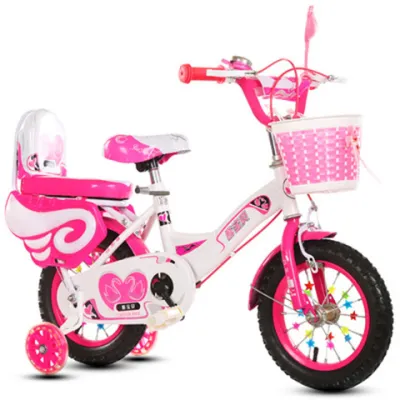
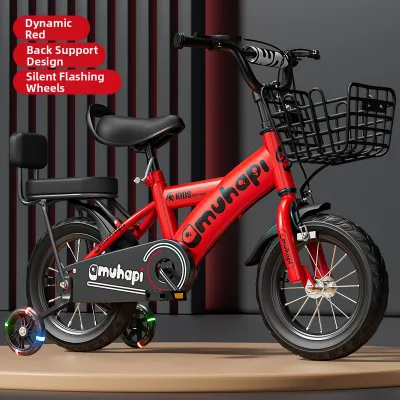
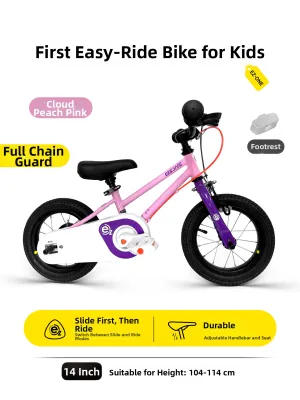
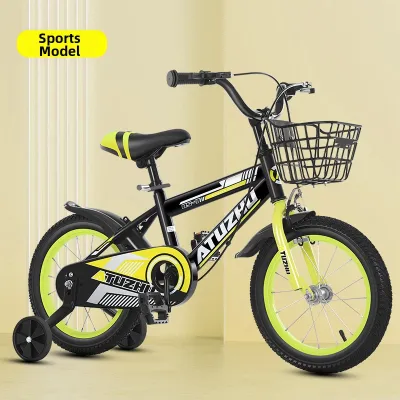
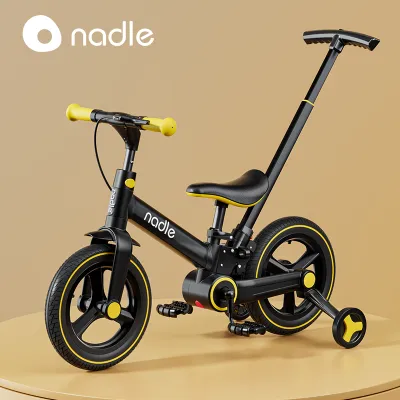
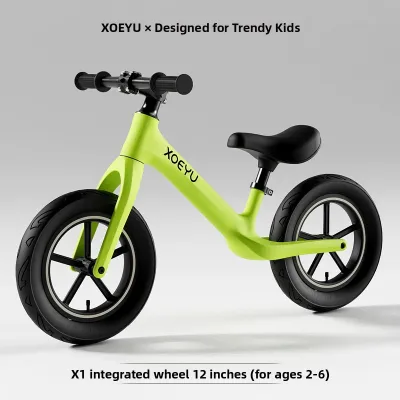
Prices are valid at publication and may change. Please refer to the product page for the latest price.
How to Measure Your Child's Height and Inseam
Getting accurate physical measurements takes only a few minutes but saves months of frustration. Before you start, ensure your child wears the actual closed-toe shoes or sneakers they plan to use while riding. Gather a metal measuring tape, a flat hardcover book, and a pencil to mark the wall.
Measuring Total Height
Have your child stand with their back straight against a flat wall, heels touching the baseboard. Their shoulders should be relaxed, and their gaze should be directed straight ahead. Place a flat, rigid object, such as a hardcover book, horizontally on top of their head so it forms a 90-degree angle with the wall.
Make a light pencil mark on the wall at the bottom edge of the book. Measure the distance from the floor straight up to this pencil mark to record their total height. This overall height serves as the baseline to narrow down the general wheel size category.
Measuring Inseam Length
The inseam is the single most critical measurement for bicycle safety, as it dictates standover height and floor reach. Have your child stand with their feet slightly apart, about 6 to 8 inches, mimicking their stance when straddling a bike. Slide the hardcover book between their legs with the spine facing upward, mimicking the bike saddle.
Gently raise the book until it firmly contacts their crotch, simulating the pressure of sitting on a bicycle seat. Measure the distance from the floor straight up to the top edge of the book. This measurement determines whether your child can safely stand over the top tube and touch the ground when stopping.
Translating Measurements to the Correct Wheel Size
Unlike adult bicycles, which are sized by the frame’s seat tube length, kids bikes are categorized by wheel diameter. The standard progression includes 12-inch, 14-inch, 16-inch, 20-inch, and 24-inch wheels. Each wheel size corresponds to a typical range of heights and inseams, though exact frame geometry varies by manufacturer.
Below is a general reference matrix to help narrow down your options:
| Wheel Size | Typical Child Height | Typical Inseam Range | Common Bike Type / Features |
|---|---|---|---|
| 12-inch | 85 to 100 cm | 30 to 40 cm | Balance bikes or first pedal bikes with training wheels |
| 14-inch | 95 to 110 cm | 35 to 45 cm | Transitional pedal bikes, excellent for petite riders |
| 16-inch | 105 to 120 cm | 40 to 50 cm | Standard early pedal bikes, often with coaster or hand brakes |
| 20-inch | 115 to 135 cm | 50 to 60 cm | Geared or single-speed bikes, introducing hand brakes |
| 24-inch | 130 to 150 cm | 60 to 70 cm | Multi-gear youth bikes, front suspension, mini-mountain designs |
Balance bikes, typically featuring 12-inch wheels, have no pedals and rely on the child pushing off the ground, requiring an inseam equal to or slightly less than the minimum seat height. For first pedal bikes ranging from 12 to 16 inches, the child’s inseam should comfortably match or exceed the minimum seat height so they can plant both feet flat on the ground. As children transition to larger 20-inch and 24-inch wheels, they gain riding experience and can transition to touching the ground with only the balls of their feet.
Always verify the specific manufacturer’s geometry chart before purchasing, as bottom bracket heights and seat post ranges vary significantly between brands. For example, a robust trail-focused 20-inch bike may have a much higher standover height than a city-focused 20-inch cruiser. In the Philippines, budget steel-framed bikes often cost between ₱3,000 and ₱5,000, while mid-range aluminum models range from ₱6,000 to ₱12,000, and premium brands can exceed ₱20,000. Aluminum frames are highly recommended for tropical climates, as high humidity and rainy seasons can quickly rust steel frames if they are not stored indoors.
The Fit Test: Diagnosing a Safe and Comfortable Ride
Once you have selected a potential bike size, a physical fit test is essential to confirm the match. Never rely solely on a chart; have your child sit on and stand over the bicycle to observe their posture and control.
Standover Clearance
Have your child stand straddling the top tube with both feet planted flat on the ground. There must be a visible gap of at least 1 to 2 inches (about 2.5 to 5 cm) between the metal tube and their crotch. This clearance prevents painful impact injuries if they slip off the seat during a sudden stop or loss of balance.
Reach and Handlebars
Observe your child’s posture while they sit on the saddle and grip the handlebars. Their elbows should have a slight, relaxed bend, allowing them to steer comfortably without locking their arms. If they must lean forward excessively or stretch their shoulders to reach the grips, the bike’s cockpit is too long, which compromises steering control. Conversely, if their knees hit the handlebars or their elbows are tucked tightly against their ribs, the cockpit is too cramped.
Braking Access
Have your child place their hands on the grips and attempt to squeeze the brake levers. Their fingers must easily reach and fully compress the levers without having to release or shift their grip on the handlebars. In the local market, many entry-level kids bikes feature stiff, adult-sized brake levers that small hands cannot operate safely. Ensure the bike is equipped with child-specific, short-reach, adjustable brake levers to guarantee reliable stopping power on steep driveways or wet subdivision roads.
Seat Height Adjustment
For beginners and toddlers learning to balance, the saddle must be set low enough that both feet rest completely flat on the ground. This flat-foot contact builds psychological confidence and allows them to stop safely using their feet. For experienced riders who can balance and use hand brakes reliably, raise the seat so only the balls of their feet touch the ground. This higher position ensures proper leg extension during the pedal stroke, reducing knee strain and maximizing pedaling efficiency.
When to Size Up: Signs Your Child Has Outgrown Their Bike
Children grow rapidly, and riding an undersized bicycle can lead to poor posture, joint discomfort, and safety risks. Regularly inspect your child’s riding position to identify signs that it is time to transition to a larger wheel size. Watch for knees that rise too high and nearly strike the handlebars while pedaling, which indicates a cramped cockpit.
A severely hunched back or shoulders rounded forward suggests the frame is too small for their torso length. If you have raised the saddle to its maximum height and the seat post is extended past the manufacturer’s minimum insertion line, stop riding immediately. Operating a bike with an over-extended seat post can crack the frame or cause the saddle to collapse, leading to severe accidents.
When a bike is outgrown, consider passing it down to younger siblings, donating it to local community programs, or selling it online to fund the next size up. High-quality aluminum kids bikes retain excellent resale value in the local market, helping offset the cost of their next upgrade.
Frequently Asked Questions (FAQ)
Should I buy a bigger bike so my child can grow into it?
No, buying an oversized bike is a dangerous practice that compromises safety and riding enjoyment. A bike that is too large is heavy, difficult to steer, and prevents the child from touching the ground securely during a sudden stop. This lack of control leads to frequent crashes, anxiety, and a reluctance to ride. Always buy a bike that fits your child’s current height and inseam measurements to ensure a safe, positive learning experience.
Do kids bikes use frame sizes like adult bikes?
No, adult bicycles are categorized by frame size, such as Small, Medium, Large, or specific seat tube measurements in centimeters or inches. In contrast, kids bikes are almost universally categorized and sold by their wheel diameter, such as 12, 16, 20, or 24 inches. While the frame size does increase proportionally with the wheel size, the wheel diameter remains the primary metric used to identify the correct category.
Community discussion
Share your experience or ask a question. Comments are reviewed before publication.