
Choosing the right kids lifevest requires understanding that water safety is not about age or “room to grow.” Instead, it is about matching the vest’s certified design to your specific water activity and ensuring a precise, snug fit based on your child’s current physical measurements. While swimming lessons and constant adult supervision are the primary lines of defense, a properly fitted, certified flotation device is an indispensable safety net. Keeping children safe around water is a top priority for any parent, especially when planning family trips to the beautiful beaches, lakes, and swimming pools across the Philippines.
Match the Life Vest Type to Your Child's Water Activity
When preparing for water activities, you must match the life vest to the specific aquatic environment and your child’s swimming ability. Different water bodies present unique hazards. For example, open-ocean boat tours or island-hopping trips in deep, choppy coastal waters require high-buoyancy vests designed to turn an unconscious wearer face-up. Conversely, calm inland lakes, resort swimming pools, or slow-moving rivers call for lightweight, flexible vests that allow easier paddling and recreational play.
Always read the manufacturer’s label sewn into the interior of the vest to verify its intended use, certified buoyancy rating, and approved weight limits. Do not rely on generic marketing terms like “swim aid” or “water protector” printed on the packaging. Genuine safety gear carries official certification stamps from maritime safety agencies, such as the US Coast Guard (USCG) or European standards (EN ISO), which specify the exact conditions the vest can handle.
Products mentioned in this guide
![[Local Delivery] Kids Swimming Life Vest Cartoon Animals Print Flotage Life Jacket with Lockable Buckles for Girls Boys 2-12 Years](https://img.lazcdn.com/g/p/c663b7d7a306cf5c0523f9e58d0e8bb0.jpg_400x400q80.jpg_.webp)
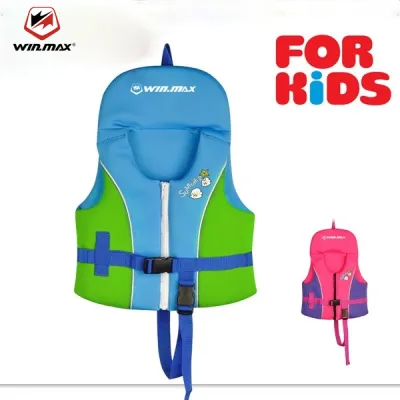
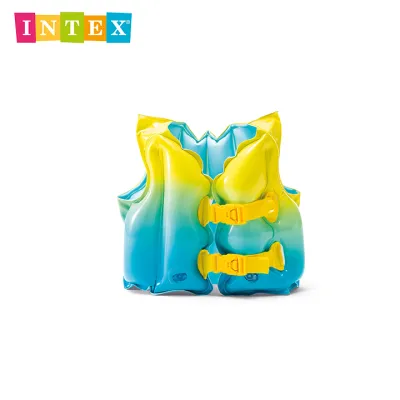
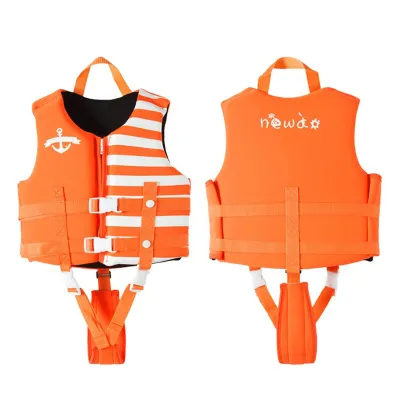
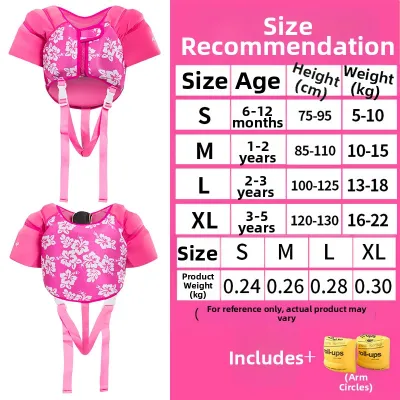
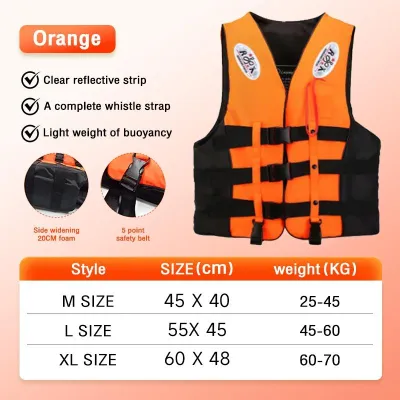
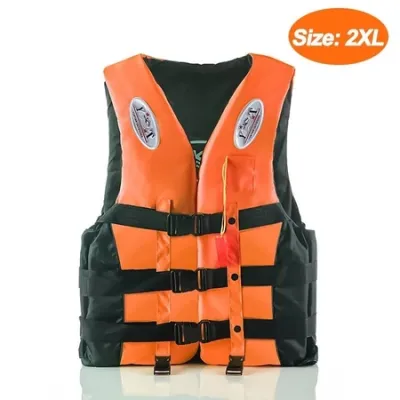
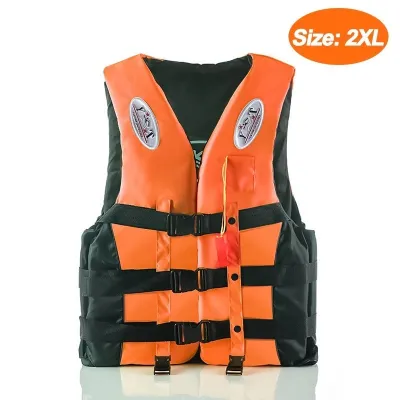
Prices are valid at publication and may change. Please refer to the product page for the latest price.
It is critical to understand that inflatable water wings, plastic swim rings, pool noodles, and other blow-up toys are not life-saving devices. These items are highly susceptible to sudden punctures, valve failures, and slipping off wet skin. They should never be used as a substitute for a certified, inherently buoyant life vest, especially in open or deep water where rescue is not immediate.
Find the Correct Size Using Weight and Chest Measurements
Sizing a kids lifevest is entirely different from buying regular children’s clothing. The most common mistake parents make is selecting a vest based on the child’s age. Age is an incredibly unreliable indicator of size and buoyancy needs, as children of the identical age can vary dramatically in bone density, muscle mass, height, and overall body shape.

Buoyancy is a matter of physics: a flotation device must displace a volume of water that weighs more than the body it is keeping afloat. Therefore, weight is the absolute primary safety metric used by manufacturers to determine buoyancy ratings. Before shopping, weigh your child on a reliable scale to get their exact, current weight.
In addition to weight, you must measure your child’s chest size to ensure the vest wraps securely around their torso. To do this, wrap a flexible measuring tape around the widest part of their chest, directly under their armpits. Keep the tape flat and snug against their skin without pulling it so tight that it restricts their breathing. Note this measurement in centimeters or inches, as different brands use different units on their sizing charts.
Never buy a larger life vest with the intention of letting your child “grow into” it over the coming years. A vest that is too large will fail in the water. When a child wearing an oversized vest jumps or falls into the water, the vest will instantly ride up over their head, trapping their arms inside and pushing the fabric up over their nose and mouth, which can lead to water inhalation. The vest must fit their current weight and chest dimensions perfectly today.
Perform the Fit Test to Ensure Maximum Safety
Once you have selected a vest based on the manufacturer’s size chart, you must perform a physical fit test before letting your child near the water. Start by putting the vest on your child and fastening all zippers, buckles, and adjustable straps. The vest should feel snug, like a warm hug, but not so tight that it causes discomfort or restricts deep breathing.
To verify the fit, perform the “shoulder lift” test. Stand behind your child, grasp the shoulder straps or the top of the arm openings of the vest firmly, and pull upward. If the vest slides up past your child’s chin, nose, or ears, it is too loose or too large. If tightening the straps does not stop the vest from riding up, you must switch to a smaller size or a different model that matches their torso shape better.
For infants, toddlers, and young children, a built-in crotch strap is an essential, non-negotiable safety feature. This strap runs between the child’s legs and clips into the front of the vest, physically preventing the vest from slipping over the child’s head when they are suspended in water. Adjust the crotch strap so it is snug against the body without pinching the skin or causing chafing.
Finally, check your child’s overall mobility and comfort while wearing the vest. Have them bend over, sit down, and swing their arms in wide circles as if they were swimming or treading water. If the armholes are too tight, they will cause painful chafing against the sensitive skin of the armpits, especially in hot, humid tropical climates. Ensure there is enough clearance for free movement while maintaining a secure hold around the chest.
Check for Essential Child-Specific Safety Features
Children’s life vests incorporate specialized safety features that are absent from adult models, designed specifically to address a child’s unique body proportions and water behavior. For infants and toddlers, who have heavier heads relative to their body weight, a built-in padded head support collar is vital. This collar provides extra flotation behind the neck, helping to keep the child’s head tilted back and their airway clear of the water, even if they are tired, scared, or unable to swim.
Another indispensable feature is a heavy-duty grab handle sewn securely onto the back of the neck collar. This handle allows parents, lifeguards, or boat crew members to quickly grab and lift a struggling child out of the water and onto a boat, dock, or paddleboard. In emergency situations, this handle provides an immediate, reliable point of contact to pull a child to safety.
Visibility is also a key factor when choosing a kids lifevest. Opt for bright, high-visibility colors such as neon orange, vibrant yellow, or hot pink. These colors stand out clearly against the blue, green, or murky shades of natural water bodies. Additionally, look for vests equipped with marine-grade reflective tape, which bounces light back to searchers during overcast monsoon weather, low-light conditions, or evening boat rides.
Know When to Replace or Upgrade the Life Vest
A life vest is not a lifetime investment; its materials degrade over time, and your child’s physical growth will eventually render it unsafe. Regularly inspect the vest for physical signs of wear and tear. The intense UV exposure, salt water, and high humidity common in tropical coastal environments can accelerate the breakdown of synthetic fabrics and inner flotation foam.
Examine the foam inserts inside the vest. If the foam feels waterlogged, heavy, stiff, or crumbles under pressure, it has lost its buoyancy and must be discarded immediately. Check for faded or torn outer fabric, frayed webbing straps, rusted metal components, broken plastic buckles, and split zippers. Any compromise to the structural integrity of these fastening systems means the vest can fail under the pressure of water impact.
You must also upgrade the vest as soon as your child exceeds the upper weight limit specified on the manufacturer’s label. Even if the vest still zips up and buckles comfortably, the foam inside is physically calibrated to float a specific maximum weight. Continuing to use an outgrown vest puts your child at risk of sinking below the safety line.
Lastly, consider upgrading or changing the vest type if your child transitions to new, higher-speed water activities. A lightweight vest designed for a calm resort swimming pool is not built to withstand the high-impact forces of wakeboarding, jet skiing, or riding on a fast-moving banana boat. Ensure their safety gear matches their growing skills and changing aquatic environments.
Frequently Asked Questions (FAQ)
Can my child use an adult life vest if it is adjusted to the smallest setting?
No, you should never put a child in an adult life vest, even if the straps can be pulled tight. Adult vests are designed and contoured for mature skeletal frames and muscle distribution. They lack critical child-specific safety features like crotch straps and oversized head support collars. Because the neck opening and armholes on an adult vest are far too large for a child, the child can easily slip straight out of the bottom of the vest upon hitting the water, leaving the empty vest floating on the surface.
Are inflatable life vests safe for young children?
Inflatable life vests are not safe or recommended for infants, toddlers, or young children. Inflatable personal flotation devices typically require the wearer to be conscious, calm, and capable of manually pulling an inflation cord, or they rely on automatic water-activated CO2 canisters that can occasionally fail or delay. Young children often panic when entering the water unexpectedly and lack the physical or mental coordination to manage an inflatable device. For children, always choose inherently buoyant, foam-filled vests that provide instant, passive flotation without requiring any action.
How should I clean and store the life vest to maintain its safety rating?
To preserve the safety rating and lifespan of your kids lifevest, rinse it thoroughly with clean, fresh water after every use, especially after exposure to salt water or chlorinated pool chemicals. Hang the vest to air-dry in a well-ventilated, shaded outdoor area or indoors. Avoid drying it in direct, intense sunlight, as ultraviolet rays rapidly degrade the nylon outer shell and weaken the internal flotation foam. Never use harsh chemical detergents, bleach, or fabric softeners, and do not wash or dry the vest in household machines. Once completely dry, store the vest in a cool, dry, and dark place to prevent mold, mildew, and material rot.
Community discussion
Share your experience or ask a question. Comments are reviewed before publication.