
Choosing the right kite flying thread depends on matching the thread’s tensile strength and material to your kite’s overall surface area and the prevailing wind velocity. A thread that is too heavy will drag your kite down, while one that is too weak will snap under the pressure of sudden gusts. Whether you are rigging a simple diamond kite for a light backyard breeze or spooling a heavy-duty reel of alexander kite flying thread for a larger beach flyer, understanding how line materials and weight capacities interact is the key to a stable, successful flight.
Selecting the wrong line can result in a lost kite or a frustrating day of constant tangling. By analyzing your equipment and the environment before you head out, you can ensure your kite climbs smoothly and remains securely anchored to your spool.
Assess Your Kite Size and Local Wind Conditions
To establish the baseline requirements for your kite line, you must first evaluate your specific kite type, its dimensions, and how it behaves in the air. Small kites under one meter in wingspan, such as classic diamonds or lightweight plastic deltas, experience very little aerodynamic drag and require minimal line strength. Conversely, larger designs like cellular box kites, sleds, or dual-line parafoils present a massive surface area to the wind, generating substantial pull that can easily snap standard threads.
Products mentioned in this guide
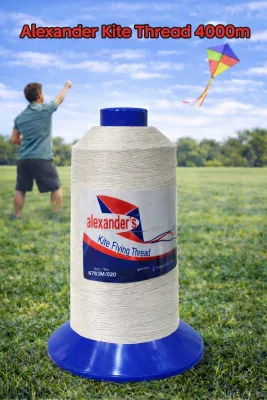
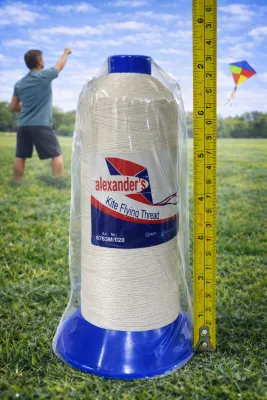
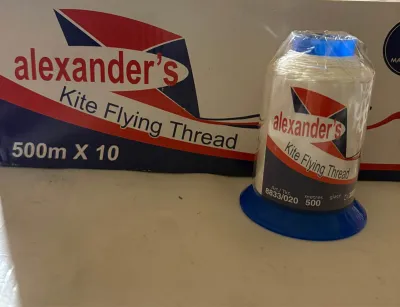
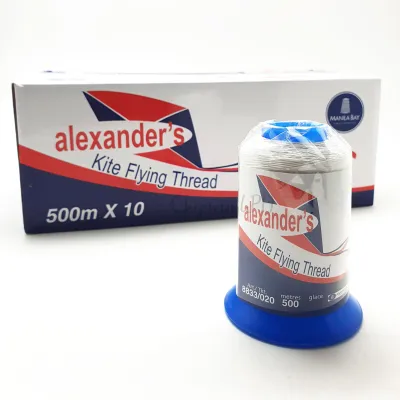
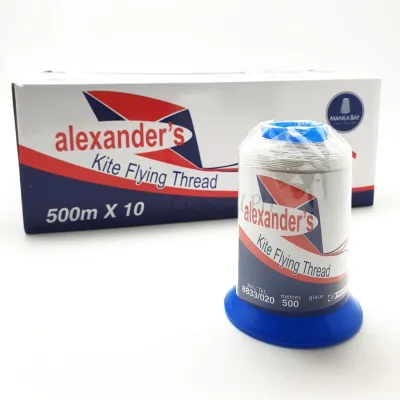
Prices are valid at publication and may change. Please refer to the product page for the latest price.
Local wind conditions dictate how much tension your line will experience during flight. In the tropical climate of the Philippines, coastal areas and beaches—such as those in Boracay, La Union, or the open fields of Pampanga—frequently feature strong, highly gusty sea breezes. During the Amihan (northeast monsoon) season, winds can be steady but remarkably powerful, while the Habagat (southwest monsoon) season often brings sudden, turbulent gusts. These environments demand highly durable lines with excellent tension resistance, whereas inland parks or urban open spaces with light, sheltered breezes are much more forgiving.
Before purchasing any thread, always check the kite manufacturer’s label, packaging, or manual for recommended line weight and length specifications. Manufacturers design their bridles to distribute load based on specific line ratings, and deviating too far from these recommendations can alter the kite’s flight angle or damage its frame.
Match Thread Material and Strength to Your Setup
Matching your thread material and breaking strength to your kite design and local wind conditions prevents mid-air breakages and ensures responsive control.

Comparing Common Kite Thread Materials
- Cotton: This is a traditional, budget-friendly option that is soft on the hands and easy to tie without slipping. However, cotton thread is relatively thick, heavy, and highly prone to tangling. In high-humidity environments, cotton fibers quickly absorb moisture from the air, which significantly reduces their overall tensile strength and makes them susceptible to rot if stored damp.
- Nylon and Polyester: These synthetic materials are the most common choices for modern family and recreational kites because they offer an excellent balance of durability, UV resistance, and affordability. Nylon has a natural elasticity that helps absorb the shock of sudden wind gusts, though excessive stretch can make steering sluggish. Polyester (often sold as Dacron) has very little stretch, providing highly responsive control and superior resistance to moisture and intense tropical sunlight.
- High-Modulus Polyethylene (Dyneema or Spectra): These advanced fibers are incredibly thin, lightweight, and virtually stretch-free, making them the gold standard for high-pull stunt kites or extreme wind conditions. Because these lines are exceptionally slippery, they require specialized knots to prevent slipping and mandatory protective gloves to avoid severe friction burns.
- Commercial Brands: When evaluating commercial options, including alexander kite flying thread or other recognizable retail brands, always verify the specific material composition and labeled tensile strength on the packaging rather than relying solely on the brand name. Ensure the thread is explicitly rated for outdoor kite flying rather than general household sewing.
Calculating the Right Breaking Strength
Breaking strength, measured in pounds (lbs) or kilograms (kg), indicates the maximum load a line can support before it snaps. To determine the correct rating, you must account for both the static weight of the kite and the dynamic pull force generated by the wind.
As a safety margin, always select a thread with a breaking strength that is at least 20% to 30% higher than the maximum expected pull of your kite in strong gusts. For example, if a medium-sized delta kite pulls with an estimated force of 30 pounds in moderate winds, pair it with a 45-pound or 50-pound test line to prevent snap-offs during sudden wind shear.
Avoid the temptation to use excessively strong, thick lines for small kites. A heavy 100-pound test line on a small pocket kite adds unnecessary weight and aerodynamic drag along the entire length of the line, causing it to bow deeply and drag the kite down toward the ground.
Determine the Ideal Thread Length and Line Thickness
Finding the right balance between line length and thickness ensures your kite can reach stable wind currents without being weighed down by its own tether.
- Standard Lengths: For small children's kites and light-wind single-line flyers, a line length of 50 to 100 meters is ideal, keeping the kite within easy visual range and manageable control. Medium to large recreational kites typically perform best with 150 to 300 meters of line, allowing them to climb past turbulent ground winds into smoother, higher-altitude currents. Lines longer than 300 meters are generally reserved for specialized high-altitude flying, as they require advanced tension management and heavy-duty reels.
- Line Thickness (Diameter): Thicker lines create more aerodynamic drag as the wind pushes against the surface area of the thread. In light winds, a thick line will bow heavily, pulling the nose of the kite downward and preventing it from climbing. Use the thinnest line diameter possible that still safely meets your calculated breaking strength to minimize drag and maximize altitude.
- Spool and Winder Selection: Match your spool or winder to the volume and weight of your line. Budget-friendly plastic winders pre-spooled with basic thread typically cost under ₱150, while professional-grade, high-impact plastic or aluminum reels designed for heavy-duty lines can range from ₱500 to over ₱2,500. An oversized winder adds unnecessary weight to your gear, while an undersized winder will crowd the line, leading to overlaps and tangles.
Step-by-Step Guide to Spooling and Attaching the Thread
Properly preparing and securing your kite line before launch prevents tangles and ensures your kite does not fly away.
- Inspect the Thread: Before heading out, unspool the first few meters of your line. Run the thread between your fingers to check for visible frays, knots, or stiff patches caused by UV exposure or salt buildup, and cut away any damaged sections.
- Tie a Secure Knot: Use a reliable knot to attach your line to the kite's bridle or central tow point. The Lark's head knot is highly recommended because it creates a secure, self-tightening loop that is easy to undo when packing up. Alternatively, a bowline knot provides a highly reliable, fixed loop that will not slip under tension.
- Wind the Line Evenly: When loading thread onto your winder or reel, maintain light, consistent tension on the line. Guide the thread back and forth across the width of the spool to prevent it from bunching up in one spot, which causes overlapping loops that can jam during deployment.
- Secure the Winder: Always lock or anchor the line to your winder handle before launching. If a sudden gust of wind catches the kite, an unsecured winder can spin out of control, emptying the entire spool in seconds and losing both your line and your kite.
Safety Boundaries and Line Maintenance
Kite flying is a safe and enjoyable activity when you respect physical safety boundaries and maintain your equipment properly.
- Safety Warnings: Never fly kites near overhead power lines, active roads, railways, or airports. If a kite line makes contact with a power line, it can conduct electricity directly to your hands, especially if the line is damp or contains synthetic metallic blends. If the wind increases suddenly and begins to strain your line to its limit, do not try to fight the tension; walk toward the kite to relieve the pull and bring it down safely.
- Handling Safety: High-pull synthetic lines like polyester and Dyneema can cause severe friction burns or deep cuts if they slide rapidly through bare hands. Always wear lightweight, snug-fitting gloves (such as sailing, cycling, or work gloves) when handling medium to large kites in moderate to strong winds.
- Cleaning and Storage: Tropical coastal environments expose your gear to abrasive sand and salt spray. After flying near the ocean, unspool the used portion of the line and rinse it thoroughly with clean, fresh water. Allow the line to dry completely in a shaded, well-ventilated area before rewinding it onto the spool; storing wet line leads to mildew, rot, and rapid fiber degradation.
- Replacement Signals: Regularly inspect your line for wear and tear. Replace your thread immediately if you observe visible fraying, a rough or fuzzy texture, stiff sections that do not bend smoothly, or significant color fading, which indicates severe UV damage from the tropical sun.
Frequently Asked Questions (FAQ)
Can I use regular sewing thread or fishing line for my kite?
Regular sewing thread is designed for fabric assembly and lacks the tensile strength, elasticity, and UV resistance required to withstand outdoor wind forces, causing it to snap almost instantly. Fishing line, while strong, is highly elastic and slippery, making it difficult to knot securely without slipping. Furthermore, monofilament fishing line is virtually invisible in the air and can act like a sharp blade under tension, posing a severe safety hazard to you and bystanders. Dedicated kite thread is engineered to be visible, easy to knot, and structurally stable under constant tension.
How do I safely untangle severely knotted kite line?
Avoid pulling the loose ends of the line, as this will only tighten the knots and lock them in place. Instead, lay the tangled section flat on a clean, hard surface and gently massage the knot between your fingers to loosen the individual loops. Use a blunt tool, such as a plastic spool edge or a smooth wooden stick, to carefully pry the loops apart. If a knot has been pulled extremely tight under high tension, the fibers in that section are likely crushed and weakened; it is safest to cut out the damaged section and reconnect the line using a secure fisherman’s knot or replace the line entirely.
Community discussion
Share your experience or ask a question. Comments are reviewed before publication.