
Choosing the right kite for a boy involves matching his physical development, coordination, and attention span with the appropriate design. In the tropical climate of the Philippines, where coastal breezes and open park winds vary, selecting the correct model ensures a fun, frustration-free outdoor experience. For toddlers, lightweight, frameless pocket sleds or simple single-line diamond kites are ideal because they launch with minimal effort. As boys grow into early elementary ages, standard delta kites offer more control and teach basic wind awareness. For older pre-teens, dual-line stunt kites or parafoils provide an exciting challenge that builds hand-eye coordination and patience.
Understanding Your Child's Readiness and Skill Level
Before purchasing a kite, parents should evaluate their child’s physical capabilities and developmental readiness. Flying a kite is not just about letting go of a string; it requires a combination of grip strength, spatial awareness, and motor control. Observe how securely your child can hold a spool or handle. A sudden gust of wind can pull a kite handle out of a small child’s hands, leading to lost equipment or minor injuries.
Patience and the ability to follow instructions are equally important. Younger children often want to run immediately with the kite, which can cause it to crash repeatedly. Assess whether your child can stand still, monitor the wind, and respond to basic guidance on when to pull or release the line. If they prefer active, high-energy play without strict rules, a simple, self-launching kite that requires minimal input is best. For children who enjoy problem-solving and can focus on a single task for longer periods, a kite that requires active steering and coordination will keep them engaged without causing frustration.
Products mentioned in this guide
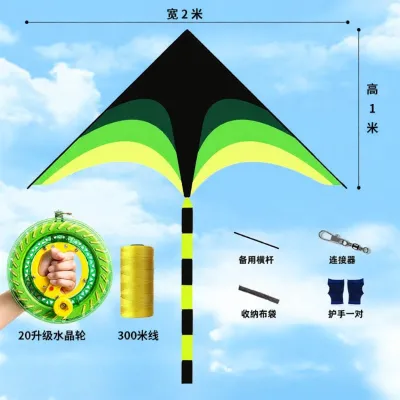
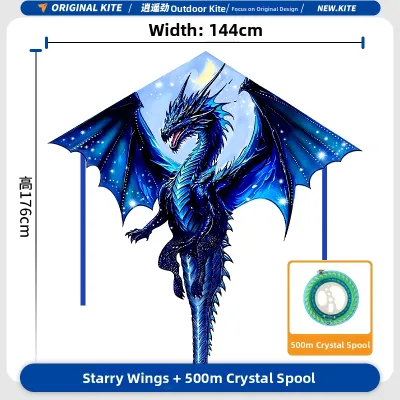
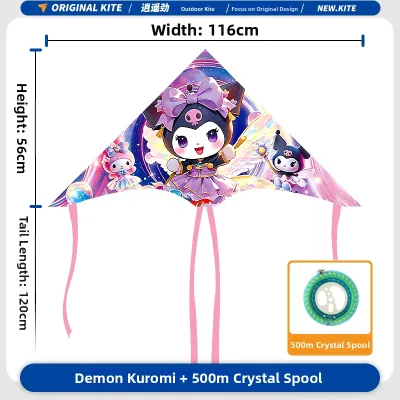
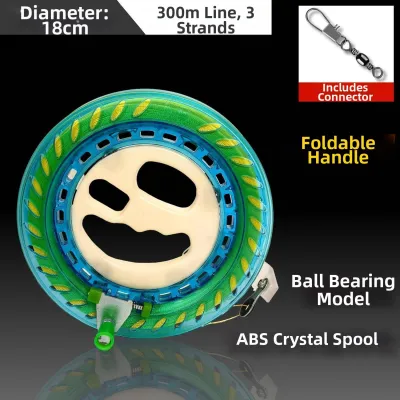
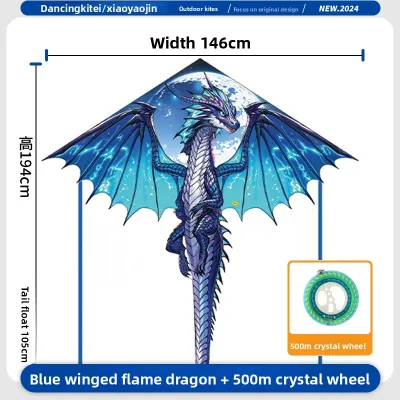
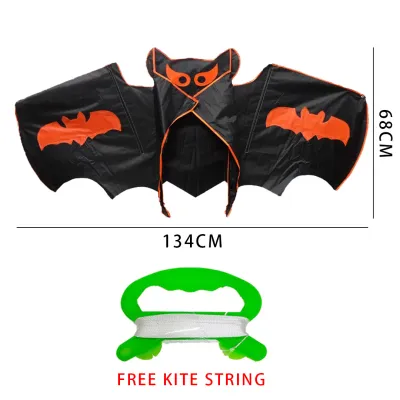
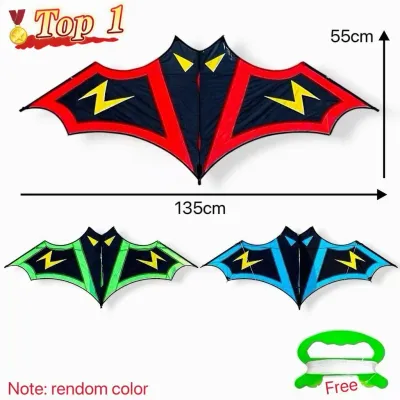
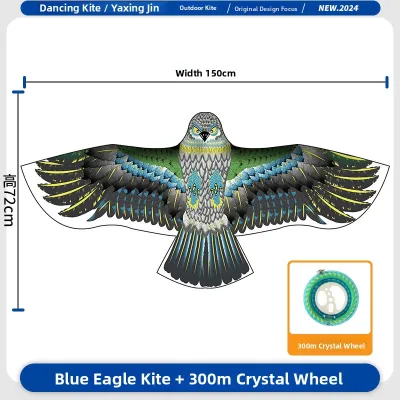
Prices are valid at publication and may change. Please refer to the product page for the latest price.
Matching Kite Designs to Age Groups and Abilities
The relationship between a kite’s surface area, frame complexity, and the flyer’s age is a critical factor in a successful flight. Larger kites catch more wind, which generates greater pull and requires more physical strength to manage. Conversely, very small kites can be highly unstable if they lack proper tail balance. Understanding how different shapes behave in the air allows parents to select a model that matches their child’s physical strength and helps them develop essential outdoor skills.

Different designs teach different lessons. A basic single-line kite teaches wind awareness, line tension management, and patience. As the frame complexity increases, so does the need for careful assembly and tuning. Transitioning through various kite shapes allows boys to gradually master the physics of flight, moving from passive observation to active aerodynamic control.
Toddlers and Preschoolers (Ages 3–5): Simple and Lightweight Options
For toddlers and preschoolers, the primary goal is immediate success with minimal frustration. At this stage, children have limited grip strength and short attention spans. The most suitable options are single-line, pre-assembled kites, such as pocket sleds or miniature parafoils. Because these designs lack rigid frames, they are virtually indestructible when they crash and can be stuffed directly into a pocket or beach bag.
If you prefer a classic look, simple diamond or delta shapes with built-in, long tails offer excellent inherent stability. Look for lightweight frames made of flexible materials that can rise into the air with even the gentlest breeze. Keep the flying lines short—around 15 to 30 meters—to prevent tangling and make it easy for parents to intervene if the kite drifts toward obstacles. Bright, high-contrast colors and fun patterns are excellent for maintaining interest during short outdoor sessions at the local park or beach.
Early Elementary (Ages 6–8): Building Control with Basic Designs
As boys enter early elementary school, their coordination and understanding of cause-and-effect improve significantly. This is the ideal age to transition to standard delta or diamond kites that require basic assembly. Simple assembly teaches children how the kite’s structure works and gives them a sense of ownership over their gear.
These kites typically require active line tension management. Boys will learn how to feel the wind’s pull through the line, letting out more string when the breeze picks up and winding it in when the wind drops. Introducing detachable tails is a great way to teach aerodynamics; children can observe how adding a tail stabilizes the kite in strong winds, while removing it allows for easier flight in lighter breezes. At this stage, you can safely introduce longer lines, allowing the kite to reach higher altitudes where the wind is steadier, building the child’s confidence as a capable flyer.
Older Boys and Pre-Teens (Ages 9–12): Advanced Shapes and Stunt Kites
Older boys and pre-teens possess the physical strength, hand-eye coordination, and patience required for more complex flying experiences. For this age group, dual-line stunt kites, box kites, or larger parafoils offer an exciting challenge. Dual-line kites allow the flyer to actively steer the kite, performing loops, dives, and figure-eights in the sky.
Before upgrading to an advanced model, always check the manufacturer’s skill ratings and wind limits printed on the packaging. Stunt kites require a steep learning curve and can crash at high speeds, so it is crucial to practice in wide-open, obstacle-free areas like empty sports fields or quiet beaches. Ensure your child understands that these kites generate significant pull, meaning they must be flown with proper safety gear and under adult supervision until the child demonstrates consistent control.
Key Features to Check Before Buying
When shopping for a kite on local online marketplaces or at outdoor specialty shops in the Philippines, checking the physical specifications on the product label ensures you get a durable item. First, examine the frame materials. Fiberglass spars are highly common because they offer a balanced mix of flexibility, durability, and affordability, making them suitable for beginners. Carbon fiber is lighter and stiffer, providing excellent performance for advanced stunt kites, though it is generally more expensive. Avoid wooden dowels in humid coastal areas, as moisture can warp the wood over time.
Next, verify the sail material. Look for indicators of ripstop nylon or high-density polyester. These fabrics are woven with a reinforcing technique that prevents small punctures or tears from spreading across the sail when the kite inevitably brushes against branches or rough ground.
Finally, inspect the line and handle. The line should have a rated tensile strength appropriate for the kite’s size; larger kites require stronger lines to prevent snapping under high tension. Ensure the handle is ergonomically designed for a child’s hand size. For older kids flying high-pull kites, look for handles that feature a wrist strap or a secure winding lock to prevent the line from unraveling uncontrollably during sudden gusts.
Evaluating Flying Conditions and Locations
A successful kite-flying outing depends heavily on choosing the right environment and weather conditions. Instead of relying on precise wind speed numbers from weather apps, which may not reflect the microclimate of your specific location, observe natural indicators. Look at the leaves on nearby trees or the movement of flags. If the leaves are completely still, there is likely not enough wind to lift most kites. If large branches are swaying violently or umbrellas are turning inside out, the wind is too strong and could damage the kite or pull it out of a child’s hands.
Location selection is critical for safety and performance. Always choose wide-open spaces such as public parks, open sports fields, or sandy beaches. Strictly avoid flying near overhead power lines, busy roads, railway tracks, or airports. Taking the time to travel to a clear, open space is essential to avoid low-hanging utility cables. If you arrive at your destination and find the wind is too gusty or unpredictable for your child’s skill level, be prepared to switch to alternative outdoor activities rather than risking a damaged kite or an unsafe situation.
Safety Guidelines and Basic Kite Maintenance
Safety must always be the top priority when flying kites with children. Establish strict, non-negotiable rules before launching. Never fly a kite near electrical infrastructure, as wet lines or carbon spars can conduct electricity. If a kite becomes tangled in a power line, instruct your child to let go immediately and contact local utility services. Additionally, never fly during thunderstorms or when lightning is visible in the distance.
For older boys handling high-tension stunt kites or flying in strong coastal breezes, wearing lightweight protective gloves is highly recommended. This simple precaution prevents painful line burns if the string slips rapidly through their fingers.
Proper maintenance after each flight will prolong the lifespan of your equipment. After flying in humid or salty coastal air, wipe down the sail with a damp cloth to remove salt residue, dry the frame completely to prevent mold, and wind the line neatly onto the spool without tangles. Store the kite in its protective sleeve in a cool, dry place away from direct sunlight to prevent the fabric from fading or weakening.
Frequently Asked Questions (FAQ)
What should I do if the kite keeps crashing or spinning in circles?
If your kite is unstable, first inspect the frame to ensure all spars are fully inserted and the sail is taut. Check for missing, tangled, or uneven tails, as tails provide the drag necessary to keep the kite pointed upward. Next, examine the bridle—the string harness attached to the kite body—and adjust the connection point according to the manufacturer’s instructions to alter the flying angle. Finally, assess the wind conditions; spinning often occurs when the wind is too strong for a lightweight design, or too weak to keep a heavier kite inflated.
Are stunt kites safe for beginners?
Stunt kites are generally not recommended for absolute beginners, especially younger children. Because they use two lines to control steering, they require fast reflexes, constant hand-eye coordination, and a solid understanding of wind windows. Mishandling a dual-line kite can lead to high-speed crashes that damage the frame or cause line burns to the flyer and bystanders. It is best to start with a stable, single-line delta or diamond kite to build foundational wind awareness and line-handling skills before upgrading to a stunt model.
Community discussion
Share your experience or ask a question. Comments are reviewed before publication.