
To get your kite soaring high and steady, choosing the right tali ng saranggola (kite string) is just as important as building or buying the perfect kite. The string serves as the vital link between your hands and the wind, transmitting every gust and pull. If your string is too thin, a sudden gust of wind can snap it instantly, sending your hard work drifting away. Conversely, if the string is too thick and heavy, it adds unnecessary weight and drag, keeping your kite stubbornly grounded. Finding the perfect balance requires understanding how different kite sizes, materials, and local wind conditions interact.
In the Philippines, kite flying is a cherished outdoor activity, especially during the dry, windy months. Whether you are flying a simple homemade paper chapi-chapi with your children in a local barangay plaza or launching an intricately designed guryon on a wide beach, matching your string to your specific setup is the key to a successful flight. By evaluating the material, thickness, and length of your line, you can ensure your kite stays securely anchored while maximizing its altitude and stability.
Understanding Kite String Materials and Basic Properties
Before selecting a string, you must understand the materials available in the market and how their unique properties affect flight performance. Kite strings are not one-size-fits-all; different fibers behave differently under tension, humidity, and wind resistance.
Products mentioned in this guide
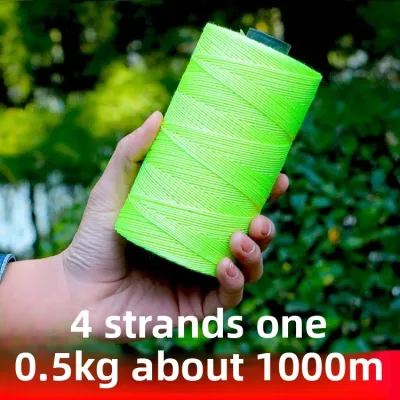
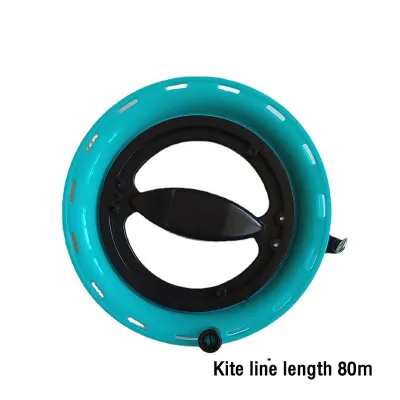
Prices are valid at publication and may change. Please refer to the product page for the latest price.
- Cotton: This is the most traditional and widely accessible material for kite flying in the Philippines. Often sold in local shops as crochet thread, cotton is highly favored for family activities because it is soft on the hands and easy to knot. It provides an excellent grip, making it highly manageable for young children. However, cotton has a relatively low tensile strength and readily absorbs moisture from the humid tropical air, which increases the overall weight of the line and can cause the string to rot if stored wet.
- Nylon: A popular synthetic alternative known for its smooth texture, high strength, and impressive elasticity. Nylon strings can stretch significantly under load, acting like a shock absorber when sudden gusts of wind hit your kite. This elasticity helps prevent sudden snap-offs. However, nylon is slippery, meaning knots must be tied with extra care to prevent unraveling. It can also cause severe friction burns if the string slips rapidly through your bare hands during a strong pull.
- Polyester (Dacron): The modern standard for both casual and professional kite flyers. Unlike nylon, braided polyester has very little stretch, giving you direct, responsive control over your kite's movements. It is highly durable, resistant to UV damage from the intense tropical sun, and does not absorb water, making it immune to rot and moisture-related weight gain.
String thickness is typically defined by its tensile strength, measured in pounds (lbs) or kilograms (kg), which indicates the maximum load the string can support before breaking. Thicker strings have higher tensile strength but are physically heavier and have a larger surface area. This larger surface area creates aerodynamic drag as the wind pushes against the line, bowing the string and pulling the kite downward. Thinner strings minimize this drag, allowing the kite to fly at a steeper angle and reach higher altitudes, but they offer much less resistance to breaking.
When selecting a string, safety must always be your top priority. You must strictly avoid using glass-coated, metallic, or abrasive strings, which are sometimes used in competitive kite fighting (often called manja or chemical lines). These abrasive strings are incredibly hazardous. They can easily slice through human skin, cause severe injuries to unsuspecting motorcyclists, and harm local wildlife, particularly birds. Furthermore, if an abrasive or metallic string makes contact with overhead power lines—which are common in residential areas across the Philippines—it can cause catastrophic electrical short circuits, localized power outages, and fatal electric shocks. For safe, enjoyable family outdoor activities, always stick to standard, uncoated synthetic or cotton strings.
Assessing Your Saranggola Size and Typical Wind Conditions
To choose the ideal tali ng saranggola, you must accurately assess two primary variables: the physical size of your kite and the strength of the wind on the day you plan to fly.

Kites can generally be categorized into three distinct size groups:
- Small Kites: These include lightweight, children's toy kites, simple plastic or paper diamond shapes (such as the traditional chapi-chapi), typically measuring under 50 centimeters in width. They exert very little pull, even in brisk winds.
- Medium Kites: This category covers standard traditional Filipino kites like the guryon or boka-boka, standard commercial delta kites, and entry-level stunt kites, ranging from 50 centimeters to 1.5 meters in width. They generate a moderate, steady pull.
- Large Kites: These are complex builds, large parafoils, or giant show kites measuring over 1.5 meters in width. These kites have a massive surface area and can generate immense lifting power, requiring heavy-duty rigging to control.
Understanding wind conditions is equally crucial, and you can rely on simple visual cues in your surroundings:
- Light Breeze: Leaves on trees rustle gently, and you can feel the wind lightly on your face. Small, ultra-lightweight kites fly well in these conditions, but heavier ones struggle.
- Moderate Wind: Small branches on trees begin to sway, and loose paper or dry leaves are lifted off the ground. This is the ideal wind range for almost all medium-sized traditional and commercial kites.
- Strong Wind: Large tree branches move continuously, umbrellas are difficult to keep open, and coconut fronds sway vigorously. In these conditions, only sturdy, well-constructed kites with heavy-duty strings should be flown.
In the Philippines, seasonal wind patterns play a major role in outdoor adventures. The Amihan season (the cool northeast monsoon), which typically runs from October to April, brings strong, steady, and predictable winds that are perfect for flying larger or more complex saranggola. Conversely, the Habagat season (the southwest monsoon) often brings warm, highly gusty, and unpredictable winds, frequently accompanied by sudden rain showers. Gusty winds demand stronger, slightly thicker strings to absorb the sudden spikes in tension without snapping.
Matching String Thickness and Material to Your Kite and Wind
Once you have determined your kite’s size and the current wind conditions, you can use the following guidelines to match them with the correct tali ng saranggola.
- Small Kites in Light to Moderate Wind: Choose a thin cotton thread (such as standard No. 10 or No. 20 crochet thread) or a very fine nylon line with a tensile strength of 10 to 20 pounds. Because small kites have a limited surface area, they do not generate enough lift to carry a heavy string. A thin, lightweight line minimizes aerodynamic drag, allowing the small kite to climb easily into the sky.
- Medium Kites in Moderate Wind: A medium-thickness braided polyester (Dacron) or standard braided nylon line with a tensile strength of 30 to 50 pounds is highly recommended. This range provides more than enough strength to handle the steady pull of a standard bamboo-framed saranggola without adding excessive weight. Braided lines are preferred over twisted lines because they do not untwist under tension, which helps prevent unwanted spinning.
- Large Kites or Strong/Gusty Wind: Choose a thick, high-tensile braided polyester line or a specialty Kevlar-core line rated at 80 to 150 pounds or more, depending on the manufacturer's recommendations. Large kites in strong winds generate an immense amount of physical pull. A thick, heavy-duty line is absolutely necessary to withstand sudden wind spikes. While the thicker line will add noticeable weight and drag, the high lifting capacity of a large kite easily overcomes this resistance.
If you are using a commercially manufactured kite, always check the product packaging or the manufacturer’s instruction manual for specific line strength recommendations. Manufacturers often test their designs under various wind conditions to determine the exact breaking strain required for safe operation.
Be highly mindful of the twin risks of over-lining and under-lining. Over-lining occurs when you use a string that is far too thick and heavy for your kite. For example, using a 100-pound braided polyester line on a small paper chapi-chapi will simply weigh the kite down, preventing it from ever lifting off the ground. Under-lining, on the other hand, occurs when you use a line that is too weak for the kite or the wind. If you attempt to fly a medium-sized guryon in strong Amihan winds using thin sewing thread, the line will snap almost immediately, resulting in a lost kite.
Determining the Ideal String Length and Choosing a Reel
The length of your kite string directly influences how high your saranggola can fly and how stable it remains in the air. While it is tempting to let out as much line as possible to achieve extreme heights, you must manage the physical trade-offs involved.
As you let out more string, the weight of the line suspended in the air increases. Additionally, the wind blowing against the long string creates a significant amount of aerodynamic drag, causing the line to bow. This bow pulls the nose of the kite downward, reducing its overall flight angle. In open areas with steady winds, a longer line allows your kite to reach the higher, smoother air currents that flow far above ground-level obstructions. However, in turbulent or lighter winds, an excessively long line can drag the kite down.
Consider these general string length guidelines based on your flying environment:
- Short Lines (50 to 100 meters): Best for small children's kites, beginners, or when flying in somewhat confined spaces like local community parks or school fields. This length keeps the kite easily manageable and quick to retrieve if the wind drops.
- Medium Lines (100 to 200 meters): The standard range for flying a traditional saranggola in wide open spaces, such as large public parks, empty fields, or spacious beaches. It offers an excellent balance between high altitude and easy line management.
- Long Lines (200+ meters): Reserved for large kites flown by experienced flyers in massive, completely unobstructed areas, such as coastal shorelines, reclamation zones, or wide-open rural fields.
Managing hundreds of meters of string requires a proper reel or spool (locally referred to as a winder, karitela, or gulong). For small, lightweight children’s kites, a simple static plastic spool or a traditional wooden H-frame winder is perfectly adequate. These are inexpensive, lightweight, and easy for small hands to hold.
For medium to large kites, investing in an ergonomic, rotating hoop reel with integrated ball bearings is highly beneficial. These circular reels allow you to wind and unwind the string rapidly, reducing hand fatigue and preventing the line from twisting. They also feature smooth braking systems that let you control the release of the line when the kite pulls hard.
When winding your string back onto the reel, always apply slight, even tension and wind it back and forth across the spool. If you wind the string too loosely or unevenly, the outer layers of the line can bite or dig deep into the loose inner layers under the high tension of the next flight. This creates severe jams and tangles that can be incredibly difficult to resolve in the field.
Tying the String and Performing Pre-Flight Safety Checks
A secure connection between your string and your kite is critical. If your knot slips or unravels, your saranggola will fly away, leaving you with an empty reel.
To attach your string to the kite’s bridle (locally known as the gusi or tow point), you should use a reliable, non-slipping knot. The Lark’s head knot (also known as a cow hitch) is highly recommended for commercial kites that feature a pre-made knot or ring on the bridle. This knot is incredibly simple to tie, highly secure, and actually tightens itself under tension. For traditional bamboo-and-paper kites where you must tie directly to a wooden frame or a string bridle, a double bowline or a secure running bowline is excellent. These knots create a fixed, non-slip loop that will not constrict or slide along the bridle, preserving the delicate balance of your kite.
Before launching your kite into the air, always perform a quick, systematic pre-flight safety inspection:
- Check the Line: Run a gloved hand along the first five to ten meters of the string—the section closest to the kite that experiences the highest amount of stress, movement, and potential ground contact. Feel for any frays, knots, or physical abrasions that could compromise its strength.
- Inspect the Bridle: Ensure the bridle strings are securely tied to the kite's frame and that the tow point is centered. An off-center bridle will cause the kite to spin or dive uncontrollably.
- Test the Reel: Verify that your reel or spool rotates smoothly and that there are no loose loops of string that could catch on the handle or frame during launch.
Environmental safety is paramount when flying kites in the Philippines. You must strictly avoid flying near overhead power lines, electrical posts, or transformers. Wet or dirty kite strings can conduct electricity, posing a lethal shock hazard if they touch a live wire. Never fly kites near busy roads, highways, or airports, as a falling kite can distract drivers or interfere with aviation safety. Always choose wide, open spaces free of trees, buildings, and crowds.
If you are flying medium to large kites in moderate to strong winds, always wear protective gloves. Simple cotton work gloves or gardening gloves will protect your palms and fingers from painful friction burns or deep cuts if the kite pulls suddenly. Finally, establish a clear “stop and retrieve” condition: if the wind becomes dangerously gusty, if you see dark rain clouds forming (indicating an approaching tropical thunderstorm), or if the kite begins to behave erratically and dive toward bystanders, bring the kite down immediately and pack up your gear for the day.
Frequently Asked Questions (FAQ)
Can I use regular sewing thread or fishing line for my saranggola?
Regular sewing thread is highly unsuitable for outdoor kite flying because it lacks the necessary tensile strength. It breaks easily under the slightest gust of wind and is highly prone to tangling into tight, unfixable knots. Monofilament fishing line is also highly discouraged. While it is strong, fishing line is incredibly slick, stretches unpredictably, and is very difficult to knot securely. More importantly, thin fishing line is virtually invisible in the air and can act like a sharp wire, posing a severe cutting hazard to your hands, bystanders, and wildlife. Always use purpose-made cotton or braided synthetic kite strings.
How do I untangle severely knotted kite string?
If your kite string becomes badly tangled, avoid the temptation to pull the loose ends tightly, as this will only lock the knots further. Instead, lay the tangled section flat on a clean, hard surface. Use a blunt, pointed tool—such as a toothpick, a knitting needle, or a smooth wooden stick—to gently pry open and loosen the center of the tightest knots. Work patiently from the outside of the tangle inward, gently feeding the loose ends back through the loops until the line is clear.
Is it safe to fly kites with coated or glass string in the Philippines?
No, it is highly unsafe and dangerous to use glass-coated, metallic, or abrasive strings (often called manja). These strings are designed to cut other kite lines, but they pose a severe threat to public safety. They can cause deep, life-threatening lacerations to children, pedestrians, and passing motorcyclists. They are also highly destructive to local wildlife and can cause widespread power outages or fatal electrocutions if they drape over electrical lines. To ensure a safe, family-friendly outdoor experience, always use standard, uncoated cotton, nylon, or polyester strings.
Community discussion
Share your experience or ask a question. Comments are reviewed before publication.