
Selecting the ideal kite string reel and line capacity is the key to a successful, stress-free flying experience. The right combination ensures you can control your kite comfortably, prevent runaway gear, and avoid the frustration of snapped lines. To make the correct choice, you must balance the physical dimensions of your kite, the typical wind conditions of your flying venue, and the mechanical limits of the reel itself.
In the Philippines, kite flying is a beloved outdoor activity, often enjoyed in wide-open spaces like coastal beaches, public parks, and windy hillsides during the dry season. The combination of strong sea breezes and high humidity means your equipment must be chosen with care. A reel that is too small or a line that is too thin can quickly fail when subjected to sudden tropical gusts, while an oversized, heavy reel can turn a fun family outing into an exhausting chore.
Assess Your Kite's Pull and Flight Requirements
Before looking at reels, you must understand the physical forces your kite will generate. The primary driver of pulling force is the surface area and design of the kite. Small, single-line diamond or delta kites designed for children generate minimal pull and are highly manageable. In contrast, large parafoils, dual-line stunt kites, or elaborate show kites present a much larger surface area to the wind, creating a powerful, continuous drag that requires heavy-duty equipment.
Products mentioned in this guide
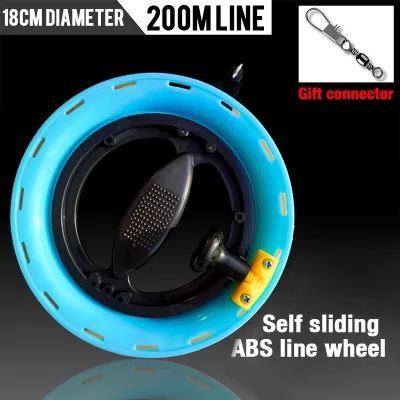
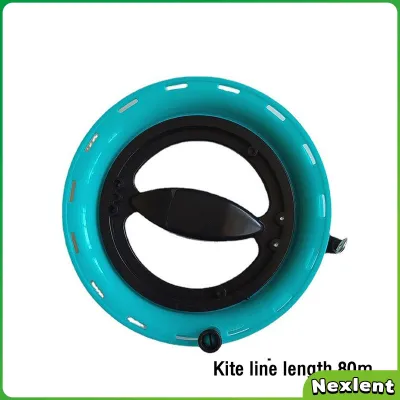
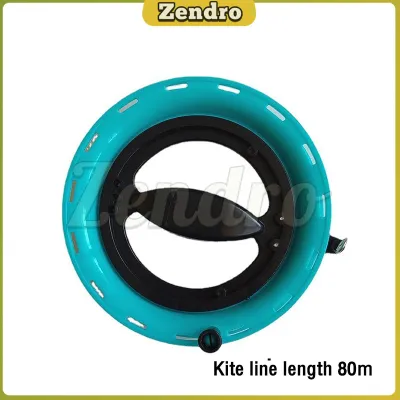
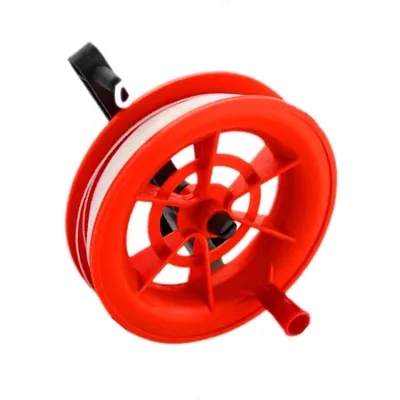
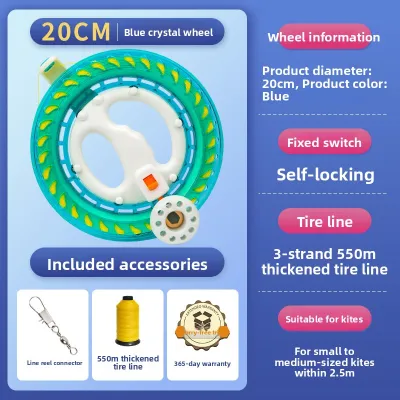
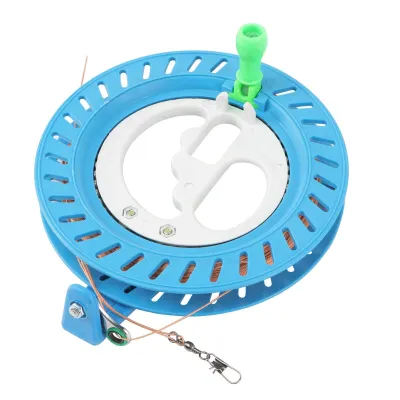
Prices are valid at publication and may change. Please refer to the product page for the latest price.
Wind conditions play a massive role in multiplying this pulling force. A gentle breeze might make a medium-sized delta kite feel light in your hands, but a sudden gust can double or triple the tension on the line instantly. When flying near coastal areas where winds are steady but strong, the constant resistance demands a line with a higher tensile strength. It is essential to evaluate the typical wind speeds of your favorite flying spots before purchasing your gear.
To establish a baseline, always check the manufacturer’s specifications or product labels on your kite. Manufacturers usually specify a recommended line strength, often measured in pounds or kilograms of breaking strength. They may also suggest specific materials, such as lightweight polyester for casual flying or braided nylon for larger kites that require a bit of stretch to absorb sudden shocks. Matching your line to these recommendations is the first step in preventing mid-air breakages.
Match Line Capacity to Your Desired Flying Height
Once you know the required line strength, you must determine how much line you actually need to spool onto your reel. The total line capacity dictates how high and how far your kite can travel. For casual flying in local parks or school grounds, a shorter line is often safer and more practical. This keeps the kite within a manageable visual range and prevents it from drifting into distant hazards like trees, buildings, or overhead utility lines.

Choosing the right line thickness involves a direct trade-off between strength and aerodynamic drag. Thicker lines offer excellent tensile strength and are less likely to snap under sudden tension, but they are heavier and create more wind resistance. This extra drag can bow the line, pulling the kite downward and preventing it from reaching higher altitudes. Conversely, thinner lines cut through the air easily and allow for higher flights, but they have a lower breaking threshold and can snap if the wind intensifies.
It is crucial not to over-spool your reel or use a line that is heavier than what your kite can lift. If the weight of the line exceeds the lifting capacity of the kite, the kite will struggle to climb and may stall or dive. For optimal performance, verify that the combined weight of the line and the reel does not overwhelm the aerodynamic design of your kite, allowing it to soar stable and high in the sky.
Select the Reel Size and Mechanism for Secure Control
The physical size of the kite string reel must correspond directly to the volume of the line you plan to use. A thick, heavy-duty line takes up significantly more space on a spool than a thin, lightweight string. If you attempt to wind a long, thick line onto a small reel, you will quickly run out of space, leading to overlapping and tangling. Ensure the reel’s diameter and spool width are rated to handle both the length and the thickness of your chosen line.
Grip ergonomics and handle design are vital for maintaining control during long flying sessions. When a kite is high in the air, the continuous pull can strain your fingers, wrists, and arms. Look for reels with comfortable, non-slip grips and smooth-turning handles that allow you to wind the line back in without excessive effort. Larger wheel-style reels are particularly popular for big kites because they allow you to use your entire hand or arm to wind, distributing the physical strain more evenly.
A reliable locking or braking mechanism is another essential feature to look for in a quality reel. When sudden gusts hit, a kite can pull line off a free-spinning reel at dangerous speeds, causing friction burns or tangles. A secure mechanical lock or a smooth ratcheting brake allows you to stop the line from unspooling further, keeping the kite at a stable altitude. While high-end reels with advanced ball bearings may cost more, basic ergonomic models are highly affordable; checking local hobby shop prices in ₱ will help you find a reliable option within your budget.
Verify Compatibility and Safety Before Every Flight
Safety should always be your top priority before launching any kite into the air. Before you head out to the field, take the time to inspect the entire length of your kite string. Look closely for any signs of fraying, knots, or discoloration, which can indicate UV degradation from exposure to the hot sun. A single weak point in a long line can cause the string to snap under tension, sending your kite drifting away and potentially creating a hazard for others.
Next, test the mechanical functions of your kite string reel at home or on the ground before launching. Ensure the spool rotates smoothly without catching and that the locking or braking mechanism engages instantly under light tension. If the reel squeaks, sticks, or fails to lock securely, it is best to service or replace it before attempting to fly a high-pull kite. Taking a few minutes to verify your gear can prevent costly accidents and lost equipment.
If you ever find that your line strength falls below the minimum requirements specified by the kite manufacturer, or if you are unsure about the compatibility of your reel and line, stop and seek advice. You can consult the manufacturer’s guidelines or reach out to experienced flyers at local hobby shops. Never attempt to fly a large, high-pull kite with inadequate or mismatched gear, as equipment cannot replace proper preparation, training, and sound judgment in the field.
Frequently Asked Questions (FAQ)
Can I use a standard fishing reel for flying a kite?
While it might seem convenient to repurpose a standard fishing reel for kite flying, the two devices are engineered for entirely different tasks. Fishing reels are designed to handle wet environments, underwater drag, and the sudden, erratic pulls of fish, utilizing specialized drag washers and gear ratios. They are not built to withstand the continuous, high-tension aerial wind loads generated by a kite flying high in the sky for hours at a time.
Using a fishing reel for a high-pull kite carries significant operational risks. The constant tension can quickly strip the internal gears of a fishing reel or cause the drag system to overheat and fail. Additionally, fishing reels lack the wide spool diameter and rapid winding mechanisms found on dedicated kite string reels, making it difficult to retrieve hundreds of meters of line quickly when the wind drops.
How do I know if my kite string reel is too small for my line?
There are several clear visual and tactile signs that your kite string reel lacks the physical capacity for your line. The most obvious indicator is when the wound line sits flush with or overflows the outer edges of the spool. When a reel is overfilled, the line can easily slip off the sides of the spool, wrapping around the central axle or catching on the outer frame of the reel.
An overfilled reel also restricts smooth rotation, making it difficult to wind or unwind the line. This creates a serious hazard during flight, as a sudden jam can prevent you from retrieving your kite quickly during rapid wind changes or incoming weather. If you have to force the line onto the reel or if it rubs against the handle assembly, your reel is too small, and you should upgrade to a larger size for safe operation.
Community discussion
Share your experience or ask a question. Comments are reviewed before publication.