
Finding the right knee pad support depends entirely on your specific sport, the type of movements you perform, and the level of protection required. There is no universal solution; a brace designed for heavy weightlifting will restrict a runner, while a lightweight sleeve will not protect a volleyball player from hard floor impacts. This guide helps you match the right support structure to your activity, ensuring you get the necessary stability, compression, or impact protection without compromising your performance or safety. By understanding how different designs interact with your joints, you can make an informed decision that keeps you active, comfortable, and protected on the court, field, or track.
Identifying the Right Knee Pad Support Structures for Your Needs
Before selecting a knee support, it is essential to understand the structural differences and primary functions of the options available. Knee supports generally fall into four main categories: compressive knee sleeves, patellar straps, hinged braces, and padded knee pads. Each structure serves a distinct purpose, ranging from mild joint warmth to rigid mechanical stabilization.
Compressive knee sleeves, typically made of neoprene or elastic knit fabrics, provide uniform compression around the joint. This compression increases blood flow, keeps the joint warm, and enhances proprioception—your body’s natural awareness of joint positioning. Patellar straps are narrow bands worn directly below the kneecap. They apply targeted pressure to the patellar tendon, helping to distribute load and alleviate strain during repetitive jumping or running movements.
Products mentioned in this guide
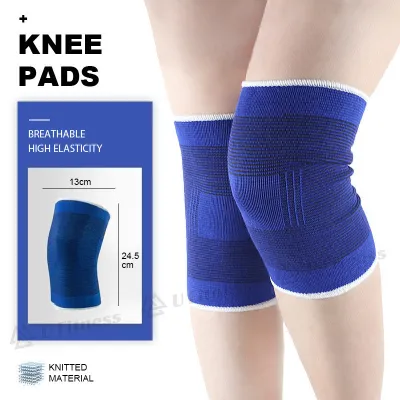
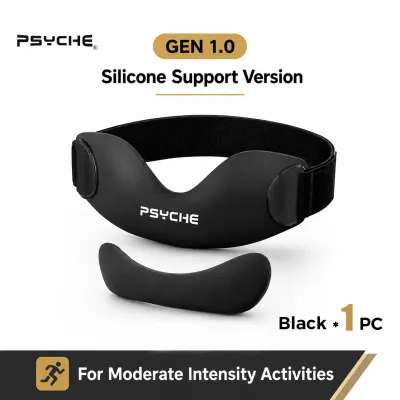
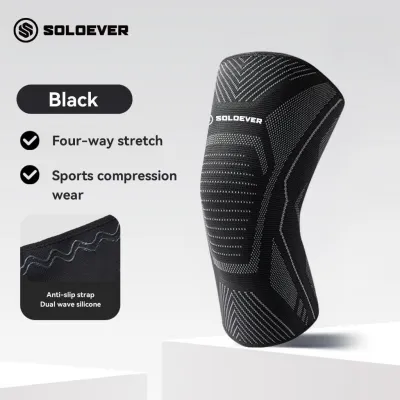
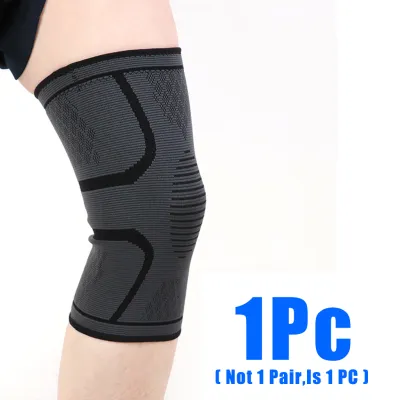
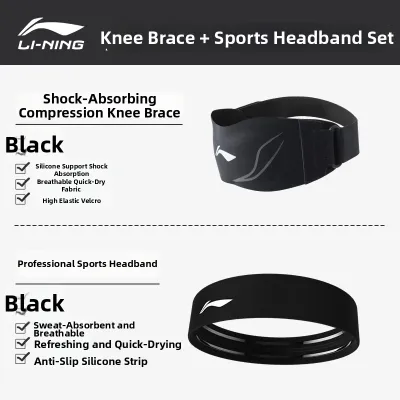
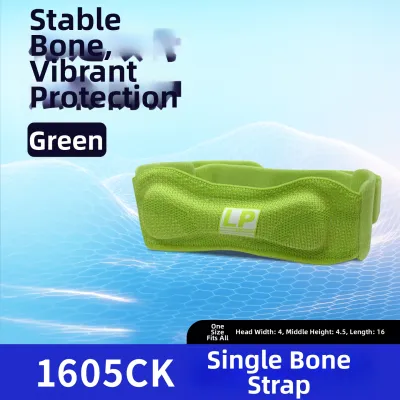
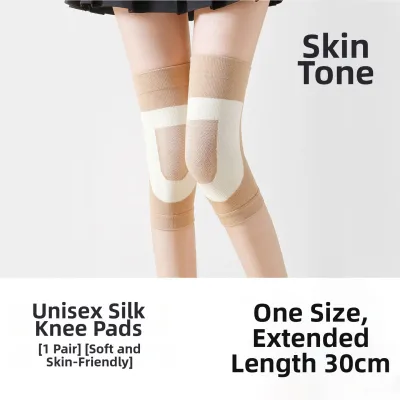
Prices are valid at publication and may change. Please refer to the product page for the latest price.
For maximum lateral stability, hinged braces feature rigid side supports made of plastic or lightweight metal. These are designed to prevent the knee from twisting or hyperextending, making them common during recovery or for protecting vulnerable ligaments. Padded knee pads combine a flexible sleeve with a thick foam or gel insert directly over the kneecap, specifically designed to absorb direct physical impacts from falls or collisions.
Keep in mind the fundamental trade-off between joint restriction and mobility. Higher-stability options, like hinged braces, offer excellent protection against lateral forces but significantly reduce your range of motion. Conversely, lightweight sleeves offer maximum freedom of movement but minimal structural protection against sudden twisting forces.
Selecting Knee Support for High-Impact and Court Sports
Court sports like basketball and volleyball, which are incredibly popular across the Philippines, demand rapid lateral cuts, explosive jumps, and sudden stops. These dynamic movements place immense stress on the knee joints, making the choice of support critical. Players must first assess whether they need physical impact protection, joint stabilization, or a combination of both.

For volleyball players, physical impact protection is often the top priority. Diving for saves on hard indoor courts can cause painful bruising or bursitis. Padded knee pads with shock-absorbing foam are essential for cushioning these direct impacts. Basketball players, who face a mix of jumping, sprinting, and occasional floor contact, often prefer a hybrid approach. A compression sleeve with integrated light padding offers a balance of joint warmth, mild stabilization, and minor impact protection without bulkiness.
Sweat management is a critical factor when playing in hot, humid tropical climates. Look for knee supports featuring moisture-wicking fabrics and breathable knit patterns. These specifications help manage sweat buildup, preventing skin irritation, chafing, and the uncomfortable heavy feeling of waterlogged gear during intense play.
To ensure your support remains effective throughout a fast-paced game, pay close attention to the design features that prevent slipping. Look for products equipped with dual silicone grip strips along the inner cuffs or adjustable hook-and-loop straps. Without these securing mechanisms, the constant jumping, sprinting, and sweating will cause the support to slide down your leg, forcing you to constantly adjust it mid-game.
Choosing Lightweight Support for Endurance and Repetitive Motion
Runners, cyclists, and hikers subject their knees to thousands of repetitive flexion and extension cycles over long distances. For these endurance athletes, bulky padding or rigid hinges are highly counterproductive, as they add unnecessary weight and restrict natural movement patterns. Instead, the focus must be on managing repetitive strain and maintaining proper joint alignment.
A thin compression sleeve or a targeted patellar strap is often the most appropriate choice for endurance activities. These low-profile options help manage repetitive flexion strain and support proper patellar tracking without interfering with your stride or pedal stroke.
Chafing is the primary enemy during long-distance training, especially in humid conditions. Prioritize seamless construction, flatlock stitching, and lightweight, breathable materials. The support should fit comfortably under your running shorts or athletic trousers, feeling like a second skin that does not bunch up or pinch the sensitive area behind the knee.
While lightweight supports can help manage minor discomfort, it is vital to establish clear stopping conditions. A sleeve or strap cannot cure structural joint damage. If you experience persistent, sharp, or worsening joint pain during your activity, you must halt immediately. Relying on a support to push through severe pain can lead to chronic injury; always consult a medical professional for a proper diagnosis rather than using gear to mask symptoms.
Picking Gym and Weightlifting Support for Stability and Warmth
In the gym, the demands on your knees shift from rapid agility and endurance to heavy load-bearing stability. Weightlifters and powerlifters require support that provides joint warmth, enhanced proprioception, and mild rebound assistance without replacing proper lifting mechanics.
Standard compressive sleeves, typically made of 5mm or 7mm neoprene, are the standard choice for general gym workouts and functional fitness. A 5mm sleeve offers a versatile balance of flexibility and warmth, making it ideal for dynamic movements like Olympic lifts, lunges, and thrusters. A thicker 7mm sleeve provides maximum compression and joint warmth, which is highly valued during heavy, slow lifts like deep squats.
For maximal load-bearing lifts, some powerlifters use stiff knee wraps. Unlike sleeves, wraps are tightly bound around the joint before a lift and removed immediately afterward. They provide a significant mechanical rebound effect at the bottom of a squat but are highly restrictive and completely unsuitable for general exercise.
It is crucial to reinforce that knee support is an accessory, not a substitute for proper lifting form. When investing your hard-earned ₱ in gym gear, remember that sleeves do not replace adequate ankle and hip mobility, a thorough warm-up, or a structured progressive overload program. Relying on tight gear to mask poor technique or to lift weights beyond your current capacity significantly increases your risk of injury.
Verifying Fit, Safety Limits, and Gear Maintenance
An ill-fitting knee support can do more harm than good, potentially restricting circulation or failing to provide any actual support. To ensure safety and effectiveness, always refer to the manufacturer’s specific sizing chart rather than guessing based on your standard clothing size. Use a flexible measuring tape to measure the circumference of your leg at the exact points specified by the brand—typically around the center of the kneecap, and a few centimeters above and below it.
A support that is too tight can cause numbness, tingling, or skin pinching, while one that is too loose will slip constantly and fail to provide therapeutic compression.
Regularly inspect your gear for physical signs of wear and tear. Stretched-out elastic, cracked or peeling silicone grip strips, frayed stitching, or loose hinges indicate that the support has lost its structural integrity. Once the material degrades, it can no longer provide reliable compression or stabilization, meaning it is time for a replacement.
Proper maintenance is essential to preserve the elasticity and hygiene of your gear, especially in humid climates where sweat and bacteria accumulate rapidly. Review the product care label carefully. Most knee supports should be hand-washed in cool water with a mild detergent and air-dried away from direct sunlight. Avoid using fabric softeners or putting them in a clothes dryer, as high heat and harsh chemicals degrade elastic fibers and neoprene rapidly.
Frequently Asked Questions (FAQ)
Can I wear knee pad support all day for general joint pain? (FAQ)
Sports knee supports are designed for use during physical activity and are generally not intended for continuous, all-day wear. Wearing tight compression gear for extended periods without moving can restrict blood flow, irritate the skin, and potentially lead to muscle dependency, where the surrounding muscles weaken because they rely on the external support. For chronic, non-activity-related joint pain, it is best to consult a healthcare provider to address the underlying cause rather than relying on athletic gear.
Does wearing a knee sleeve prevent knee injuries from happening? (FAQ)
A knee sleeve does not mechanically prevent structural injuries, such as ligament tears or meniscus damage. Its primary benefits are increased joint warmth, mild compression, and enhanced proprioception, which helps you maintain better awareness of your joint alignment during movement. True injury prevention relies on comprehensive strength training, dynamic warm-ups, mobility exercises, and practicing correct movement techniques specific to your sport.
Community discussion
Share your experience or ask a question. Comments are reviewed before publication.