
Selecting the right knee spring support depends entirely on matching the brace’s mechanical design to the specific movement patterns of your sport. A support that stabilizes a basketball player during explosive lateral cuts can feel bulky and cause painful chafing for a long-distance runner. By evaluating the spring type, material breathability, and flexibility against your primary activity, you can protect your joints without restricting your natural range of motion.
In the Philippines, where high humidity and tropical heat are constant factors, choosing sports gear requires extra attention to material performance. A brace that works well in a cool climate might cause severe skin irritation or slip constantly when exposed to intense sweat on an outdoor court or running trail. Understanding how to inspect product specifications and fit guides before purchasing ensures you get a support that performs reliably under local conditions.
Understanding Knee Spring Supports and Movement Demands
Knee spring supports use integrated metal or composite springs—often positioned on both sides of the joint—to absorb impact and assist with knee extension. When browsing options on an online marketplace, always check the manufacturer’s specifications to identify whether the brace features flexible coil springs, dual-side stabilizers, or rigid hinged mechanisms. Each design offers a different balance between structural stabilization and flexibility.
Products mentioned in this guide
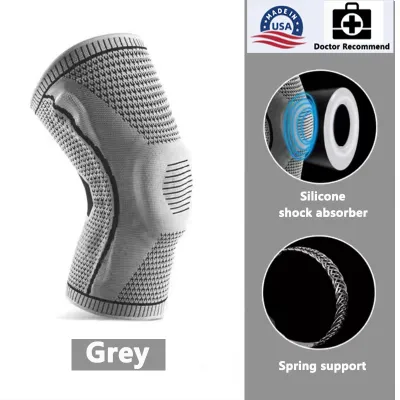
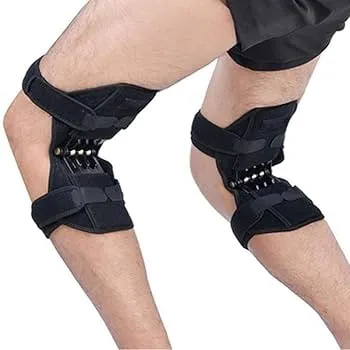
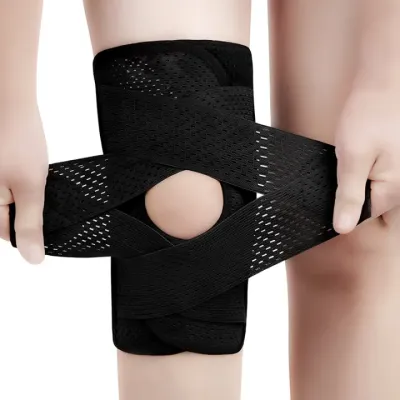
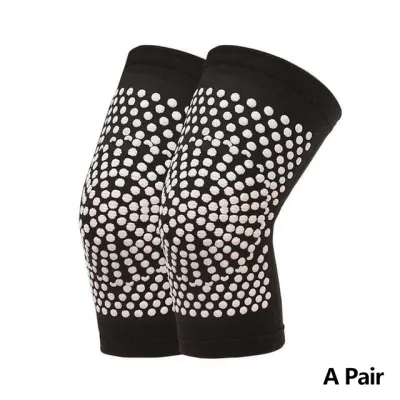
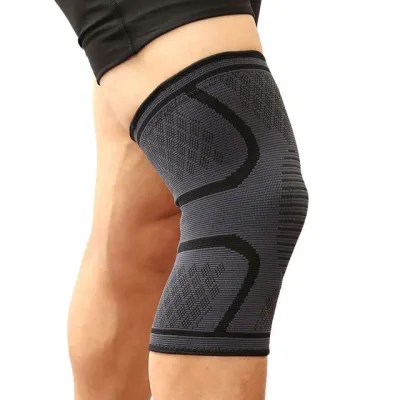
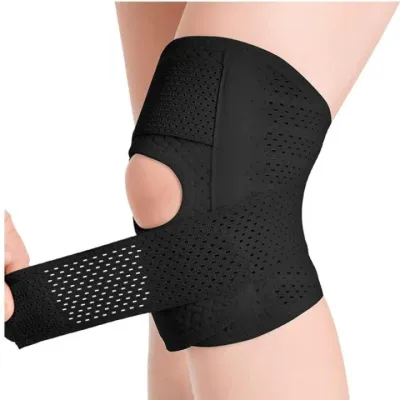
Prices are valid at publication and may change. Please refer to the product page for the latest price.
Your choice must balance joint control with the specific range of motion your sport requires. High-level stabilization often limits extreme flexion, which is necessary for some activities but restrictive for others. For instance, rigid stabilizers prevent lateral twisting but can make deep bending difficult. If you experience sharp pain, pinching, or unusual numbness while wearing any support, stop using it immediately and consult a qualified healthcare professional to prevent further injury.
Matching Support to Your Primary Sport
No single knee support design can optimally serve every movement pattern. A brace engineered for the linear, repetitive strides of running will rarely provide the robust lateral stability needed on the basketball court. To find the right fit, you must evaluate how a support’s specific features align with the biomechanical demands of your main workout.

Basketball: Impact, Jumping, and Lateral Movements
Basketball demands sudden deceleration, explosive jumps, and rapid lateral changes of direction. When selecting a support for the court, check product labels for stated shock absorption and lateral stability features, such as dual side stabilizers that prevent the knee from wobbling during hard cuts. These stabilizers help distribute the force of high-impact landings across the brace rather than concentrating it on the joint.
The high-heat, humid conditions of indoor and outdoor courts in the Philippines mean sweat buildup is inevitable. Verify that the brace features breathable, moisture-wicking fabrics and anti-slip silicone grips along the inner bands to keep the support from sliding down mid-game. Additionally, review the manufacturer’s care instructions to ensure the materials can withstand frequent washing without losing their elasticity or grip, as salt from sweat can degrade elastic fibers over time.
Running: Repetitive Flexion and Endurance
Running involves thousands of repetitive, linear strides that require unrestricted joint flexion. For this sport, prioritize lightweight construction and low-profile designs that fit comfortably under running shorts or tights without adding unnecessary bulk. Heavy or overly rigid springs will alter your natural gait, potentially causing secondary strain in your hips or ankles.
Check product descriptions for patellar tracking assistance, such as an open-patella design with a gel buttress, which helps keep the kneecap aligned during long runs. Inspect the seam placements and material thickness around the back of the knee; flatlock seams and thinner, breathable panels prevent painful friction and chafing over long distances. Ensure the spring mechanism is flexible enough to bend smoothly with each stride without resisting your natural leg movement.
Gym Workouts: Heavy Loads and Stability
Weightlifting and strength training subject the knees to heavy axial loads during deep flexion movements like squats, lunges, and deadlifts. Before purchasing, check the manufacturer’s weight limits or specific recommendations to ensure the springs are rated for heavy resistance training. Standard running braces may not offer the structural integrity needed to support your joints under heavy barbell loads.
The spring mechanism and surrounding fabric must not pinch, bind, or restrict blood flow when you reach the bottom of a deep squat. Look for structural integrity in the form of reinforced stitching, durable spring pockets, and flexible hinges that move naturally with your joint while providing a reassuring rebound effect as you push back up. Avoid braces with rigid plastic parts that can press painfully into your thighs or shins under load.
Key Fit and Safety Checks Before You Buy
Achieving the correct fit is critical for both safety and effectiveness. Always follow the brand’s specific measuring guide—which usually requires measuring the circumference of your thigh and calf at set distances from the center of your kneecap—rather than relying on generic apparel sizes or weight charts. A brace that is too loose will fail to provide support, while one that is too tight can restrict circulation.
Because tropical humidity can increase skin sensitivity, check the material composition for potential allergens like neoprene or latex if you have sensitive skin. Test the anti-slip silicone bands on a short workout first to monitor for redness or irritation. Finally, establish a regular visual inspection routine to check for spring deformation, fabric thinning, or grip failure, replacing the support as soon as wear is visible to ensure you are always protected.
Cross-Training and Multi-Sport Compatibility
If you regularly split your time between different activities, compare the primary movement patterns of your main sport against your secondary cross-training workouts. A general-purpose knee support with removable or highly flexible coil springs can offer a practical compromise for moderate, multi-sport use. This allows you to adjust the level of support depending on whether you are doing a light gym session or a short run.
However, specialized designs are often necessary when the biomechanical demands of your activities conflict. For example, the heavy-duty lateral support needed for basketball can severely hinder your gait cycle during a long run. When your training involves both high-impact court sports and high-mileage running, investing in separate, dedicated knee supports is the safest way to ensure proper joint protection and performance.
Frequently Asked Questions (FAQ)
Can I wear a knee spring support all day?
You should always refer to the product’s stated wear-time recommendations and intended use cases. Prolonged wear can lead to restricted circulation, skin irritation from trapped sweat, or muscle dependency where your body relies on the brace rather than its own stabilizing muscles. Unless directed otherwise by a healthcare professional, remove the support during rest, sleep, or long sedentary periods to allow your joint to move naturally and breathe.
How do I know if the spring support is too tight?
Check for visible skin indentations, numbness, tingling, or a cold sensation in your lower leg and foot, which indicate restricted blood flow. While the support should stay securely in place without rolling down or bunching, it should never pinch or cause pain. If discomfort persists, consult the brand’s sizing chart and return policies on your preferred ecommerce platform to exchange the brace for a better-fitting size.
Community discussion
Share your experience or ask a question. Comments are reviewed before publication.