
Selecting the right knee stabilizer requires matching the support level of the gear to the specific physical demands of your activity. A runner logging kilometers on flat pavement needs a completely different design than a basketball player executing sudden lateral cuts on a concrete court. By evaluating your sport’s movement patterns, checking key material specifications, and verifying sizing guides, you can find a stabilizer that protects your joint without restricting your performance.
Identify Your Support Needs Based on Activity Impact
Every physical activity subjects your joints to a unique set of forces. Low-impact activities like walking, light hiking, or yoga primarily require mild compression to promote blood flow and joint awareness. For these movements, a basic compression sleeve is often sufficient because it offers warmth and light support without bulky hardware. The gentle pressure helps your brain track joint positioning, which improves balance and stability during steady, linear movements.
In contrast, high-impact or multi-directional sports like basketball, tennis, and badminton place immense lateral and rotational stress on the knee. These activities involve sudden stops, pivots, and jumps that demand a higher level of structural reinforcement. Without adequate support, the repetitive twisting motions can strain the ligaments and meniscus. Using a stabilizer with side stabilizers or rigid hinges helps manage these forces and prevents the joint from moving outside its natural plane.
Products mentioned in this guide
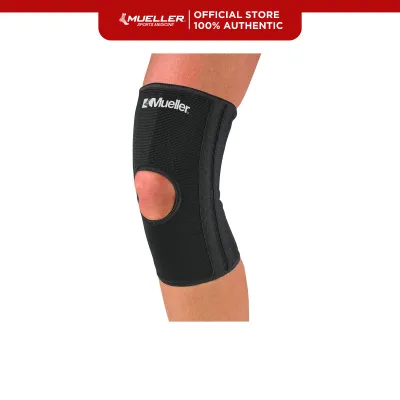
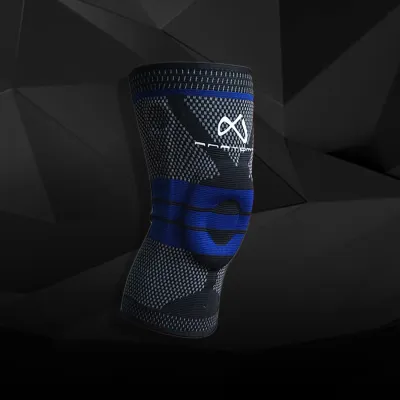
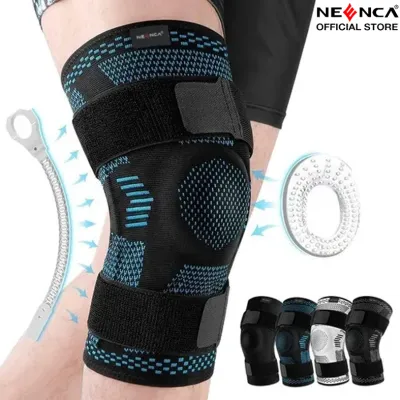
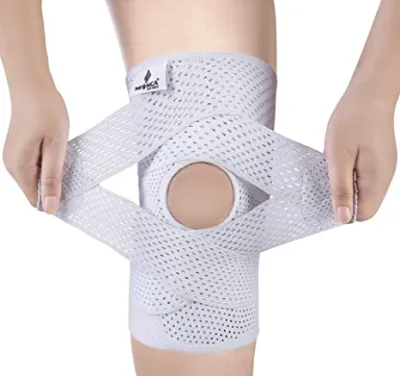
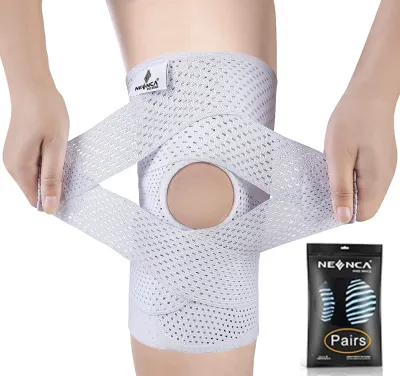
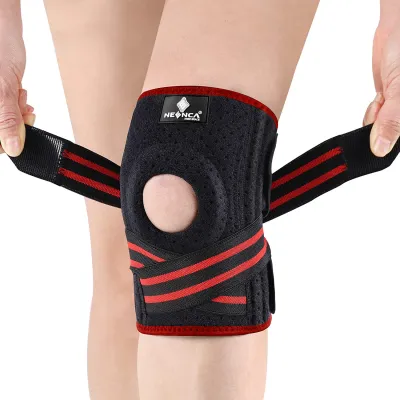
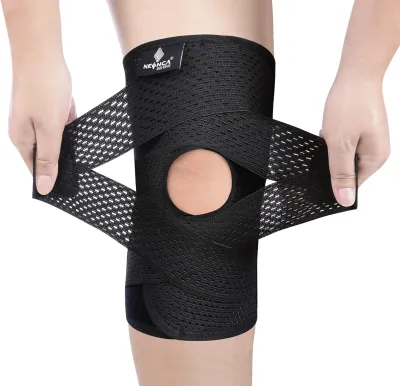
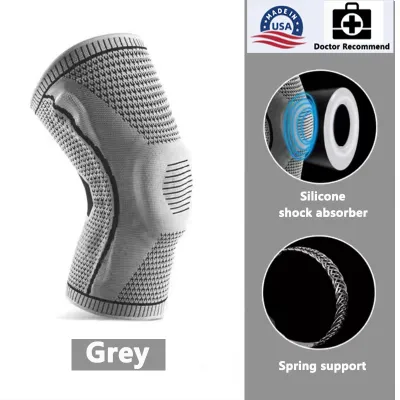
Prices are valid at publication and may change. Please refer to the product page for the latest price.
Knee stabilizers generally fall into three categories: compression sleeves, wraparound braces, and hinged stabilizers. Compression sleeves provide mild support and are excellent for swelling management and everyday activities. Wraparound braces offer moderate, adjustable support through velcro straps, making them highly adaptable to changing swelling levels and custom tightness preferences. Hinged stabilizers provide maximum mechanical support using metal or plastic side stays to prevent hyperextension and lateral shifting.
Before making a purchase, always check the manufacturer’s label for the product’s intended use and support rating. Manufacturers design different models for specific joint conditions, such as patellar tendonitis, general instability, or ligament support. Verifying these details ensures the product matches your physical needs rather than relying on visual design alone.
Match Stabilizer Designs to Specific Sports
Different sports demand distinct functional features from a knee stabilizer to ensure both safety and comfort. For running and cycling, your primary focus should be on breathability, lightweight construction, and patellar tracking. Runners and cyclists repeat the same knee-bending motion thousands of times per session, meaning any excess bulk or friction can cause severe chafing. Look for designs with an open patella (a cutout over the kneecap) to help keep the kneecap aligned without restricting your natural stride.

Court sports like basketball and volleyball require a stabilizer that can handle rapid lateral movements, sudden deceleration, and heavy landings. For these activities, prioritize stabilizers with reinforced lateral support, such as flexible spring steel side stays. Some court-specific models also feature integrated impact padding over the kneecap to protect against floor contact during dives or falls. Adjustable strap systems are highly beneficial here, as they allow you to tighten the brace securely before a game and loosen it during breaks.
For weightlifting and strength training, the goal is to maintain joint warmth and stability during deep knee flexion, such as squats and lunges. Heavy-duty compression sleeves made of thick neoprene (typically 5mm or 7mm in thickness) are highly favored in the gym. Alternatively, a simple patellar strap—a thin band worn just below the kneecap—can help alleviate localized pressure on the patellar tendon without limiting your range of motion. Avoid rigid hinged braces for standard lifting unless specifically prescribed, as they can interfere with your lifting mechanics.
Regardless of your sport, always verify the manufacturer’s specific sport recommendations. Some braces are explicitly rated for water sports, while others contain metal parts that are banned in competitive contact leagues. Checking these rules and reviewing the product’s size chart will save you from purchasing incompatible gear.
Key Features to Check Before Buying
When selecting a knee stabilizer, the materials and construction details directly impact how long you can comfortably wear the gear. In humid or tropical climates, heat and sweat buildup can quickly lead to skin irritation and slipping. Look for moisture-wicking fabrics, perforated neoprene, or lightweight 3D knit materials that allow heat to escape and sweat to evaporate quickly. Knit fabrics are particularly excellent for hot weather as they offer high breathability while maintaining compression.
An anti-slip mechanism is another critical feature to verify before buying. A stabilizer that constantly slides down your leg during a game or run is highly distracting and fails to provide consistent joint support. Look for models equipped with internal silicone wave strips or dual adjustable straps at the top and bottom. These features help lock the brace in place against your skin, even during high-intensity, sweat-heavy workouts.
Proper sizing is the single most important factor for both comfort and safety. A brace that is too tight can restrict blood circulation and cause muscle cramping, while a loose brace will not provide any functional stability. To find your size, use a flexible measuring tape to measure the circumference of your thigh and calf at the exact distances specified by the manufacturer (usually 10 to 15 centimeters above and below the center of the kneecap). Never guess your size or rely on standard clothing sizes, as sizing charts vary significantly between brands.
When to Stop and Seek Professional Advice
While commercial knee stabilizers are excellent tools for managing minor discomfort and providing confidence during activity, they are not a cure-all. It is vital to recognize the physical warning signs that indicate you need to stop your activity immediately. If you experience acute, sharp pain, sudden or severe swelling, a popping sound at the moment of injury, or a feeling that your knee is giving out, stop using the stabilizer and seek medical attention.
Commercial knee stabilizers are designed for support and prevention; they cannot replace a structured physical therapy program or custom medical-grade orthotics. Relying solely on a brace to mask persistent pain can lead to altered movement patterns, which often cause secondary injuries in your hips, ankles, or the opposite leg. If your knee pain persists for more than a few days despite using a stabilizer, consult a healthcare professional for a proper diagnosis.
For individuals recovering from knee surgery or severe ligament tears, the selection process is entirely different. You must strictly follow the exact brace specifications, lock settings, and wear schedules prescribed by your orthopedic surgeon or physical therapist. Using an incorrect retail brace during post-operative recovery can compromise your surgical results and delay your long-term rehabilitation.
Frequently Asked Questions (FAQ)
Can I wear a knee stabilizer all day?
It is generally not recommended to wear a supportive knee stabilizer all day unless specifically instructed by a doctor. Prolonged wear can restrict local blood circulation, cause skin chafing, and lead to muscle weakness over time as your leg relies on the brace rather than its own muscles. Always follow the specific wear-time guidelines in the product manual, and remove the stabilizer during periods of rest, sleep, or prolonged sitting.
How do I clean and maintain my knee brace?
To maintain the elasticity and hygiene of your knee stabilizer, hand wash it in cool water using a mild detergent. If you prefer using a washing machine, place the stabilizer inside a mesh laundry bag and select a gentle cycle. Always air-dry the brace flat or hang it away from direct sunlight and heat sources, as high temperatures will degrade the elastic fibers, weaken velcro attachments, and damage silicone anti-slip grips.
Community discussion
Share your experience or ask a question. Comments are reviewed before publication.