
Selecting the right knee support for playing pickleball in the Philippines requires balancing joint stabilization with the realities of a tropical climate. The sport’s rapid lateral shuffles, sudden decelerations, and deep dinking lunges place intense, repetitive stress on the knees. For women players, this physical demand is compounded by anatomical factors like a wider pelvic structure, which alters the knee’s natural tracking angle. To find a support that keeps you agile on the court without slipping or causing skin irritation, you must evaluate specific design features, material breathability, and support levels tailored to your personal joint health. Rather than relying on generic sizing or unverified claims, this guide provides a structured framework to help you evaluate support types, verify material features, and ensure a secure, comfortable fit for your specific play style and knee condition.
Understanding Pickleball Knee Strain and Support Needs
Pickleball has taken the local sports scene by storm, with courts popping up in barangay centers, private clubs, and subdivisions across the Philippines. While the game is highly accessible, its physical demands are deceptively rigorous. Unlike sports that primarily involve forward running, pickleball relies heavily on multi-directional agility. Players must constantly execute split-steps, transition from rapid lateral shuffles to sudden stops, and drop into low, sustained lunges at the kitchen line. These movements subject the patellofemoral joint—where the kneecap meets the thigh bone—and the stabilizing ligaments to significant shear forces. Over time, the repetitive impact on hard concrete or asphalt outdoor courts can lead to localized discomfort, joint fatigue, or overuse injuries.
For women, these biomechanical stresses are influenced by distinct anatomical characteristics. Women generally have a wider pelvis, which increases the quadriceps angle, commonly referred to as the Q-angle. A larger Q-angle alters the pull of the quadriceps muscle on the patella, often causing the kneecap to track slightly outward rather than smoothly within its groove. During the rapid, off-balance movements typical of a fast-paced pickleball rally, this tracking discrepancy can increase the risk of patellofemoral pain syndrome or minor ligament strains. Additionally, women often experience different thigh-to-calf proportions compared to men, meaning standard unisex braces may pinch at the thigh or slip down the calf during active play.
Products mentioned in this guide
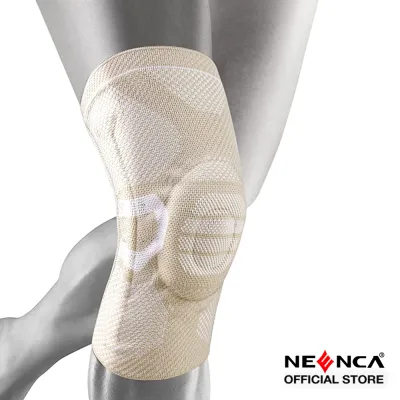
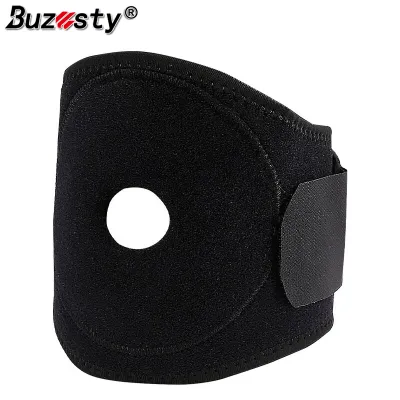
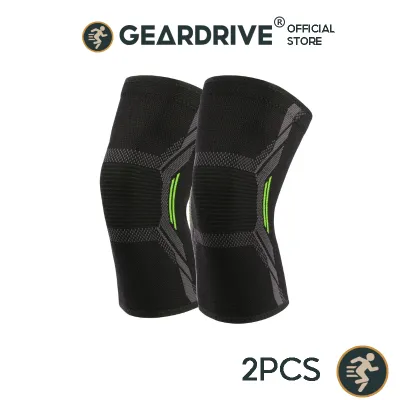
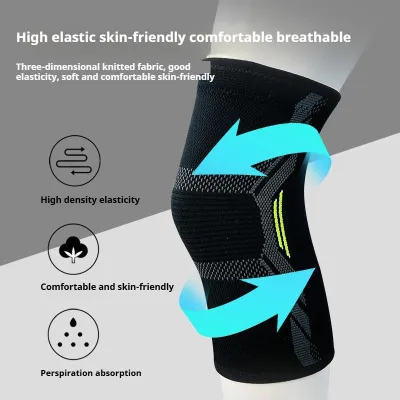
Prices are valid at publication and may change. Please refer to the product page for the latest price.
When selecting a knee support, it is crucial to distinguish between preventive care and active injury management. If you have healthy joints and simply want to minimize fatigue during long weekend sessions under the tropical sun, a lightweight, flexible support can enhance your spatial awareness and joint warmth. However, if you are managing an existing injury, such as a meniscus tear or ligament sprain, you require a structured device designed to limit specific ranges of motion. It is important to remember that a knee brace is a supportive tool, not a cure. It cannot replace a proper dynamic warm-up, targeted lower-body strengthening exercises, or professional physical therapy.
Key Features to Look for in Pickleball Knee Supports
Playing sports in the Philippines means dealing with high heat and humidity, whether you are on an open-air court in Manila or a covered court in the provinces. Under these conditions, a poorly designed knee support can quickly become hot, heavy, and uncomfortable. To ensure your gear enhances your performance rather than hindering it, look for several key material and structural features.

First and foremost is breathability and moisture management. Heavy neoprene, while excellent for heat retention in colder climates, can trap sweat and heat, leading to skin maceration and intense discomfort during a midday match. Look for advanced synthetic blends, such as lightweight nylon, spandex, or specialized 3D-knit fabrics. These materials are engineered to wick moisture away from the skin, allowing sweat to evaporate quickly and keeping the joint cool. A breathable knit also prevents the fabric from becoming waterlogged and heavy, which can alter the fit and feel of the support as the game progresses.
Second, pay close attention to anti-slip mechanisms. There is nothing more distracting during a crucial rally than feeling your knee sleeve slide down toward your calf. Because pickleball involves continuous bending and lunging, a secure grip is essential. High-quality supports feature integrated silicone gel waves or strips along the inner top cuff. These medical-grade silicone bands grip the skin gently without causing irritation, keeping the sleeve anchored in place even during explosive lateral movements. Ergonomic knitting that mimics the natural contours of the leg also helps distribute tension evenly, reducing the likelihood of the support slipping.
Finally, inspect the seam placement and edge binding of any support you consider. Repetitive bending of the knee joint creates friction, particularly in the sensitive area behind the knee (the popliteal fossa). Look for flatlock seams or seamless construction in the flex zones to prevent painful chafing and blisters. The edges of the support should be finished with soft, elastic binding that stretches with your movements rather than cutting into your skin. If you are shopping at local sporting goods stores or browsing online marketplaces, zoom in on the product images or inspect the physical item to verify that the stitching is smooth and flat.
Matching Support Types to Your Knee Condition and Play Style
Knee supports are not one-size-fits-all, and the right choice depends heavily on your current joint health and how you move on the court. By understanding the different categories of support, you can narrow down your options to the type that best matches your needs.
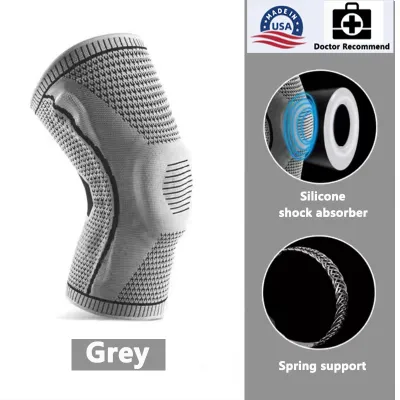
Compression Sleeves: These are the most common type of support seen on pickleball courts. Made from elasticized knit fabrics, compression sleeves provide mild, uniform pressure around the entire joint. This compression helps manage minor swelling, keeps the joint warm, and improves proprioception—your brain’s awareness of your joint’s position in space. Sleeves are ideal for players seeking preventive support or relief from mild, generalized soreness. When choosing a sleeve, verify the compression grade on the product label or description; a moderate compression level (typically measured in mmHg) is usually sufficient for athletic activities without restricting blood flow.
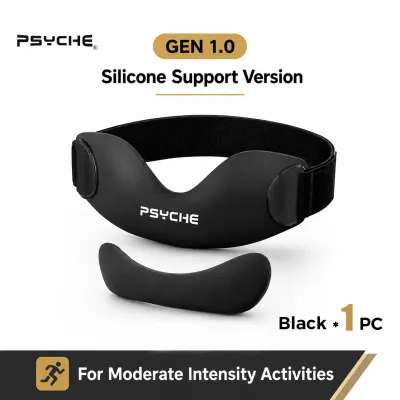
Patellar Straps: If your discomfort is localized directly below the kneecap, a patellar strap (or band) may be the most effective option. These narrow straps wrap around the leg just below the patella, applying targeted pressure to the patellar tendon. This pressure helps distribute forces away from the tendon insertion point, reducing strain during sudden stops and jumps. Patellar straps are highly valued by pickleball players because they offer maximum freedom of movement and minimal skin coverage, making them exceptionally cool to wear in hot weather. When evaluating a strap, check the width of the band and the density of the internal padding; it should be firm enough to apply pressure but soft enough to prevent digging into the skin.
Hinged or Dual-Hinge Braces: For players recovering from significant ligament injuries (such as ACL, MCL, or LCL sprains) or managing severe joint instability, a hinged brace provides the highest level of structural support. These braces feature rigid or semi-rigid side stabilizers that prevent the knee from twisting or bending sideways while allowing natural forward and backward movement. Because hinged braces are bulkier and heavier, they can slightly limit your speed on the court. More importantly, using a highly structured brace without proper guidance can lead to muscle weakness over time. It is essential to seek professional medical advice before using a hinged brace to ensure it is adjusted correctly for your specific condition.
Regardless of the type of support you choose, establish a clear safety boundary. If you experience numbness, tingling, coldness in your foot, or an increase in pain while wearing a knee support, remove it immediately. These symptoms indicate that the support is too tight, poorly aligned, or unsuitable for your anatomy. Persistent knee pain should always be evaluated by a qualified healthcare professional, such as a physical therapist or orthopedic specialist, to address the root cause of the issue.
How to Measure and Ensure a Proper Fit
A knee support can only perform its job if it fits correctly. A support that is too loose will slide down and fail to provide compression, while one that is too tight can restrict circulation, cause swelling in the lower leg, and restrict your movement. To find your ideal size, you must take accurate physical measurements rather than guessing based on your clothing size.
To measure your leg, use a flexible measuring tape while standing up with your leg slightly bent (about 30 degrees). You will need to measure three key points, as sizing charts vary by manufacturer:
- Mid-Thigh Circumference: Measure around your thigh, typically 10 to 15 centimeters (about 4 to 6 inches) above the center of your kneecap.
- Knee Center Circumference: Measure directly around the middle of your kneecap (patella).
- Mid-Calf Circumference: Measure around the thickest part of your calf, usually 10 to 15 centimeters below the center of your kneecap.
Once you have these measurements, compare them to the specific sizing chart provided by the manufacturer of the brace you are considering. Do not assume that a “Medium” in one brand matches a “Medium” in another, as sizing standards differ significantly between local, Western, and Asian brands. If your measurements fall between two sizes, the general rule of thumb is to size up if you have muscular thighs or prefer a comfort-oriented fit, and size down if you require maximum compression and firm support.
Before heading out to the court, perform a few simple fit tests at home. Put the support on and walk around for a few minutes. Next, perform three to five deep squats to check if the fabric pinches behind your knee or if the top band rolls down. Finally, practice a few quick lateral slides or side-to-side steps. The support should feel snug and secure, providing a reassuring sense of stability without throbbing, pinching, or restricting your ability to bend your knee fully.
Care, Maintenance, and When to Replace
Investing in a high-quality knee support means taking proper care of it to ensure it lasts through many intense pickleball matches. Sweat, body oils, and sunscreen can degrade elastic fibers and silicone grips over time, making regular cleaning essential.
Always defer to the care label on your specific product, but as a general rule, hand washing is the safest method for athletic supports. Wash the brace in cool or lukewarm water using a mild, liquid detergent. Avoid fabric softeners, bleach, or harsh chemical cleaners, as these can break down the spandex and elastic components, causing the support to lose its tension. Rinse the support thoroughly to remove all soap residue, which can cause skin irritation when mixed with sweat. To dry, gently squeeze out excess water—never wring or twist the fabric—and lay it flat to air dry in a shaded, well-ventilated area. Keep the support away from direct sunlight and heat sources like dryers or iron plates, as high heat will melt silicone grips and destroy elastic fibers.
Even with meticulous care, knee supports have a limited lifespan. Regularly inspect your gear for visual and tactile signs of wear. Look for stretched-out fabric that no longer snaps back into shape, frayed edges, or cracking and peeling along the silicone anti-slip bands. If your support uses hook-and-loop (Velcro) closures, check if the fasteners are losing their grip or collecting lint. Using a degraded support is a safety risk; once the material loses its elasticity, it can no longer provide the consistent compression or structural stability required to protect your joint during high-intensity play. Plan to replace your active sports supports regularly, especially if you play multiple times a week.
Frequently Asked Questions (FAQ)
Can I wear a knee brace over my pickleball leggings?
Wearing a knee brace over leggings depends on the material of both items and the manufacturer’s recommendations. Generally, compression sleeves and silicone-lined supports are designed to be worn directly against the skin to function properly; wearing them over slippery polyester or nylon leggings can cause the brace to slide down during active play. However, some structured braces with adjustable straps can be worn over thin, high-compression leggings if the fabric does not compromise the brace’s stability. Always check the manufacturer’s instructions, and test the combination at home to ensure the brace does not slip or bunch up.
Should I wear knee supports on both legs if only one hurts?
If you only experience discomfort in one knee, you do not automatically need to wear a support on both legs. However, many players choose to wear bilateral supports for preventive reasons or to maintain a balanced feel. When one knee is sore or weak, players often unconsciously favor that leg, shifting more weight and impact onto the healthy side. This compensatory strain can lead to fatigue or overuse issues in the uninjured knee. If you decide to wear a single support, monitor both legs closely for signs of fatigue, and consult a healthcare professional to determine if bilateral support is appropriate for your movement patterns.
Community discussion
Share your experience or ask a question. Comments are reviewed before publication.