
Selecting the right knee support is not a one-size-fits-all decision. The ideal choice depends on the specific movement patterns of your activity, your personal joint history, and the environmental conditions of your workout. Whether you are navigating sudden lateral cuts on a basketball court, enduring repetitive linear impact on a long run, or squatting heavy loads in the gym, different designs offer distinct levels of compression, warmth, and structural stabilization. Understanding these differences ensures you select a support that aids your performance without restricting necessary mobility or causing discomfort.
Quick Reference: Matching Knee Support Types to Common Sports
This quick reference matrix helps you identify the general knee support category best suited for your primary activity before exploring the detailed mechanics of each style.
| Sport / Activity | Primary Movement Pattern | Typical Support Style | Key Selection Focus |
|---|---|---|---|
| Basketball / Volleyball | Jumping, lateral cutting, sudden stops | Compression sleeves or light wraparound braces | Breathability, non-slip grip, flexible movement |
| Running / Hiking | Repetitive linear impact, continuous flexion | Lightweight sleeves or patellar straps | Moisture-wicking, minimal bulk, chafing prevention |
| Weightlifting / Gym | Deep flexion, heavy axial loading | Thick neoprene sleeves (5mm to 7mm) | Joint warmth, structural durability, compression |
| Post-Injury / Rehab | Controlled recovery, lateral instability | Hinged or rigid wraparound braces | Structural stabilization, adjustable straps |
Please note that this matrix serves as a general starting point. Individual joint history, pre-existing injuries, specific product specifications, and manufacturer guidelines must always dictate your final selection. If you are recovering from a major joint injury or surgery, consult a physical therapist or orthopedic specialist before choosing a support.
Products mentioned in this guide
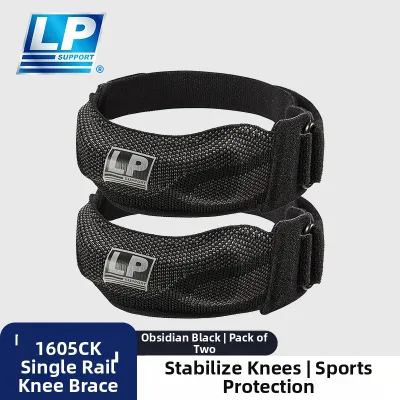
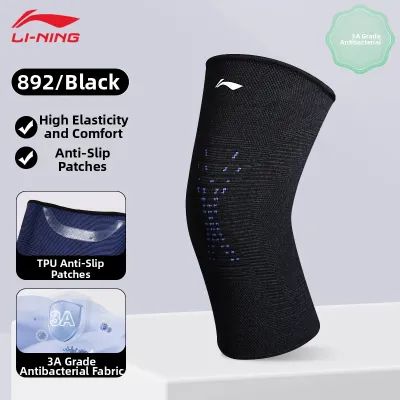
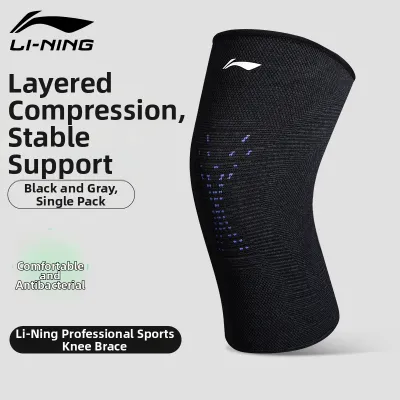
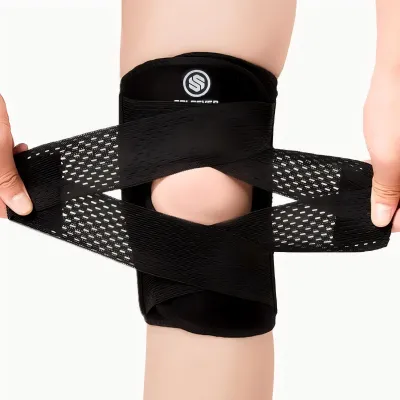
Prices are valid at publication and may change. Please refer to the product page for the latest price.
Understanding Knee Support Styles and Protection Levels
To make an informed choice, you must understand the structural differences between common knee supports and how to read product labels effectively.

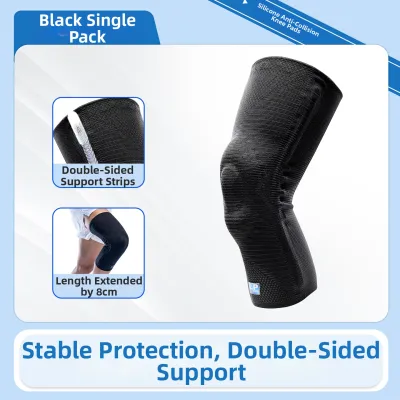
Compression Sleeves Typically made of neoprene, knit fabric, or spandex, these sleeves slide directly over the joint. They provide mild compression, retain joint warmth, and enhance proprioception—your brain’s awareness of the joint’s position. They do not restrict movement, making them ideal for general wear and dynamic sports.
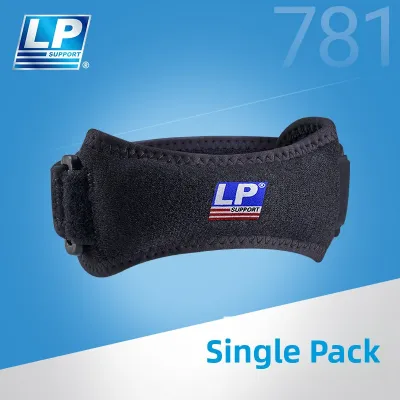
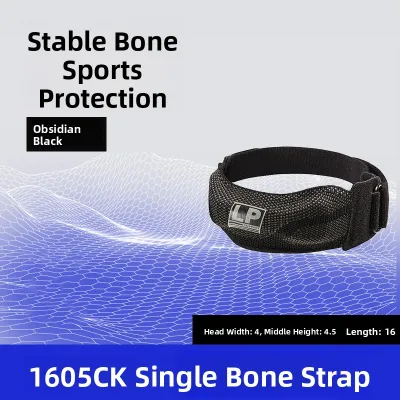
Patellar Straps These are narrow, low-profile bands worn just below the kneecap. They apply targeted pressure to the patellar tendon, helping to distribute forces and manage discomfort during repetitive bending without covering the entire knee.
Wraparound and Hinged Braces Wraparound braces use adjustable straps to customize compression and fit. Hinged braces incorporate metal or plastic side stabilizers to prevent lateral knee movement (valgus or varus stress) while allowing forward and backward bending. These are typically reserved for structural instability or post-injury rehabilitation.
When shopping on online marketplaces or at local sporting goods stores, always inspect the product packaging. Check the material composition (breathable knit versus heat-retaining neoprene) and look for manufacturer-stated protection levels, which typically range from Level 1 (mild compression) to Level 3 (maximum structural support).
Knee Support for Court Sports: Basketball and Volleyball
Basketball and volleyball demand rapid acceleration, sudden deceleration, sharp lateral cuts, and high-impact jumps. These movements place immense shear stress on the knee joint, requiring a support that balances stability with agility.
For general joint comfort and confidence, flexible compression sleeves or light wraparound braces with flexible side stabilizers are highly popular. They allow the knee to flex and extend naturally while providing a reassuring layer of compression. Rigid hinged braces are generally reserved for athletes returning to play after ligament injuries, as the rigid hinges can limit the extreme agility required for competitive court play.
Given the tropical humidity of local indoor and outdoor courts, sweat accumulation is a major factor. Look for supports featuring non-slip silicone wave grips along the inner top hem to prevent the sleeve from sliding down during intense play. Opt for breathable, moisture-wicking knit fabrics rather than thick neoprene to minimize heat buildup and skin irritation.
Knee Support for Running and Endurance Activities
Endurance activities like running, cycling, and hiking involve thousands of repetitive, linear strides. The primary challenge here is managing continuous low-to-moderate impact and preventing repetitive strain injuries without adding unnecessary weight or bulk.
Lightweight compression sleeves or low-profile patellar straps are the preferred choices for runners. A bulky brace can alter your natural running gait, potentially causing secondary alignment issues in your hips or ankles. The goal is to support the joint’s natural tracking without mechanical interference.
When wearing a support for long-distance sessions, monitor how your skin and muscles feel. Check for signs that the support is too tight, such as deep red indentations, numbness, or cold toes. If the sleeve constantly migrates down your calf or causes painful chafing behind the knee, it is either sized incorrectly or made of a material too heavy for long-duration endurance use in warm climates.
Knee Support for Weightlifting and Heavy Gym Workouts
Heavy gym workouts, powerlifting, and Olympic lifting subject the knees to deep flexion under heavy axial loads. Here, the primary goals are maintaining joint warmth, promoting blood flow, and providing a physical rebound effect at the bottom of a deep squat.
Thick neoprene sleeves—typically 5mm for general cross-training or 7mm for dedicated powerlifting—are the industry standard. The thick material retains heat exceptionally well, keeping the joint lubricated and responsive between sets. This compression also helps you maintain proper form by increasing sensory feedback during deep lifts.
Before using rigid braces or heavy-duty wraps, check the manufacturer’s guidelines and weight limits. Inspect your sleeves regularly for structural wear, such as fraying seams or thinning neoprene, which can compromise compression. Remember that external supports are meant to assist your training, not to compensate for poor lifting form or excessive weight that exceeds your current physical capacity.
How to Verify Fit, Safety, and When to Stop Use
To ensure your knee support performs as intended, you must obtain an accurate fit. Never rely on your standard apparel size. Instead, use a flexible tape measure to measure the circumference of your leg at the specific points indicated on the brand’s sizing chart—usually around the center of the kneecap, 10 centimeters above it, or 10 centimeters below it.
Once you put on the support, perform a quick 15-to-20-minute continuous wear check. Look for observable signs of restricted blood flow, such as tingling, numbness, skin discoloration, or a cold sensation in your foot. The support should feel snug and secure, but never painful or restrictive to your circulation.
Establish clear stop conditions for your safety. If you experience sharp joint pain, sudden swelling, or if your existing discomfort worsens or changes in character while wearing the support, stop the activity immediately. Remove the brace and consult a qualified healthcare professional. A knee support is a tool to assist healthy movement; it cannot replace professional medical diagnosis, targeted physical therapy, or proper athletic training.
Frequently Asked Questions (FAQ)
Can I wear a knee support all day, or only during my sport?
Mild compression sleeves made of breathable knit fabrics can often be worn for extended periods if recommended by a manufacturer or professional, but they should still be removed periodically to allow the skin to breathe. Rigid, hinged, or highly restrictive braces should only be worn during the specific activity or for the duration prescribed by a medical professional. Always check the product label for daily wear limits, and never wear a tight support while sleeping or resting for long periods, as this can impede healthy blood circulation.
Does wearing a knee support weaken the muscles over time?
Using a highly rigid brace continuously without active rehabilitation can lead to muscle dependency, as the brace takes over the stabilizing work of your quadriceps, hamstrings, and calves. However, flexible compression sleeves do not mechanically support the joint; instead, they enhance proprioception, encouraging your muscles to fire correctly. To prevent weakness, use knee supports as an adjunct to—rather than a replacement for—a targeted strength, mobility, and rehabilitation program designed to build active muscular stability.
Community discussion
Share your experience or ask a question. Comments are reviewed before publication.