
Finding the right protective gear is the most critical step when a child is learning to roller skate. For young beginners, falls are not just possible; they are an essential part of the learning process as they discover their balance and center of gravity. To keep these inevitable spills from turning into painful setbacks, a reliable pair of kneepads is indispensable. The ideal kneepads for kids learning to roller skate must balance robust impact absorption with a secure, slip-free fit and breathable materials that keep them comfortable during active play. By focusing on structural design, precise sizing, and environmental suitability, parents can ensure their young skaters stay protected, confident, and eager to practice.
Essential Protection and Comfort Features for Beginners
When evaluating protective gear for a child who is just starting out, understanding the anatomy of a high-quality kneepad helps narrow down the options. The primary job of a kneepad is to absorb the sudden force of a fall and prevent painful scrapes or joint injuries.
The first major design element to consider is the outer shell. You will generally find two types: hard-shell caps and soft-padded designs. For beginner roller skaters, hard-shell caps made of durable plastics like polyethylene or ABS are highly recommended. When a child falls forward on concrete or asphalt, a hard shell allows them to slide along the ground. This sliding action is crucial because it disperses the kinetic energy of the fall, reducing the direct impact transmitted to the knee joint. Soft-padded options, while comfortable and flexible, tend to grip rough surfaces upon contact. This sudden friction can cause a child’s leg to catch, potentially leading to awkward twists or forward tumbles that put stress on other parts of the body.
Products mentioned in this guide
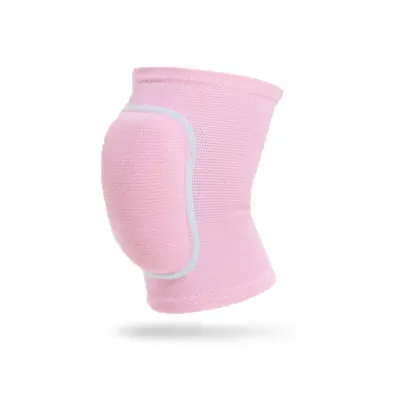
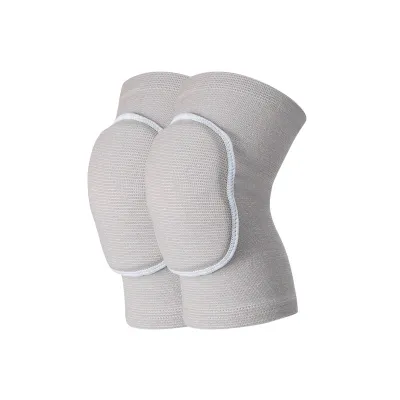
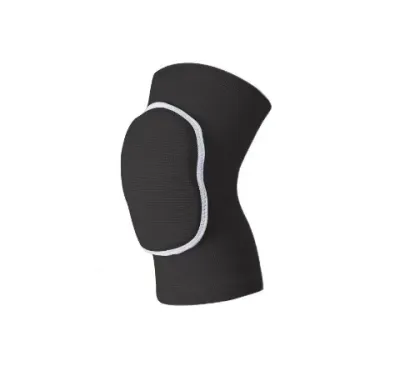
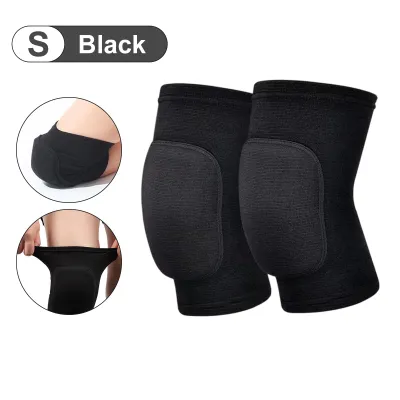
Prices are valid at publication and may change. Please refer to the product page for the latest price.
Beyond the shell material, the physical coverage area of the pad is vital. A proper beginner’s kneepad must cover the entire patella (the kneecap) and extend slightly above, below, and around the sides of the joint. This wrap-around protection ensures that even if the child falls at an angle or rolls during a spill, the vulnerable lateral sides of the knee remain shielded from direct contact with the ground.
The internal cushioning is equally important. High-density EVA (ethylene-vinyl acetate) foam is the industry standard for shock absorption. This foam should be thick enough to cushion the knee comfortably against the hard outer shell during a hard impact, yet resilient enough to retain its shape over time.
Finally, a protective pad is only effective if it stays in place. Look for secure strap systems that prevent the pad from sliding down the leg during movement. The most reliable designs feature a dual-strap system with wide, adjustable hook-and-loop fasteners at both the top and bottom of the pad. Many high-quality children’s pads also incorporate a sleeve design—a flexible fabric tube that the child slides their leg through before securing the straps. This sleeve-and-strap combination provides double security, ensuring the pad remains perfectly centered over the kneecap even during active, repetitive leg movements.
How to Measure and Size Kneepads for a Secure Fit
An ill-fitting kneepad offers very little protection. If the pad is too loose, it will slide down to the shin the moment the child falls; if it is too tight, it will restrict blood circulation, cause painful chafing, and make the skating experience highly uncomfortable. To avoid these issues, parents must take accurate physical measurements rather than relying on general age recommendations.

To measure your child’s leg correctly, you will need a flexible sewing tape measure. Have your child stand with their leg slightly bent at approximately a 15-degree angle, which mimics their natural posture while roller skating. Locate the center of the kneecap. Measure the circumference of the leg about 3 to 5 centimeters above the center of the kneecap (the lower thigh area) and record the number. Next, measure the circumference about 3 to 5 centimeters below the center of the kneecap (the upper calf area). Write down both measurements in centimeters, as most sports equipment manufacturers use metric sizing.
Once you have these measurements, compare them directly to the manufacturer’s specific sizing chart for the exact model you are considering. Avoid the temptation to buy a size up to allow room for growth. While this strategy works well for everyday clothing, oversized protective gear is a safety hazard. If the measurements fall between two sizes, look closely at the adjustment range of the straps. If the straps offer significant overlap, the smaller size is often the safer choice to ensure the pad does not slip during an impact.
After the kneepads arrive, perform a few practical fit tests at home before heading out to skate. Have your child put the pads on and bend their knees fully. Check the back of the knee for any severe pinching or bunching of fabric. Ask your child to walk and jog in place for a minute. If the pads slide down even slightly during this brief test, the fit is too loose. Finally, gently slide your fingers under the edges of the pad. You should feel a snug, firm seal against the skin, but it should not pinch or leave deep, painful red indentations after a few minutes of wear.
Adapting Your Choice for Local Weather and Skating Surfaces
The environment where your child practices plays a significant role in determining which kneepads will perform best. In the tropical climate of the Philippines, high heat and humidity are constant factors that can quickly make wearing heavy protective gear unbearable for a young child.
To keep your child comfortable and willing to wear their safety gear, prioritize materials designed for hot weather. Look for kneepads that feature moisture-wicking inner liners and highly breathable backing fabrics. Materials like perforated neoprene, open-cell foam, and lightweight air mesh allow heat and sweat to escape, reducing the risk of heat rash and skin irritation. Avoid solid, non-breathable plastic backings that trap sweat against the skin, as these can quickly lead to discomfort and complaints from your young skater.
The skating surface also dictates the level of durability required. If your child is practicing on rough outdoor surfaces, such as local barangay basketball courts, concrete driveways, or public park pathways, the kneepads will face significant abrasion. For these environments, heavy-duty hard shells with reinforced stitching around the edges are essential to withstand repeated scrapes against rough concrete. Conversely, if your child is learning on smooth indoor rinks or polished cement surfaces, a slightly lighter hard shell may be sufficient, but outdoor learning always demands the highest level of abrasion resistance.
When choosing gear, aim to balance heavy-duty protection with lightweight comfort. Beginners have developing muscles and can tire quickly under the weight of bulky equipment. Selecting pads that utilize lightweight yet highly impact-resistant materials ensures your child can practice their strides and crossovers without feeling weighed down or fatigued prematurely.
Building Your Shortlist: Pre-Purchase Checks for Parents
With numerous options available on e-commerce platforms and in physical sports stores, creating a shortlist requires a systematic approach. Before making a final purchase, parents should perform several key checks to ensure they are investing in reliable, high-quality gear.
First, verify the safety compliance of the product. Look for clear manufacturer specifications and recognized safety standards on the product page or packaging. Certifications such as the European standard EN 14120 (which specifies safety requirements and test methods for roller sports protective equipment) indicate that the pads have undergone rigorous testing for impact resistance and strap security. If a product listing lacks any mention of safety standards or material specifications, it is best to look elsewhere.
Next, carefully inspect user reviews on online marketplaces, focusing specifically on long-term durability. Look for feedback from other parents regarding how well the hook-and-loop fasteners hold up after weeks of use. Velcro that loses its grip quickly or straps that stretch out permanently will render the kneepads useless. Pay close attention to reviews mentioning the quality of the stitching around the hard plastic cap, as this is a common point of failure on lower-quality pads.
Finally, always confirm the seller’s return and exchange policies before checking out. Because a secure fit is absolutely critical for safety, you must have the flexibility to return or exchange the pads if the real-world fit test reveals they are too loose or too tight. Keep all original packaging, tags, and protective films intact until you are completely satisfied with how the pads fit your child’s legs.
Frequently Asked Questions (FAQ)
Should kids wear knee pads over or under their pants?
For the best protection and stability, kids should wear knee pads directly against their skin or over thin, tight-fitting athletic leggings. Wearing knee pads over loose, baggy pants like jeans or heavy sweatpants is not recommended. The loose fabric of baggy pants can bunch up underneath the straps, creating gaps that allow the pad to slide out of place during a fall. Additionally, the friction between the pad and loose fabric can cause the pad to shift easily, leaving the knee exposed to scrapes and impact. If your child prefers wearing pants, opt for snug-fitting athletic wear that allows the kneepad’s sleeve or straps to grip the leg securely without shifting.
How do I know when it is time to size up?
There are several clear, observable indicators that your child has outgrown their current kneepads. First, check the straps: if the hook-and-loop fasteners barely reach the designated landing zone or undo themselves during movement, the pads are too small. Second, look at your child’s skin after a skating session; deep, persistent red marks or indentations indicate that the elastic or straps are restricting circulation. Third, observe the coverage: if the hard shell no longer fully covers the top of the kneecap or if the sides of the joint are exposed, the pad is too small to provide adequate protection. Finally, if your child complains of pinching behind the knee or restricted movement when bending their legs, it is time to transition to the next size up.
Community discussion
Share your experience or ask a question. Comments are reviewed before publication.