
Setting up a home gym in the Philippines requires balancing your fitness goals with physical space, structural limits, and tropical environmental factors. Choosing the right Korboard strength equipment involves identifying your primary training modality—whether it is powerlifting, hypertrophy, or general conditioning—and matching it to the correct footprint. Because heavy equipment represents a long-term investment, verifying structural compatibility, local warranty support, and material durability against high humidity is essential before making a purchase.
By systematically evaluating your training space, understanding the technical specifications of free weights and structural racks, and establishing a preventative maintenance routine, you can build a safe, highly functional training environment. This guide outlines the key decision-making frameworks to help you select, verify, and maintain the ideal strength setup for your home.
Quick Guide: Matching Korboard Equipment to Your Home Gym Profile
Selecting the right strength training equipment depends heavily on your primary fitness objectives and the physical constraints of your home. Korboard offers a variety of equipment categories, ranging from space-saving free weights to heavy-duty structural racks and multi-functional cable systems. Matching these categories to your specific training profile ensures you maximize both your budget and your floor space.
Products mentioned in this guide
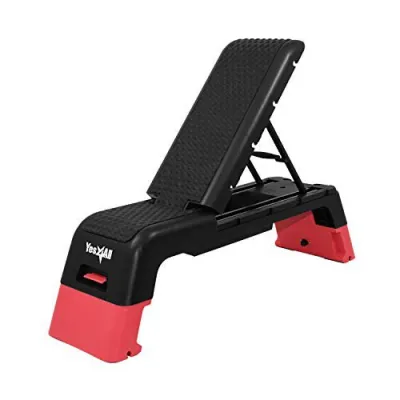
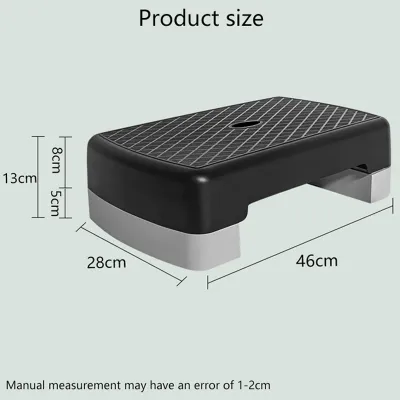
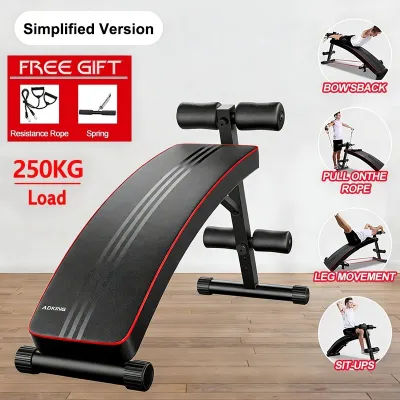
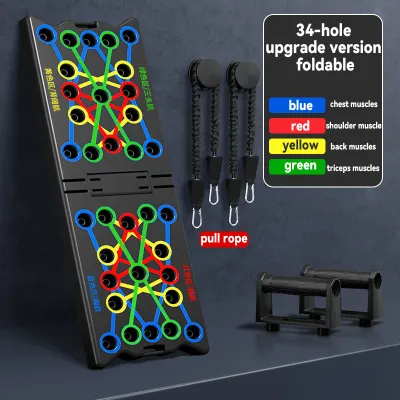
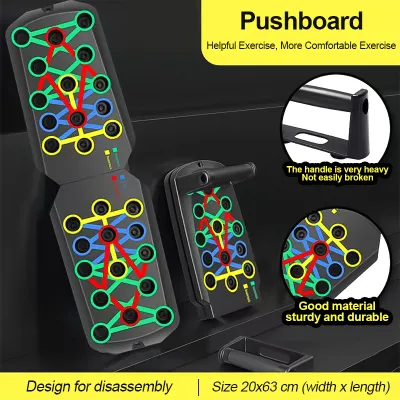
Prices are valid at publication and may change. Please refer to the product page for the latest price.
For lifters focused on hypertrophy and general conditioning, a combination of adjustable dumbbells and an adjustable utility bench offers the highest versatility per square meter. This setup allows for a wide range of isolation and compound movements without requiring a dedicated room. If your goals lean toward powerlifting or Olympic weightlifting, a robust squat stand or half rack paired with a high-quality barbell and bumper plates becomes the necessary foundation.
Those seeking a low-impact, highly adjustable workout may find cable machines or functional trainers to be the most appropriate choice. These systems provide constant tension throughout a movement and allow for quick weight adjustments, making them excellent for accessory work and rehabilitation. Before finalizing any purchase, always verify specific model availability, exact dimensions, and delivery logistics in the Philippines through official brand channels or authorized local retailers.
Assessing Your Space and Training Goals
Before browsing equipment catalogs, you must conduct a thorough assessment of your physical training environment. The most common mistake when setting up a home gym is underestimating the total operational clearance required for dynamic movements. You must measure the physical footprint of the equipment itself, along with the active space needed to use it safely.

Begin by measuring your available floor space, paying close attention to lateral clearance. A standard Olympic barbell is approximately 2.2 meters (7.2 feet) long. To load and unload weight plates safely without striking walls or furniture, you need a minimum lateral clearance of 3 meters (10 feet). Additionally, measure your ceiling height carefully; overhead movements like the military press, pull-ups, or high-cable exercises often require a minimum ceiling clearance of 2.4 meters to prevent contact with light fixtures or concrete beams.
Floor load capacity is another critical structural consideration, particularly for fitness enthusiasts living in high-rise condominiums or multi-story townhouses in urban areas. A heavy squat rack loaded with plates, combined with the user’s body weight, can easily concentrate over 300 kilograms on a very small surface area. Consult your building administration or structural guidelines to ensure your floor can support concentrated static and dynamic loads, especially if you plan to perform heavy deadlifts.
Defining your primary training modality helps prevent over-purchasing unnecessary specialized machinery. If your routine consists of basic compound lifts, investing in a premium barbell and a solid rack is far more efficient than buying multiple single-purpose machines. Keep your layout modular so you can expand your setup as your strength progresses and your budget allows.
Selecting Korboard Free Weights: Dumbbells and Barbells
Free weights form the core of any functional home gym. When evaluating Korboard dumbbells and barbells, you must prioritize ergonomics, material durability, and system compatibility to ensure long-term usability and safety.
Dumbbell Systems: Fixed vs. Adjustable
- Space Efficiency: Adjustable dumbbell systems consolidate an entire rack of weights into a single pair, making them the ideal choice for compact apartments or shared rooms.
- Weight Progression: Verify the weight increments of adjustable models to ensure they support gradual progressive overload, particularly for smaller muscle groups where large jumps in weight can stall progress.
- Durability and Handling: Fixed dumbbells are structurally simpler and highly durable, making them better suited for high-volume training where weights might be dropped. However, they require a dedicated multi-tier storage rack, which increases both the cost and the physical footprint of your gym.
Barbell Specifications and Selection
- Shaft Diameter: Standard barbells typically feature a shaft diameter of 28mm to 29mm. A 28mm shaft offers more whip and is preferred for Olympic lifts, while a 29mm shaft is stiffer and better suited for heavy powerlifting movements like squats and bench presses.
- Knurling Patterns: Examine the aggressiveness of the knurling. A passive or moderate knurling pattern is comfortable for high-rep training, whereas an aggressive mountain knurling provides a secure grip for heavy deadlifts but can be harsh on uncalloused hands.
- Sleeve Rotation: Check whether the barbell sleeves utilize bushings or bearings. Bushings provide a smooth, controlled spin ideal for powerlifting, while needle bearings offer rapid, fluid rotation necessary to protect the wrists during Olympic cleans and snatches.
Weight Plate and Sleeve Compatibility
- Sleeve Diameter: Ensure your weight plates match your barbell sleeve diameter. Olympic-standard sleeves require plates with a 50mm (2-inch) center hole, whereas standard barbells use 25mm (1-inch) holes. Mixing these standards will result in unstable, unsafe weight distribution.
- Plate Materials: Bumper plates made of high-density rubber are essential if you plan to perform Olympic lifts or deadlifts, as they absorb impact and protect your subfloor. Cast iron plates are thinner, allowing you to fit more weight on the barbell sleeve, but they must be controlled on the descent to avoid damaging your floor.
Evaluating Korboard Racks and Strength Machines
For heavy compound lifting and advanced cable training, structural integrity and safety mechanisms are paramount. Larger installations like squat cages, half racks, and cable systems require rigorous pre-purchase checks to ensure they can safely support your training volume.
First, assess the steel gauge and upright dimensions of the rack. High-quality home racks typically use 11-gauge or 14-gauge steel with upright dimensions of 2×2 inches, 2×3 inches, or 3×3 inches. Thicker steel (11-gauge) and larger uprights provide superior stability and reduce frame sway during heavy re-racks. Additionally, check the hole spacing along the uprights; Westside hole spacing (25mm spacing through the bench zone) allows for highly precise safety bar positioning.
Review the safety spotter mechanisms carefully before purchasing. Look for robust safety spotter arms, pin-pipe safeties, or heavy-duty safety straps that can be securely locked into the uprights. Verify the manufacturer’s stated static and dynamic weight capacity limits, ensuring they comfortably exceed your current maximum lifts and projected strength goals over the next several years. Never compromise on safety hardware, as these components are your primary defense against failed lifts.
If you are considering a cable machine or functional trainer, evaluate the pulley system mechanics. Check the pulley ratio, which is commonly 1:1 or 2:1. A 2:1 ratio means a 100-pound weight stack provides 50 pounds of actual resistance, but offers longer cable travel and smoother operation, making it ideal for fast, athletic movements. Ensure the cables are made of aircraft-grade steel with a durable nylon coating, and verify whether the machine requires structural anchoring to the wall or floor to prevent tipping during use.
Pre-Purchase Verification and Setup Checklist
Before finalizing your order and arranging delivery, complete this practical checklist to ensure a seamless installation and a safe training environment.
- Verify Seller Legitimacy: Purchase exclusively through authorized Korboard distributors in the Philippines to guarantee product authenticity, reliable customer service, and valid warranty coverage.
- Confirm Warranty Terms: Read the fine print regarding warranty duration and coverage details. Structural steel frames typically carry longer warranties, while moving parts like cables, pulleys, and upholstery may have shorter coverage periods.
- Double-Check Physical Clearances: Re-measure your designated gym space against the manufacturer's exact product specifications, accounting for the maximum height of pull-up bars and the lateral width of loaded barbells.
- Assess Delivery Logistics: Heavy strength equipment is shipped in multiple large, heavy crates. Confirm if the delivery service includes unloading, transport to your specific room of choice (especially for upper floors), and professional assembly services.
- Install Protective Flooring: Never place heavy steel equipment directly on bare concrete, ceramic tiles, or hardwood. Install high-density rubber flooring, such as 15mm to 20mm thick rubber tiles or heavy-duty utility mats, to absorb shock, dampen noise, and protect both your equipment and your home's subfloor.
- Plan for Structural Anchoring: If your chosen rack or cable machine has a compact footprint or is top-heavy, identify whether you need to bolt it directly to the floor or secure it to structural wall studs to ensure absolute stability.
Frequently Asked Questions (FAQ)
Can I use Korboard weight plates on other brand barbells?
Yes, provided the center hole diameter of the weight plates matches the sleeve diameter of the barbell. The fitness industry primarily utilizes two standards: Olympic (50mm or 2-inch sleeves) and Standard (25mm or 1-inch sleeves). If your Korboard weight plates are Olympic-standard plates, they will fit any standard Olympic barbell regardless of the brand. Always measure both the plate opening and the barbell sleeve with a caliper if you are unsure of the specifications, as forcing mismatched equipment can damage the sleeves or cause the plates to slide dangerously during a lift.
What flooring is required for a Korboard home gym?
To protect your home’s subfloor and reduce noise transmission, you should install high-density rubber flooring with a minimum thickness of 15mm. Standard EVA foam puzzle mats are generally insufficient for heavy strength training, as they compress permanently under heavy loads and do not offer adequate shock absorption for dropped weights. High-density rubber tiles or solid rubber utility mats distribute the weight of heavy racks and protect ceramic tiles or concrete from cracking. If you plan to perform heavy deadlifts or Olympic lifts, consider building a dedicated lifting platform using layers of plywood topped with thick rubber mats.
How do I maintain Korboard cast iron and steel equipment?
In the tropical, high-humidity climate of the Philippines, metal strength equipment is highly susceptible to rust and corrosion. To preserve your equipment, ensure your training space has adequate ventilation, and use a dehumidifier if the gym is in an enclosed room. After every workout, wipe down all barbells, dumbbells, and pull-up bars with a dry microfiber cloth to remove sweat, which contains corrosive salts. Periodically apply a thin coat of light machine oil or silicone spray to the barbell shaft and knurling, let it sit for a few minutes, and then brush away the excess with a nylon bristle brush to maintain a protective barrier against moisture.
Community discussion
Share your experience or ask a question. Comments are reviewed before publication.