
Selecting the right pair of Leaderfins requires balancing your current diving proficiency, your primary underwater discipline, and your physical build. Because freediving in tropical waters involves varying currents, depths, and temperatures, your choice of blade material, stiffness, and configuration directly impacts your oxygen efficiency and comfort. By matching these variables to your specific needs, you can find a setup that supports your progression without causing unnecessary fatigue.
Assess Your Freediving Skill Level and Goals
Before browsing specific blade designs, take an honest look at your current abilities and where you plan to dive. Freediving gear is highly specialized, and using equipment designed for a different skill level can hinder your technique or lead to physical strain.
To help identify your current profile, consider this self-assessment checklist:
Products mentioned in this guide
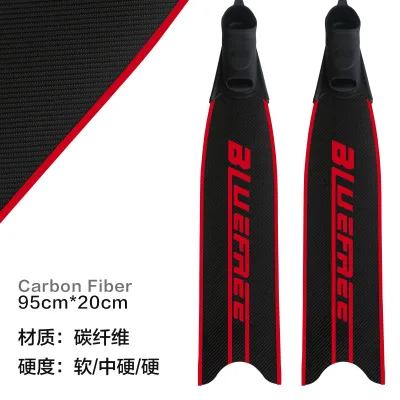
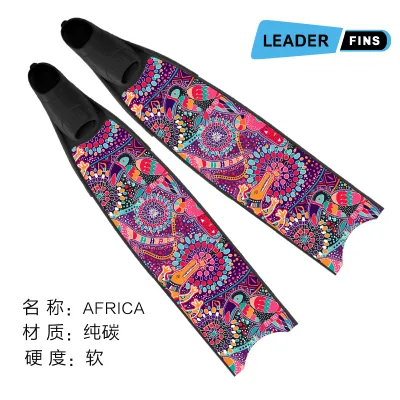
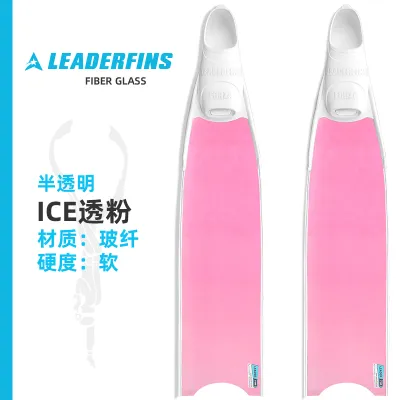
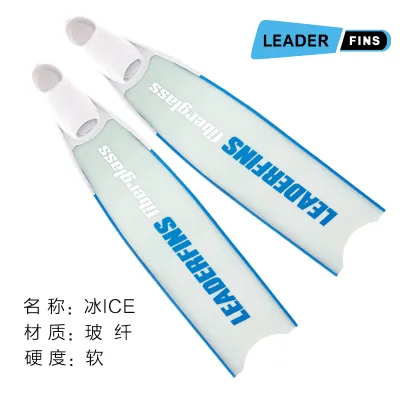
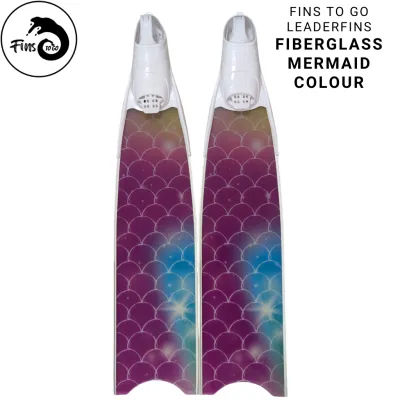
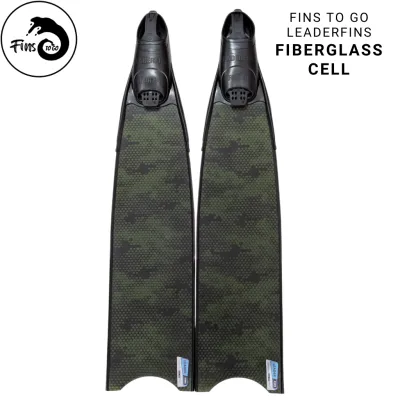
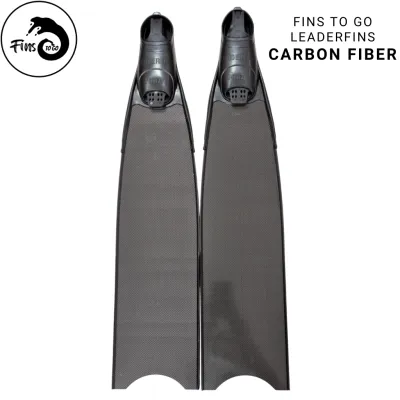
Prices are valid at publication and may change. Please refer to the product page for the latest price.
- Beginner: You are new to breath-hold diving, currently working on basic breath-holding comfort, and learning the fundamental flutter kick. Your dives are typically shallow, focusing on relaxation and safety protocols.
- Intermediate: You have completed an entry-level certification, can comfortably perform rescue procedures, and are actively working on streamlining, vertical alignment, and diving to moderate depths.
- Advanced: You are training consistently, targeting specific depth or distance goals, and have a highly refined kick technique. You may also be exploring specialized disciplines like constant weight with monofin or deep spearfishing.
Your primary diving environment also dictates your gear requirements. Pool training and dynamic apnea disciplines benefit from lightweight, highly responsive blades that allow for consistent, metered propulsion. Open-water depth diving, especially in areas with unpredictable coastal currents, requires reliable power to help you overcome negative buoyancy during the ascent. If your focus is spearfishing, you will need durable blades that can withstand occasional contact with rocky structures or coral reefs while providing quick acceleration from the bottom.
Recognizing when your current gear is limiting your progress is key to making a timely upgrade. If you experience persistent calf cramping, struggle to make headway against mild currents, or find your ankles aching after a short session, your current fins may be too stiff, poorly fitted, or inefficient for your body type. Upgrading to a pair that matches your physical profile can immediately improve your comfort and underwater runtime.
Monofins vs. Bifins: Which Configuration Fits You?
The choice between monofins and bifins is one of the most significant decisions a freediver will make. Each configuration requires a distinct kicking style, offers different levels of maneuverability, and suits specific diving goals.

Bifins are the traditional choice for most freedivers, utilizing a standard flutter kick where each leg moves independently. This configuration is highly intuitive, making it exceptionally easy to learn and control. Bifins offer excellent versatility, allowing you to perform easy surface swims, navigate tight spaces, and execute controlled boat entries or shore exits. They are the ideal starting point for beginners and remain the preferred choice for recreational divers and spearfishers who value agility and ease of use.
In contrast, monofins bind both feet to a single, wide blade, requiring a unified dolphin kick that engages your entire core, hips, and legs. This configuration provides exceptional power transfer and hydrodynamic efficiency, allowing you to cover greater distances with fewer kick cycles. However, the learning curve is steep. Mastering the dolphin kick requires dedicated training, excellent core strength, and high ankle flexibility to avoid lower back strain and inefficient oxygen consumption.
Determining if you are ready to transition from bifins to a monofin depends on several physical prerequisites. You should have a clean, symmetrical flutter kick, consistent buoyancy control, and a solid foundation of core stability. If you find yourself wanting to maximize your depth efficiency in straight-line diving and are willing to invest time in specialized coaching to learn the dolphin kick, transitioning to a monofin can be a highly rewarding progression.
Evaluating Blade Materials and Stiffness for Your Profile
Once you have chosen your configuration, the next step is selecting the blade material and stiffness. These two factors determine how much energy is required to flex the fin and how efficiently that energy is converted into forward thrust.
Leaderfins blades are commonly available in three primary materials, each with distinct characteristics:
- Plastic/Polymer: Highly durable and impact-resistant, making them excellent for beginners or diving around rugged shorelines. However, they are heavier and have slower flex recovery, requiring more physical effort over long sessions.
- Fiberglass: Offers a resilient, high-performing middle ground. Fiberglass blades have excellent flex memory and are significantly more responsive than plastic, making them a popular and cost-effective choice for intermediate divers.
- Carbon Fiber: Provides the highest level of responsiveness and energy return. They require the least amount of physical effort to kick, but they are more fragile and require careful handling to avoid structural damage from impacts against boat ladders or shallow reefs.
Matching blade stiffness—typically categorized as soft, medium, or hard—to your physical profile is crucial. Soft blades are generally suited for lighter divers, those with less leg conditioning, or those focusing on long, relaxed pool sessions where conservation of energy is the priority. Medium blades suit the average diver and provide a balanced blend of power and ease, making them highly versatile for various depths. Hard blades require significant leg strength and are typically reserved for heavier divers or safety divers who need immediate, high-thrust acceleration to assist others.
Before finalizing your selection, always check the manufacturer’s specifications regarding foot pocket and blade compatibility. If you plan to purchase blades and foot pockets separately, ensure the mounting angles and water rails align perfectly. If you have pre-existing joint issues, or if your body weight falls on the boundary between stiffness ratings, stop and consult a certified freediving instructor or the manufacturer to ensure you select a safe configuration.
Finalizing Your Fit and Purchase Decision
The performance of even the most advanced blade will be severely compromised if the foot pockets do not fit correctly. A poor fit can lead to painful blisters, muscle cramps, and a significant loss of energy transfer during your kick cycle.
To ensure an accurate fit, measure your feet carefully at home. Place your foot on a sheet of paper, trace the outline while keeping the pen vertical, and measure the distance from your heel to your longest toe in millimeters. Be sure to perform this measurement while wearing the neoprene socks you plan to use during your dives. In tropical climates, a 1.5mm to 3mm neoprene sock is common to protect against chafing and provide a snug fit. Compare your measurements directly to the brand’s specific sizing chart rather than relying on your standard shoe size.
When purchasing your fins online, verify that you are buying from an authorized retailer or a reputable online marketplace. Carefully review their return and exchange policies, as you may need to swap sizes if the initial fit is incorrect. Look for clear warranty terms that cover manufacturing defects to protect your investment.
Once your new fins arrive, plan a safe, gradual break-in process. Begin by testing them in a controlled environment, such as a local swimming pool or a calm, shallow beach area. This allows you to monitor for any hot spots or pressure points, adjust your sock thickness, and get accustomed to the length and weight of the blades before committing to deep open-water dives.
Frequently Asked Questions (FAQ)
Can I use Leaderfins bifins for both scuba diving and freediving?
While it is physically possible to wear freediving bifins for scuba diving, it is generally impractical and inefficient. Freediving fins are significantly longer and designed for a slow, wide flutter kick optimized for breath-hold efficiency. In scuba diving, the extra length can make tight maneuvers around reefs, wrecks, or boat decks difficult, and the high drag can lead to increased physical exertion and faster air consumption.
How do I know if my Leaderfins foot pockets are the right size?
A proper foot pocket fit should feel snug and secure without causing pain or restricting circulation. If you experience numbness, tingling, or sharp pressure points on your toes or instep within ten minutes of wearing them, they are too small. Conversely, if your heel slips out of the pocket when you flex your foot upward, the pockets are too large, which will cause painful blisters and waste your kicking energy.
Community discussion
Share your experience or ask a question. Comments are reviewed before publication.