
Starting gymnastics is an exciting milestone for young children, but the transition into structured training requires the right gear to ensure safety, comfort, and focus. For young girls entering their first gymnastics class, a proper leotard is not just a uniform; it is a functional piece of athletic equipment. The right garment allows coaches to observe body alignment clearly, prevents dangerous snags on training apparatus, and keeps the young athlete comfortable in warm, humid environments. Selecting the ideal starter leotard involves balancing fabric performance, fit, and practical design elements tailored to local training conditions.
Why the Right Leotard Matters for Beginners
A beginner’s first few sessions in a gymnastics gym are critical for building confidence and mastering foundational movements like forward rolls, cartwheels, and basic balance beam walks. During these dynamic exercises, ill-fitting apparel can quickly become a major distraction. If a leotard is too loose, the fabric can bunch up around the torso or ride up at the legs, forcing the child to constantly pull and adjust their clothing instead of focusing on their coach’s instructions. This constant distraction can break their concentration, which is vital when learning to balance or execute a safe landing.
Furthermore, safety on the equipment is directly tied to what the gymnast wears. Loose shirts, baggy shorts, or oversized leotards can easily catch on the wooden bars, the edges of the vault, or the metal adjusters of the training apparatus. A snug, form-fitting leotard eliminates this hazard entirely, ensuring that the child can glide over mats and grip equipment without any fabric interference. It also allows coaches to spot the child safely, as they can get a firm, slip-free grip on the waist or hips during complex maneuvers.
Products mentioned in this guide
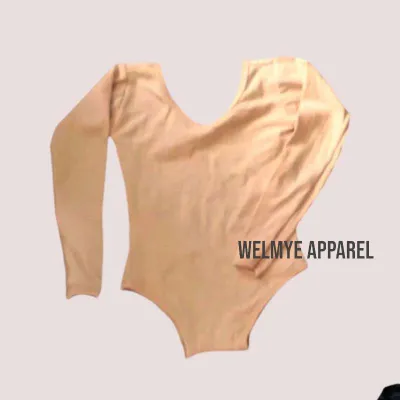
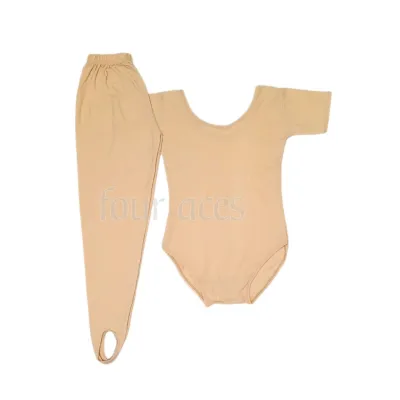
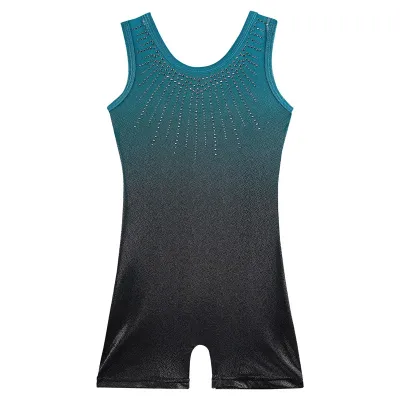
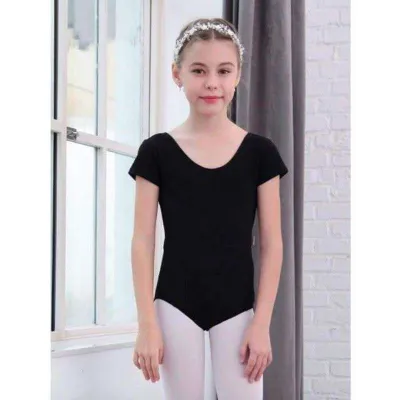
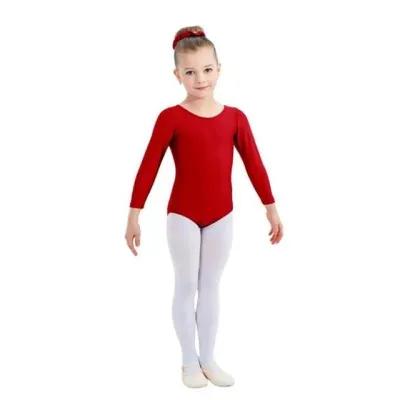
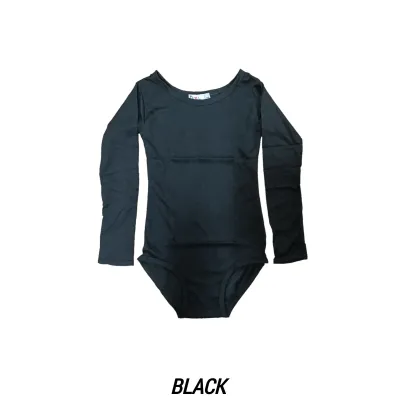
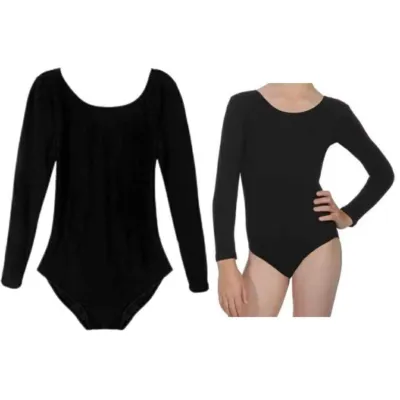
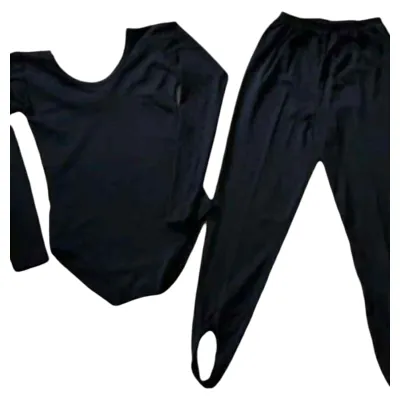
Prices are valid at publication and may change. Please refer to the product page for the latest price.
Finally, physical comfort plays a massive role in how a child perceives their new sport. Rough seams, scratchy tags, or stiff fabrics can cause painful skin irritation and chafing, especially when combined with sweat and friction from the mats. A soft, well-constructed leotard acts as a protective second skin, reducing friction and allowing the child to move through their full range of motion with absolute freedom. When a young gymnast feels secure and comfortable in her gear, she can approach each new challenge with enthusiasm and self-assurance.
Key Features to Look for in Beginner Leotards
When shopping for a child’s first gymnastics outfit, it is easy to get swayed by bright colors, sparkling patterns, and elaborate designs. However, the primary focus for a beginner should always be functionality, durability, and compliance with local gym dress codes. Before evaluating specific styles, parents should understand that a high-quality training leotard must withstand repeated stretching, frequent washing, and the abrasive texture of gymnastics mats. By focusing on a few core design specifications, you can find a garment that keeps your child comfortable throughout their training sessions.

Fabric and Breathability
In the tropical climate of the Philippines, where indoor training facilities may rely on wall fans rather than centralized air conditioning, heat and humidity are major factors to consider. Gymnastics is a highly active sport that generates significant body heat, making fabric breathability a top priority. When examining garment labels, look for high-performance synthetic blends such as nylon-spandex or polyester-spandex. These materials are highly valued for their excellent four-way stretch, allowing the garment to expand and contract smoothly with every leap and bend.
Another excellent option for sensitive skin is a cotton-spandex or cotton-Lycra blend. While cotton is naturally soft and highly breathable, it does tend to absorb and hold onto moisture longer than synthetic fabrics. If your child’s gym is particularly warm, a synthetic moisture-wicking blend is generally preferred as it draws sweat away from the skin and dries rapidly, preventing the chilly, damp feeling that can occur during water breaks or cool-downs.
Regardless of the material blend, it is crucial to verify the thickness and opacity of the fabric. You can perform a simple stretch test by placing your hand inside the leotard and stretching the fabric firmly. If you can clearly see your skin or the outline of your fingers through the material, the fabric is too thin and will likely become translucent when the child bends over or performs a split. Opt for double-lined front panels or denser knit fabrics to ensure complete coverage and durability over time.
Fit, Cut, and Sleeve Length
The silhouette of the leotard directly impacts both temperature regulation and physical comfort during training. For beginners, tank-style leotards (sleeveless) are almost always the most practical choice. They offer maximum ventilation in warm gym environments and allow the shoulders and arms to move completely unrestricted. Short-sleeve options can provide a bit more shoulder coverage and protection from friction on the mats, but they may feel slightly warmer. Long-sleeve leotards are generally reserved for competitive events or highly air-conditioned training facilities, as they can trap excessive heat during intense warm-ups in standard local gyms.
Pay close attention to the leg cut of the garment. A classic, moderate leg cut is ideal for beginners because it provides secure coverage over the hips and buttocks without riding up during active movement. Avoid high-cut legs, which are designed for advanced gymnasts and can cause younger children to feel self-conscious or experience chafing along the bikini line. Conversely, leg openings that are too low or loose can sag, creating a sloppy appearance and potentially catching on equipment.
The neckline should also be evaluated carefully. A scoop neck or a modest V-neck is standard, providing a secure fit that does not gap when the child bends forward. Ensure the neckline is elasticized enough to slip over the head easily but snug enough to stay flat against the chest during inversions like handstands and cartwheels.
Closures and Practical Design
For younger gymnasts, especially those in preschool or early elementary school, practical design elements can make a significant difference in their overall experience. One of the most important considerations is how easily the child can manage bathroom breaks. Some toddler and preschool-sized leotards feature snap closures at the crotch, similar to a bodysuit. While this makes quick bathroom trips much easier, ensure the snaps are flat, secure, and covered by soft fabric so they do not rub against the inner thighs or catch on the floor mats during rolls.
If you choose a leotard with a zipper closure—usually found on high-neck or long-sleeve styles—verify that the zipper is located on the back and features a protective fabric flap or “zipper garage” at the top. This prevents the metal or plastic teeth from pinching the skin or scratching the neck. For absolute beginners, zipperless, pull-on styles are highly recommended as they eliminate these risks entirely and are much easier for a child to put on independently.
Additionally, it is wise to avoid excessive embellishments on training leotards. While large rhinestones, heavy sequins, and hanging ribbons look beautiful, they can be highly impractical for daily practice. These decorations can scratch the child’s inner arms during repetitive movements, irritate the skin of training partners during spotting, and scratch or damage expensive vinyl mats and foam training blocks. Keep training wear simple, smooth, and focused on comfort.
Navigating Sizing and Fit for Growing Kids
Finding the correct size for a growing child can be challenging, especially since gymnastics activewear is designed to fit much more snugly than standard casual clothing. Relying solely on age-based sizing (such as “Size 6-7”) often leads to a poor fit, as children’s body proportions vary widely. To ensure a comfortable and safe fit, parents should take precise physical measurements using a flexible measuring tape before making a purchase.
The most critical measurement for a gymnastics leotard is the torso girth. To measure girth, place the tape measure on the center of the child’s shoulder, run it down the front of the body, through the crotch, and back up the rear to the starting point on the same shoulder. This continuous loop measurement determines the vertical length of the garment. Next, measure the chest at the fullest part, the natural waistline, and the widest part of the hips.
Once you have these measurements, compare them directly to the manufacturer’s specific size chart. If your child’s measurements fall between two sizes, it is generally best to size up, especially if they are in a rapid growth phase. However, avoid buying a leotard that is significantly too large “to grow into.” A baggy leotard will sag at the crotch, gap at the neckline, and slip off the shoulders, creating both a safety hazard and a constant distraction during class.
When the new leotard arrives, have your child try it on and perform a few simple movement checks to verify the fit. Ask them to reach their arms straight up toward the ceiling; the shoulder straps should lie flat without digging into the skin or leaving red marks, and the crotch should not pull uncomfortably. Next, have them bend over and touch their toes to check if the neckline gaps or if the leg openings ride up excessively. Finally, let them do a few jumping jacks. If the leotard stays securely in place without requiring manual adjustment, it is ready for the gym.
Shopping Strategies for Leotards in the Philippines
Navigating the local market for gymnastics gear requires a strategic approach to balance quality, convenience, and cost. For parents in the Philippines, finding specialized athletic wear often involves exploring a mix of physical retail stores and online platforms. If you prefer an in-person shopping experience where your child can try on different sizes, look for specialized dancewear boutiques or major sporting goods stores in larger metropolitan areas. These physical outlets allow you to feel the fabric thickness, inspect the seam quality, and confirm the fit immediately, saving you the hassle of potential returns.
If local physical stores are limited, online marketplaces and dedicated brand websites offer a vast selection of beginner-friendly options. When shopping online, prioritize sellers that provide highly detailed size charts, clear product photos, and verified customer reviews. Reading reviews from other parents is incredibly valuable, as they often share feedback on whether a specific style runs small, how the fabric holds up after multiple washes, and how breathable the material feels in warm weather. Always verify the seller’s return and exchange policy before purchasing, ensuring you can easily swap the item if the fit is not perfect.
Timing and budget are also key factors when preparing for the first class. It is advisable to order the leotard at least two to three weeks before training begins to account for local shipping times, especially during the rainy season when logistics can face delays. For absolute beginners who are still deciding if they want to commit to the sport long-term, there is no need to invest in expensive competitive wear. Excellent, durable starter leotards can easily be found within a budget-friendly price range of ₱500 to ₱1,500. This range offers a great balance of comfort, stretch, and durability without a heavy financial commitment.
Care and Maintenance to Extend Lifespan
Gymnastics leotards are made from delicate elastic fibers that require proper care to maintain their shape, stretch, and vibrant colors. The combination of sweat, body oils, and magnesium carbonate (gym chalk) used on the hands and feet can degrade spandex over time if the garment is not cleaned correctly. To maximize the lifespan of your child’s training wear, establish a simple and consistent care routine.
After every class, encourage your child to take off their leotard and rinse it in cool water as soon as possible. This quick rinse helps flush out sweat and chalk residue before they can settle deep into the fabric fibers. If you cannot wash the garment immediately, avoid leaving it crumpled at the bottom of a damp gym bag, as this can trap moisture and lead to mildew or unpleasant odors.
When it is time for a thorough wash, hand-washing is the gentlest and most effective method. Fill a clean basin with cold water and add a small amount of mild, liquid detergent. Gently submerge the leotard and agitate the water with your hands, paying extra attention to the underarm and neckline areas. Avoid twisting or wringing the fabric forcefully, as this can snap the delicate elastic fibers and cause the garment to lose its shape. Instead, gently press the water out against the side of the basin.
If you must use a washing machine, place the leotard inside a mesh laundry bag to protect it from snagging on zippers or buttons from other clothing. Select a delicate cycle with cold water and use a mild detergent. Never use fabric softeners, bleach, or scent boosters; these products leave a chemical residue that coats the synthetic fibers, clogging the pores of moisture-wicking fabrics and rapidly breaking down the elastane that provides the garment’s stretch.
Finally, always air-dry the leotard. Never place it in a mechanical clothes dryer, as the high heat will melt or warp the elastic fibers, causing the garment to shrink and lose its elasticity permanently. Lay the leotard flat on a clean towel or hang it up to dry in a well-ventilated indoor area or a shaded outdoor spot. Avoid hanging it in direct, intense sunlight, as UV rays can fade bright colors and weaken the fabric over time.
Frequently Asked Questions (FAQ)
Do beginner girls need to wear underwear under their leotards?
Most gymnastics leotards are specifically designed to be worn without standard underwear. They feature built-in gussets or liners that provide comfortable, direct contact with the skin, much like a swimsuit. Wearing regular underwear underneath often leads to visible panty lines, bunching, and uncomfortable chafing as the child moves through dynamic stretches. However, if your child prefers extra coverage or feels more secure with an undergarment, you can purchase seamless, skin-toned dance briefs designed to remain hidden under high-cut leg openings. It is always a good idea to check with your specific gymnastics club, as some facilities have clear guidelines regarding undergarments and dress codes.
How many leotards should a beginner have for weekly classes?
For a child attending gymnastics classes once a week, owning a minimum of two leotards is highly recommended. This ensures you always have a clean, dry backup ready in case of unexpected schedule changes, spills, or slow drying times during the humid monsoon season. Having two garments also reduces the wear and tear on a single item, extending the lifespan of both. If your child trains multiple times a week, aim to have one leotard for each training day plus one spare. For beginners, focus on simple, durable, and comfortable training styles rather than expensive, heavily embellished competition leotards, which are unnecessary for foundational skill building.
Community discussion
Share your experience or ask a question. Comments are reviewed before publication.