
Selecting the right life jacket is not merely a matter of finding a generic flotation device; it requires matching the specific physical demands of your chosen water sport with the correct gear design. Every water activity presents a unique combination of movement patterns, environmental conditions, and potential fall risks. A life jacket engineered for a seated kayaker will perform poorly—and potentially dangerously—if worn by someone falling off a jet ski at high speed. To stay safe and comfortable, you must understand how buoyancy, materials, and cut align with your specific sport.
Water sports demand a delicate balance between physical mobility and maximum buoyancy. For instance, active paddling requires unrestricted shoulder rotation, while high-speed motorized sports expose you to violent, sudden water entries that can easily rip loose-fitting gear right off your body. Wearing the wrong type of personal flotation device (PFD) can lead to severe underarm chafing, restricted breathing, or a jacket that rides up over your chin, blocking your airway when you need it most. By identifying the exact structural features required for your activity, you can make an informed decision that protects your life without hindering your performance.
Decoding Buoyancy Ratings for Active Water Sports
Understanding international and regional safety classifications is the first step in selecting a life jacket. For recreational water sports, the most relevant classifications are Type III (Flotation Aids) and Type V (Special Use Devices) under standard United States Coast Guard (USCG) guidelines, or their international equivalents, ISO 12402-5 (Level 50) and ISO 12402-4 (Level 100). These standards categorize jackets based on their minimum buoyancy, performance in the water, and intended environment, allowing you to filter out heavy commercial maritime gear that is entirely unsuitable for active recreation.
Products mentioned in this guide
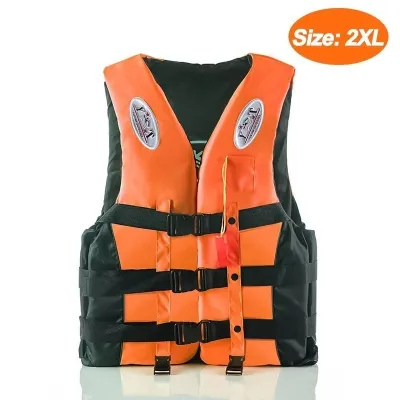
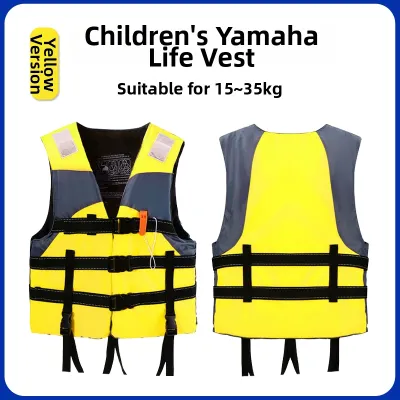
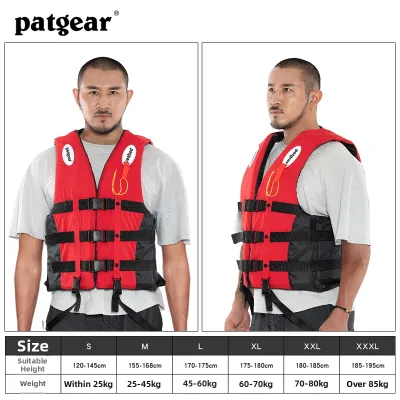
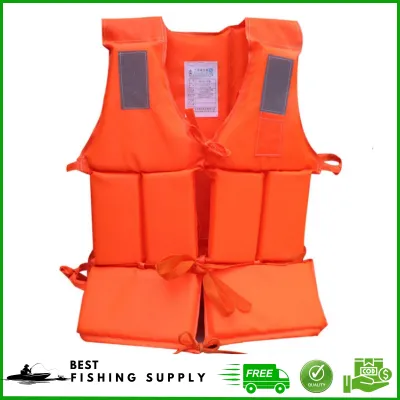
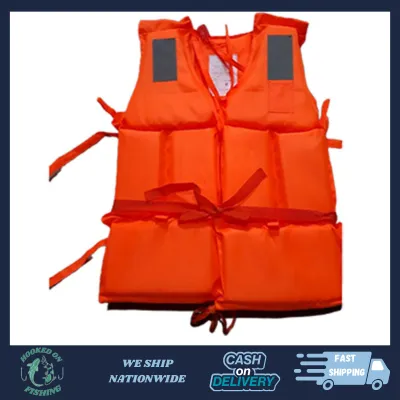
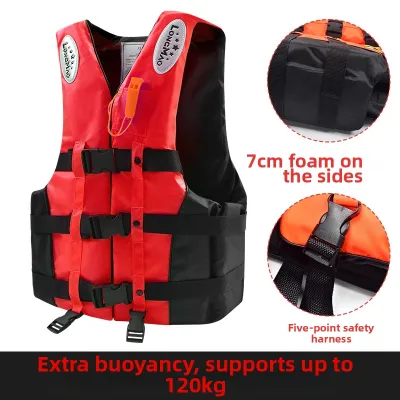
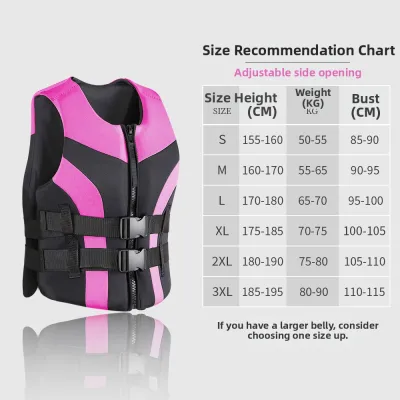
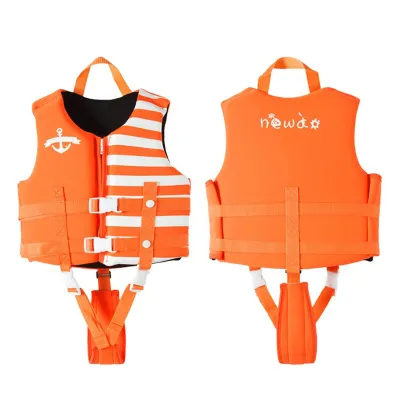
Prices are valid at publication and may change. Please refer to the product page for the latest price.
Type III flotation aids are the most common choice for active, conscious water sports enthusiasts operating in calm, inland waters where quick rescue is highly probable. These jackets are designed to complement your natural swimming ability rather than turn an unconscious person face-up. Because they do not feature bulky collars or excessive front foam, they offer a superior balance of buoyancy and physical mobility. This makes them the default choice for paddlers, sailors, and casual recreational users who need to swim or climb back onto their watercraft easily.
Type V special use devices are engineered for specific activities and must be worn according to their label instructions to be legally compliant and effective. This category includes specialized gear such as high-impact jet ski vests, windsurfing harnesses, and automatic inflatable jackets. These devices often utilize unique strap configurations, heavy-duty materials, or compact inflatable bladders that remain out of the way until needed, offering tailored protection for high-risk or highly technical sports.
Conversely, Type I (offshore life jackets) and Type II (near-shore buoyant vests) are generally unsuitable for active sports. While these types offer exceptional buoyancy and are designed to turn an unconscious wearer face-up in rough open seas, their bulky, rigid foam construction severely restricts movement. Attempting to paddle a kayak or swim back to a jet ski while wearing a Type I or II vest is incredibly difficult and exhausting, highlighting why specialized recreational designs are necessary.
Kayaking and Paddleboarding: Design for Seated Mobility
Kayaking and stand-up paddleboarding (SUP) require continuous, repetitive upper-body movement. A standard life jacket with thick foam panels on the sides and tight armholes will quickly cause painful friction burns and muscle fatigue. To prevent this, paddling-specific life jackets feature oversized armholes and narrow chest panels that allow your shoulders and arms to complete a full rotational stroke without rubbing against the fabric.

Another critical design element for kayakers is a short torso or high-back profile. Standard life jackets extend down to the waist, which causes the foam to bunch up against the high backrest of a kayak seat, pushing the entire jacket up toward your ears. Paddling-specific jackets solve this by placing the bulk of the flotation foam on the upper back, leaving the lower back covered only by a thin layer of breathable mesh. This high-back design ensures the jacket remains seated flat against your body, allowing you to lean back comfortably in your kayak.
In warm, humid tropical environments like the Philippines, heat management is a major safety consideration. Look for paddling jackets that utilize breathable mesh panels on the sides and inner lining to maximize airflow and accelerate drying. Choosing a jacket with high-visibility colors and integrated zippered pockets is also highly beneficial, as these pockets allow you to secure essential safety gear like a rescue whistle, a waterproof key case, or a compact signaling mirror within arm’s reach.
Jet Skiing and Tow Sports: Impact Resistance and Secure Fit
High-speed motorized water sports, including jet skiing, wakeboarding, and tubing, expose you to high-velocity water entry. Hitting the water at speeds exceeding 40 km/h can subject your body to immense physical force. Standard recreational nylon jackets are not designed to withstand these impacts; the force of the water can easily tear the fabric, burst the seams, or force the jacket up and off your body entirely during a fall.
To withstand these forces, jet ski and tow sport life jackets are constructed with heavy-duty outer shells, typically made from thick neoprene or high-denier reinforced nylon. Neoprene is highly favored for its durability, wind resistance, and slight stretch, which allows the jacket to conform tightly to your torso like a second skin. This snug, aerodynamic fit minimizes water resistance when you slide into the water, absorbing a portion of the impact force and protecting your ribs and chest from bruising.
Secure closure systems are non-negotiable for high-speed sports. Look for jackets that feature a robust, heavy-duty front zipper reinforced by three or four wide webbing straps equipped with durable, quick-release buckles. Many high-impact models also include integrated crotch straps or attachment loops that clip directly to your boardshorts, preventing the jacket from riding up over your head during a high-speed plunge. Additionally, ensure the jacket features a built-in D-ring attachment point near the bottom hem to secure the jet ski’s safety lanyard (kill switch).
It is important to distinguish between certified flotation devices and non-approved competition vests (often called comp vests). Comp vests are lightweight, highly flexible, and popular among wakeboarders for their extreme mobility, but they do not meet official coast guard buoyancy standards and may not keep you afloat if you are injured or unconscious. For legal compliance and genuine safety, always verify that your high-impact vest carries an official USCG or ISO certification stamp on the inner lining.
Snorkeling: The Critical Difference Between Vests and Life Jackets
A common and dangerous mistake among recreational swimmers is confusing a dedicated snorkeling vest with a certified life jacket. A snorkeling vest is an inflatable, adjustable buoyancy aid designed specifically to help you float face-down comfortably while keeping your snorkel clear of the water. These vests feature an oral inflation tube, allowing you to add air to rest on the surface or deflate the vest completely so you can dive down to examine a reef.
However, a snorkeling vest is not a certified life jacket. It does not possess inherent foam buoyancy, and it is not designed to turn an unconscious person face-up. If you lose consciousness or suffer a medical emergency while wearing an uninflated snorkeling vest, it will provide zero flotation. For this reason, snorkeling vests should only be used by confident, capable swimmers in calm, controlled conditions where immediate assistance is available.
If you are a weak swimmer, a beginner, or snorkeling in areas with strong currents or open-water swells—such as the deep drop-offs in Palawan or the Apo Reef—you must wear a true, inherently buoyant life jacket. In these scenarios, a low-profile Type III foam life jacket is the safest option. While it will restrict your ability to dive beneath the surface, it provides continuous, reliable flotation that keeps your head safely above water without requiring active swimming or manual inflation.
For confident snorkelers who want a compromise between safety and freedom of movement, specialized snorkeling belts or low-profile, flexible foam swim vests are excellent alternatives. These devices provide a mild amount of positive buoyancy to help conserve your energy during long swims, but they do not restrict your shoulder or hip movement. Regardless of your choice, never allow safety gear to replace personal swimming ability and sound environmental judgment; always check local weather forecasts and tide charts before entering the water.
Cross-Activity Compatibility: When Can You Share Gear?
Purchasing a specialized life jacket for every individual water sport can quickly become expensive, leading many families to look for a single, multi-purpose option. A general-purpose Type III foam life jacket—typically constructed from durable nylon with three adjustable chest straps—can serve as a reasonable compromise for low-speed, low-impact activities. If your water outings are limited to casual kayaking, stand-up paddleboarding, and slow boat rides, a single well-fitted general-purpose jacket will keep you safe and compliant.
However, there are strict safety boundaries where sharing gear is highly dangerous. You must never use a cheap, general-purpose nylon jacket for high-speed jet skiing or tow sports. These basic jackets lack the impact-rated seams, heavy-duty zippers, and secure strap configurations required to withstand high-velocity water entry, and they are highly likely to slip off or tear during a fall. For high-speed activities, a dedicated, impact-resistant neoprene or reinforced nylon vest is mandatory.
Conversely, attempting to use a heavy-duty, thick neoprene jet ski vest for long kayaking or paddleboarding excursions is highly impractical. Neoprene is designed to insulate and retain body heat, which can quickly lead to overheating and dehydration in hot, tropical climates. Furthermore, the thick, wrap-around foam panels of a jet ski vest do not feature the high-back cut or oversized armholes needed for paddling, resulting in severe underarm chafing and restricted shoulder movement within minutes of active paddling.
Fitting, Testing, and Maintaining Your Safety Gear
No matter how advanced or expensive a life jacket is, it will fail to protect you if it does not fit correctly. To ensure your safety, always perform a physical fit test before entering the water. Put on the jacket and fasten all zippers, buckles, and straps starting from the waist and working your way up to the shoulders. Once the jacket is secure, have a companion grab the shoulder straps and pull up firmly; if the jacket slides up past your nose, chin, or ears, the straps are too loose or the jacket is too large.
Life jackets must be selected based on your actual chest measurement and weight range, not your standard clothing size. A common mistake is purchasing an oversized jacket for a growing child, expecting them to grow into it over time. An oversized life jacket is incredibly dangerous for children, as their smaller head and shoulders can easily slip through the neck opening in the water, leaving the jacket floating empty on the surface while the child sinks. Always select a size that provides a snug, compressive fit while still allowing you to take deep, comfortable breaths.
Proper maintenance is essential to preserve the life and buoyancy of your safety gear, particularly in hot, humid, and salty marine environments. Saltwater crystals and pool chlorine are highly corrosive, capable of degrading nylon fabrics, rotting stitching, and seizing up plastic or metal zippers over time. After every use, thoroughly rinse your life jacket inside and out with clean, cool fresh water to wash away salt, sand, and chemical residues.
Once rinsed, hang your life jacket to dry in a well-ventilated, shaded outdoor area. Never dry your safety gear in direct, intense tropical sunlight, as prolonged UV exposure rapidly breaks down synthetic nylon fibers and degrades the internal flotation foam, making it brittle and less buoyant. Before storing your gear for the season, inspect it thoroughly for waterlogged foam (which feels heavy, lumpy, or squishy), torn webbing straps, broken buckles, or separated seams. If you detect any of these signs of physical failure, the jacket must be replaced immediately to ensure your safety on your next water adventure.
Frequently Asked Questions (FAQ)
Are inflatable life jackets safe for high-speed water sports?
No, standard inflatable life jackets that rely on manual pulling cords or automatic water-activated CO2 cartridges are not safe or approved for high-speed water sports like jet skiing, wakeboarding, or tubing. The violent impact of hitting the water at high speeds can damage the inflatable bladder, cause accidental deployment, or tear the jacket completely. Furthermore, the brief delay in inflation leaves you completely unprotected during the initial, high-force phase of a fall. High-speed sports require inherent foam or specialized neoprene impact vests that provide immediate, reliable flotation and physical torso protection upon impact.
Is a standard life jacket too bulky for snorkeling?
Yes, a standard Type III foam life jacket is generally too bulky for comfortable snorkeling. Because these jackets are designed to keep your chest high in the water, they naturally push your body into a vertical or backward-leaning position, making it difficult to maintain the flat, face-down swimming posture required to look through a snorkel mask. Additionally, the thick foam restricts the shoulder and arm movements needed for efficient swimming. Confident swimmers should opt for an adjustable, inflatable snorkeling vest that allows them to control their buoyancy, while weak swimmers should look for highly flexible, low-profile foam swim vests designed specifically to minimize bulk.
Community discussion
Share your experience or ask a question. Comments are reviewed before publication.