
Selecting the right life vest depends entirely on your planned water activity, your swimming ability, and the specific environmental conditions you will face. A high-speed jet ski ride demands impact protection and a secure fit that can withstand a sudden fall, while kayaking requires a low-profile design that allows your arms to move freely without chafing. Snorkeling, on the other hand, often relies on lightweight, manually adjustable flotation aids designed to keep you comfortable at the surface. Matching your gear to your sport is not just a matter of comfort; it is a critical safety decision that ensures your personal flotation device performs exactly when you need it most.
Understanding Life Vest Categories and Buoyancy Labels
Before purchasing a life vest, you must understand how to read the manufacturer’s safety label, which is typically printed on the inside lining. These labels indicate whether the device meets recognized safety standards. In the Philippines, the Philippine Coast Guard regulates safety equipment for watercraft and recreational activities, making it essential to verify that your vest complies with local maritime safety guidelines before heading out.
The label also specifies the buoyancy rating, usually measured in Newtons. A higher Newton rating indicates greater flotation capability, which is crucial in rough coastal waters. For general recreational activities, you will primarily choose between inherently buoyant foam vests and inflatable models.
Products mentioned in this guide
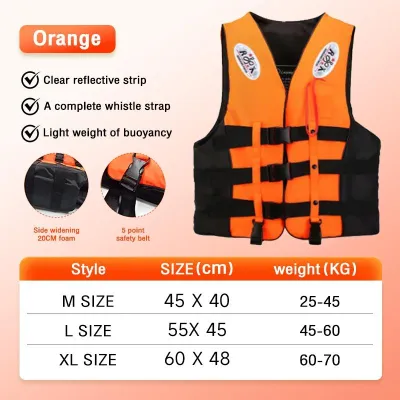
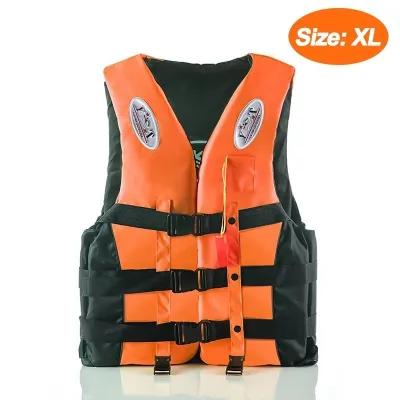
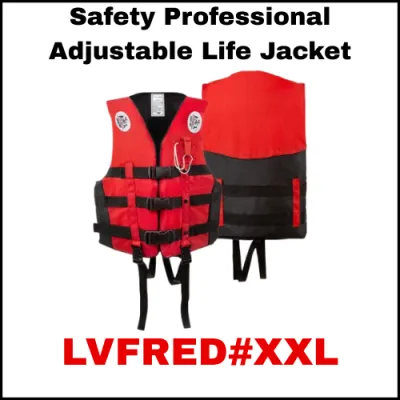
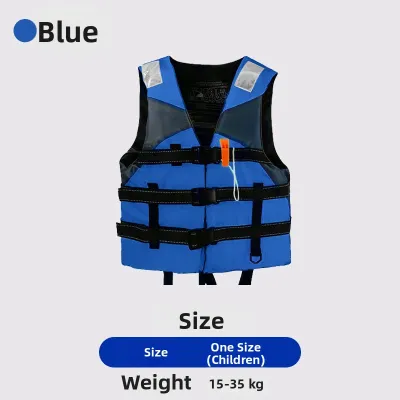
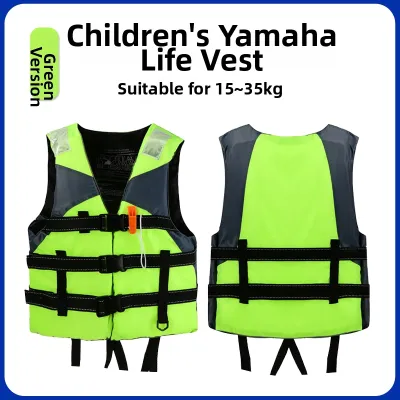
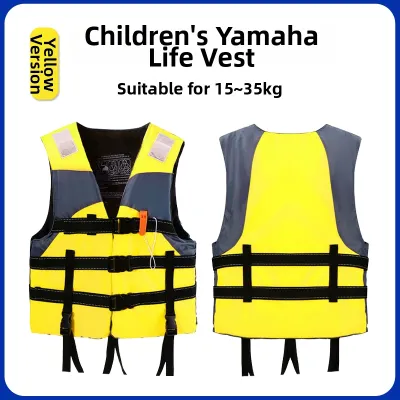
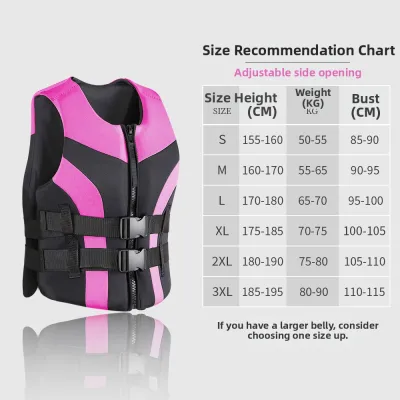
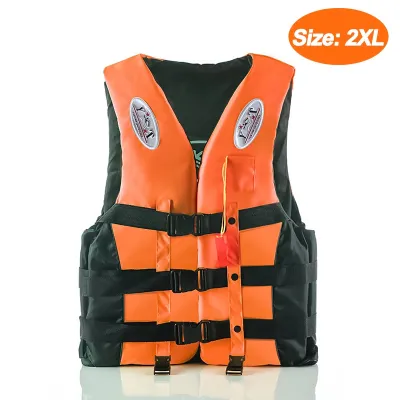
Prices are valid at publication and may change. Please refer to the product page for the latest price.
Foam vests rely on built-in, closed-cell foam sheets that float automatically without any user action, making them highly reliable for all skill levels. In contrast, inflatable vests use carbon dioxide cartridges or oral inflation tubes; while they are less bulky, they require active maintenance and are generally not recommended for high-impact sports or weak swimmers.
Selecting a Life Vest for High-Speed Jet Skiing
Jet skiing involves high speeds, sudden turns, and a realistic risk of falling into the water at velocity. For this activity, you need a life vest specifically engineered to withstand high-impact water entries and remain securely on your body. Look for vests constructed with heavy-duty nylon or neoprene shells, reinforced seams, and multiple heavy-duty webbing straps equipped with secure, quick-release buckles. A minimum of three or four buckle straps is standard for high-speed use, ensuring that the force of hitting the water does not tear the vest off over your head.

The fit of a jet ski vest must be snug and highly secure. The foam padding should be thick and impact-resistant, acting as a cushion for your chest and back against the water’s surface during a fall. When trying on a vest for jet skiing, ensure there is minimal vertical movement when you pull upward on the shoulder straps.
Avoid vests with loose armholes, minimal single-strap closure systems, or thin padding. These designs are prone to riding up around your chin or slipping off entirely during a high-speed fall. Additionally, avoid inflatable vests for jet skiing, as the impact of a fall can damage the bladder, and an unconscious rider cannot manually activate an inflation mechanism.
Choosing a Life Vest for Kayaking and Paddling
Kayaking, stand-up paddleboarding, and canoeing require continuous, repetitive upper-body movement. A standard, bulky recreational life vest will quickly cause painful chafing under your arms and restrict your paddling stroke. To prevent this, look for specialized paddling vests, which feature a low-profile, short-torso design. These vests are cut high on the waist, preventing the bottom of the vest from pushing up against your chin when you sit down in a kayak seat.
Ergonomics are key when paddling. Opt for designs with large, open armholes and flexible side panels made of spandex or mesh. This construction allows your shoulders and arms to rotate freely through every stroke. Many paddling vests also feature high-back foam designs, where the flotation material is concentrated on the upper back, leaving the lower back covered only by thin mesh to accommodate high-back kayak seats comfortably.
While shopping, you will find paddling vests equipped with various storage pockets, lash tabs, and attachment points. While these features are highly convenient for touring or fishing, consider the trade-off in weight and bulk. Excessively loaded pockets can make the vest heavy and front-heavy, potentially affecting your balance or making it harder to climb back onto your kayak after a capsize.
Flotation Devices for Snorkeling and Surface Swimming
Snorkeling occupies a unique space in water sports because the goal is to remain relaxed at the surface while looking downward. Standard snorkeling vests are typically lightweight, horse-collar style devices that go over your neck and secure with waist and crotch straps. It is vital to understand that these are generally classified as flotation aids rather than certified life-saving devices. They are designed to assist with buoyancy and reduce fatigue, but they do not offer the self-righting capabilities or high buoyancy of a certified life vest.
For weak swimmers, children, or anyone snorkeling in open-water conditions with strong currents, a fully certified, inherently buoyant life vest is highly recommended over a simple snorkeling aid. A certified vest ensures that even if a swimmer becomes exhausted or panicked, they will remain safely afloat without needing to manually inflate a bladder.
If you use an inflatable snorkeling vest, adjust the oral inflation tube and waist belts before entering the water. You should be able to easily blow air into the tube to increase buoyancy when resting, and release air to submerge slightly. Ensure the waist and crotch straps are adjusted snugly so the collar does not float up and press uncomfortably against your neck or jaw while you swim.
Cross-Activity Compatibility: Can One Vest Do It All?
If you enjoy a variety of water sports, you might wonder if you can buy a single life vest for all of them. While a multi-purpose vest is highly appealing, using the wrong gear for a specific activity involves significant safety and comfort compromises. For example, wearing a bulky jet ski vest while kayaking will quickly lead to fatigue and chafing due to the restricted arm movement. Conversely, using a lightweight paddling vest for high-speed jet skiing is dangerous, as the minimal strap system and lighter foam may fail to protect you or stay secure during a high-velocity impact.
For calm, near-shore, multi-use scenarios—such as casual lakeside paddling, slow-speed boating, or light swimming—a versatile, general-purpose recreational foam vest can suffice. These vests offer a balanced compromise, featuring moderate arm clearance and secure three-buckle closures. They are cost-effective options for families or casual tourists visiting beach resorts in the Philippines.
However, when your activities involve specialized safety requirements or high-impact risks, a dedicated vest is non-negotiable. High-speed personal watercraft use, whitewater kayaking, and open-ocean swimming each demand specific safety features that general-purpose vests simply cannot provide. Investing in activity-specific gear ensures you remain safe and comfortable, allowing you to focus on enjoying the water.
Proper Fit, Sizing, and Pre-Use Safety Checks
No matter how advanced your life vest is, it will not protect you if it does not fit correctly or if the materials have degraded. To perform a proper fitting test, put the vest on, fasten all zippers and buckles, and tighten the straps starting from the waist and moving upward. Have someone pull up firmly on the shoulder straps of the vest; if the vest slides up past your nose or ears, it is too loose or too large, and you must tighten the straps or try a smaller size. If your vest includes a crotch strap, always secure and adjust it to prevent the vest from riding up in the water.
Before every outing, conduct a thorough visual inspection of your gear. Check the foam for signs of degradation, such as hardening, crumbling, or compression, which significantly reduces buoyancy. Inspect all straps for fraying, buckles for cracks, and zippers for corrosion, especially after exposure to salty tropical waters.
Rinse your life vest with fresh water after every use to remove salt, sand, and chlorine. Hang it to dry in a well-ventilated, shaded area away from direct sunlight, as ultraviolet rays can degrade the fabric and foam over time. Never store a wet vest in a closed container, as the high humidity in the Philippines will quickly encourage mold and mildew growth. Retire and replace any vest that shows signs of torn fabric, broken buckles, or waterlogged foam.
Frequently Asked Questions (FAQ)
Do I need a different life vest for a child or pet?
Yes, children and pets require specialized flotation devices designed for their unique body shapes and safety needs. Children’s life vests must feature a supportive head collar to keep their face out of the water, a grab handle for quick retrieval, and a mandatory crotch strap to prevent the child from slipping out. Always select a child’s vest based on their current weight range rather than their age, and verify the fit before entering the water. Pet life vests should feature secure underbelly support, bright colors, and a heavy-duty back handle to assist in lifting them back onto a boat or kayak.
Are inflatable life vests suitable for water sports?
Inflatable life vests are generally unsuitable for active water sports like jet skiing, kayaking, or snorkeling. Manual inflatables require the user to pull a cord to inflate the vest, which is useless if you are injured or unconscious. Automatic inflatables activate upon immersion, but they can trigger accidentally from heavy spray or high humidity, and they do not provide the impact protection required for high-speed sports. For active water sports, inherently buoyant foam vests remain the safest and most reliable choice.
Community discussion
Share your experience or ask a question. Comments are reviewed before publication.