
Selecting the right safety gear is the most critical step before heading out onto the water. Whether you are paddling through calm coastal waters, riding waves on a jet ski, or exploring coral reefs, your choice of flotation gear directly impacts both your safety and your performance. A proper lifevest jacket must balance buoyancy with the specific physical demands of your chosen activity, ensuring you stay afloat without restricting your movement.
In tropical climates like the Philippines, where water temperatures are warm but currents can be unpredictable, selecting a specialized vest is even more vital. A generic, bulky jacket might keep you above water, but it can quickly cause overheating, chafing, or physical fatigue during active sports. Matching your gear to your sport ensures you remain comfortable, agile, and fully protected throughout your session.
Understanding Lifevest Jacket Designs and Buoyancy
To choose the correct gear, you must first understand how different lifevest jacket designs function under various conditions. The most common type is the inherently buoyant vest, which relies on built-in foam panels to provide instant, passive flotation. These vests require virtually no maintenance, are highly durable, and float immediately upon entering the water, making them the standard choice for most recreational activities.
Products mentioned in this guide
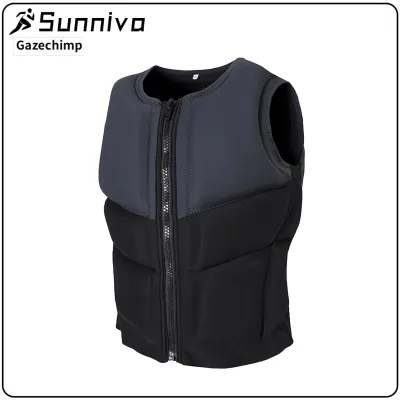
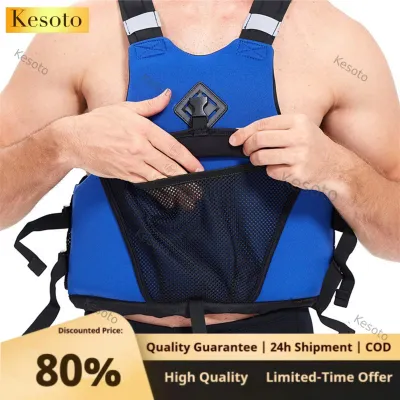
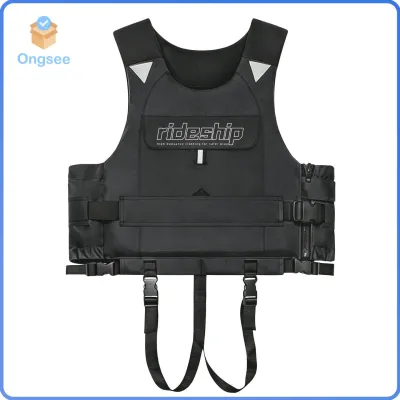
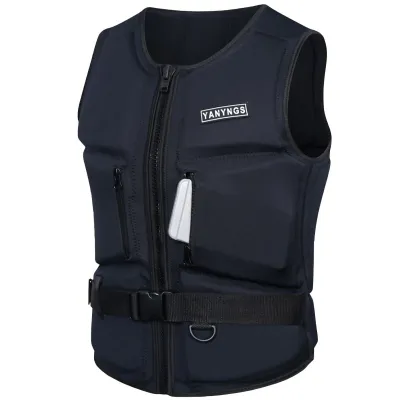
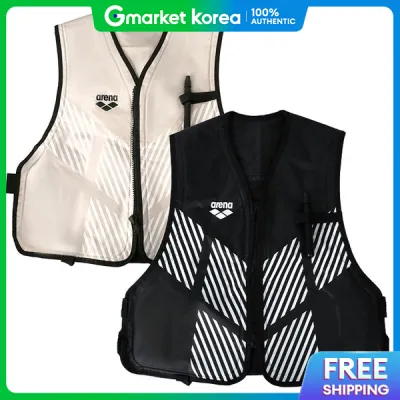
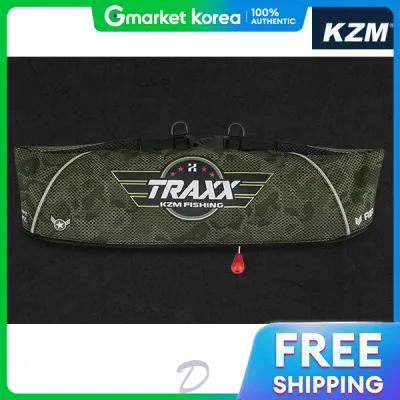
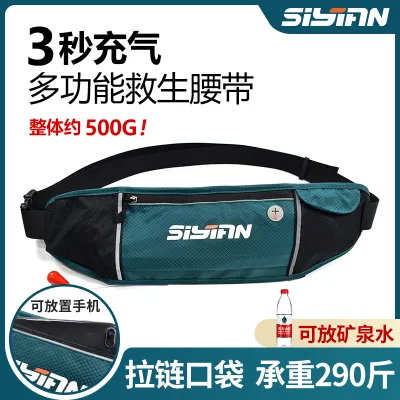
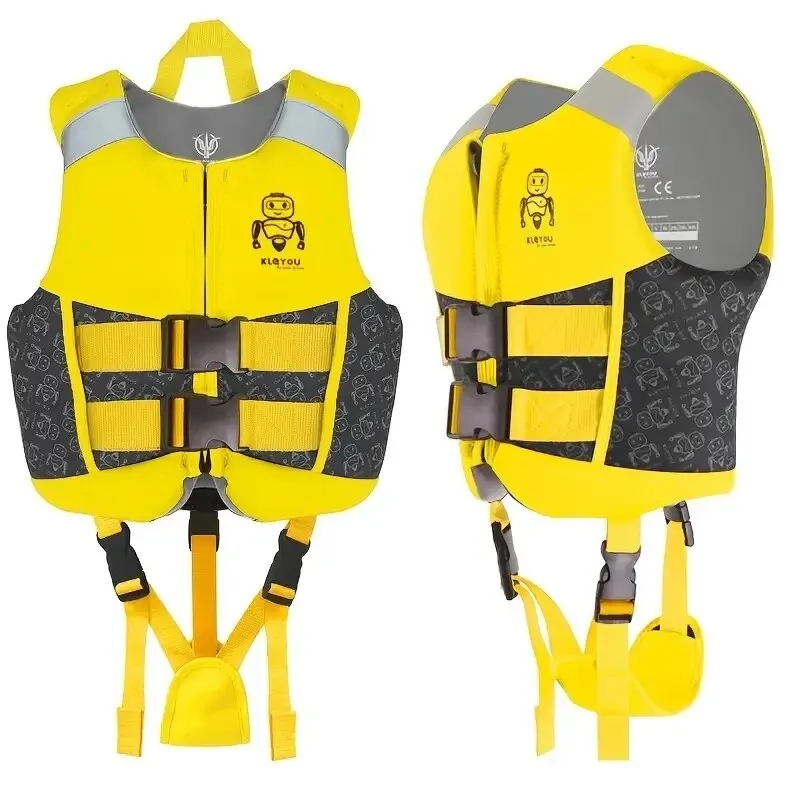
Prices are valid at publication and may change. Please refer to the product page for the latest price.
In contrast, inflatable lifevests utilize compressed carbon dioxide (CO2) cartridges to inflate the chamber when triggered. These are exceptionally low-profile and comfortable in hot weather, but they require active maintenance and are only suitable for confident swimmers. Hybrid designs combine a small amount of permanent foam buoyancy with an inflatable chamber, offering a compromise between immediate flotation and a slim profile.
Buoyancy is generally categorized into distinct safety levels based on the intended environment. Offshore lifevests are designed for rough, open ocean waters where rescue may be delayed, featuring maximum buoyancy designed to turn an unconscious person face-up. Flotation aids, on the other hand, are designed for conscious swimmers in sheltered waters where rescue is close at hand. These aids prioritize user mobility and comfort over self-righting capabilities.
Most active water sports require these specialized flotation aids rather than heavy-duty offshore vests. When shopping, always check the manufacturer’s label for local safety certifications, such as approvals from the Philippine Coast Guard or international bodies like the ISO or USCG. A certified vest guarantees that the materials and flotation capabilities meet rigorous safety benchmarks.
Remember that a lifevest is a critical safety tool, not merely a legal requirement to be stowed away on a boat. It must be worn at all times and must match both your swimming ability and the specific water conditions you expect to encounter. Relying on a vest that is unsuited for your environment or skill level increases your risk when unexpected currents or fatigue set in.
Matching the Right Lifevest Jacket to Your Specific Water Sport
Every water sport places unique physical demands on your body, meaning a vest designed for one activity may hinder you in another. To maximize both safety and enjoyment, you should select a lifevest jacket tailored to the specific biomechanics of your sport.

Kayaking, Canoeing, and Paddleboarding
Paddling sports require continuous, repetitive upper-body movement that can quickly become exhausting in an ill-fitting vest. For kayaking and canoeing, look for a lifevest jacket featuring a high-back design or a shortened torso. This design prevents the lower section of the vest from pushing against your kayak seat, which would otherwise force the collar up against your chin.
Large, open armholes are another essential feature for paddle sports. They minimize fabric contact with your underarms, preventing painful chafing over hours of paddling. Vests with deep cutouts around the shoulders allow for a full, natural range of motion during each stroke.
In tropical climates, heat management is a major consideration during prolonged excursions. Choose vests equipped with breathable mesh back panels and lightweight foam construction to facilitate airflow and keep your core cool. This ventilation prevents heat exhaustion while keeping you securely afloat.
Stand-up paddleboarders (SUP) often have different priorities, focusing heavily on balance and core flexibility. Many SUP enthusiasts prefer ultra-low-profile foam vests or inflatable belt packs worn around the waist. These belt packs remain completely out of the way during paddling but can be manually inflated in an emergency.
- High-Back Cutouts: Vests designed with high-back foam or shortened torsos prevent the jacket from pushing against your kayak seat, keeping the collar from riding up against your chin.
- Large Armholes: Deep shoulder cutouts minimize fabric contact with your underarms, preventing painful chafing over hours of repetitive paddling.
- Breathable Materials: Vests equipped with mesh back panels and lightweight foam facilitate airflow, keeping your core cool in tropical climates.
Jet Skiing, Wakeboarding, and Water Skiing
High-speed, high-impact water sports demand a completely different level of structural integrity and secure fit. When riding a personal watercraft or being towed behind a boat, you face the risk of hitting the water at high velocities. A loose or poorly fitted lifevest jacket can easily ride up upon impact, causing severe neck strain, facial injuries, or slipping off your body entirely.
To prevent this, high-speed vests are constructed with multiple heavy-duty adjustable webbing straps that wrap entirely around your torso. Look for models featuring robust, reinforced buckle closures and heavy-duty front zippers. These closures distribute the force of an impact evenly across your chest and back, keeping the vest locked securely in place.
Materials also play a significant role in high-impact sports. Neoprene outer shells are highly recommended because they stretch to conform tightly to your body, reducing drag and providing a snug, comfortable fit. Additionally, many high-speed vests incorporate extra foam padding along the ribs and spine to absorb shock during hard falls.
You must explicitly advise against using inflatable lifevests for high-impact tow sports or personal watercraft use. The sudden force of hitting the water at high speed can damage the inflatable bladder, and the deployment mechanism cannot guarantee immediate protection upon impact. Only inherently buoyant foam vests should be worn for these activities.
- Multi-Strap Systems: High-speed vests require multiple heavy-duty adjustable webbing straps with robust buckle closures to distribute impact forces evenly.
- Neoprene Shells: Neoprene stretches to conform tightly to your body, reducing drag and providing a snug, secure fit.
- Impact Panels: Integrated foam padding along the ribs and spine absorbs shock during high-velocity falls.
Snorkeling and Surface Water Sports
Snorkeling requires a unique buoyancy balance because your primary goal is to remain horizontal at the surface while looking downward. Standard lifevests are designed to keep your head high out of the water, which constantly forces your chest upward and makes looking down into the reef uncomfortable and tiring.
Snorkeling-specific flotation aids, often designed as inflatable or low-profile front vests, provide just enough upward lift to assist your natural buoyancy. They allow you to lie flat on the water surface without straining your neck or back. These designs keep your chest relatively free, making it easier to breathe deeply through your snorkel.
These specialized aids also feature minimalist lower-body designs that leave your hips and legs completely unrestricted. This freedom of movement is crucial for maintaining an efficient fin-kicking technique, allowing you to glide through the water with minimal effort.
It is important to clarify that a snorkeling flotation aid is designed to assist a conscious swimmer and is not a substitute for a true life-saving jacket. If you are transiting to a reef on a boat or operating in open, rough waters, you must wear a fully certified lifevest jacket rather than a light snorkeling aid.
- Front-Loaded Buoyancy: Low-profile front vests provide just enough upward lift to assist your natural buoyancy without forcing your chest upward, keeping you comfortable while looking down.
- Minimalist Leg Openings: Minimalist lower-body designs leave your hips and legs completely unrestricted, allowing for efficient fin-kicking.
Essential Fit and Safety Features to Verify
Once you have identified the right style of lifevest jacket for your activity, you must verify its fit and physical safety hardware before entering the water. A vest that does not fit correctly cannot perform its lifesaving function effectively.
To perform a proper “lift test,” first put on the lifevest and secure all zippers, buckles, and straps tightly. Have a partner grab the shoulder straps of the vest and pull upward firmly. If the vest slides up over your chin, nose, or ears, it is too large or too loose, and you must tighten the straps or try a smaller size.
For high-speed sports, children, or open-water activities, crotch straps or leg loops are highly recommended features. These straps run between the legs to anchor the bottom of the vest, ensuring it cannot ride up or slip off over your head when you plunge into the water.
Visibility is another critical safety factor, especially in busy waterways with boat traffic. Opt for high-visibility colors such as bright orange, yellow, or neon green, and look for vests equipped with marine-grade reflective tape. An attached safety whistle is also essential for signaling for help if you become separated from your vessel.
Advanced users operating in specialized environments, such as whitewater or swift currents, may utilize vests with integrated quick-release rescue harnesses. However, these systems require professional training to operate safely. Unauthorized or untrained use of quick-release gear can lead to accidental release or dangerous entanglement.
Can One Lifevest Work for Multiple Water Sports?
If you participate in a variety of water activities, you might wonder if a single lifevest jacket can serve all your needs. A standard, mid-profile foam vest is generally the closest option to an “all-rounder.” This type of jacket works adequately for calm-water kayaking, casual boating, and general recreational swimming. Prices for quality safety gear in the Philippines reflect this versatility, with entry-level foam vests starting around ₱1,000, while premium high-impact neoprene vests often exceed ₱5,000.
However, using a single vest across diverse sports always involves significant compromises. A standard recreational vest will likely feel too bulky and restrictive during long-distance paddleboarding, lacks the specialized impact padding required for wakeboarding, and may ride up uncomfortably if worn on a high-speed jet ski.
To make the best choice, apply a simple decision rule: if you participate in both low-impact and high-impact sports, prioritize buying a jacket rated for the most demanding or highest-risk activity. Alternatively, investing in two separate, specialized vests is the safest and most comfortable approach, ensuring you never compromise on performance or safety.
Frequently Asked Questions (FAQ)
How should I care for my lifevest after using it in saltwater?
After every outing in saltwater, thoroughly rinse your lifevest jacket with clean, fresh water. This step is essential to remove salt crystals, sand, and organic debris, which can corrode metal zippers, degrade synthetic fabrics, and stiffen the internal foam. Pay special attention to rinsing out buckles, zipper teeth, and adjustable strap sliders.
Once rinsed, hang the vest to air-dry in a shaded, well-ventilated outdoor area. Avoid exposing the jacket to direct, intense sunlight for extended periods, as ultraviolet (UV) radiation breaks down the outer nylon shell and degrades the buoyancy of the internal foam. Never use an automatic dryer or direct heat sources to speed up the drying process.
Ensure the vest is completely dry before storing it. Storing a damp lifevest in a sealed plastic bag, a damp locker, or a hot car trunk encourages the growth of mold and mildew, which damages the fabric and creates unpleasant odors. Store your dry vest in a cool, dark, and dry closet where air can circulate freely.
Are inflatable lifevests safe for all water sports and users?
Inflatable lifevests are highly convenient but are not suitable for all water sports, environments, or users. They are generally not recommended for high-impact sports like jet skiing, wakeboarding, or tubing, where the physical force of a fall can damage the inflatable chamber. They are also inappropriate for weak swimmers, non-swimmers, and children, who require the immediate, passive buoyancy of a foam vest.
Understanding the inflation mechanism is crucial for safety. Manual-inflation models require the user to remain conscious and calm enough to pull the activation cord upon entering the water. Automatic-inflation models rely on water-immersion sensors, which can fail to deploy if clogged, or conversely, may trigger accidentally during heavy rain, high humidity, or heavy ocean spray.
For active, high-mobility water sports, inherently buoyant foam lifevests remain the safest and most reliable option. They provide instantaneous flotation without requiring any user action or mechanical parts to function, giving you peace of mind so you can focus entirely on your sport.
Community discussion
Share your experience or ask a question. Comments are reviewed before publication.