
Selecting the right lower back support for men in the Philippines requires balancing structural stability with the realities of a tropical climate. Whether you are lifting heavy weights in a local gym, running along humid outdoor trails, or recovering from a mild strain, a back brace must match your specific movement patterns without causing excessive heat retention or skin irritation. The ideal choice is not a one-size-fits-all solution; it depends on your activity level, the intensity of your workouts, and the specific design features that keep the brace secure during dynamic movements.
By understanding how different materials, closure systems, and support levels interact with your body, you can make an informed decision that protects your lumbar spine while maintaining your athletic performance. A well-chosen brace acts as a supportive partner, reinforcing your natural core stability during demanding physical tasks. This guide will walk you through the essential factors to evaluate, ensuring you select a brace that offers the perfect blend of protection, comfort, and durability for your fitness journey.
Identifying Your Support Level and Activity Needs
Before browsing online marketplaces or local sports stores, you must determine the level of support your lower back requires. Lower back braces generally fall into three categories: mild, moderate, and rigid. Each level is designed for specific physical demands and back conditions, and choosing the wrong one can either limit your mobility or fail to provide adequate protection.
Products mentioned in this guide
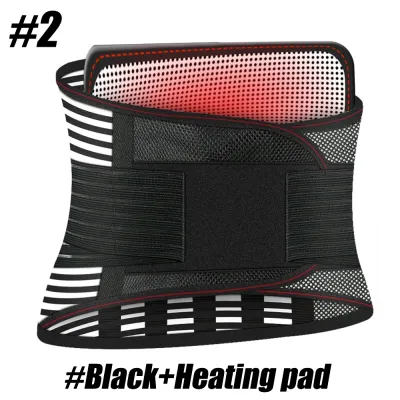
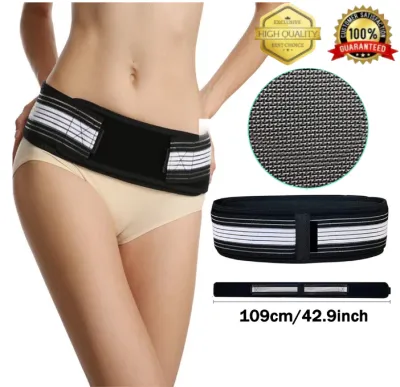
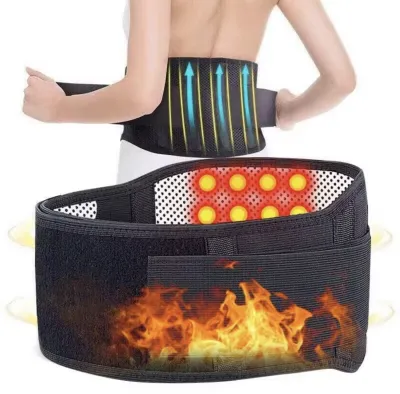
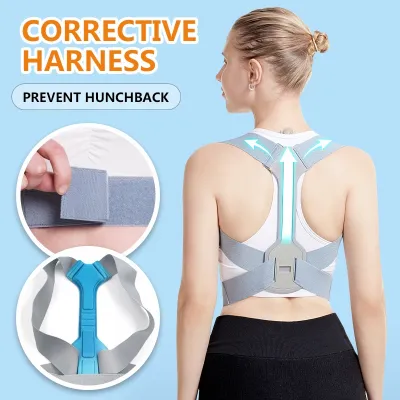
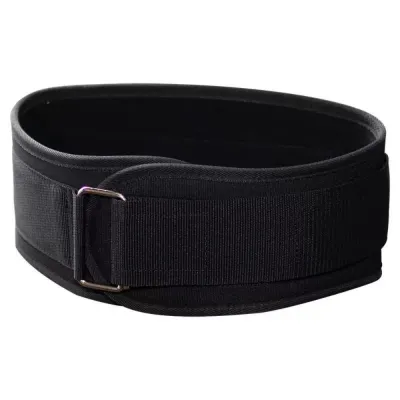
Prices are valid at publication and may change. Please refer to the product page for the latest price.
Mild support braces are typically lightweight, highly flexible compression sleeves. These are ideal for general gym use, light cardio, or dynamic sports like badminton and basketball. They provide gentle compression that increases blood flow, keeps the muscles warm, and enhances proprioception—your body’s awareness of its posture and alignment. If you do not have a history of back pain but want a preventive layer of support during high-repetition workouts, a mild compression sleeve is usually sufficient.
Moderate support braces feature adjustable straps and flexible vertical stays, which are thin strips of plastic or metal sewn into the fabric. These braces are suitable for functional fitness, cross-training, or activities that involve moderate lifting and twisting. They offer a higher degree of stability than simple sleeves, helping to prevent the lower back from rounding or twisting excessively under load, while still allowing enough range of motion for dynamic movements.
Rigid support braces, such as thick leather lifting belts or heavy-duty nylon braces with reinforced back panels, are designed for maximum stabilization. These are essential for powerlifting, heavy weightlifting, and intense strength training where the spine is subjected to extreme axial loading. Rigid braces limit spinal flexion and extension almost entirely, forcing you to rely on proper lifting mechanics and intra-abdominal pressure to stabilize your core.
It is crucial to recognize the boundary between athletic support and medical necessity. If you are experiencing sharp, localized pain, radiating numbness down your legs, or persistent discomfort that does not improve with rest, a brace should not be used as a self-prescribed cure. These symptoms can indicate underlying issues such as herniated discs or nerve compression. In such cases, stop exercising immediately and consult a physical therapist or orthopedic specialist to receive a proper diagnosis and treatment plan.
Key Design Features to Evaluate
When evaluating lower back braces, the physical design and material composition directly impact how well the brace performs during intense physical activity. In the hot and humid climate of the Philippines, these features become even more critical to ensure comfort and prevent skin issues.

The closure system is the primary mechanism for adjusting compression and securing the brace. Look for braces that utilize a dual-pull strap system. This design features a primary wide band that wraps around your waist, followed by two secondary elastic straps that pull from the back to the sides. This allows you to customize the level of compression on the fly, tightening the brace before a heavy set and loosening it during rest periods. Ensure the hook-and-loop fasteners are of high quality, as cheap fasteners can quickly lose their grip when exposed to sweat and dust.
Material selection is paramount for comfort and longevity. Solid neoprene is a common material because of its durability and heat-retention properties, which can help keep muscles warm. However, in tropical conditions, solid neoprene can trap excessive sweat, leading to skin chafing, heat rashes, and rapid bacterial growth. To combat this, prioritize braces that feature perforated neoprene, open-weave mesh panels, or moisture-wicking synthetic linings. These breathable elements allow air to circulate and sweat to evaporate, keeping your skin dry and comfortable during long workouts.
The inclusion of lumbar pads and vertical stays adds targeted stabilization to the brace. A removable lumbar pad is a contoured cushion that fits into the natural curve of your lower back, providing direct pressure to the lumbar muscles and helping to maintain a neutral spine. Vertical stays, whether made of flexible plastic or spring steel, prevent the brace from bunching up, rolling down, or shifting out of place when you bend or twist. For sports and workouts, flexible plastic stays are often preferred as they offer support without completely restricting your natural athletic movements.
How to Measure and Ensure a Proper Fit
A lower back brace can only provide effective support if it fits your body correctly. An improperly sized brace can restrict your breathing, slip out of position during movement, or pinch your skin, rendering it useless or even harmful. To avoid these issues, you must measure your body accurately rather than relying on your standard clothing sizes.
To measure for a back brace, do not use your pants waist size. Pants sizes are often inconsistent and sit lower on the hips than where a supportive brace needs to rest. Instead, take a flexible measuring tape and stand up straight with your feet shoulder-width apart. Relax your abdomen—do not suck in your stomach, as this will result in a measurement that is too small, leading to a brace that is uncomfortably tight during exercise.
Wrap the measuring tape horizontally around your torso at the level of your navel, which corresponds to the widest part of your lower abdomen and lumbar region. Keep the tape flat against your skin or a thin t-shirt, ensuring it is snug but not pulling tight. Note the measurement in centimeters or inches, as different manufacturers use different units on their sizing charts. Always compare your exact measurement against the specific sizing guide provided by the brand you are purchasing.
Once your brace arrives, perform a fit check before heading to your workout. Put the brace on and secure the straps. You should feel a firm, supportive compression around your lower back and abdomen, but you must be able to take a deep, diaphragmatic breath without feeling like your ribs or lungs are restricted. The brace should sit low enough to cover your lumbar spine and the top of your sacrum, but high enough that it does not pinch your hips when you bend.
Test the fit by performing a few basic movements. Walk around, perform a shallow bodyweight squat, and bend slightly at the hips. If the brace slips upward, rolls down at the top, or bunches up at the waist, the size or cut is incorrect. If your measurement falls directly between two sizes on a manufacturer’s chart, consider your primary activity. For high-compression lifting where maximum tightness is required, the smaller size may offer a more secure fit, provided the straps still close fully. For dynamic sports, cardio, or longer wear times, the larger size is generally better as it allows for greater adjustability and comfort.
Building Your Shortlist: Matching Braces to Workouts
To find the most effective lower back support, you should match the brace’s design characteristics to your primary athletic focus. Rather than searching for a single universal brace, build a shortlist of options tailored to the specific physical demands of your workouts.
For weightlifting, powerlifting, and heavy strength training, your shortlist should focus on rigid, non-elastic belts. Look for leather lifting belts that are typically 10mm to 13mm thick, or heavy-duty nylon belts with steel roller buckles or locking mechanisms. These belts do not stretch under load, providing a solid wall for your abdominal muscles to push against. This action increases intra-abdominal pressure, which stabilizes your spine from the inside out. Ensure the belt has a uniform width all the way around (usually 4 inches) to provide equal support to both your back and your abdominal wall.
For cardio, agility training, and dynamic sports like running, tennis, or basketball, your shortlist should prioritize lightweight, low-profile compression sleeves. These sleeves are typically made of thin, breathable elastic or spandex blends with minimal or no vertical stays. They fit easily under your workout apparel without adding bulk or restricting your stride. The primary goal of these sleeves is to provide mild compression, retain therapeutic warmth, and improve your postural awareness during rapid directional changes.
For general fitness, functional training, and recovery, moderate compression wraps with adjustable dual straps are the ideal choice. These braces offer a versatile middle ground, featuring removable lumbar pads and flexible plastic stays. They allow you to tighten the straps during a challenging set of dumbbell exercises and loosen them while resting, stretching, or performing low-intensity movements. This adjustability makes them highly adaptable to varied workout routines.
When finalizing your shortlist, verify the exact specifications, material details, and return policies on official brand websites or authorized sports retailers. Look for user reviews that specifically mention how the brace performs in hot, humid conditions and how well the hook-and-loop fasteners hold up after repeated exposure to sweat. Prices can vary widely, with basic compression wraps starting around ₱500 on local e-commerce platforms, while highly technical, reinforced braces can exceed ₱3,000. Choose a brace that fits your budget while meeting all your structural and breathability requirements.
Safety Limits, Care, and When to Stop
While a lower back brace is an excellent tool for enhancing stability and confidence during workouts, it must be used responsibly. Over-reliance on a brace can lead to negative physical consequences, and improper maintenance can quickly ruin your investment.
One of the greatest risks of wearing a back brace is core muscle dependency. When an external brace constantly stabilizes your lumbar spine, your deep core muscles—such as the transverse abdominis and multifidus—do not have to work as hard. Over time, this lack of engagement can lead to muscle weakness and atrophy, leaving your back more vulnerable to injury when you are not wearing the brace. To prevent this, limit your brace wear to your actual workout sets or periods of heavy physical exertion. Do not wear the brace during your warm-ups, cool-downs, or light daily activities, and continue to perform dedicated core-strengthening exercises as part of your fitness routine.
Proper care and maintenance are essential to preserve the elastic integrity and hygiene of your brace, especially in the humid Philippine climate. Sweat, body oils, and dust can quickly degrade elastic fibers and cause bacterial buildup, leading to unpleasant odors and skin irritation. Always hand wash your brace in cool water using a mild, non-bleach detergent. Avoid machine washing, as the agitation can damage the hook-and-loop fasteners and warp the vertical stays. Never put your brace in a clothes dryer; high heat destroys the elasticity of the straps. Instead, gently squeeze out excess water and lay the brace flat to air dry in a well-ventilated, shaded area away from direct sunlight.
Finally, you must be aware of the red flags that indicate you should stop using the brace immediately. If you experience numbness, tingling, or a “pins and needles” sensation in your lower back, buttocks, or legs, these are clear signs of nerve compression. Other warning signs include increased localized pain, skin irritation or rashes from sweat buildup, or difficulty taking a full breath. If any of these symptoms occur, remove the brace immediately and consult a healthcare professional to assess your back health before resuming any physical activity.
Frequently Asked Questions (FAQ)
Can I wear a lower back brace all day at work and during my evening workout?
It is generally not recommended to wear a back brace continuously throughout the day. Wearing a brace for extended periods can cause your core stabilizing muscles to become inactive, which increases your risk of injury when the brace is removed. Limit your brace use to specific high-stress tasks—such as heavy lifting at work or during your actual workout sessions—and focus on active core strengthening exercises during your off-hours. Always follow the manufacturer’s guidelines regarding maximum wear times.
Does a back brace improve my lifting form?
No, a back brace does not correct poor lifting mechanics or compensate for weak core muscles. A brace acts as a physical cue and provides intra-abdominal pressure to help stabilize your spine under load, but it cannot replace proper technique. Prioritize learning correct form, such as maintaining a neutral spine and bracing your core naturally, before relying on a belt or brace to assist with heavier weights. Equipment should always complement, not replace, proper training and judgment.
Community discussion
Share your experience or ask a question. Comments are reviewed before publication.