
Choosing the right majorette baton stick is the most critical decision a beginner can make when preparing for school performances, intramurals, or local street parades. The ideal starter baton must match the student’s physical measurements, offer a balanced weight distribution to facilitate learning, and feature a durable construction capable of surviving frequent drops on hard surfaces. By selecting a baton tailored to a beginner’s current physical size and coordination level, students can build confidence, master basic twirling techniques faster, and avoid the physical strain associated with poorly fitted equipment.
In the Philippines, school majorette routines are a vibrant tradition, often showcasing high-energy choreography during campus sports festivals and town fiestas. Because these performances require a mix of marching, dancing, and precise hand-eye coordination, starting with the correct gear prevents early frustration. A well-chosen baton acts as an extension of the arm, allowing the performer to focus on rhythm, posture, and synchronization with the school band rather than struggling to keep a slippery or heavy stick in motion.
Assess Your Skill Level and Performance Needs
Before purchasing a majorette baton stick, it is essential to evaluate the beginner’s current level of physical coordination and the specific style of the school’s routine. Beginners typically start by learning fundamental hand-to-hand transfers, basic horizontal and vertical spins, and low tosses. At this stage, the priority is developing muscle memory and wrist flexibility. Attempting to learn these foundational movements with an advanced, ultra-lightweight, or highly specialized speed baton can hinder progress, as these models require precise finger control that beginners have not yet developed.
Products mentioned in this guide
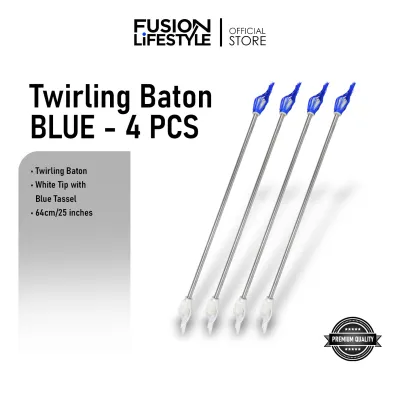
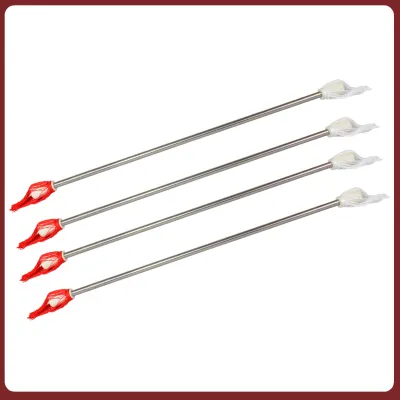
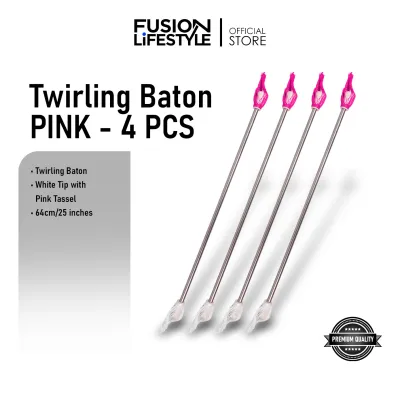
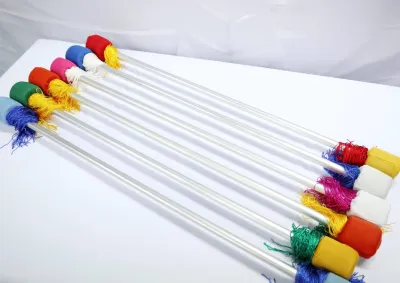
Prices are valid at publication and may change. Please refer to the product page for the latest price.
The nature of the school’s performances also dictates the type of baton required. If the majorette squad primarily participates in long parade marches along asphalt streets under the tropical sun, durability and grip security are paramount. Outdoor street parades subject the baton to repeated drops on concrete, which can easily dent or bend low-quality metal shafts. Conversely, if the routine is designed for indoor gymnasium field shows with high ceilings, the focus shifts toward a baton that offers excellent flight stability during tosses and catches.
Understanding the learning curve of majorette twirling helps manage expectations. Beginners should expect to drop their baton hundreds of times during the first few weeks of practice. A sturdy, forgiving starter baton allows the student to make mistakes without damaging the equipment or risking injury. Choosing a baton that aligns with both the student’s current skill level and the school’s performance environment ensures a smoother transition from home practice to the main stage.
Determine the Correct Baton Length
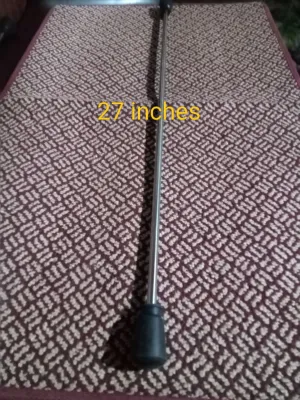
Finding the correct baton length is the single most important step in the selection process. An improperly sized majorette baton stick can severely disrupt a student’s technique, making simple spins awkward and high tosses dangerous. To find the correct size, have the student stand up straight with their shoulders relaxed. Extend the dominant arm straight out to the side, parallel to the floor, with the fingers fully extended. Measure the distance from the armpit to the very tip of the middle finger using a standard measuring tape.

This measurement in inches corresponds directly to the recommended baton length. If the measurement falls between sizes, it is generally safest for a beginner to round down to the nearest whole inch. A slightly shorter baton is much easier to control and maneuver than one that is too long. When a baton is too long, the ends are highly likely to strike the student’s inner arm, chest, or face during close-body twirls, which can cause painful bruises and discourage the young performer.
Conversely, a baton that is too short limits the student’s leverage, making it difficult to generate the momentum needed for smooth spins and stable tosses. As growing students progress through the school year, their physical proportions will change. Parents and coaches should perform this arm-measurement check every few months. Keeping track of growth spurts ensures the student does not continue practicing with an undersized baton, which can lead to poor posture and incorrect wrist mechanics over time.
Select the Right Material and Weight Configuration
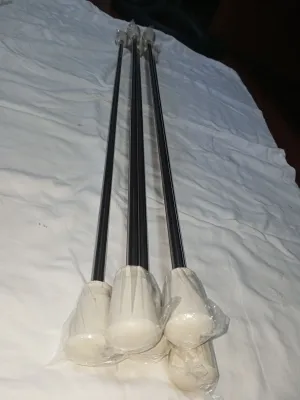
The material and weight distribution of a majorette baton stick directly influence how it behaves in the air and how it feels in the hand. For beginners, a weighted baton is highly recommended. Weighted batons feature heavier rubber or plastic ends, which concentrate the weight at the outer tips. This configuration creates greater centrifugal force during spins, helping the baton maintain its momentum with less effort from the twirler. This built-in stability makes it much easier for a beginner to feel the rhythm of the spin and predict where the shaft will be during a catch.
Unweighted or ultra-lightweight batons are generally designed for advanced twirlers who perform rapid, intricate finger work and multiple aerial rotations. In the hands of a beginner, an unweighted baton can feel erratic, flighty, and difficult to control. The lack of momentum forces the student to use excessive wrist force, which can lead to early fatigue or strain. Starting with a standard weighted configuration builds the necessary wrist strength and control required for advanced maneuvers later on.
When comparing shaft materials, chrome-plated steel is the industry standard for school beginners due to its exceptional durability. Steel shafts resist bending when dropped on hard school grounds or concrete parade routes, ensuring the baton remains perfectly straight. Aluminum shafts are lighter and reduce arm fatigue during long practices, but they are much more susceptible to bending upon impact. A bent shaft cannot spin evenly, rendering the baton useless for precise performance.
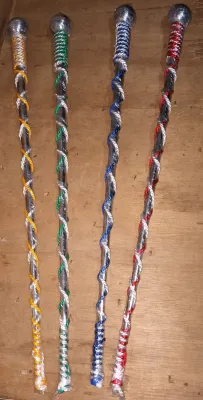
Shaft thickness is another key comfort factor, especially for younger students with smaller hands. Standard batons typically come in diameters of 3/8 inch or 7/16 inch. The thinner 3/8-inch shaft is generally preferred for elementary and early high school beginners, as it allows for a more secure grip and easier finger rolls. In the humid tropical climate of the Philippines, sweaty hands can cause the metal shaft to become slippery. Applying specialized baton grip tape or choosing a shaft with a textured, non-slip finish can dramatically improve control and prevent accidental drops during outdoor rehearsals.
Final Pre-Purchase Checklist for Beginners
Before finalizing the purchase of a majorette baton stick, performing a few quick quality and compatibility checks can save time and prevent future issues. First, verify the balance point of the baton by placing the exact center of the metal shaft on your index finger. The baton should balance horizontally without immediately tipping to one side. An unbalanced baton indicates a manufacturing defect, which will make learning basic spins incredibly difficult and frustrating for a beginner.
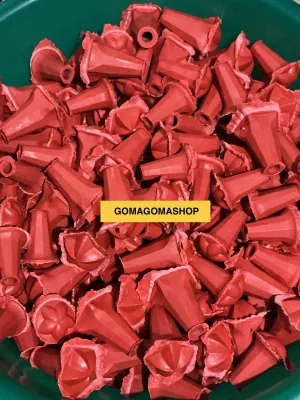
Next, inspect the rubber ends, commonly referred to as the “ball” (the larger end) and the “tip” (the smaller end). Ensure these pieces are securely attached to the metal shaft and do not wobble or slide off when pulled. Loose end caps pose a serious safety hazard, as they can fly off during a high toss. It is also wise to look for ends made of high-quality, non-marking rubber that will not leave black scuff marks on indoor gymnasium floors during school practices.
Finally, always consult with the school’s band director, majorette coach, or physical education instructor before buying. Many school squads enforce strict uniform guidelines regarding equipment. They may require a specific color for the rubber ends, such as clean white for formal parades, or specify a particular shaft finish to maintain visual consistency across the entire performance line. Confirming these details beforehand ensures the new baton is fully compliant with school regulations.
Frequently Asked Questions (FAQ)
Can a beginner use standard cheerleading pom-poms instead of a baton?
No, standard cheerleading pom-poms cannot be used as a substitute for a majorette baton stick. While both items are used in school spirit performances, they require entirely different physical skills and mechanics. Pom-poms are designed for dance, visual accents, and sharp arm movements, whereas a majorette baton requires precise finger coordination, wrist flexibility, and tossing techniques. Practicing with pom-poms will not help a student develop the specific muscle memory, grip strength, or hand-eye coordination needed to master baton twirling.
How often should a growing student replace their majorette baton stick?
A growing student should have their baton length re-evaluated at the start of every school semester or approximately every six months. Physical growth spurts can quickly make a previously perfect baton too short. If the tip of the baton no longer reaches the middle finger when measured from the armpit, or if the student frequently hits their own arms and chest during basic spins, it is time to upgrade to a longer size. Continuing to practice with an undersized baton can lead to poor technical habits that are difficult to correct later.

Community discussion
Share your experience or ask a question. Comments are reviewed before publication.