
Selecting the perfect mask and snorkel set is the single most important decision you will make before heading into the ocean. A high-quality set must provide an airtight seal against your skin, crystal-clear visibility, and effortless breathing. Achieving this balance requires choosing a mask with a 100% silicone skirt that matches your unique facial structure, a tempered glass lens for safety, and a snorkel valve system suited to your comfort level in the water.
A poorly fitting set can quickly turn a beautiful day exploring underwater reefs into a frustrating cycle of clearing leaks and wiping away fog. Investing in your own personal gear ensures hygiene, consistent performance, and a reliable seal that worn-out rental gear simply cannot provide.
Define Your Snorkeling Goals and Water Conditions
Your choice of gear depends heavily on where and how you plan to use it. If you are a casual surface snorkeler looking to float over shallow coral gardens in calm weather, your needs will differ significantly from someone practicing freediving or exploring deeper drop-offs. Matching your equipment to your specific activity level ensures you do not overpay for unnecessary features or end up with gear that limits your underwater movement.
Products mentioned in this guide
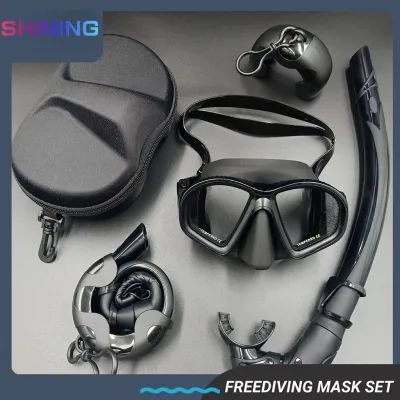
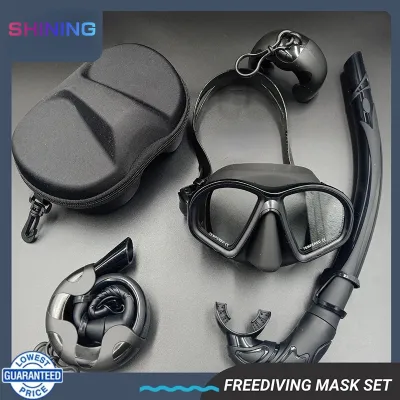
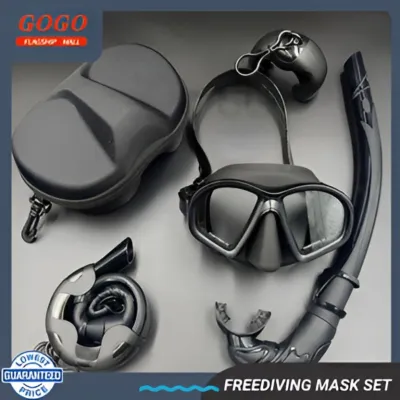
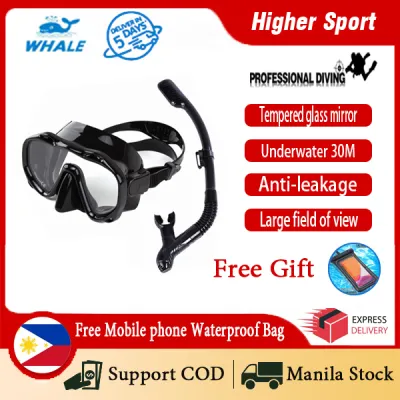
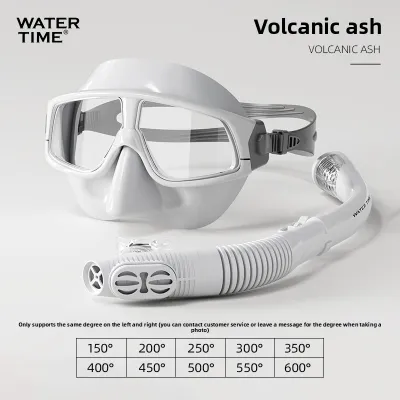
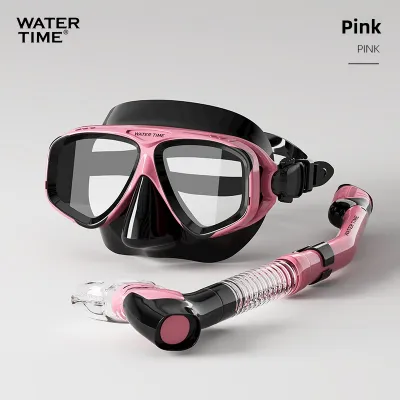
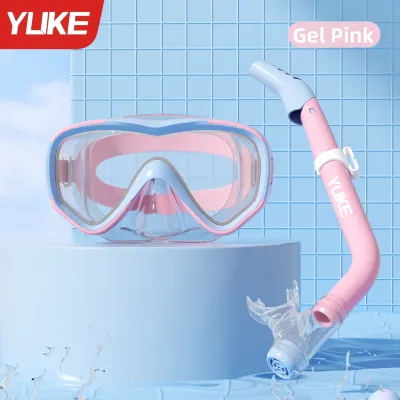
Prices are valid at publication and may change. Please refer to the product page for the latest price.
Environmental factors in tropical destinations like the Philippines play a major role in how your gear performs. Warm, humid air combined with highly saline water can rapidly degrade low-quality plastics, while sudden surface swells or tidal currents can turn a calm bay into a choppy environment. If you plan to snorkel in areas prone to sudden waves, your snorkel choice must adapt to keep water out of your airway.
Active snorkeling and frequent surface diving require gear that can handle rapid pressure changes and submersion. For instance, if you enjoy diving down several meters to get a closer look at marine life, a standard open-top snorkel will flood completely, requiring significant lung power to clear once you resurface. Understanding these environmental demands helps narrow down the wide variety of mask and snorkel sets available on the market.
A quality mask and snorkel set typically ranges from ₱1,500 to ₱4,500, which quickly pays for itself compared to daily rental fees. Relying on rental gear at popular beach destinations often leads to discomfort and safety hazards. Rental masks frequently feature rigid PVC skirts that have lost their flexibility over time, resulting in constant leaks and painful pressure marks on your face. Furthermore, shared mouthpieces raise obvious hygiene concerns, making a personal, well-maintained set a much safer and more comfortable investment for your coastal adventures.
How to Test Mask Fit and Choose the Right Skirt
The skirt is the soft, flexible boundary that keeps water out of your mask. When comparing different mask and snorkel sets, always verify that the skirt is made of 100% liquid silicone rather than cheap PVC or rubber. Liquid silicone remains highly pliable in warm tropical climates, resists UV degradation from intense sun exposure, and molds comfortably to your facial contours without causing skin irritation.

To verify if a mask fits your face before buying, you should perform a simple, hands-free physical test known as the “inhale test.”
- Step 1: Pull the mask strap forward out of the way so it does not interfere with the seal.
- Step 2: Gently place the mask frame directly onto your face, ensuring no hair is trapped underneath the silicone skirt.
- Step 3: Inhale gently through your nose and hold your breath.
- Step 4: Let go of the mask with your hands. If the mask remains securely sealed against your face without slipping or falling, the fit is correct and the seal is airtight.
Another critical area to check during your fit test is the nose pocket. You must be able to easily pinch your nose through the silicone pocket to equalize your ears as you dive deeper under water. Ensure the hard plastic frame of the mask does not press painfully against the bridge of your nose or your forehead, as this pressure will intensify as water depth increases.
Be aware of common seal breakers that can ruin an otherwise perfect fit. Facial hair, stray strands of hair across your forehead, and even thick layers of sunscreen can create microscopic gaps in the silicone seal, allowing water to slowly seep into the mask. If you have facial hair, look for masks with ultra-soft, double-feathered edge skirts, which provide an extra layer of protection against slow leaks.
Compare Mask Lenses and Frame Designs for Visibility
A clear, unobstructed view of marine life requires the right lens material and configuration. When selecting a mask, tempered glass is an absolute safety requirement. Unlike standard plastic lenses, tempered glass is highly scratch-resistant, does not fog as easily, and is designed to withstand pressure changes. Most importantly, if it does break under extreme impact, it shatters into tiny, blunt granules rather than sharp shards, protecting your eyes from severe injury. Always look for the “T” or “Tempered” stamp on the lens before purchasing.
Lens configurations generally fall into three categories:
- Single-Lens Masks: These feature a continuous pane of glass without a central frame bridge, offering an unobstructed, panoramic view directly ahead.
- Dual-Lens Masks: These have two separate lenses divided by a nose bridge. This design is highly beneficial if you require prescription lens inserts, as the individual lenses can be replaced with corrective glass.
- Side-Window Masks: These incorporate additional glass panes on the sides of the frame, maximizing your peripheral vision and reducing the feeling of claustrophobia. However, they tend to have a bulkier frame.
You must also decide between framed and frameless mask designs. Traditional framed masks are highly durable and can be easily disassembled for deep cleaning or lens replacement. Frameless masks, on the other hand, mold the silicone skirt directly to the glass lens. This creates a highly flexible, low-profile mask that is easy to fold flat and pack into a travel bag as a backup.
Frameless designs also offer a lower internal volume, meaning the glass sits much closer to your eyes. A low-volume mask requires very little air to clear if water gets inside, which is a major advantage for beginners and freedivers who need to conserve energy and breath.
Match Snorkel Valves and Tubes to Your Breathing Style
A snorkel is more than just a plastic tube; its design directly affects your breathing comfort and energy expenditure. Understanding the three primary types of snorkels will help you match the gear to your skill level:
- Wet Snorkels: These are classic, open-ended J-tubes with no valves or splash guards. They offer the least breathing resistance and zero underwater drag, making them the preferred choice for experienced freedivers who are comfortable clearing water with a strong exhale.
- Semi-Dry Snorkels: These feature a splash guard at the top of the tube designed to deflect surface spray and waves. While they do not seal completely when submerged, they significantly reduce the amount of water entering the tube during choppy surface swims.
- Dry-Top Snorkels: These utilize a specialized float valve at the top of the tube that automatically seals shut the moment the snorkel goes underwater. This design is highly recommended for beginners, as it completely prevents water from entering the tube, allowing you to breathe comfortably the moment you resurface.
Regardless of the snorkel type you choose, look for a model equipped with a one-way purge valve at the bottom of the mouthpiece. This valve allows any water that does enter the tube to collect in a small reservoir below your airway. With a quick, sharp exhale, you can easily clear the water out through the bottom valve without having to blast it all the way up and out of the top of the tube.
Pay close attention to the tube diameter and the mouthpiece material. A wider tube allows for easier airflow but increases “dead air space,” which can cause you to re-inhale exhaled carbon dioxide if your breathing is too shallow. Ensure the mouthpiece is made of soft, high-grade silicone rather than rigid plastic to prevent jaw fatigue and soreness during extended snorkeling sessions.
Final Adjustments and Pre-Dive Gear Preparation
Before you step into the water, proper adjustment and preparation of your gear are essential for a safe and comfortable experience. When fitting your mask, position the strap high on the crown of your head rather than letting it slide down toward your neck or rest on your ears. Always check the manufacturer’s care instructions and product labels before adjusting strap mechanisms or applying any cleaning solutions.
A common mistake is over-tightening the mask strap in an attempt to stop leaks. This actually deforms the soft silicone skirt, pulling it out of shape and creating new gaps for water to enter. The strap should only be tight enough to hold the mask gently against your face; the water pressure itself will help create the seal once you are submerged.
To prevent your mask from fogging up due to the temperature difference between your face and the water, you must treat the lenses before diving. Use a safe, reef-friendly commercial defogging drop or a highly diluted mixture of baby shampoo and water. Avoid using harsh household detergents or abrasive chemicals, which can damage the silicone skirt and harm delicate marine ecosystems.
Always perform a quick buddy check before entering the water. Verify that your snorkel keeper is securely attached to the left side of your mask strap, check that no hair is trapped under your mask skirt, and ensure you both understand how to clear a flooded mask. Remember that no amount of high-end equipment can replace proper water safety training, physical fitness, and sound personal judgment.
Frequently Asked Questions (FAQ)
Can I use a scuba diving mask for snorkeling?
Yes, you can absolutely use a scuba diving mask for snorkeling. Most high-quality masks are designed for both activities, provided they feature a tempered glass lens and a 100% silicone skirt. While some scuba masks have a slightly higher internal volume to accommodate a wider field of view, this difference is negligible when you are floating on the surface.
How do I clear water from my mask while in the ocean?
To clear water from your mask while in the water, remain calm and look slightly upward toward the surface. Press the top frame of the mask firmly against your forehead with one hand to keep the top seal closed, then exhale steadily and firmly through your nose. The exhaled air will push the trapped water out through the bottom skirt of the mask.
Community discussion
Share your experience or ask a question. Comments are reviewed before publication.