
Selecting the right massage ring for a small condo gym in the Philippines requires balancing your specific muscle recovery needs, the tool’s physical footprint, and material durability against a warm, humid tropical climate. Because high-rise condo living often means utilizing multi-purpose rooms with limited storage, the ideal recovery tool must be highly compact, easily storable, and constructed from non-porous, moisture-resistant materials that will not degrade or harbor bacteria. By matching the tool’s design to your regular workout style and verifying its specifications, you can maintain an effective, clutter-free recovery setup right at home.
While massage rings are highly efficient for targeted tissue release, they come in several distinct designs, each serving a different physiological purpose. Understanding these variations ensures you select a tool that directly addresses your post-workout fatigue without occupying unnecessary space in your living area.
Matching Massage Ring Types to Your Recovery Needs
To optimize your recovery routine, you must first identify which category of massage ring aligns with your fitness habits and physical demands. Fitness recovery tools generally fall into three non-exhaustive categories: muscle scraping rings, acupressure rings, and ring-shaped rollers. Each category utilizes a different mechanism to relieve tension, ranging from myofascial release to localized circulatory stimulation.
Products mentioned in this guide
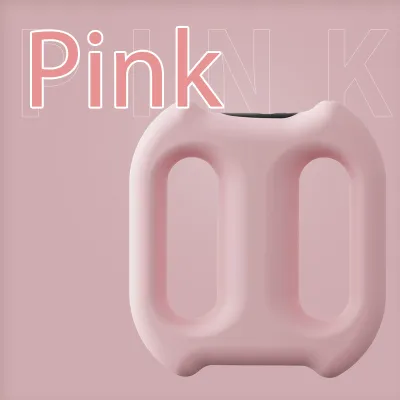
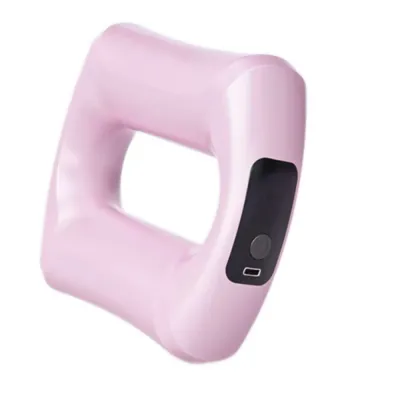
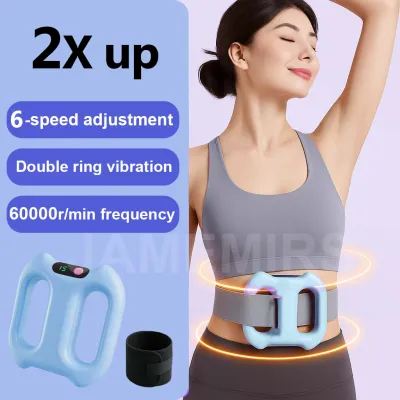
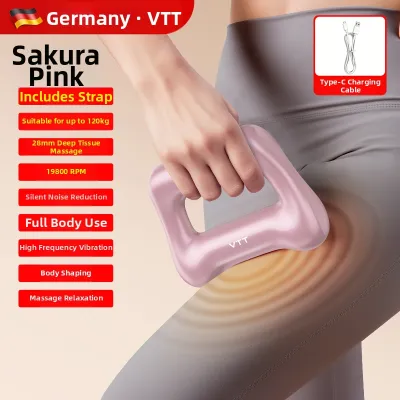
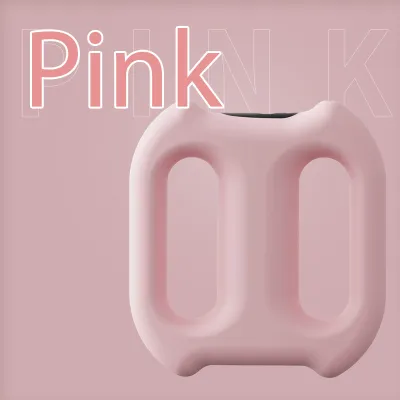
Prices are valid at publication and may change. Please refer to the product page for the latest price.
Muscle scraping rings, often derived from traditional soft-tissue mobilization designs, are solid, contoured tools intended to glide over larger muscle groups. They are particularly effective for targeting deep myofascial restrictions in the calves, thighs, and shoulders after intense resistance training. By applying controlled friction, these tools help break up tissue adhesions and promote localized blood flow to accelerated recovery.
Acupressure rings are small, highly flexible, spring-like metal or plastic coils designed primarily for the hands, fingers, and wrists. These micro-tools are highly beneficial for individuals experiencing grip fatigue from heavy dumbbell lifting, pull-ups, or long hours of typing at a condo work-from-home desk. They work by stimulating superficial nerve endings and enhancing microcirculation in the extremities.
Ring-shaped rollers, or clamp-on limb rollers, feature dual-sided or circular rolling gears that wrap around an arm or leg. These devices allow you to apply even, bilateral compression to limbs, making them excellent for flushing out metabolic waste after high-intensity cardio or treadmill runs. They provide a self-administered massage that mimics the squeezing action of professional compression therapy.
To help you determine the best fit for your specific fitness regimen, consider how common condo gym workout styles map to these different recovery tools:
| Condo Gym Workout Style | Target Muscle Stress Points | Recommended Massage Ring Category | Primary Recovery Mechanism |
|---|---|---|---|
| Heavy Dumbbell & Kettlebell Lifting | Forearms, hands, grip fatigue, upper traps | Acupressure rings & Contoured scraping rings | Targeted pressure & Myofascial release |
| High-Intensity Cardio & Treadmill Running | Calves, hamstrings, quadriceps | Ring-shaped rollers (clamp-on rollers) | Deep-tissue compression & Circulation |
| Yoga, Pilates & Bodyweight Mobility | Upper back, neck, arches of the feet | Small contoured scraping rings | Soft-tissue mobilization & Tension relief |
| Desk Work & Home Office Typing | Fingers, wrists, palms | Micro-acupressure spring rings | Sensory stimulation & Localized blood flow |
Assessing your personal physical fatigue patterns is key to making the right choice. If you frequently experience broad, dull aches in your lower limbs after jogging around your condo complex, a ring-shaped roller will provide the most efficient bilateral compression. Conversely, if your tightness is highly localized—such as a specific knot in your forearm or calf—a contoured scraping ring allows for more precise, targeted pressure.
Before purchasing any recovery tool from an online marketplace, always verify the primary intended use and target body parts on the manufacturer’s product label. Some rings are designed exclusively for small muscle groups, while others can withstand the pressure required for larger muscle masses. Checking these details beforehand prevents purchasing a tool that is ill-suited for your physical recovery goals.
Space and Storage Solutions for Compact Condo Gyms
Condominium units in metropolitan areas of the Philippines often prioritize multi-functional living spaces, meaning every piece of gym equipment must justify its physical footprint. Unlike bulky foam rollers or electronic massage chairs, massage rings are inherently space-efficient, making them ideal for compact homes. However, their storage requirements still vary significantly based on their structural design.

Small acupressure rings have virtually a zero-space footprint and can easily reside in a bedside drawer or a small desk organizer. Contoured scraping rings are flat and highly travel-friendly, sliding effortlessly into a gym bag, a drawer, or a decorative storage basket. Ring-shaped rollers are larger and more rigid, requiring dedicated shelf space or a hanging hook to keep them from cluttering your living area.
To maintain a tidy and professional-looking home environment, utilize smart vertical and hidden storage strategies. Wall-mounted hooks are an excellent way to hang ring-shaped rollers behind a door or inside a utility closet, keeping them off the floor and out of sight when the room transitions back to a living or working space. Alternatively, you can dedicate a specific section of a rolling gym cart or a storage bin to keep your recovery tools organized alongside your resistance bands and yoga blocks.
Before finalizing your purchase, measure your designated storage space and compare it against the exact product dimensions provided by the manufacturer. Do not rely on product photos alone, as perspective can make items appear smaller than they are in reality. Ensuring a tool fits perfectly within your existing drawer or cabinet prevents visual clutter and keeps your living space organized.
Keeping your recovery tools properly stored is not just about aesthetics; it is a critical safety measure in a limited workout area. A stray rolling ring or scraping tool left on a polished condo floor presents a significant tripping hazard, especially during high-intensity workouts or when walking in low-light conditions. Establishing a dedicated spot for your massage ring ensures a safe, hazard-free environment for both exercise and daily living.
Choosing Durable Materials for Humid Environments
The tropical climate of the Philippines introduces unique challenges for home gym equipment, primarily due to high relative humidity and ambient heat. If your condo gym setup is in a room without continuous air conditioning, your tools will be regularly exposed to moisture and sweat. Selecting materials that resist rust, corrosion, and bacterial growth is essential for long-term durability and hygiene.
Common materials used in massage rings include medical-grade stainless steel, food-grade silicone, natural stone, and various plastics. Each material responds differently to tropical conditions:
- Medical-Grade Stainless Steel: Highly durable, completely non-porous, and naturally rust-resistant. It is exceptionally easy to sanitize and provides a smooth, cool touch against the skin, making it excellent for scraping tools. However, it is heavier and generally sits at a higher price point, typically ranging from ₱1,000 to ₱2,500.
- Food-Grade Silicone: Flexible, waterproof, and completely rust-proof. It offers a comfortable, slip-resistant grip and is highly resistant to degradation from sweat. It is a mid-range option, usually priced between ₱400 and ₱1,000, though it can attract dust and lint if left exposed.
- Natural Stone (e.g., Jade or Bian Stone): Naturally cool and aesthetically pleasing, but fragile. If dropped on hard condo tiling, stone tools can easily crack or chip. They are semi-porous depending on the polish quality, requiring diligent drying to prevent moisture retention.
- ABS Plastic: Lightweight and highly affordable, often retailing between ₱150 and ₱500. While convenient, low-grade plastics can become brittle over time when exposed to heat and humidity, and cheap joints can trap moisture and bacteria.
Rather than relying solely on generic material names, take the time to inspect the manufacturer’s care labels and product specifications for explicit mentions of humidity resistance or waterproof ratings. High-quality manufacturers will clearly state if their metal components feature anti-corrosion coatings or if their plastics are medical-grade and moisture-resistant.
Hygiene is another critical factor when selecting materials for a humid environment. Porous surfaces can absorb sweat, dead skin cells, and ambient moisture, creating a breeding ground for bacteria, mold, and unpleasant odors. Non-porous materials like stainless steel and high-grade silicone prevent these contaminants from penetrating the surface, making them far easier to keep sanitary.
When evaluating product claims online, use this pre-purchase checklist to verify material quality:
- Look for explicit "rust-resistant," "anti-corrosion," or "marine-grade" labels on metal parts.
- Confirm the use of "food-grade" or "medical-grade" silicone to ensure no toxic plasticizers are present.
- Check for seamless construction; tools with deep, unsealed crevices are difficult to dry and prone to mold.
- Verify if the item is labeled as fully washable or waterproof.
Ergonomics, Grip, and Safety Boundaries for Home Use
Using a massage ring at home without the supervision of a physical therapist or trainer requires a tool designed with safety and ergonomics in mind. An ergonomic design ensures that you can apply the necessary pressure comfortably without straining your hands, wrists, or fingers during the process.
Look for scraping tools with smooth, hand-polished edges that glide seamlessly over the skin without causing abrasions. For clamp-on rollers, prioritize models with textured, non-slip grips that allow you to maintain a firm hold even when your hands are sweaty after a workout. Contoured shapes that naturally mimic the curves of your calves, forearms, or neck will distribute pressure more evenly, reducing the risk of localized bruising.
While self-myofascial release is highly beneficial, you must observe strict safety boundaries to avoid injury. Never apply a massage ring directly to bony prominences, such as the shinbone, kneecap, elbows, or spine, as this can cause painful bone bruising or inflammation. Additionally, avoid using these tools over varicose veins, open wounds, skin rashes, or acute joint injuries, as the pressure can exacerbate these conditions.
Before using any massage ring for the first time, it is essential to read the manufacturer’s contraindications and usage instructions. Different tools have specific limits regarding pressure application and target areas. Ignoring these guidelines can lead to skin irritation, tissue damage, or muscle soreness that hinders rather than helps your recovery.
When starting your self-massage routine, always begin with very light pressure to assess your tissue tolerance. Observe how your skin reacts; mild redness is normal due to increased blood flow, but you should never aim for deep bruising or severe pain. Stop the session immediately if you experience sharp pain, numbness, tingling, or excessive bruising, and consult a qualified medical professional if these symptoms persist.
Integrating the Massage Ring into Your Post-Workout Routine
To maximize the benefits of your massage ring, establish a consistent, structured post-workout routine that prioritizes both muscle recovery and tool maintenance. Integrating the tool seamlessly into your cooldown ensures you get the most out of your investment while preserving the hygiene of your shared condo household.
Begin your post-workout recovery by prepping your skin according to the specific requirements of your tool. Metal or stone scraping rings generally require a lubricant, such as a light massage oil, lotion, or gel, to allow the tool to glide smoothly and prevent painful skin friction. Acupressure rings and rubberized clamp-on rollers, however, are typically designed for dry skin or can be used directly over lightweight athletic clothing.
Apply the tool using controlled, moderate strokes. For scraping tools, glide the ring in one direction—ideally toward the heart—to assist with lymphatic drainage and venous return. For clamp-on rollers, roll back and forth along the muscle belly for 2 to 5 minutes per muscle group, avoiding the joints. Finish your routine with a brief static stretching session and proper hydration to help flush out metabolic waste.
Once your recovery session is complete, immediately clean the tool to prevent the buildup of sweat, oils, and dead skin. Follow the manufacturer’s specific sanitization guidelines carefully. For stainless steel or silicone tools, a quick wipe with a soft cloth dampened with isopropyl alcohol or a wash with mild soap and warm water is usually sufficient. Avoid submerging tools with internal metal bearings or springs in water, as this can lead to internal rust and mechanical failure.
After washing, thoroughly dry the tool with a clean towel before placing it in storage. In the humid climate of the Philippines, storing a damp tool in a closed drawer or gym bag is a recipe for mold, mildew, and material degradation. Ensuring the tool is completely dry preserves its structural integrity and keeps it hygienic for your next session.
Finally, remember that massage rings and other self-recovery tools are supplementary aids. They are designed to support your fitness journey but should never replace a proper dynamic warm-up, a thorough post-workout cooldown, adequate sleep, and balanced nutrition. If you are dealing with persistent, chronic, or worsening pain, seek the guidance of a licensed physical therapist or sports medicine professional rather than relying solely on self-treatment.
Frequently Asked Questions (FAQ)
How often should I use a massage ring for optimal muscle recovery?
The ideal frequency of use depends on the specific type of massage ring, your workout intensity, and your individual tissue tolerance. For light, non-invasive tools like acupressure rings, daily use for a few minutes per hand or finger is generally safe and beneficial for circulation. For deep-tissue tools like muscle scraping rings or heavy rollers, limiting use to 2 to 3 times a week per muscle group is recommended to allow the soft tissues adequate time to repair. Always consult the manufacturer’s usage guidelines and start with shorter, less frequent sessions to monitor how your skin and muscles respond before establishing a daily routine.
Can I use a muscle scraping ring without massage oil or lotion?
Friction requirements vary significantly by tool design and material, but most metal, stone, or hard plastic scraping rings require a lubricant to function safely. Using a scraping tool directly on dry skin can cause excessive friction, leading to painful skin abrasions, severe irritation, or broken capillaries. You should strictly follow the product’s specific care and usage manual, noting that using scraping tools on dry skin may cause excessive friction, irritation, or skin damage unless the manufacturer explicitly designs the tool for dry use. If a lubricant is required, a few drops of lightweight body oil or standard moisturizing lotion will ensure a smooth, safe glide.
Community discussion
Share your experience or ask a question. Comments are reviewed before publication.