
Selecting the right massage roller is a critical decision for any yogi looking to enhance recovery, improve flexibility, and relieve muscle tightness. The ideal tool depends heavily on your specific yoga style, muscle sensitivity, and the environmental conditions of your practice space. In warm, humid climates like the Philippines, factors such as sweat resistance, material hygiene, and grip become just as important as firmness and size. Whether you are winding down from a gentle Yin yoga session or recovering from an intense, sweat-inducing power yoga class, matching your recovery tool to your body’s immediate needs ensures a safe and effective practice.
Using a massage roller—often referred to as self-myofascial release (SMR)—helps alleviate tension in the fascia, the connective tissue surrounding your muscles. However, because different yoga styles place varying demands on your musculoskeletal system, a one-size-fits-all approach to recovery tools can lead to discomfort or ineffective relief. By understanding the structural differences between roller types, evaluating key material specifications, and practicing safe rolling techniques, you can optimize your post-yoga recovery routine without risking injury.
Understanding Massage Roller Types for Yoga Recovery
To choose the most effective recovery tool, you must first understand the distinct categories of massage rollers available on the market. Each type is engineered to deliver a specific style of pressure, targeting different layers of muscle tissue and accommodating various levels of physical sensitivity.
Products mentioned in this guide
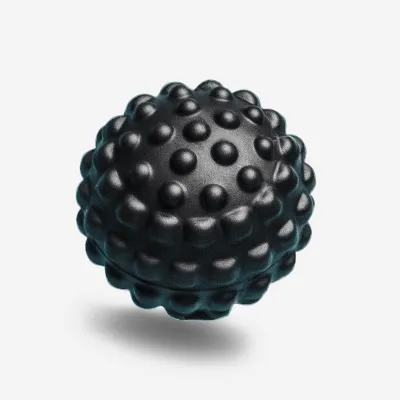
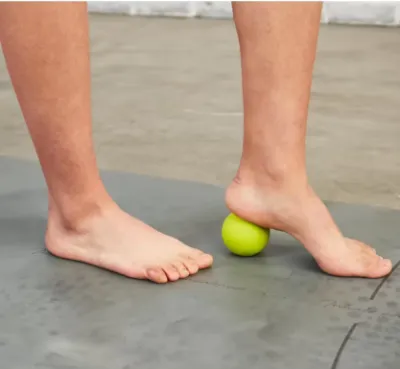
Prices are valid at publication and may change. Please refer to the product page for the latest price.
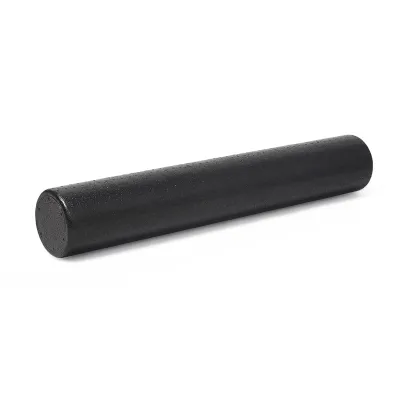
Smooth foam rollers are the most common and accessible type, typically constructed from expanded polyethylene (PE) or ethylene-vinyl acetate (EVA). These rollers feature a completely flat, uniform surface that distributes your body weight evenly across a broad area. This design provides a gentle, low-intensity massage that is highly suitable for beginners, individuals with sensitive skin, or practitioners of restorative and Yin yoga. If your primary goal is to relax the nervous system and gently stretch tight fascia after a low-impact session, a smooth roller offers a comfortable entry point.
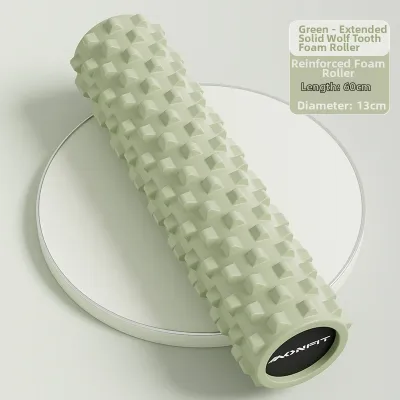
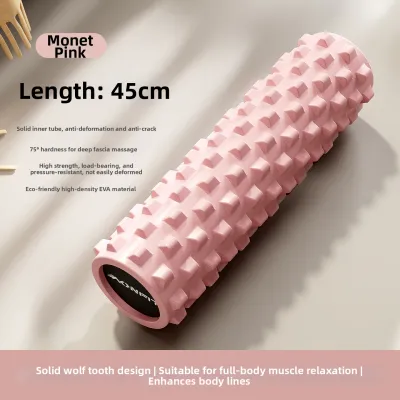
Textured or grid rollers incorporate raised ridges, knobs, or recessed channels molded into their exterior surface. These patterns are designed to mimic the hands, fingers, and palms of a massage therapist, allowing for more targeted trigger point therapy. When you roll over these textured sections, the concentrated pressure penetrates deeper into the muscle belly, helping to break up localized adhesions or “knots.” This type is highly beneficial after intense, strength-based practices like Ashtanga or power yoga, where specific muscle groups experience high tension.
Vibrating rollers represent an advanced, electronic category of recovery equipment. These devices combine the mechanical pressure of a traditional foam roller with localized, high-frequency vibrations powered by an internal motor. The rapid pulsing action helps to desensitize pain receptors in the muscle, allowing you to roll tight areas with less discomfort while promoting local blood circulation. Because they require electronic components, these rollers are heavier and require careful handling, making them best suited for home use or dedicated studio recovery zones.
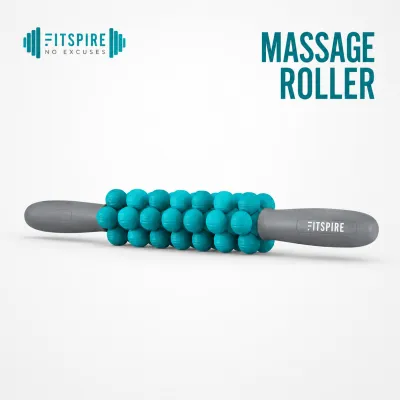
Massage sticks, or handheld rollers, consist of a central shaft with independently rotating plastic or rubber segments and handles on both ends. Unlike floor-based rollers, massage sticks require you to manually apply pressure using your arms rather than your body weight. This design offers precise control over the exact location and intensity of the pressure, making it exceptionally useful for targeting specific limb muscles such as the calves, hamstrings, and quadriceps. It is also a highly portable option for yogis who travel frequently or commute to local studios.
Matching Roller Features to Your Yoga Practice Intensity
Selecting a massage roller requires aligning its physical characteristics—such as density, size, and surface texture—with the intensity of your yoga practice and your personal physical tolerance. Choosing a roller that is too firm or too soft can hinder your recovery or cause unnecessary bruising.

Density and firmness are the most critical factors governing how deep the massage pressure will penetrate. Soft-to-medium density rollers are highly recommended for restorative yoga practitioners or those recovering from mild muscle fatigue. They compress slightly under your weight, offering a cushioning effect that prevents excessive pressure on sensitive tissues. Conversely, high-density rollers, often made from molded polypropylene (EPP), do not compress easily. These are designed for deep-tissue penetration, making them ideal for power yoga, hot yoga, or athletes with dense muscle mass who require intense pressure to achieve relief.
The length and diameter of the roller dictate which muscle groups you can target effectively and how easily you can transport the equipment. A standard full-length roller, measuring approximately 36 inches (90 cm) in length, is long enough to support your entire spine vertically. This makes it an excellent tool for chest-opening exercises, spinal alignment, and rolling broad areas like the entire back or both legs simultaneously. Shorter rollers, ranging from 12 to 18 inches (30 to 45 cm), are highly portable and fit easily into standard gym bags. While they cannot support your spine vertically, they are highly efficient for isolating single limbs, such as a single calf or thigh, and are easier to maneuver in tight spaces.
Surface texture must also be evaluated in relation to your skin sensitivity and the environment in which you practice. In tropical climates, high humidity and sweat can make bare skin more susceptible to friction burns or pinching when using highly textured rollers. If you frequently practice hot yoga or sweat heavily, a smooth roller or a textured model with wider, flatter grids is generally more comfortable against bare skin. Alternatively, placing a thin, clean yoga towel over a textured roller can reduce friction while maintaining the benefits of targeted pressure.
Key Selection Criteria and Safety Checks Before Buying
Before purchasing a massage roller, it is essential to perform several practical quality and safety checks to ensure the product is durable, safe for your body, and suitable for your home environment.
First, verify the material composition and weight capacity of the roller by reviewing the manufacturer’s product specifications. High-quality EVA foam and natural cork are excellent choices for durability; they resist permanent deformation even after prolonged use. Cork rollers are particularly valued for their natural antimicrobial properties, which help prevent mold and odor buildup in humid tropical conditions. Always check the maximum weight capacity listed on the product label to ensure the roller can safely support your full body weight during floor exercises.
Price points in the Philippines vary widely based on material quality and technology. Basic PE rollers are highly affordable, often ranging from ₱300 to ₱800, but they tend to warp or soften within a few months of regular use. Mid-range EVA and solid cork rollers typically cost between ₱1,000 and ₱2,500, offering a much better balance of longevity and performance. Premium electronic or vibrating rollers can range from ₱3,500 to over ₱8,000. When considering these higher-priced models, verify that the investment aligns with your planned usage frequency and recovery needs.
For electronic and vibrating models, closely inspect the battery specifications and safety certifications. Look for rollers that specify battery runtime (ideally 2 to 4 hours per charge) and include a certified charging cable. Because these devices are used in close contact with sweaty bodies, check for an Ingress Protection (IP) rating, which indicates the device’s level of water and dust resistance. A rating of IPX4 or higher is recommended to protect the internal motor and battery from sweat damage.
Finally, protect your purchase by buying exclusively from official brand stores or authorized online retailers. This ensures you receive an authentic product rather than a low-quality counterfeit that may crack or collapse under pressure. Review the retailer’s return policy and warranty terms; a reliable manufacturer should offer at least a six-month warranty against structural defects, giving you recourse if the roller fails prematurely.
Step-by-Step Recovery Routine Using Your Chosen Roller
To maximize the benefits of your massage roller and prevent injury, you must follow a structured, controlled recovery routine. Myofascial release is an active process that requires careful attention to body alignment, movement speed, and physical feedback.
Begin by placing your massage roller on a flat, non-slip surface, such as a high-grip yoga mat. This prevents the roller from sliding out from under you during transitions. Do not attempt to stand on the roller or combine it with other unstable fitness equipment, such as balance boards or suspension straps, unless the manufacturer’s manual explicitly provides instructions and safety protocols for such configurations. Unsupported standing or stacking unstable apparatuses poses a severe fall risk and can lead to joint sprains or fractures.
Position the target muscle group—such as your calves, hamstrings, or upper back—directly on top of the roller. Use your hands and your non-rolling foot to support your body weight, allowing you to control the amount of pressure applied to the roller. Slowly lower your weight onto the roller and begin to move your body back and forth. The key to effective myofascial release is slow, deliberate movement; aim for a speed of approximately one inch per second.
As you roll, maintain deep, steady diaphragmatic breathing. It is common to hold your breath when encountering a tight, tender spot, but this triggers a sympathetic nervous system response that causes your muscles to tense up, actively resisting the roller. Breathing deeply helps signal your nervous system to relax, allowing the muscle fibers to soften and release. When you find a particularly tender spot, pause on it for 20 to 30 seconds while continuing to breathe, allowing the pressure to gradually dissipate.
Always avoid rolling directly over bony structures, joints, and highly vulnerable anatomical areas. Never roll your lower back (the lumbar spine) with a standard foam roller, as this area lacks the structural protection of the rib cage and can place excessive, damaging pressure on your vertebrae and kidneys. Similarly, avoid rolling directly over your kneecaps, elbows, or the sides of your neck. Keep the roller focused on large, fleshy muscle groups.
Pay close attention to your body’s feedback and establish clear stop conditions. While mild discomfort or a “good hurt” sensation is normal during myofascial release, you should never experience sharp, shooting, or radiating pain. If you feel sudden numbness, tingling, or joint instability, stop rolling immediately. These sensations indicate nerve compression or joint strain rather than muscle tightness. If you develop bruising, swelling, or persistent pain after rolling, discontinue use and consult a licensed physical therapist or healthcare professional to evaluate your condition.
Frequently Asked Questions (FAQ)
How often should I clean my massage roller after hot yoga?
You should clean your massage roller after every single hot yoga session. The combination of heavy sweat, body oils, and high humidity creates an ideal environment for bacteria, mold, and unpleasant odors to develop on the roller’s surface. To clean it safely, wipe the entire surface down with a soft cloth dampened with warm water and a few drops of mild, non-abrasive dish soap. Avoid using harsh chemical solvents, bleach, or alcohol-based sprays, as these can degrade the cellular structure of EVA, PE, or natural cork over time. Always check the manufacturer’s care label for specific material restrictions, and allow the roller to air dry completely in a well-ventilated, shaded area before storing it.
Can I use a massage roller on an existing muscle strain?
No, you should not use a massage roller directly on an active, acute muscle strain, tear, or sprain. A muscle strain involves torn muscle fibers, and applying heavy, localized pressure to damaged tissue can exacerbate the tear, increase localized inflammation, and delay the healing process. Myofascial rolling is designed for healthy, intact muscle tissue experiencing normal tightness or delayed onset muscle soreness (DOMS) from exercise. If you experience sharp pain, swelling, visible bruising, or a sudden loss of strength in a muscle, treat it as an acute injury. Rest the area, apply gentle compression, and consult a medical professional or physical therapist for a proper diagnosis and recovery plan.
Community discussion
Share your experience or ask a question. Comments are reviewed before publication.