
Leg recovery is not a one-size-fits-all process. Whether you are recovering from a long run along a humid coastal road, a heavy squat session at the gym, or a long day of walking, the tightness in your quadriceps, hamstrings, and calves requires a targeted approach. Selecting the right massage roller for legs depends on your specific recovery goals, your familiarity with myofascial release, and your personal pain tolerance.
Using the wrong tool can lead to unnecessary bruising or muscle guarding—a protective response where muscles tense up against excessive pain, defeating the purpose of the massage. To achieve optimal recovery, you must evaluate how different rollers interact with your muscle tissue. This guide breaks down the essential factors of density, texture, and size, and categorizes the best roller types to help you make an informed decision for your leg recovery routine.
Quick Selection: Match Your Leg Recovery Need to the Right Roller
To help you find the right tool immediately, the table below maps common leg recovery scenarios and muscle issues to the most effective roller types.
Products mentioned in this guide
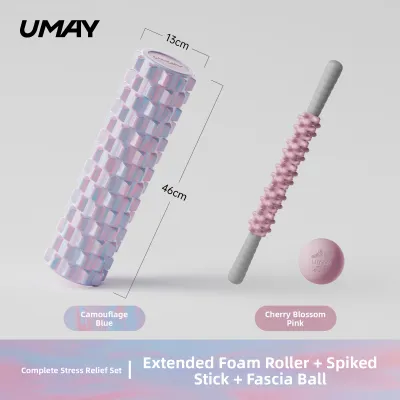
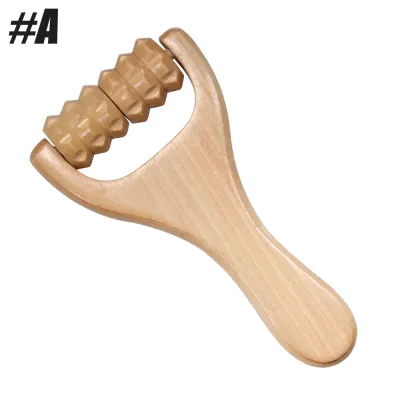
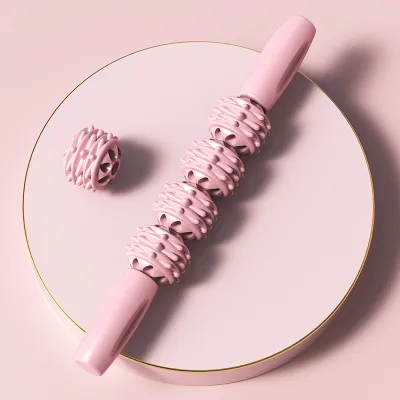
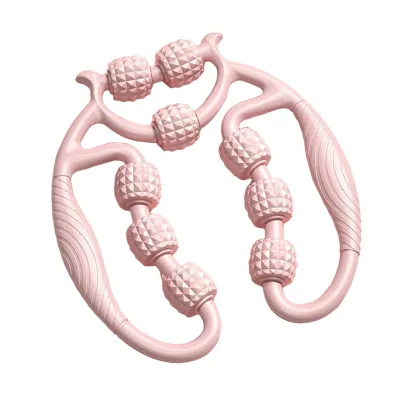
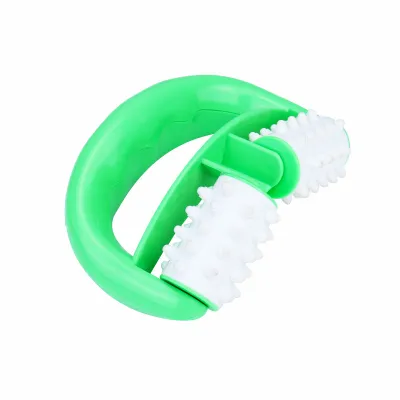
Prices are valid at publication and may change. Please refer to the product page for the latest price.
| Recovery Scenario | Primary Target Area | Ideal Roller Type | Key Benefit |
|---|---|---|---|
| Light warm-up, general post-run flush, or active recovery | Broad leg muscles (quads, hamstrings, glutes) | Smooth High-Density Foam Roller | Even pressure distribution, gentle lymphatic drainage, and reduced muscle tension |
| Deep tissue knot relief, chronic tightness, or localized trigger points | IT band, deep quadriceps knots, and glute-hamstring junctions | Textured or Grid Roller | Concentrated pressure mimicking a massage therapist's fingers to break up stubborn adhesions |
| Targeted calf tightness, shin splint relief, or Achilles tendon care | Lower leg muscles (calves, soleus, tibialis anterior) | Handheld Massage Stick | Precise manual pressure control, easy angle adjustments, and direct avoidance of bones |
| Severe delayed onset muscle soreness (DOMS) or high pain sensitivity | Highly sensitive, fatigued, or severely sore leg muscles | Vibrating Foam Roller | Desensitizes pain receptors via vibration, increases local blood flow, and accelerates recovery |
Each of these tools serves a distinct purpose within a comprehensive athletic recovery regimen. While a smooth roller is excellent for daily maintenance, a textured roller or a handheld stick might be necessary when dealing with specific, localized muscle restrictions. Understanding how these tools function physically will allow you to customize your recovery sessions to match your body’s daily feedback.
What to Look For: Density, Texture, and Size Explained
When shopping for a massage roller for legs, three primary physical characteristics dictate how the tool will feel and perform: foam density, surface texture, and overall size. Balancing these three elements ensures that you select a roller that provides enough therapeutic pressure without causing excessive pain or tissue damage.

Foam Density: Finding Your Pressure Threshold
Foam density is the most critical factor determining the intensity of your massage. Rollers generally fall into three density categories: soft, medium, and firm (high-density).
- Soft Rollers: These offer significant give and cushion. They are ideal for beginners, individuals with high pain sensitivity, or those recovering from intense, exhausting workouts where the muscles are highly tender.
- Medium Rollers: These strike a balance between comfort and structural support. They compress slightly under body weight but still provide enough resistance to reach moderate muscle layers.
- Firm (High-Density) Rollers: Typically made from molded ethylene-vinyl acetate (EVA) or expanded polypropylene (EPP), these rollers do not compress under pressure. They deliver intense, deep-tissue pressure. While highly effective for experienced users with dense muscle mass, beginners should approach ultra-firm rollers with caution, as excessive pressure can trigger muscle guarding, where the muscle tenses up to protect itself, preventing effective myofascial release.
Surface Texture: Smooth vs. Targeted Ridges
The texture of a roller’s surface determines how pressure is distributed across the muscle tissue.
- Smooth Rollers: A smooth surface distributes your body weight evenly across the entire contact area. This uniform pressure is highly effective for general myofascial flushing, which helps move metabolic waste out of the muscles after exercise. It is also the safest and most comfortable option for sensitive areas like the lateral thigh.
- Textured and Grid Rollers: These feature patterns of ridges, bumps, or grids molded into the foam. These variations in height are designed to mimic the hands, fingers, and thumbs of a massage therapist. The raised portions concentrate your body weight onto smaller surface areas, allowing for deeper penetration into the muscle fascia to target trigger points and break up localized adhesions.
Size and Shape: Broad Coverage vs. Localized Precision
The physical dimensions of your roller affect its stability, portability, and suitability for specific leg muscles.
- Long Rollers (36 Inches / 90 cm): These are the standard for home or gym use. Their length provides exceptional stability, making it easy to roll broad muscle groups like the quadriceps or hamstrings without slipping off the roller. They also allow you to position the roller perpendicularly under both legs simultaneously.
- Short Rollers (12 to 18 Inches / 30 to 45 cm): These are highly portable and fit easily into travel bags or gym lockers. They are excellent for targeting one leg at a time and are highly maneuverable.
- Handheld Massage Sticks: These consist of a central shaft with rotating rollers and handles on each end. Instead of using your body weight on the floor, you hold the handles and manually roll the stick over your muscles. This design offers unparalleled precision, allowing you to easily adjust the angle and pressure, making it particularly effective for the complex musculature of the lower leg.
Top Massage Roller Types for Different Leg Recovery Goals
Selecting the right tool requires matching these physical characteristics to your specific athletic demands and recovery goals. Below is a detailed evaluation of the four primary massage roller categories, outlining their strengths, limitations, and ideal users.
Smooth High-Density Rollers (Best for Beginners and Post-Run Flush)
Smooth high-density rollers are the foundational tool of myofascial release. Typically constructed from durable EPP or high-grade EVA foam, these rollers provide a consistent, flat surface that distributes your body weight evenly across the muscle. This even distribution makes them the most accessible option for beginners who are still adapting to the sensations of self-myofascial release.
For runners, cyclists, and field athletes, a smooth roller is highly effective for performing a “post-run flush.” This technique involves slow, continuous rolling along the length of the quadriceps, hamstrings, and calves to promote venous return and lymphatic drainage. By assisting the body in clearing metabolic byproducts accumulated during high-intensity training, smooth rollers help reduce post-exercise stiffness.
However, smooth rollers have clear limitations. Because they distribute pressure over a wide area, they lack the ability to penetrate deeply into thick, dense muscle groups. If you have a stubborn, localized knot deep within your gluteus medius or the upper portion of your rectus femoris, a smooth roller may glide over the top of the restriction without releasing the underlying adhesion.
Textured and Grid Rollers (Best for Deep Tissue and Stubborn Knots)
Textured and grid rollers are designed for intermediate to advanced users who require targeted myofascial release. These rollers feature a hollow plastic core wrapped in a patterned EVA foam exterior. The patterns typically include flat, wide zones that mimic the palm, narrow tubular zones that mimic fingers, and small, firm points that mimic fingertips.
This variation in surface topography allows you to apply highly concentrated pressure to specific trigger points. When you locate a tight knot or adhesion—often found in the iliotibial (IT) band complex, the lateral quadriceps, or the intersection of the hamstrings and glutes—you can pause on the spot and allow the raised ridges to sink deep into the tissue. This concentrated pressure helps break up collagen cross-links and adhesions within the fascia, restoring natural tissue elasticity.
Due to the intensity of these rollers, safety and proper technique are paramount. Beginners should use textured rollers with extreme caution. Applying excessive, concentrated pressure to cold or highly inflamed muscles can lead to localized bruising, micro-tears in the muscle fibers, or localized inflammation. If you find yourself holding your breath or tensing your upper body while rolling, the roller is too firm or textured for your current tolerance level.
Handheld Massage Sticks (Best for Targeted Calf and Shin Relief)
Handheld massage sticks represent a significant departure from traditional floor rollers. Instead of using gravity and your body weight to apply pressure, you use your upper body strength to press the stick directly into your leg muscles. This mechanical design offers several distinct advantages, particularly for targeting the lower legs.
The calves and shins are anatomically complex and can be awkward to roll effectively on a floor roller. With a handheld stick, you can sit comfortably in a chair and glide the tool along the gastrocnemius and soleus muscles of the calf at the precise angle needed. It is also exceptionally useful for managing shin splints; you can gently roll the muscle belly of the tibialis anterior (the muscle running along the outside of the shin) while carefully avoiding direct contact with the tibia bone itself.
Furthermore, massage sticks are highly portable, making them a favorite among athletes who travel for competitions or trail runs. However, their reliance on manual upper body strength means they are less effective for large, thick muscle groups. Trying to apply enough manual pressure to penetrate deep into the quadriceps or hamstrings can be physically tiring, making floor-based rollers a better choice for those broad areas.
Vibrating Foam Rollers (Best for Severe Soreness and Enhanced Circulation)
Vibrating foam rollers combine mechanical myofascial release with high-frequency localized vibration. These premium devices feature internal motors powered by rechargeable lithium-ion batteries, offering multiple vibration speed settings (typically ranging from 20 to 50 Hz). This technology represents a significant advancement in recovery science.
The primary benefit of vibration therapy lies in its interaction with the nervous system. According to the gate control theory of pain, the rapid sensory input of vibration travels to the brain faster than pain signals, effectively “blocking” or desensitizing your perception of muscle soreness. This makes deep tissue rolling significantly more comfortable, allowing you to work on highly sensitive, sore muscles—such as those affected by severe delayed onset muscle soreness (DOMS)—without triggering protective muscle guarding.
Additionally, the rapid mechanical oscillations stimulate local blood flow and increase skin temperature more rapidly than static rolling. This accelerated circulation delivers fresh oxygen and nutrients to damaged muscle tissues, speeding up the repair process.
When choosing a vibrating roller, practical factors must be considered. These devices are significantly heavier than standard foam rollers due to the internal motor and battery. You should verify the manufacturer’s specified battery life (ideally 2 to 4 hours per charge) and charging interface. Finally, because they contain electronic components, they sit at a much higher price point—typically ranging from ₱3,000 to ₱8,000 or more—making them a specialized investment for dedicated athletes or those managing chronic muscle tightness.
How to Roll Safely: Avoiding Joints and Preventing Bruises
While self-myofascial release is a highly effective recovery tool, improper technique can lead to tissue damage, joint inflammation, or nerve irritation. Adhering to established sports medicine guidelines ensures that your recovery sessions remain safe and productive.
Anatomy to Avoid: Bones, Joints, and Soft Organs
The fundamental rule of foam rolling is to target only the muscle bellies. You must never roll directly over bony prominences, joints, or areas lacking skeletal protection.
- Joints: Avoid rolling directly over the knee joint (including the kneecap or patella), the ankle joint, or the hip joint. Pressing a heavy roller into these areas can strain ligaments and inflame joint capsules.
- Bones: Do not roll directly over the shin bone (tibia). The periosteum covering the bone is highly sensitive and prone to painful inflammation if subjected to heavy compressive forces.
- The Lower Back: Avoid rolling your lower back with a traditional foam roller. The lumbar spine lacks the structural support of the ribcage, and rolling this area can cause protective muscle spasms or place unsafe pressure on the kidneys and spinal discs.
Time and Pressure Limits: The Law of Diminishing Returns
More is not always better when it comes to myofascial release. You should limit your rolling sessions to 1 to 2 minutes per muscle group. Spend roughly 30 to 60 seconds searching for tight areas, and once a trigger point is identified, hold steady pressure on that spot for 20 to 30 seconds while taking deep, controlled breaths.
Exceeding these time limits or applying excessive, agonizing pressure does not accelerate recovery. Instead, it can cause micro-trauma to the capillary beds, leading to localized bruising, tissue inflammation, and increased muscle soreness the following day.
Pain vs. Discomfort: Recognizing the Stop Signals
It is important to distinguish between therapeutic discomfort and harmful pain.
- Therapeutic Discomfort: Often described as a deep, dull, releasing ache (a "hurts so good" sensation). This indicates that the muscle tissue is responding to the pressure and beginning to relax.
- Harmful Pain: Characterized by sharp, shooting, burning, or nerve-like sensations. If you feel numbness, tingling, or a sudden stabbing pain, stop immediately. These are signs of nerve compression or acute tissue strain.
When to Seek Help: Roller Limits
Foam rolling is designed as a daily maintenance and recovery tool, not a medical treatment. If you are experiencing persistent, sharp, or worsening leg pain that does not improve after a few days of rest and gentle rolling, you should consult a physical therapist, sports physician, or qualified healthcare professional. Persistent pain may indicate a structural injury, such as a muscle tear, stress fracture, or tendonitis, which requires specialized diagnosis and treatment.
Maintaining Your Roller in Humid, Tropical Climates
In the tropical climate of the Philippines, environmental factors like high humidity, elevated ambient temperatures, and heavy perspiration require diligent equipment maintenance. Proper care prevents the degradation of foam materials and eliminates the risk of bacterial or mold growth.
Prevent Moisture Absorption
During intense workouts in hot and humid conditions, sweat inevitably transfers onto your recovery equipment. If left unaddressed, open-cell foam rollers can absorb moisture, creating an ideal breeding ground for bacteria, fungi, and unpleasant odors. To mitigate this, consider purchasing rollers made from closed-cell EVA or EPP foam, which are naturally water-resistant and do not absorb sweat.
Establish a Consistent Cleaning Routine
After every heavy recovery session, wipe down your roller to maintain hygiene:
- Prepare a mild cleaning solution by mixing a few drops of gentle dish soap or mild detergent with warm water. Avoid using harsh chemical solvents, bleach, or abrasive alcohol-based sprays, as these can dry out and degrade the foam's cellular structure.
- Dampen a soft microfiber cloth with the solution and thoroughly wipe down the entire surface of the roller, paying close attention to the crevices of textured or grid patterns.
- Wipe the roller a second time with a clean cloth dampened with plain water to remove any soap residue.
- Allow the roller to air dry completely in a well-ventilated indoor area before storing it.
Optimize Storage Conditions
Store your roller in a cool, dry place away from direct sunlight. Prolonged exposure to ultraviolet (UV) rays can break down the chemical bonds of the foam, causing it to become brittle, fade, and crack. Furthermore, avoid leaving your roller inside a hot vehicle or trunk parked in the sun. The extreme heat generated inside a sealed car can warp the plastic core of grid rollers or cause high-density foam to permanently flatten and lose its structural integrity.
Frequently Asked Questions (FAQ)
Can I use a massage roller on my legs every day?
Yes, you can use a massage roller on your legs daily, provided you adjust the intensity. Light, brief rolling sessions of 5 to 10 minutes are excellent for daily mobility, promoting blood circulation, and relieving minor muscle stiffness. However, if you perform intense, deep-tissue myofascial release to target deep knots, you should allow the treated muscle groups 24 to 48 hours of recovery time before rolling them with the same intensity again.
Is it normal for foam rolling to hurt?
A mild to moderate dull ache is normal during foam rolling, especially when working on tight or fatigued muscles. This discomfort occurs as the roller compresses the tissue and stimulates restricted fascia. However, foam rolling should never cause agonizing, sharp, or shooting pain. If you experience intense pain, bruise easily, or find yourself tensing up, reduce the pressure by supporting more of your body weight with your hands and feet, or switch to a softer roller.
Should I roll my legs before or after a workout?
You can roll your legs both before and after a workout, but your technique should change to match your goals. Before a workout, use fast, light rolling for 5 to 10 minutes to increase local blood flow, elevate muscle temperature, and improve joint range of motion without fatiguing the tissue. After a workout, focus on slow, deliberate rolling combined with deep breathing to help calm the nervous system, reduce post-exercise muscle tightness, and kickstart the recovery process.
Community discussion
Share your experience or ask a question. Comments are reviewed before publication.