
Riding mountain bikes in wet, muddy tropical conditions—such as during the heavy monsoon season in the Philippines—presents a severe traction challenge where a single slip on a wet root or clay-slick off-camber turn can lead to a painful crash. To maintain control and stay upright, choosing the right Maxxis wet tires requires selecting an aggressive, open tread pattern that sheds sticky mud, paired with a soft rubber compound like MaxxGrip that conforms to slippery surfaces, and a robust casing that allows for lower tire pressures. While high-performance tires significantly improve mechanical grip, they cannot replace proper riding technique, core stability, and trail judgment; riders must always assess their personal skill limits and trail conditions before dropping into steep, slick descents.
Navigating wet trails safely requires understanding that equipment is merely a tool to assist your riding ability. When tropical downpours turn local trail networks into slick slides, even the most advanced tire technology can fail if ridden without proper body positioning and braking control. Before heading out, always check local trail reports and weather forecasts, and be prepared to postpone your ride if the terrain has degraded to a point where riding causes severe trail damage or poses an unacceptable safety risk.
What tread patterns provide the most reliable grip on wet and muddy trails?
To identify a tire tread pattern that will perform reliably in wet and muddy conditions, look for tall, widely spaced knobs that can penetrate soft soil while actively shedding sticky clay. A dense tread pattern will quickly clog with mud, transforming your tire into a slick, heavy cylinder that slides unpredictably over the terrain. By selecting a design with open spacing, centrifugal force can easily fling mud out of the tread as the wheel spins, maintaining a clean surface to bite into the trail.
Products mentioned in this guide
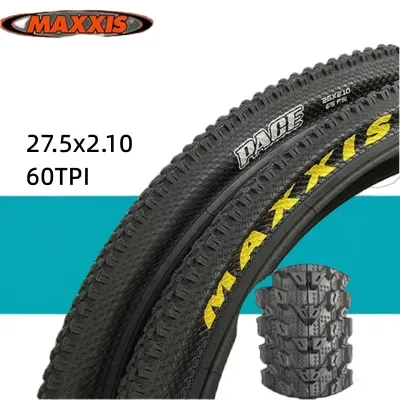
7 Lazada user ratings
Package arrived in good condition, well-packed and no problem. Will order again for my other bike. Nice service and 5 stat delivery
The delivery might be slightly delayed, but the product quality is excellent, beautiful, and well-packaged.
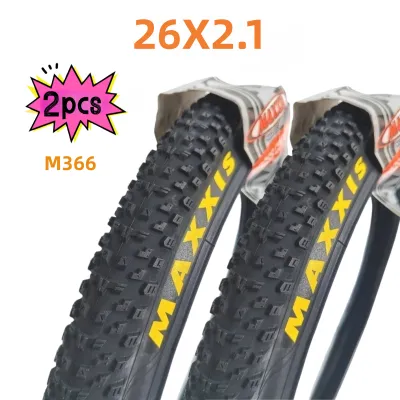
20 Lazada user ratings
Basic, inexpensive tires without extra protection against punctures.
Great value for money. Tires arrived in perfect condition.
Received the item in good condition, no damage.
The delivery was very fast and good.
It arrived in great shape.
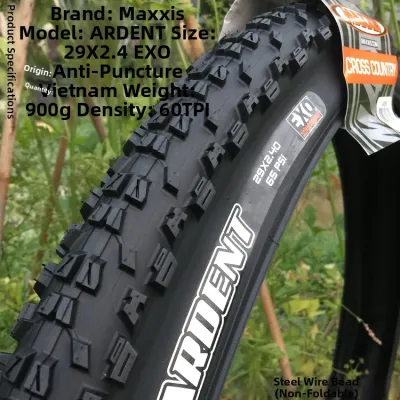
7 Lazada user ratings
It's super, super, super useful, thank you! Haha, it's really practical and the picture looks great! So funny! 😁
The tires are pretty soft, making turns feel stable, and the rear wheel rides smoothly. The strength is decent.
They grip really well, so going down the stairs feels pretty stable.
Very strong quality.
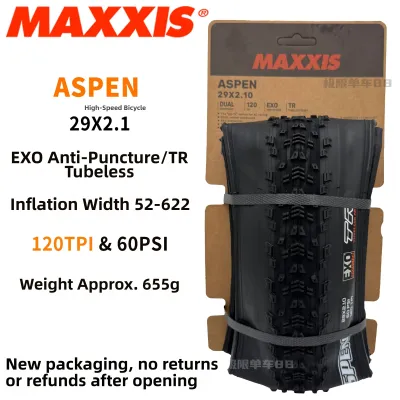
19 Lazada user ratings
I installed it right away and took some pictures, and it's great! The off-road grip and rolling resistance on flat surfaces are both impress…Read full reviewShow less
I installed it right away and took some pictures, and it's great! The off-road grip and rolling resistance on flat surfaces are both impressive.
Thanks seller. Great item, wonderful experience. Amazing deal from an amazing seller. Thanks Lazada! More power and more deals
safe at maayos naman packaging, masmagaan kesa sa dati Kong tiresthank you seller, I will order again next time.
Size: 29 Performance: not yet tested Durability: not yet tested
Performance:Fast speed, Smooth ride, High performance,

830 Lazada user ratings
Enhances speed and agility on the trails., Perfect for mountain biking adventures., High-quality tires for a reasonable price., Improved tra…Read full reviewShow less
Enhances speed and agility on the trails., Perfect for mountain biking adventures., High-quality tires for a reasonable price., Improved traction for better control.,
Durable and long-lasting tires., Improved traction for better control., Responsive and reliable performance., High-quality tires for a reaso…Read full reviewShow less
Durable and long-lasting tires., Improved traction for better control., Responsive and reliable performance., High-quality tires for a reasonable price.,
Excellent grip on various terrains., Enhances speed and agility on the trails., Improved traction for better control., Durable and long-last…Read full reviewShow less
Excellent grip on various terrains., Enhances speed and agility on the trails., Improved traction for better control., Durable and long-lasting tires.,
High-quality tires for a reasonable priceEasy to install on your bike., Fast rolling tires, great for XC races!,
great product for sure di lang sa looks pati sa tibay. im excited to use this on my bike konti na lang
10 Lazada user ratings
well packed walang damage mabilis din dumating muka naman matibay naway mag tagal siya mas mura bumili minsan via online kaysa sa mag bike s…Read full reviewShow less
well packed walang damage mabilis din dumating muka naman matibay naway mag tagal siya mas mura bumili minsan via online kaysa sa mag bike shop sa bayan
akala ko dalawa??? rear and front isa lang pala 😭 makikilagay naman ng details o
Order ko 27 5 175 Mali ang dumating 27 5 2,1 palpak naman kayo
8 Lazada user ratings
everything is good
good quality
Prices are valid at publication and may change. Please refer to the product page for the latest price.
The height and shape of the knobs play a critical role in how the tire interacts with wet ground. Tall, spike-like knobs act as anchors, digging through the slippery top layer of mud to find firmer dirt underneath. Ramped center knobs help reduce rolling resistance on flatter, harder sections of the trail, but they must feature sharp trailing edges to provide powerful braking traction when you need to slow down on steep, wet descents.
Siping, which refers to the tiny slits cut into the surface of individual tread blocks, is another essential feature for wet-weather traction. Under the weight of the rider, these sipes open up and flex, creating additional biting edges that can grip slick, hard surfaces like wet rocks and exposed tree roots. Without siping, solid rubber blocks are more likely to slide off wet obstacles rather than conforming to them.
Finally, evaluate the transition zone between the center tread and the shoulder knobs. For muddy trails, a distinct channel or gap between these zones allows the aggressive side knobs to dig deeply into the soil during cornering. However, this design requires the rider to commit to leaning the bike confidently into turns; a hesitant, upright cornering posture can cause the tire to lose traction in the transition gap, highlighting the importance of matching your riding technique to your equipment’s design.
Which rubber compounds should you look for on Maxxis tire labels?
When reading Maxxis tire labels to select a model for wet and muddy trails, look for soft, slow-rebounding rubber compounds like MaxxGrip or 3C MaxxGrip, which conform to slippery surfaces much better than harder dual-compound options. The rubber compound determines how well the tire can stick to wet, hard obstacles like roots and rocks where mechanical tread bite is limited. While harder compounds offer longer tread life, they lack the pliability needed to maintain traction on slick, wet surfaces.

Maxxis categorizes its rubber formulations into single, dual, and triple-compound (3C) layouts. Single-compound tires use one consistent rubber mixture throughout, offering basic performance, while dual-compound tires use harder rubber in the center for durability and softer rubber on the sides for cornering. Triple-compound technology layers three distinct rubber durometers to optimize traction, support, and rebound across different areas of the tire.
For wet-weather riding, the 3C MaxxGrip compound is highly effective because it uses the softest rubber formulations available, allowing the tread to deform around microscopic trail imperfections. This slow-rebound characteristic dampens trail chatter and prevents the tire from bouncing off wet roots. If you need a balance of grip and durability, the 3C MaxxTerra compound is an intermediate option that rolls faster and wears slower, making it a common choice for the rear wheel when paired with a grippier MaxxGrip front tire.
However, choosing soft rubber compounds involves a clear trade-off in terms of durability and rolling resistance. Soft rubber wears down rapidly, especially when ridden on dry, abrasive hardpack or paved transition roads, and the high-friction characteristics make climbing feel significantly more demanding. Riders must accept that maximizing wet-weather traction means replacing tires more frequently and putting more effort into pedaling.
How do casing and tire width affect mud and wet trail performance?
To optimize your tire setup for wet and muddy trails, select a robust casing that supports lower tire pressures for a larger contact patch, while choosing a tire width that balances flotation with the ability to cut through deep mud. A common misconception is that wider tires are always better in wet conditions; however, an excessively wide tire can float on top of deep mud, causing the bike to hydroplane. A slightly narrower tire, such as 2.4 inches, can cut through the soft mud layer to reach firmer soil beneath.
The casing construction, indicated on the tire sidewall by labels like EXO, EXO+, DoubleDown (DD), or Downhill (DH), determines the tire’s structural strength and weight. Lightweight casings like EXO are highly flexible but offer minimal sidewall support at low pressures, making them prone to folding or squirming. Heavier casings like DoubleDown or DH use multiple plies of fabric and butyl inserts to provide a stiff, supportive sidewall that maintains its shape even under heavy cornering loads.
Running lower tire pressure is highly beneficial in the wet because it allows the tire to deform over slippery obstacles, increasing the contact patch and maximizing mechanical grip. However, lowering pressure on a thin casing increases the risk of pinch flats, rim damage, or tubeless burping. A thicker, more supportive casing allows you to run lower pressures safely, protecting your rims from hard impacts while ensuring the tire remains securely seated on the wheel.
When adjusting your tire pressure for wet conditions, make small, incremental changes using a reliable digital pressure gauge rather than relying on a hand squeeze test. Dropping your pressure by 2 to 3 PSI below your standard dry-weather setting can dramatically improve traction on wet roots and rocks. If you experience the tire squirming in corners or feel the rim striking obstacles, immediately increase the pressure to prevent equipment damage or a sudden loss of control.
How do you match Maxxis tire categories to your specific wet trail conditions?
To find the right tire setup without relying on unverified rankings, match the specific Maxxis tire category to your local trail conditions, differentiating between dedicated mud spikes for deep clay, aggressive all-rounders for mixed wet terrain, and faster-rolling options for damp hardpack. Checking the manufacturer’s packaging and official labels will provide clear terrain ratings, helping you avoid choosing a tire designed for dry hardpack when you need to navigate slick, muddy descents.
For extreme conditions where the trail has turned into a deep, sticky bog of clay, dedicated mud spikes like the Maxxis Shorty are highly effective. These tires feature very tall, narrow knobs designed to penetrate deep mud and find traction underneath. However, because mud spikes have a small contact patch on hard surfaces, they can feel highly unstable and slippery when rolling over exposed wet rocks, wooden bridges, or hardpack trail sections.
For mixed wet trails that feature a combination of mud, wet loam, slippery roots, and rocks, an aggressive wet-weather all-rounder like the Maxxis Assegai or Minion DHF is often the most versatile choice. These models feature a dense pattern of tall knobs with extensive siping, providing predictable grip across a wide variety of wet surfaces without the extreme instability of a dedicated mud spike on harder ground.
Before making a final selection, evaluate your local trail network’s soil composition and drainage patterns. Clay-heavy soils, common in many tropical regions, retain water for long periods and clog tires easily, demanding wide knob spacing. Sandy or volcanic soils drain water rapidly and may only require a standard aggressive tire rather than a mud-specific design. Adjusting your tire choice to these local factors prevents carrying unnecessary weight and rolling resistance.
When should you adjust tire pressure or swap tires as trails dry out?
As trail conditions transition from wet to dry, adjust your tire pressure incrementally to maintain stability, and swap out dedicated mud tires as soon as the ground hardens to prevent premature wear and unpredictable handling. Riding a soft-compound, highly aggressive wet tire on dry, hardpack trails causes the tall knobs to bend and squirm, leading to a highly unstable feel at high speeds. Additionally, dry, abrasive dirt will rapidly wear down or tear off soft rubber knobs, ruining an expensive tire.
During a ride, monitor how your tires are performing and make adjustments as needed. If you encounter highly sticky clay that clogs your tread, stop in a safe area off the trail and use a small stick to clear the packed mud from the knobs. Keeping the tread clear restores the tire’s self-shedding capabilities and prevents packed mud from rubbing against your bike’s frame, which can cause abrasive damage over time.
If the sun comes out and the trails begin to dry into a tacky, high-traction state, you can slightly increase your tire pressure to improve rolling speed and cornering stability. Conversely, if a sudden tropical downpour turns the trail into a stream, dropping a small amount of air pressure can help you navigate the suddenly slick roots and rocks. Always make these adjustments in small increments to avoid over-correcting.
Ultimately, equipment cannot replace training, experience, and sound judgment on the trail. If trail conditions are severely degraded, causing deep ruts and erosion, the most responsible decision is to stop riding to protect both yourself and the local trail infrastructure from damage. By matching your tire choice, pressure, and riding style to the changing environment, you can enjoy a safer and more controlled riding experience throughout the wet season.
Community discussion
Share your experience or ask a question. Comments are reviewed before publication.