
Choosing the right Mikasa ball basketball depends entirely on where you play. If your games take place on polished wooden indoor gym floors, you need a high-grade composite or genuine leather ball that offers optimal sweat absorption and a soft, controllable touch. Conversely, if you primarily play on concrete barangay courts, you require a durable rubber or heavy-duty synthetic ball designed to withstand abrasive surfaces, dust, and unpredictable weather. Matching the ball’s material to the court surface is the single most important factor in ensuring optimal grip, consistent bounce, and a long-lasting investment.
Matching Ball Materials to Philippine Court Surfaces
In the Philippines, basketball is played on a wide variety of surfaces, ranging from premium indoor wooden courts to unpainted, open-air concrete barangay courts. Each of these environments presents unique challenges to a basketball’s construction. Indoor courts, typically made of varnished hardwood or smooth polyurethane synthetic flooring, are clean and climate-controlled, preserving the integrity of delicate materials. In contrast, outdoor concrete courts are highly abrasive, acting like sandpaper against the outer cover of the ball. Furthermore, outdoor courts are constantly exposed to the elements, accumulating fine dust, sand, and moisture from sudden tropical downpours.
The physical interaction between the basketball and the court surface determines how quickly the ball will wear down. On a rough concrete court, every dribble, pass, and rim contact scrapes away microscopic layers of the ball’s cover. If the ball is made of soft, premium composite leather, this friction will quickly tear the outer skin, causing the panels to peel at the seams and rendering the ball slippery and unusable. On the other hand, a hard rubber ball used on a polished indoor floor will struggle to find traction, often sliding off the hands or bouncing unpredictably due to the lack of cushioning on a rigid surface.
Products mentioned in this guide
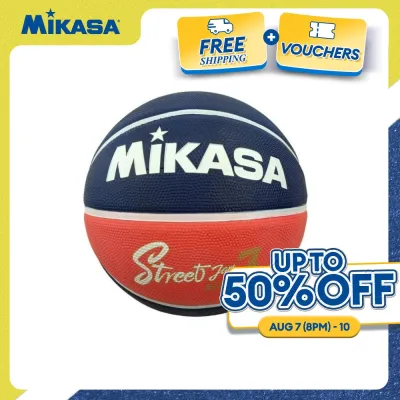
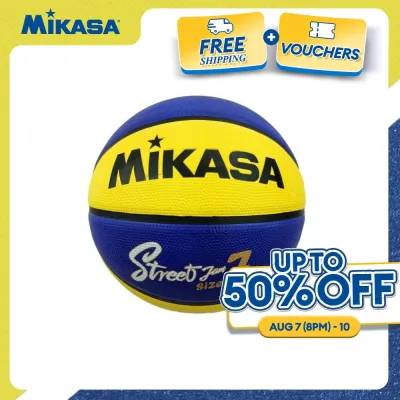
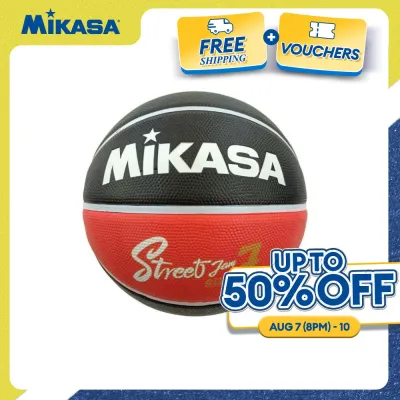
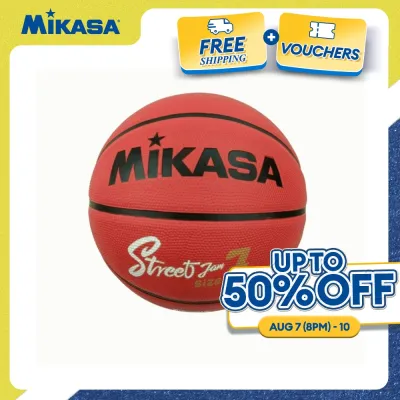
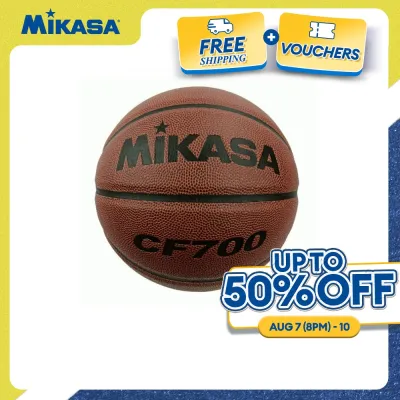
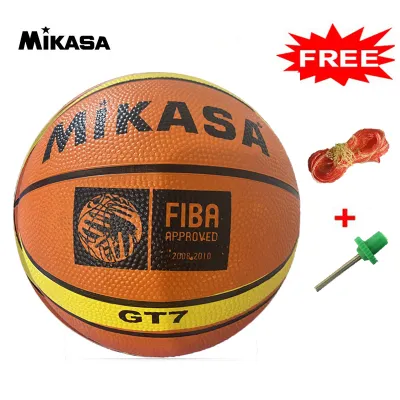
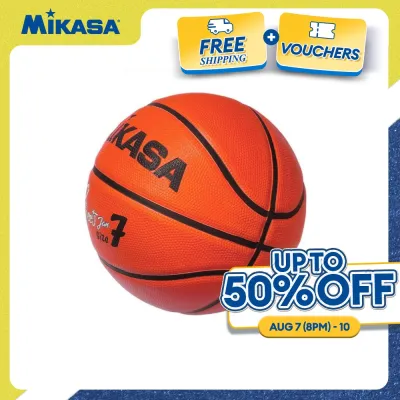
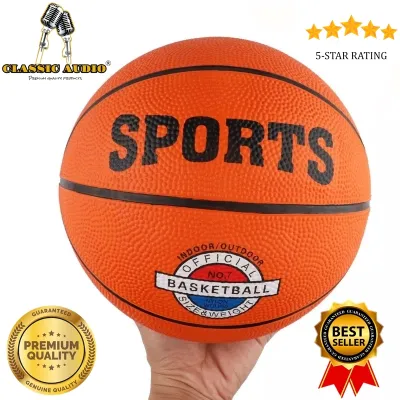
Prices are valid at publication and may change. Please refer to the product page for the latest price.
To make an informed decision, players must understand the three primary material categories used in basketball manufacturing:
- Rubber: This is the most durable and cost-effective material. It is highly resistant to abrasion, moisture, and rough concrete, making it the standard choice for outdoor play.
- Synthetic or Composite Leather: This material mimics the feel of genuine leather but is engineered for enhanced durability and moisture management. It is available in various grades, with some designed strictly for indoor use and others formulated as "indoor/outdoor" hybrids.
- Genuine Leather: Made from real animal hide, this is the premium standard for professional indoor leagues. It offers unmatched grip and touch but is highly sensitive to moisture, dust, and rough surfaces, making it completely unsuitable for outdoor environments.
Using the wrong material on a specific surface does more than just ruin the feel of the game; it actively destroys the ball’s structural integrity. A premium indoor ball exposed to concrete dust will have its microscopic pores clogged, permanently neutralizing its moisture-wicking capabilities. For players looking to maximize their budget and playing experience, identifying the primary venue of play is the essential first step before selecting a specific model.
What to Look for in a Mikasa Indoor Basketball
When selecting a Mikasa ball basketball for indoor use, the primary focus shifts from brute durability to tactile performance, grip consistency, and moisture control. Indoor gym floors, while smooth, can become slippery when sweat from players’ hands drips onto the court or the ball itself. High-quality indoor balls utilize advanced composite leather covers designed to absorb moisture, ensuring that the ball remains tacky and secure in your hands even during high-intensity play.

Premium indoor composite models occupy a higher price band of ₱2,000 to ₱5,000+, reflecting their advanced material technology and superior tactile performance. These models often feature a cushioned carcass construction. This internal layer of foam or soft backing material provides a dampening effect, giving the ball a softer feel upon impact and allowing for more precise fingertip control during dribbling and shooting. Additionally, the consistent bounce of a high-end composite ball on polished wood is crucial for executing fast-paced plays and maintaining a reliable shooting rhythm.
Genuine leather indoor balls represent the pinnacle of performance but require a distinct “break-in” period. When first purchased, a genuine leather ball can feel stiff, smooth, and surprisingly slippery. As it is used on clean indoor courts, the leather absorbs natural oils from players’ hands, gradually softening, darkening, and developing a highly customized, ultra-grippy texture. This break-in process can take several weeks of regular play, but the resulting feel is highly favored by competitive players.
However, the very characteristics that make indoor balls perform exceptionally well also make them highly vulnerable to damage. The soft polyurethane or genuine leather covers have low resistance to sharp concrete edges and grit. If an indoor ball is used outdoors even once, the abrasive surface can slice the cover, and the accumulated concrete dust will ruin the tackiness permanently. Moisture from outdoor puddles can also seep under the laminated panels, weakening the adhesive and causing the cover to bubble or delaminate.
To protect your investment, always verify the manufacturer’s specifications on the packaging or the ball’s paneling. Look for explicit designations such as “Indoor Use Only” or “Indoor” when shopping at authorized sporting goods stores or verified online marketplaces. If you primarily play in organized indoor leagues or rent commercial indoor courts, investing in a dedicated indoor composite ball will significantly elevate your ball-handling and shooting performance.
What to Look for in a Mikasa Outdoor Basketball
Outdoor play on concrete barangay courts demands a basketball that can survive harsh, high-friction environments. When shopping for a Mikasa outdoor ball, durability is the paramount consideration. The constant grinding against concrete, asphalt, and metal chain nets will quickly destroy delicate materials, meaning your selection must prioritize heavy-duty rubber or specifically rated indoor/outdoor composite covers.
Outdoor rubber models typically fall into a budget-friendly price band of ₱800 to ₱1,500, making them highly accessible for recreational play. One of the key design features to look for in an outdoor basketball is a deep channel design. Outdoor courts are rarely pristine; they are often covered in a fine layer of dust, sand, or loose dirt. Deep channels between the ball’s panels provide a physical recess where your fingertips can find purchase, allowing you to maintain a secure grip and spin on the ball despite the presence of surface debris. A shallow-channeled ball will quickly become incredibly slippery once it accumulates a layer of concrete dust.
In addition to deep channels, look for a heavily pebbled surface texture. The small, raised bumps across the ball’s cover increase the surface area in contact with your skin, providing mechanical grip. For rubber outdoor balls, this pronounced pebbling is essential to compensate for the material’s natural lack of tackiness compared to composite leather. While rubber can feel somewhat harder and less cushioned on the fingers, the enhanced texture ensures reliable control when passing and shooting.
There are clear trade-offs when choosing an outdoor-optimized ball. Rubber balls generally have a more rigid feel and a sharper, more energetic bounce than composite balls. This can make ball handling feel slightly less damp and controlled. However, the benefits in terms of weather tolerance are substantial. Rubber does not absorb water, meaning the ball will not waterlog or warp if played on a damp court after a tropical rain shower. Furthermore, high-quality outdoor rubber compounds are formulated to resist UV degradation from the intense Philippine sun, preventing the material from cracking or drying out prematurely.
Before making a purchase, verify that the ball is explicitly rated for outdoor use. Many manufacturers print “Outdoor” or “Indoor/Outdoor” directly on the ball’s surface. Choosing a rugged, outdoor-specific model ensures that your ball will maintain its shape, grip, and bounce through countless games on rough neighborhood courts.
Sizing, Weight, and Grip Preferences
Selecting the right basketball involves more than just choosing the correct material; you must also ensure the ball matches the physical profile of the players. Basketballs are manufactured in standardized sizes tailored to different age groups, genders, and skill levels. Choosing the wrong size can hinder skill development, alter shooting mechanics, and increase the risk of wrist or finger strain.
The three standard basketball sizes used in organized play are:
- Size 7 (Official Men's): Measuring approximately 29.5 inches (75 cm) in circumference and weighing between 567 to 650 grams, this is the standard size for adult male players, collegiate leagues, and high school divisions. It requires sufficient hand size and upper body strength to control and shoot properly.
- Size 6 (Women's and Youth): Measuring approximately 28.5 inches (72.4 cm) in circumference and weighing 510 to 567 grams, this size is the official standard for women's professional and amateur leagues, as well as youth divisions for players aged 12 to 14. The slightly smaller circumference allows for better grip and control for players with smaller hands.
- Size 5 (Junior/Kids): Measuring approximately 27.5 inches (70 cm) in circumference and weighing 470 to 500 grams, this size is designed for children aged 9 to 11. It is highly recommended for young players to help them develop proper shooting form without straining their muscles.
Beyond size, evaluating the ball’s weight distribution and balance is crucial. A high-quality Mikasa ball features precise internal carcass winding—typically using nylon or polyester threads—wrapped around a high-grade butyl bladder. This construction ensures that the ball’s weight is perfectly distributed, preventing any “wobble” during flight and ensuring a true, vertical bounce. When inspecting a ball in a physical sporting goods store, spin it in the air or dribble it repeatedly to verify that it does not drift or bounce at an odd angle. If purchasing from an online retailer, check the detailed product specifications for carcass construction details.
Grip preference is highly subjective and depends on individual physical characteristics and playing styles. Some players prefer a highly tacky, sticky feel that allows them to easily palm the ball, which is common with premium composite leather. Others prefer a drier, more textured feel that relies on deep channels and pebble patterns, which is often better for players who suffer from heavily sweaty hands during intense games in hot, humid conditions. Testing different textures will help you identify which cover material and channel configuration feel most natural in your hands.
Maintenance Tips to Extend Your Ball's Lifespan
Proper maintenance is essential to protect your investment and ensure your Mikasa basketball performs consistently over its lifespan. The tropical climate of the Philippines—characterized by high humidity, intense heat, and sudden rainfall—presents a challenging environment for sports equipment. Implementing a simple, regular care routine will prevent premature degradation of both indoor and outdoor balls.
Routine cleaning is the first line of defense against wear. For outdoor rubber or composite balls, concrete dust and dirt act as abrasives that slowly wear down the pebble texture. After every outdoor session, wipe the ball thoroughly with a soft cloth dampened with lukewarm water and a tiny amount of mild, non-abrasive soap. This removes the accumulated grime without stripping the cover’s natural texture. For indoor composite or leather balls, use a dry or very slightly damp microfiber cloth to wipe away sweat and body oils after play. Never submerge any basketball in water, and avoid using harsh chemical solvents, gasoline, or stiff wire brushes, as these will dissolve the adhesives holding the panels together and ruin the cover.
Maintaining correct air pressure is critical for both the ball’s performance and its structural health. Under-inflated balls will have a dead, sluggish bounce, while over-inflated balls can warp, develop lumps, or even burst at the seams. Always use a reliable pressure gauge alongside your ball pump. Before inserting the inflation needle into the valve, moisten it with a drop of water, glycerin, or valve oil. Inserting a dry needle can tear or dislodge the rubber valve core, leading to slow, permanent air leaks. Inflate the ball strictly within the manufacturer’s recommended PSI range, which is typically printed directly around the inflation valve (usually between 7.5 and 8.5 PSI).
Proper storage is equally vital in humid environments. Avoid leaving your basketball in areas subject to extreme temperature fluctuations or direct sunlight, such as the trunk of a car, an open balcony, or a damp outdoor utility shed. High heat causes the air inside the bladder to expand rapidly, stretching the carcass out of shape, while UV rays accelerate the dry-rotting of rubber and synthetic covers. Store your ball in a cool, dry, well-ventilated indoor space, ideally in a dedicated ball bag or net to prevent it from rolling around and collecting dust.
Frequently Asked Questions (FAQ)
Can I use an indoor Mikasa basketball on outdoor courts?
No. Premium indoor composite leather and genuine leather balls are designed specifically for smooth, clean wooden or synthetic floors. Using them on rough concrete or asphalt outdoor courts will quickly scrape off the soft outer cover, ruin the grip, and cause the laminated panels to peel at the seams. To protect your investment, keep indoor balls strictly on indoor courts and use a dedicated rubber or heavy-duty outdoor ball for barangay courts.
How do I know if my Mikasa basketball is properly inflated?
The most reliable method is to use a pressure gauge to match the recommended PSI printed near the ball’s air valve. If you do not have a gauge, you can perform a standard drop test: hold the ball at eye level (approximately 1.8 meters) and drop it onto a solid wooden floor. A properly inflated ball should bounce back up to about waist or chest level (approximately 1.2 to 1.4 meters). If it bounces lower, it needs more air; if it bounces higher, it is over-inflated and should be slightly deflated to prevent warping.
Are Mikasa basketballs suitable for official league play?
Yes, Mikasa manufactures high-quality basketballs that meet strict construction standards. However, suitability for official league play depends entirely on the specific rules and sponsorships of your local tournament or athletic association. Many official leagues mandate specific game balls from designated sponsors or require specific FIBA-approved certification stamps on the ball’s cover. Before purchasing a ball specifically for competitive league play, consult your tournament organizers to verify their approved equipment guidelines.
Community discussion
Share your experience or ask a question. Comments are reviewed before publication.