
Finding the right mini electric pump in the Philippines requires balancing portability, pressure capability, and thermal endurance. Whether you are topping up a basketball for a game on a local outdoor court or inflating a high-pressure road bike tire along a humid coastal highway, manual pumping can be exhausting. A portable, battery-powered inflator offers a convenient, automated solution that fits easily into a backpack or jersey pocket.
To choose the best unit for your needs, you must look beyond basic marketing claims. The ideal pump must deliver precise low-pressure control for delicate sports balls while maintaining the high-pressure capacity required for bicycle tires. Understanding how to read technical specifications and verify product features will ensure you invest in a reliable tool that performs consistently in tropical conditions.
Core Selection Criteria for Mini Electric Pumps
When selecting a mini electric pump, your primary focus should be on safety, compatibility, and power management. Unlike manual pumps, electronic inflators rely on internal sensors and motors to regulate airflow. This makes certain automated features essential for protecting both your equipment and the pump itself.
Products mentioned in this guide
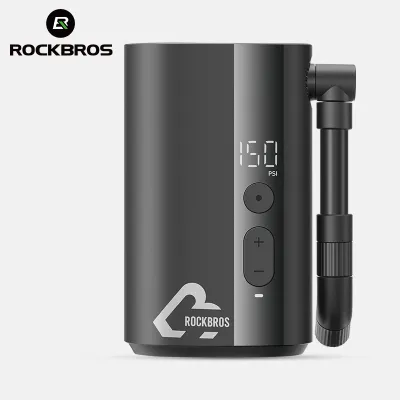
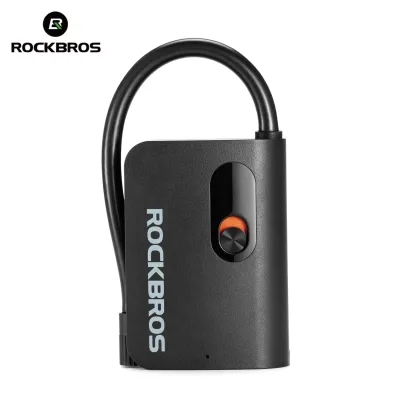
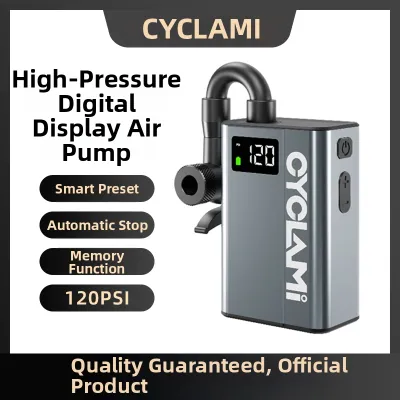
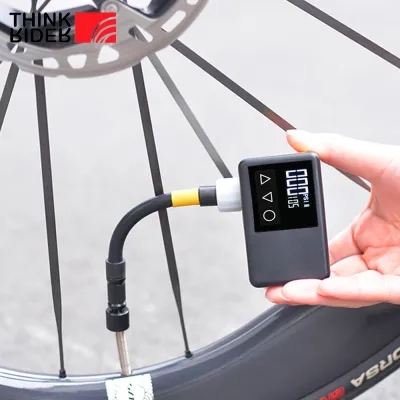
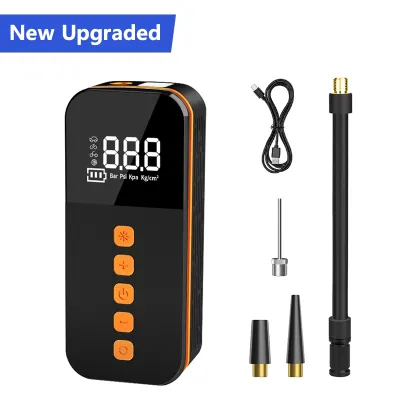
![COD Delivery within 3 days [Free Shipping] Wireless Electric Tire Inflator 150PSI Car Air Pump High Precision Car Tire Inflatable Pump for Car Motorcycle Bike Ball](https://img.lazcdn.com/g/p/eb73194efd4539b83b00513fd2211315.jpg_400x400q80.jpg_.webp)
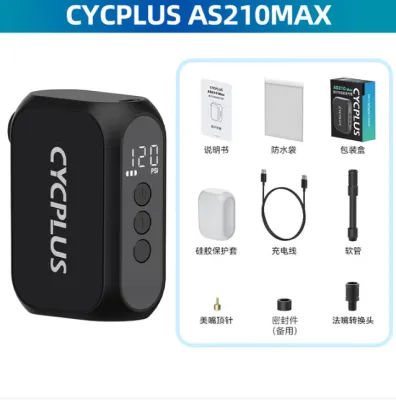
Prices are valid at publication and may change. Please refer to the product page for the latest price.
An automatic shut-off function is the most critical safety feature to look for. Sports balls and bicycle tires have strict pressure limits, and over-inflation can easily rupture internal bladders or blow tires off their rims. A reliable pump allows you to preset your target pressure, automatically stopping the motor the moment that threshold is reached.
Nozzle compatibility is another non-negotiable factor. A versatile pump must include a secure, threaded connection system that accommodates various valve types. Look for packages that bundle standard ball needles with both Schrader and Presta valve adapters to ensure you can transition seamlessly between sports gear and different bicycle tubes.
Finally, you must evaluate the balance between battery capacity and physical portability. A larger battery provides longer runtime and higher torque but adds weight and bulk to your gear. For active users in the Philippines, finding a lightweight unit that utilizes universal USB-C charging is highly recommended, as it allows you to recharge using common power banks or phone chargers while on the go.
Key Specifications to Check Before Buying
Before finalizing any purchase on an online marketplace, you must carefully analyze the technical specifications provided on the product label. Manufacturers often highlight maximum performance figures, but you need to understand how these metrics translate to real-world sports and cycling applications.

Maximum Pressure (PSI/Bar)
Pressure requirements vary drastically across different types of inflatable equipment. Sports balls operate at relatively low pressures, typically ranging from 4 to 12 PSI. In contrast, bicycle tires demand much higher pressures, with mountain bike tires requiring 30 to 50 PSI and road bike tires often needing 80 to 120 PSI.
When evaluating a mini electric pump, ensure its maximum rated pressure safely exceeds your highest requirement. If you ride a road bike that requires 100 PSI, a pump rated for a maximum of 120 PSI or 150 PSI is necessary. Operating a pump near its absolute physical limit causes the motor to strain, which generates excessive heat and drains the battery rapidly.
Battery Capacity and Charging
Most portable pumps utilize rechargeable lithium-ion batteries, with capacities typically measured in milliampere-hours (mAh). While a higher mAh rating generally indicates a longer runtime, you must also consider how the local climate affects battery performance.
High ambient temperatures and humidity in the Philippines can accelerate battery self-discharge and degradation. Look for pumps equipped with certified battery management systems that protect against overcharging, deep discharging, and overheating. A USB-C charging port is highly advantageous, as it matches the modern charging standard used by most mobile devices and portable power banks.
Airflow Rate (L/min)
Airflow rate, measured in liters per minute (L/min), dictates how quickly the pump can fill a given volume. A higher airflow rate means faster inflation times, which is particularly beneficial when seating a tubeless bicycle tire or inflating multiple sports balls in rapid succession.
However, a higher airflow rate requires a larger motor and more power, which directly increases the size and weight of the device. For a truly portable mini pump, an airflow rate between 10 and 20 L/min represents an excellent compromise, offering reasonable inflation speeds without sacrificing pocket-friendly portability.
Matching the Pump to Your Inflation Needs
Your primary activity should dictate the specific design and capabilities of the pump you choose. A cyclist navigating long mountain passes has very different equipment priorities than a physical education teacher or sports coach managing dozens of game balls.
Sports Balls (Basketballs, Volleyballs, Footballs)
Inflating sports balls requires high precision at low pressures. Because a variance of just 1 PSI can significantly alter the bounce and feel of a basketball or volleyball, you should look for a pump that features a dedicated low-pressure mode with adjustments in 0.5 PSI increments.
Additionally, the physical connection to the ball must be secure. A threaded hose adapter that tightly holds the ball needle is superior to press-fit connectors, which can leak air or bend the needle during operation. Always ensure the needle is inserted straight to prevent damaging the delicate rubber valve core of the ball.
Bicycle Tires (Schrader and Presta Valves)
Bicycle riders must pay close attention to valve compatibility. Most utility and mountain bikes use wider Schrader valves, while high-performance road and gravel bikes use slimmer Presta valves. Your chosen pump must include reliable adapters for both.
Because bicycle tires contain a much larger volume of air than sports balls, the pump’s motor will run continuously for longer periods. Ensure the pump’s hose is constructed from durable, heat-resistant braided nylon rather than cheap, flexible plastic, as the air exiting the pump can become extremely hot during high-pressure inflation.
Design Trade-offs
If your primary goal is to carry the pump in a jersey pocket or a small saddlebag during long rides, prioritize ultra-compact, lightweight designs weighing under 200 grams. These pocket-sized units are perfect for emergency top-ups but may only have enough battery capacity to inflate one or two tires fully.
If you need a utility tool for home use, team sports practices, or multi-day cycling trips, a slightly larger handheld unit weighing 400 to 500 grams is more practical. These larger models feature robust motors, superior heat dissipation, and larger batteries capable of handling multiple full inflations on a single charge.
Practical Features for Everyday Use
Beyond the raw technical specifications, several practical design elements can greatly improve the usability, safety, and longevity of your mini electric pump during daily operation.
Digital Display and Auto Shut-Off
A clear, easy-to-read digital display is invaluable when operating outdoors. Look for high-contrast screens that remain visible under direct tropical sunlight, allowing you to monitor real-time pressure readings and battery levels clearly.
The integration of a digital sensor with an automatic shut-off mechanism ensures the pump stops precisely at your pre-selected target. This automation eliminates the guesswork associated with manual pressure gauges and prevents the motor from running unnecessarily, preserving battery life and reducing mechanical wear.
Heat Management and Duty Cycle
Compressing air naturally generates heat, and this physical reality is amplified in warm, tropical environments. A quality mini pump must feature adequate ventilation slots and internal heat sinks to dissipate thermal energy during operation.
Always check the manufacturer’s specified duty cycle, which outlines the maximum continuous run time before the unit requires a cooling period. A typical mini pump may require a 5-to-10-minute rest after 8 minutes of continuous operation. Adhering to these guidelines prevents the internal motor components from melting or degrading prematurely.
Ergonomics and Extras
A comfortable, non-slip exterior grip is essential when handling a pump that may vibrate or become warm during use. Matte finishes or textured rubber sleeves help you maintain a secure hold, even if your hands are sweaty from riding or playing sports.
Additionally, a built-in LED flashlight is a highly practical emergency feature. If you suffer a flat tire along an unlit provincial road at dusk, a built-in light source allows you to locate the valve, inspect your tire tread for debris, and complete the inflation process safely without needing to hold a separate flashlight.
Building Your Shortlist on E-Commerce Platforms
Because specific product availability changes rapidly, the most effective way to buy a mini electric pump is to use a structured evaluation process on local online marketplaces. Budgeting between ₱1,500 and ₱3,500 will generally position you in the sweet spot for a reliable, feature-rich mid-range unit.
Filtering by Verified Specs
Begin your search by using specific technical keywords rather than generic terms. Search for phrases like “rechargeable smart tire inflator” or “portable electric ball pump” to bypass low-quality, non-regulated novelty items.
Use the platform’s search filters to narrow down products that explicitly list their maximum PSI ratings, battery capacities, and included accessories. Avoid listings that fail to provide clear technical specifications in their product descriptions, as these are often unbranded items with unverified safety standards.
Evaluating User Reviews
Customer feedback is an invaluable resource for verifying real-world performance. Look specifically for reviews written by local buyers in the Philippines, as they can provide insights into how the pump performs in hot, humid weather.
Pay close attention to comments regarding actual inflation times, battery longevity over several months of use, and the durability of the hose connectors. Be skeptical of overly generic, highly positive reviews; instead, look for detailed feedback that discusses practical limitations, such as how warm the unit gets during use or how noisy the motor is.
Checking Warranty and Return Policies
Electronic devices containing lithium-ion batteries are sensitive to manufacturing defects and shipping damage. To protect your investment, always purchase from official brand stores or authorized local distributors on your chosen ecommerce platform.
Verify that the seller offers a clear warranty policy, ideally covering electronic and battery defects for at least six months. Avoid cross-border sellers who do not offer a straightforward local return process, as shipping a defective battery-powered device back internationally can be extremely difficult and expensive.
Frequently Asked Questions (FAQ)
Can a mini electric pump inflate a completely flat car tire?
While some high-pressure mini electric pumps can technically add a few PSI to a car tire in an emergency, they are not designed for this task. Car tires require an immense volume of air compared to bicycle tires and sports balls.
Attempting to inflate a completely flat car tire with a mini pump will run the small motor continuously for an extended period. This extreme workload will quickly exceed the pump’s duty cycle, causing the unit to overheat, drain its battery completely, and potentially suffer permanent motor damage.
How do I maintain the battery life of my electric pump?
To maximize the lifespan of the internal lithium-ion battery, you must store and charge the device correctly. Avoid leaving the pump inside a parked car or under direct sunlight, as extreme tropical heat can cause rapid battery degradation or safety hazards.
If you store the pump for extended periods without use, do not leave the battery completely empty or fully charged. Storing the device at approximately 50% to 80% capacity and performing a top-up charge every three to six months will help maintain battery health and prevent deep-discharge failure.
Why does my pump stop before reaching the target pressure?
If your pump shuts off prematurely, it is usually due to one of three common issues. First, many modern pumps feature built-in thermal protection sensors that automatically shut down the motor if the internal temperature rises too high, protecting the electronics from melting.
Second, check for air leaks at the hose connection or valve adapter. If air is escaping, the sensor may detect a pressure drop or struggle to register steady progress, causing an error shutdown. Finally, a low battery state can cause voltage sag under heavy motor loads, triggering the pump’s low-voltage protection to shut the unit down early.
Community discussion
Share your experience or ask a question. Comments are reviewed before publication.