
Selecting the right basketball requires matching the ball’s outer material to the specific surface where you play. In the Philippines, where basketball is played on everything from polished indoor hardwood to rough, concrete barangay courts, choosing the wrong cover material can quickly ruin an expensive ball. Molten offers a wide range of basketballs, but their performance and lifespan depend heavily on the court environment. By understanding how different materials interact with various playing surfaces, you can select a ball that maintains its grip, bounce, and structural integrity over time.
Match the Ball Material to Your Court Surface
The outer cover of a basketball is the first line of defense against wear and the primary point of contact for your hands. Molten basketballs generally feature one of three cover materials: genuine leather, composite (synthetic) leather, or rubber. Each material is engineered to perform under specific conditions, and using them on the wrong surface will dramatically shorten their lifespan.
Genuine leather is the traditional standard for professional indoor play. It is highly porous, absorbing moisture and sweat to provide a reliable grip as it is broken in. However, this natural porosity makes it highly vulnerable to rough surfaces, dirt, and moisture, which can quickly dry out and crack the leather.
Products mentioned in this guide
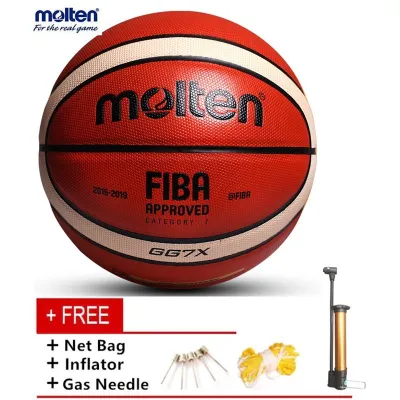
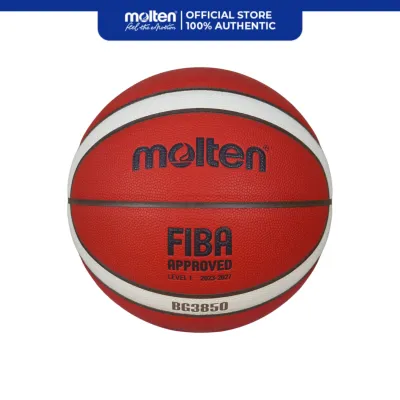
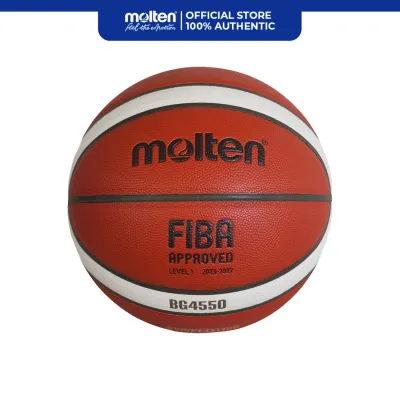
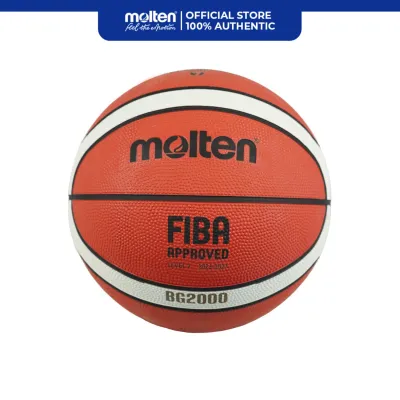
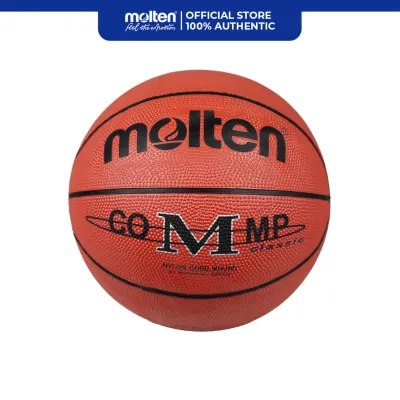
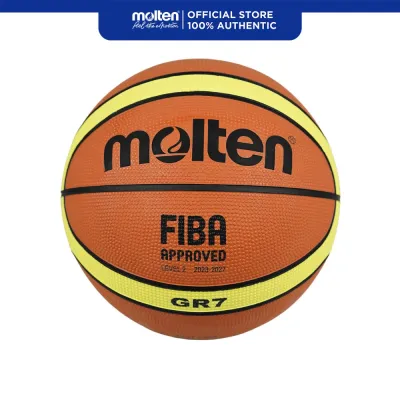
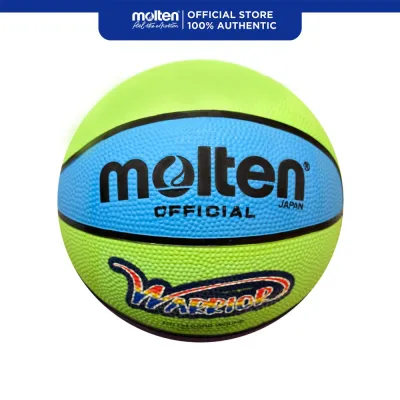
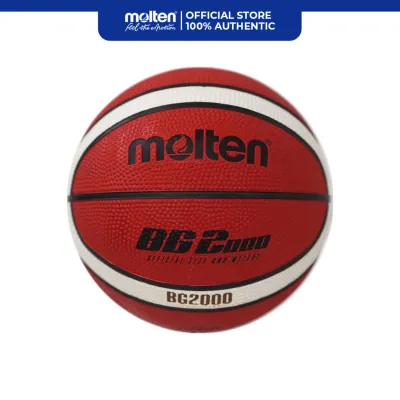
Prices are valid at publication and may change. Please refer to the product page for the latest price.
Composite leather, often made from polyurethane, mimics the feel of genuine leather but offers enhanced durability and moisture resistance. Some composite covers are designed strictly for indoor use, while others are reinforced to handle outdoor play. This material provides a consistent grip right out of the box without requiring a lengthy break-in period.
Rubber is the most resilient and cost-effective option available. It is highly resistant to abrasion, moisture, and concrete dust, making it the standard choice for outdoor courts. While rubber does not offer the soft, premium feel of leather or high-end composites, its rugged texture ensures a reliable grip on rough, dusty surfaces.
To prevent premature wear, always check the manufacturer’s labels and packaging tags before purchasing. Molten clearly labels its basketballs with designations such as “Indoor Use Only,” “Indoor/Outdoor,” or “All-Court.” Verifying these specifications ensures you do not accidentally expose a delicate indoor ball to abrasive outdoor elements.
Select a Molten Basketball for Indoor Hardwood Courts
Indoor hardwood courts offer a controlled environment with minimal debris, allowing for the use of high-performance materials that prioritize grip and tactile feel over sheer durability. For these polished surfaces, genuine leather and premium composite leather are the recommended choices. These materials are engineered to absorb moisture from players’ hands, preventing the ball from becoming slippery during intense games.

If you choose a genuine leather Molten basketball, be prepared for an initial break-in period. Unlike synthetic materials, genuine leather feels stiff and somewhat slippery when brand new. It requires consistent use, allowing the natural oils from your hands and repeated physical contact to soften the fibers and develop a deep, personalized grip.
Premium composite leather balls designed for indoor play offer a similar high-traction feel without the wait. They utilize advanced surface textures and sweat-wicking technologies to maintain a secure grip even when the court becomes humid. These balls are excellent for competitive league play where immediate, reliable performance is required.
However, using an indoor-only ball on concrete or asphalt will cause immediate and irreversible damage. The abrasive nature of outdoor courts acts like sandpaper, scraping away the soft outer layer and ruining the pebble pattern within minutes. To protect your investment, reserve these premium balls strictly for clean, indoor hardwood or high-quality synthetic courts.
Pick a Durable Molten Basketball for Outdoor Concrete
Outdoor courts in local neighborhoods and parks present a harsh environment for basketballs. Concrete, asphalt, and dirt quickly wear down soft materials, while tropical heat and humidity can affect the ball’s air retention and outer cover. For these rugged settings, heavy-duty rubber or specialized outdoor composite materials are essential.
Rubber basketballs are highly resilient against the scraping and friction of concrete surfaces. They do not tear or peel when scraped against the ground or the metal edges of outdoor rims. Additionally, rubber is highly water-resistant, meaning it will not absorb moisture or become waterlogged if played on damp outdoor courts.
When selecting an outdoor ball, look for designs featuring deeper channels and aggressive pebble patterns. As the outer layer of the ball gradually wears down from friction, these deep grooves help maintain handling and control. The pronounced texture ensures that dust and dirt on the court do not completely compromise your grip during dribbling and shooting.
Before finalizing your choice, check the product specifications for reinforced carcass structures. Outdoor-specific Molten balls often feature extra nylon windings or specialized inner bladders designed to retain shape and air pressure despite repeated impacts on hard concrete. This structural reinforcement prevents the ball from developing lumps or losing its symmetrical bounce.
Choose a Versatile Molten Ball for Multi-Surface Play
Many players split their time between indoor gymnasiums and outdoor community courts, making a single, versatile basketball a practical choice. For this multi-surface lifestyle, mid-tier composite leather balls offer a balanced compromise. These balls are engineered to provide a soft, leather-like feel indoors while retaining enough durability to withstand occasional outdoor use.
While multi-surface composite balls are highly convenient, they do involve inherent trade-offs. They will not offer the ultra-premium, moisture-absorbing grip of a dedicated indoor leather ball, nor will they match the extreme abrasion resistance of a heavy-duty rubber ball. Over time, frequent outdoor use will inevitably accelerate the wear of a multi-surface composite ball, reducing its indoor performance.
If you play on both surfaces regularly, consider establishing a rotation plan to maximize the lifespan of your gear. You can use a dedicated, budget-friendly rubber ball (often available under ₱1,000) for daily outdoor practice and save a mid-tier composite ball for indoor games and organized league play. This strategy ensures you always have the right tool for the court without prematurely wearing out a more expensive ball.
Alternatively, if you prefer using a single ball, monitor its surface condition closely. Once the pebble pattern begins to smooth out or the outer seams start to lift, transition that ball to exclusive outdoor use and invest in a new one for your indoor sessions. This gradual transition helps you get the maximum value out of every purchase.
Verify Size, Weight, and Grip Before Purchasing
Before purchasing your Molten basketball, it is crucial to verify that its physical specifications match your playing needs and local league standards. Basketballs come in distinct sizes tailored to different age groups and genders. Standard Size 7 is the official size for men and boys aged 15 and older, while Size 6 is used for women, girls aged 12 and older, and boys aged 12 to 14. Choosing the correct size ensures proper skill development and muscle memory.
Proper inflation is equally important for maintaining the ball’s bounce and structural integrity. Check the area around the inflation valve for the manufacturer’s recommended pressure guidelines, typically measured in pounds per square inch (psi) or bar. Over-inflating a ball can stretch the carcass and cause it to warp, while under-inflation leads to a dull, inconsistent bounce that disrupts dribbling.
Finally, take the time to evaluate the tactile feel of the ball in your hands. Molten is known for its distinct 12-panel design, which offers more seams and touchpoints than traditional 8-panel basketballs. Feel the depth of the channels and the texture of the pebbles to ensure they align with your shooting and ball-handling preferences, as a comfortable grip is essential for confidence on the court.
Frequently Asked Questions (FAQ)
How do I break in a new genuine leather Molten basketball?
Breaking in a genuine leather basketball requires patience and regular physical use. The natural fibers of the leather soften over time as they absorb the natural oils from your hands during dribbling and shooting practice. To speed up this process safely, use the ball consistently in dry, indoor environments. Avoid applying artificial chemical conditioners, oils, or leather softeners, as these can permanently damage the synthetic backing, alter the manufacturer’s intended surface texture, and void any product warranties.
Can I use an indoor Molten basketball outside just once?
It is highly discouraged to use an indoor-only basketball on an outdoor court, even for a single session. Abrasive surfaces like concrete and asphalt act like sandpaper, causing immediate micro-tears in genuine leather or soft indoor composite covers. Additionally, outdoor dust quickly fills the fine pores of indoor materials, permanently reducing their grip and making them slippery even after cleaning. To protect your premium indoor equipment, always keep a dedicated, lower-cost outdoor rubber ball in your gear bag for spontaneous outdoor games.

Community discussion
Share your experience or ask a question. Comments are reviewed before publication.