
Selecting the right ounce (oz) weight for your everlast boxing gloves is the most critical decision you will make when setting up a home heavy bag workout. For most adults training at home, the ideal glove weight ranges from 12 oz to 16 oz. Your choice depends directly on your body weight, physical conditioning, and specific fitness goals. Choosing a glove that is too light risks serious hand and wrist injuries, while an excessively heavy glove can lead to early shoulder fatigue and compromised punching form.
In the Philippines, home boxing setups are increasingly popular in garages, covered verandas, and spare rooms. However, the tropical heat and humidity introduce unique challenges for gear maintenance and physical exertion. Finding the perfect balance of protection, weight, and breathability ensures your home workouts remain safe, consistent, and highly effective over the long term.
Why Glove Weight Matters for Heavy Bag Training
In the world of boxing, the size of a glove is measured in ounces rather than traditional small, medium, or large dimensions. This ounce measurement represents the weight of the internal shock-absorbing padding rather than the physical size of the outer shell. A heavier glove contains more layers of protective foam, which directly translates to a thicker barrier between your knuckles and the target.
Products mentioned in this guide
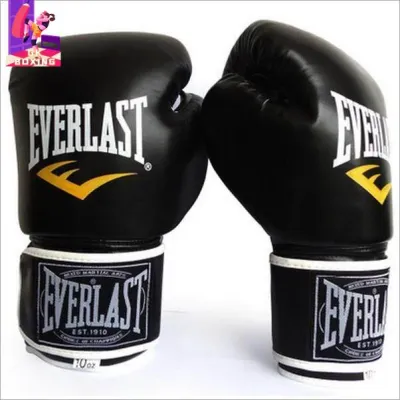
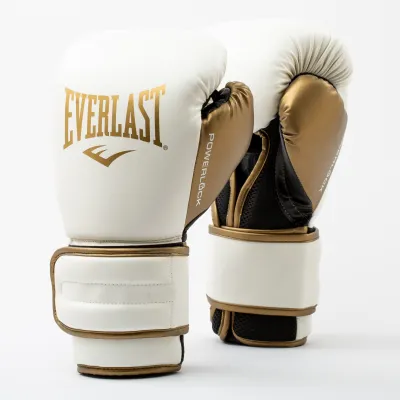
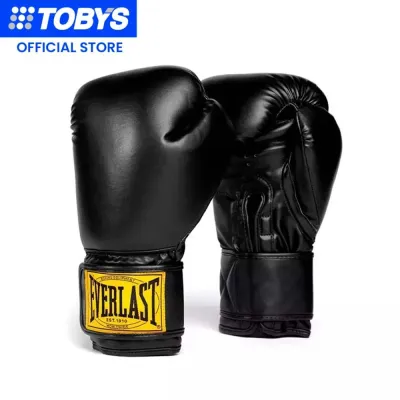
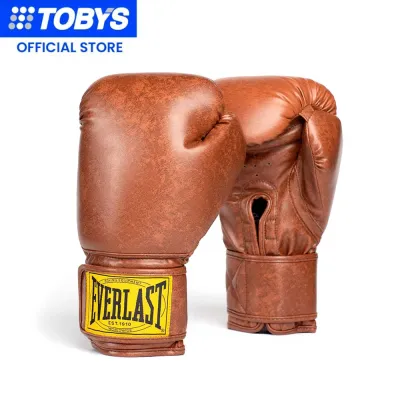

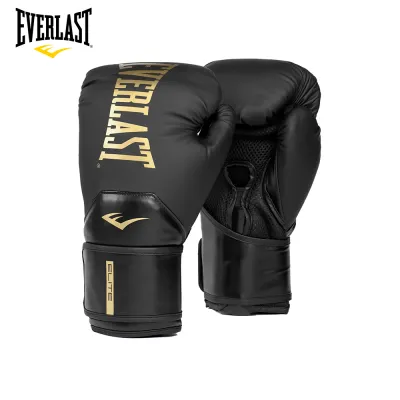
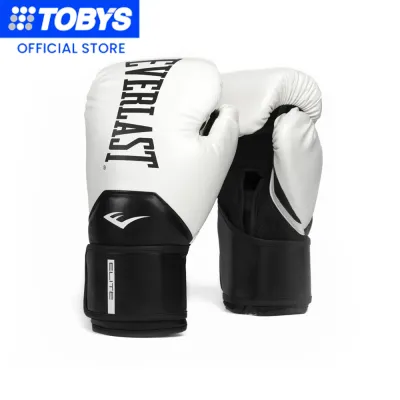
Prices are valid at publication and may change. Please refer to the product page for the latest price.
Training on a heavy bag requires significantly more padding than shadowboxing or light mitt work. A heavy bag is an unyielding, dense object designed to resist impact. Every time you land a punch, a massive amount of kinetic force travels back through the small bones of your hands, your knuckles, and your wrist joints. Without adequate padding, this repetitive high-impact force can quickly lead to bruising, sprains, or micro-fractures.
This dynamic creates a fundamental trade-off between protection and performance. Heavier gloves offer maximum impact absorption and build excellent shoulder endurance, making them perfect for conditioning. Conversely, lighter gloves allow you to throw faster combinations and focus on snappy hand speed, but they offer a much thinner safety margin. Balancing these factors is key to preventing injuries that could sideline your home training routine.
Matching Glove Ounces to Your Body Weight and Training Goals
To find your ideal glove weight, you must first look at your physical profile. Your body weight determines the sheer force behind your punches, meaning heavier individuals naturally require thicker padding to disperse the impact safely.

Standard Weight Chart for Heavy Bag Training
This baseline chart maps your body weight to the recommended glove ounces for heavy bag training. Use these brackets as your starting point before adjusting for your specific goals.
| Body Weight (lbs) | Body Weight (kg) | Recommended Glove Weight (oz) | Primary Use Case |
|---|---|---|---|
| Under 120 lbs | Under 54 kg | 10 oz or 12 oz | Speed, cardio, and light bag work for smaller frames |
| 120 to 150 lbs | 54 to 68 kg | 12 oz or 14 oz | Balanced protection and speed for medium frames |
| 150 to 180 lbs | 68 to 82 kg | 14 oz or 16 oz | Standard heavy bag training and power development |
| Over 180 lbs | Over 82 kg | 16 oz | Maximum hand protection and heavy impact absorption |
Please note that this chart serves as a baseline guideline. If you have particularly large hands, use exceptionally thick hand wraps, or train on an incredibly dense, hard-packed heavy bag, you may need to step up to the next weight bracket to ensure a proper fit and adequate protection.
Adjusting for Specific Training Goals
Once you identify your baseline weight bracket, you can fine-tune your choice based on what you want to achieve during your home workouts.
If your primary focus is building power and upper-body strength, consider stepping up by 2 oz (for example, moving from a 14 oz to a 16 oz glove). The extra weight acts as a form of resistance training, forcing your shoulders, back, and arms to work harder with every punch. Over time, this builds incredible muscular endurance and ensures your hands remain fully protected when you throw maximum-force power strikes.
For those focusing on high-volume cardio and fast-paced interval training (HIIT), staying at the lower end of your recommended weight bracket (such as 12 oz) is often highly effective. Lighter gloves allow you to maintain a rapid, snappy cadence without your shoulders burning out too early in the session. However, you should only opt for lighter gloves if your punching technique is highly consistent and your hands are meticulously wrapped.
If you are a beginner, you should always prioritize protection over speed. Developing proper punching mechanics takes time, and early on, your wrist alignment may not be perfect. Using a heavier, more supportive glove (such as 14 oz or 16 oz) provides a forgiving cushion that minimizes the risk of joint hyperextension or knuckle damage while you build muscle memory and refine your form.
What to Look for in Everlast Boxing Gloves for Home Bag Work
When browsing everlast boxing gloves for a home gym, understanding the structural features of the glove is just as important as choosing the right weight. Different models offer varying levels of support, materials, and ventilation.
Excellent wrist support is non-negotiable for heavy bag work. Look for gloves featuring wide hook-and-loop closure straps or dual-strap systems. These designs allow you to pull the strap tight, locking your wrist in a straight, neutral position. This external reinforcement prevents your wrist from bending or buckling when you land a punch at an awkward angle on a swinging bag.
Pay close attention to the padding distribution inside the glove. High-quality bag gloves utilize multi-layer synthetic foam formulations designed specifically to absorb and disperse high-velocity impacts. Avoid entry-level gloves with soft, pillowy padding that easily bottoms out under pressure. You want a dense, resilient foam layer that maintains its shape and protective qualities even after months of daily pounding.
In the tropical and highly humid climate of the Philippines, heat management is a major factor in gear longevity. Sweat buildup inside a synthetic glove can quickly lead to material rot, stitching failure, and foul odors. Prioritize gloves designed with mesh palm panels (such as Everlast’s Evercool technology) and moisture-wicking inner linings. These features promote continuous airflow, keeping your hands cooler and helping the gloves dry out much faster after a grueling session.
Finally, evaluate the fit of the internal hand compartment. Your hand should feel snug and secure, with your fingertips resting comfortably near the top of the glove without being painfully cramped. If the hand compartment is too loose, your hand will slide around inside upon impact, leading to painful friction burns and knuckle abrasions. Always keep in mind that you will need enough space to accommodate the thickness of your hand wraps.
Protecting Your Hands and Gear in a Home Setup
Setting up a home boxing corner requires a commitment to safety and regular gear maintenance. Equipment alone cannot replace proper technique, and taking care of your hands and gear will prevent painful injuries and save you money on replacement equipment.
The Non-Negotiable Rule of Hand Wraps
No boxing glove, regardless of its price, brand, or built-in wrist support, can replace the structural protection of hand wraps. Always wrap your hands with 180-inch cotton or semi-elastic wraps before putting on your gloves. Hand wraps do not just protect your knuckles; they bind the 27 small bones of your hand and wrist together into a single, cohesive unit. This internal stabilization is what truly prevents micro-fractures, sprains, and tendonitis during heavy bag training.
Proper Drying and Storage
Leaving damp gloves in a gym bag or a dark corner of your home is a recipe for bacterial growth and rapid material degradation, especially in humid environments. After every workout, wipe down the exterior of your gloves with a damp cloth. Insert cedar glove dogs or moisture-absorbing inserts into the hand compartments to draw out sweat. Hang your gloves in a well-ventilated, shaded indoor area. Never leave them in direct tropical sunlight, as extreme UV exposure will dry out, crack, and ruin both synthetic and genuine leather.
Checking Bag Density
Before you begin training, inspect the density of your heavy bag. Over time, the filling inside hanging bags tends to settle at the bottom due to gravity, making the lower third of the bag feel as hard as concrete. If your bag has settled, you may need to take it down and roll it on the floor to redistribute the filling, or step up your glove weight by 2 oz to handle the increased hardness. If you are using a softer, water-filled bag, you will enjoy a more forgiving impact, which can be easier on sensitive joints.
Frequently Asked Questions (FAQ)
Can I use the same Everlast gloves for heavy bag and sparring?
It is highly recommended to keep your heavy bag gloves and sparring gloves separate. Heavy bag gloves are built with dense, highly compressed foam designed to protect your hands from hard surfaces, which can easily bruise or cut a sparring partner. Sparring gloves utilize much softer, thicker foam designed specifically to protect your partner from impact. If budget constraints require you to use a single pair, a versatile 16 oz glove is the standard compromise, but you must regularly check that the padding has not become too hard or compacted for safe sparring.
Do I need hand wraps if my Everlast gloves have good wrist support?
Yes, hand wraps are absolutely mandatory for every heavy bag session. While a glove’s wrist strap provides excellent external support to keep your joint aligned, it cannot prevent the delicate bones inside your hand from shifting and colliding upon impact. Hand wraps compress and secure these internal structures, acting as an essential shield against repetitive strain and acute skeletal injuries.
How do I know if my gloves are too small or too big?
Your gloves are too small if your fingers are painfully bent at the tips, if your thumb is forced into an unnatural position, or if you cannot make a complete fist. They are too big if your hand slides around inside the compartment when you punch, or if the wrist strap cannot be tightened enough to secure the joint. The only accurate way to test the fit is to try the gloves on while wearing your standard hand wraps; the fit should be snug, secure, and comfortable.
Community discussion
Share your experience or ask a question. Comments are reviewed before publication.