
Choosing the right outboard motor size and shaft length is the most critical decision you will make for your inflatable boat. A properly matched motor ensures your boat planes efficiently, handles safely in rough water, and avoids structural damage to the transom. Conversely, an incorrect setup can lead to sluggish performance, excessive fuel consumption, or structural failure. To find the perfect match, you must balance your boat’s physical limits, your typical passenger and gear load, and the precise measurements of your transom.
Understand Your Transom Limits Before Buying a Makina Pang Bangka
Before browsing any online marketplace or local marine shop for a new boat engine, or ‘makina pang bangka’, you must establish the absolute safety boundaries of your vessel. Every production inflatable boat is equipped with a manufacturer’s capacity plate. This is typically a metal plate or a heavy-duty sticker permanently riveted or glued to the inside of the transom or near the stern. This plate contains vital engineering specifications that you cannot afford to ignore, specifically the Maximum Horsepower (Max HP) and the Maximum Motor Weight.
Exceeding these safety limits poses severe structural and operational risks. Inflatable boats rely on a rigid transom joined to flexible PVC or Hypalon tubes. If you install a motor that exceeds the Max HP, the sheer torque can twist the transom, tear the fabric seams, or cause the bow to rise dangerously high, risking a flip. Furthermore, exceeding the Maximum Motor Weight sinks the stern too low in the water. This reduces your freeboard, making the boat highly susceptible to swamping from its own wake when you decelerate, or from trailing waves in choppy water.
Products mentioned in this guide
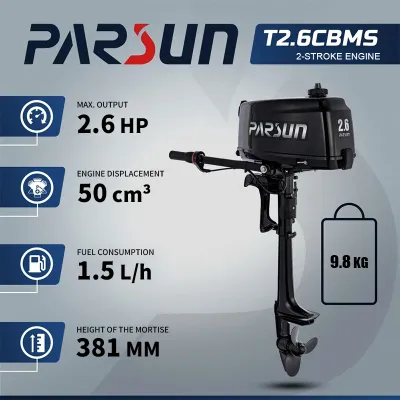
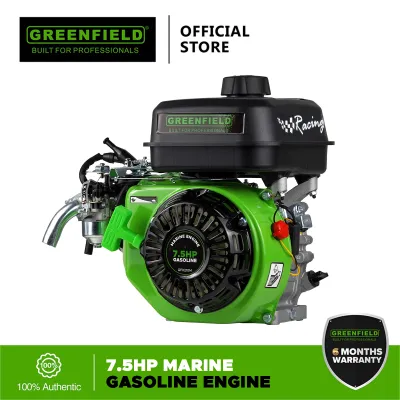
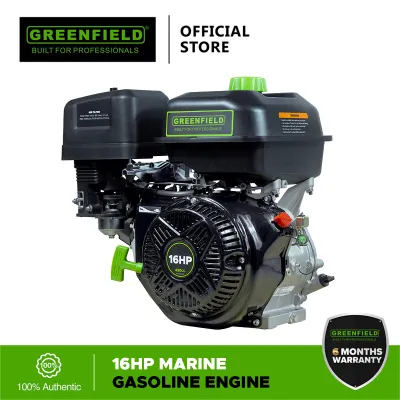
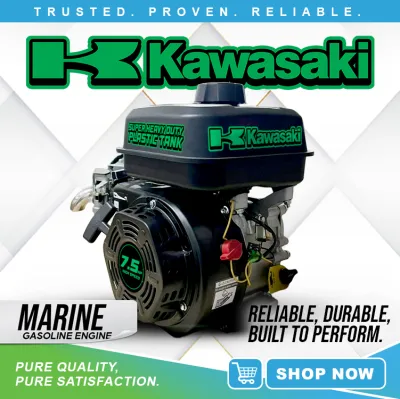
Prices are valid at publication and may change. Please refer to the product page for the latest price.
It is important to understand that the Max HP listed on the capacity plate is a strict structural ceiling, not a target you must reach. For most recreational applications, choosing a motor that delivers 70% to 85% of the maximum rated horsepower provides the ideal balance. This setup ensures you have ample power to plane while reducing stress on the transom seams, lowering fuel consumption, and keeping the overall stern weight within a highly safe margin.
Determine the Ideal Horsepower for Your Boating Needs
Selecting the right horsepower within your boat’s safe limits requires a realistic assessment of how you plan to use the vessel. The ideal power output depends heavily on the total weight you intend to carry, the distances you need to travel, and the typical water conditions you will encounter. A motor that performs beautifully with a single pilot on a calm lake will struggle significantly when loaded with a family and heavy gear in coastal waters.

Environmental factors are particularly crucial when operating in tropical regions like the Philippines. Coastal areas often present strong tidal currents, sudden wind shifts (such as the seasonal ‘habagat’ and ‘amihan’ winds), and choppy surface conditions. Pushing against a strong current or navigating through open-water swells requires sufficient reserve power to maintain steerage and keep the bow from burying into waves. Underpowering your boat in these environments can leave you stranded or unable to maneuver safely out of the path of larger vessels.
While it might be tempting to buy the largest motor your transom allows, maxing out your horsepower often yields diminishing returns. Larger engines are significantly heavier and consume more fuel. The added weight at the stern can alter the boat’s center of gravity, requiring more power just to overcome the drag of a sunken stern. A mid-range motor often provides a much smoother ride, better fuel economy, and easier manual handling when launching or beaching the boat.
Matching HP to Passenger and Gear Load
To determine your power requirements, you must calculate the total rigged weight of your setup. This calculation includes the dry weight of the inflatable boat hull, the wet weight of the motor (including oil and gear lube), the fuel tank and fuel, the starting battery (if using an electric start), safety gear, anchors, and the combined weight of all passengers and cargo.
As a general baseline, you can categorize typical inflatable boat setups by their length and common horsepower ranges:
- Small Tenders (2.0 to 2.7 meters): These highly portable boats are typically paired with 2 to 6 HP motors. They are designed for short-distance transport, slow trolling, or serving as yacht tenders, carrying 1 to 2 passengers at displacement speeds.
- Mid-Sized Inflatables (3.0 to 3.6 meters): These versatile boats are commonly matched with 8 to 15 HP motors. This power range is sufficient to get the boat up on a plane with 2 to 3 adults and light gear, making them ideal for coastal fishing or island-hopping.
- Large Inflatables and RIBs (3.8 to 4.5+ meters): These robust vessels are usually powered by 20 to 40+ HP motors. They are built to carry heavy loads, dive gear, or multiple passengers over long distances in open water, easily maintaining planing speeds even in moderate chop.
Always cross-reference these general baselines with your specific boat manufacturer’s capacity plate, as structural designs and tube diameters vary widely between brands.
Adjusting for Water Conditions and Activities
The style of your inflatable boat’s hull plays a massive role in how efficiently it translates engine horsepower into forward speed. Flat-bottom inflatables, such as those with simple slat floors or flat high-pressure air decks, experience high hydrodynamic drag and tend to slide or slip during sharp turns. These boats are best suited for lower-powered engines and calm, sheltered waters, as they cannot safely handle the speeds generated by larger motors.
In contrast, inflatable boats featuring an inflatable V-keel or Rigid Inflatable Boats (RIBs) with solid fiberglass or aluminum hulls are designed to cut through waves and track straight. These designs handle higher horsepower ratings exceptionally well. The V-shape slices through choppy coastal waters, reducing the slamming impact on passengers and allowing the boat to maintain a stable plane in rougher conditions. If you plan to navigate open bays or coastal channels, investing in a V-hull design paired with a mid-to-high range motor is essential for safety and comfort.
Measure Transom Height to Select the Correct Shaft Length
Selecting the correct shaft length is just as important as choosing the right horsepower. If the motor’s shaft is too short or too long, the propeller will not operate at the correct depth, leading to severe performance issues and potential engine damage. In the marine industry, outboard motor shaft length is defined as the distance from the inside of the transom mounting bracket clamp down to the anti-ventilation plate (the flat horizontal plate located directly above the propeller).
To determine the shaft length your inflatable boat requires, you must take an accurate physical measurement of your boat’s transom height. Follow these steps using a standard tape measure:
- Place the inflatable boat on a level surface, trailer, or stand, ensuring the hull is completely level.
- Locate the exact horizontal center of the transom top edge.
- Measure in a straight vertical line from the very top edge of the transom down to the lowest point of the hull keel directly below it.
Once you have this measurement, you can match it to the two primary industry-standard shaft lengths:
- Short Shaft: Designed for transoms measuring approximately 15 inches (38 cm).
- Long Shaft: Designed for transoms measuring approximately 20 inches (51 cm).
Using a mismatched shaft length carries serious consequences. If the shaft is too short, the propeller sits too close to the water’s surface, causing it to draw in air from the surface—a phenomenon known as ventilation. This causes a sudden loss of thrust, engine over-revving, and deprives the engine’s water pump of cooling water, which can quickly lead to catastrophic overheating. If the shaft is too long, the propeller sits too deep in the water, creating excessive hydrodynamic drag. This reduces your top speed, dramatically increases fuel consumption, causes the bow to plow, and increases the risk of striking shallow coral reefs, sandbars, or submerged debris.
If your boat’s transom height falls between standard sizes (for example, 17 inches), you may need to install an adjustable transom bracket or use specialized marine mounting blocks to raise the motor to the correct height, ensuring the anti-ventilation plate aligns perfectly with the bottom of the hull.
Evaluate Motor Weight and Fuel Type Constraints
When matching an outboard motor to an inflatable boat, you must evaluate the physical characteristics of different engine types. The three main options available—two-stroke, four-stroke, and electric outboards—each present distinct trade-offs in terms of weight, maintenance, and portability.
Two-stroke outboard motors are highly favored for portable inflatable boats due to their exceptional power-to-weight ratio. They are mechanically simple, lightweight, and easy to transport in the trunk of a car because they can be laid down in almost any position without risking oil leaks. However, they require you to manually mix two-stroke oil with gasoline, run louder, and emit more smoke than modern alternatives.
Four-stroke outboard motors are exceptionally quiet, highly fuel-efficient, and environmentally clean. However, they are significantly heavier than two-stroke motors of equivalent horsepower. This weight difference is a critical safety consideration; a heavy four-stroke motor might fall within your boat’s Max HP limit but completely exceed its Maximum Motor Weight limit. Additionally, four-stroke engines must be stored and transported only on specific sides to prevent engine oil from draining into the cylinders, making them less convenient for boaters who frequently pack down their gear.
Electric outboards and integrated battery systems have emerged as an excellent alternative for small tenders and calm-water fishing. They are virtually silent, require zero fuel storage, and have extremely low maintenance requirements. While the motor units themselves are lightweight, you must factor the weight of the deep-cycle marine batteries or lithium power packs into your boat’s overall capacity. Electric setups are ideal for short-range trips, but users must carefully monitor battery levels to ensure they have sufficient range to return to shore safely.
If you frequently boat solo or transport your inflatable on a car roof, physical handling is a major constraint. Lifting, mounting, and removing a heavy motor from a wet transom while standing on a slippery shoreline is physically demanding and carries a risk of injury. In these scenarios, prioritizing a lighter two-stroke motor or a modular electric system is often much more practical than choosing a heavier, high-horsepower four-stroke.
Verify the Setup and Perform a Safe Water Test
Before launching your motorized inflatable boat for a full day on the water, you must perform a series of rigorous physical checks on land, followed by a careful on-water test. Equipment performance cannot replace sound judgment and preparation, so verifying your setup is essential to prevent accidents.
Begin with these critical pre-launch physical checks:
- Transom Clamps: Ensure the motor's transom clamps are hand-tightened completely. It is highly recommended to secure the motor to the transom using a safety cable or chain rated for marine use.
- Safety Lanyard: Verify that the emergency engine shut-off lanyard (kill switch) is functioning correctly. Always clip this lanyard securely to your life jacket or wrist before starting the engine.
- Steering and Tilt: Check the steering pivot tension to ensure smooth movement, and verify that the motor's tilt-lock mechanism engages and disengages cleanly.
- Cooling Intakes: Inspect the lower unit to ensure the cooling water intakes are completely free of weeds, sand, or plastic debris.
Once on the water, conduct a progressive test run to verify the motor’s mounting height and trim angle. Start at idle speed to ensure the engine is pumping cooling water, indicated by a steady stream of water exiting the indicator port. Slowly accelerate and observe the boat’s transition to a plane.
While planing, look over the transom to check the position of the anti-ventilation plate relative to the water surface. The plate should sit roughly level with, or up to one inch below, the surface of the water flowing out from under the transom. If the bow of the boat rises excessively before settling onto a plane, or if the boat plows its nose into the water, you must adjust the motor’s trim angle by moving the tilt pin closer to or further from the transom.
You must immediately stop the test and return to shore if you observe any of these critical warning signs:
- The propeller regularly sucks in air (ventilates) during gentle turns or acceleration.
- The engine's cooling water stream stops or becomes intermittent, indicating potential overheating.
- The transom flexes or bows excessively under acceleration, which indicates structural weakness or overloading.
- The boat pulls violently to one side, indicating a misalignment or severe trim imbalance.
Frequently Asked Questions (FAQ)
Can I use a long-shaft motor on a short-shaft inflatable boat?
While it is physically possible to clamp a long-shaft motor onto a short-shaft transom, doing so is highly discouraged. The extra five inches of shaft length places the propeller and gearcase much too deep in the water, creating massive hydrodynamic drag. This drag severely reduces your top speed, increases fuel consumption, and subjects the transom to excessive leverage and bending stress. It also significantly increases the risk of striking shallow reefs or underwater obstacles, which can damage the motor’s lower unit. If you must use a long-shaft motor, you should install a heavy-duty adjustable transom riser bracket to elevate the engine to its correct running height.
Do I need to register my inflatable boat and motor in the Philippines?
Yes, maritime regulations in the Philippines generally require the registration of all motorized watercraft, including inflatable boats and RIBs equipped with an outboard motor. Registration is overseen by the Maritime Industry Authority (MARINA), and enforcement is conducted in coordination with the Philippine Coast Guard (PCG) and local government units. The specific requirements, fees, and safety equipment mandates can vary depending on the overall length of the boat, the horsepower of the motor, and whether the vessel is used for private recreation or commercial purposes. It is highly recommended to visit your local MARINA office or Coast Guard station to obtain the latest compliance guidelines before operating your motorized boat.
What is the best maintenance routine for an outboard motor used in saltwater?
Saltwater is highly corrosive and can quickly degrade marine engines if proper care is neglected. After every use in saltwater, you must thoroughly flush the engine’s internal cooling passages with fresh water using a flushing attachment (muffs) or a dedicated flush port. Wash down the entire exterior of the motor with fresh water to remove salt deposits, and dry it thoroughly. Apply a high-quality anti-corrosion marine spray to the moving parts under the engine cowl, and regularly inspect the sacrificial zinc anodes, replacing them when they are more than half dissolved. Always refer to your motor manufacturer’s manual for specific maintenance schedules and oil change intervals.
Community discussion
Share your experience or ask a question. Comments are reviewed before publication.