
Selecting the correct personal flotation device (PFD) is the most critical decision you will make before heading out onto the open water. Whether you are navigating tidal currents, paddling along a calm river, or exploring marine sanctuaries, your safety relies on matching your gear to your sport. A high-quality patgear lifevest offers different levels of buoyancy, mobility, and features tailored to distinct environments. Choosing the wrong model can restrict movement, cause rapid fatigue, or fail to provide adequate flotation in an emergency.
To find the best option, evaluate your activity’s physical demands, your swimming ability, and the water conditions. A vest designed for kayaking will not perform the same way as an inflatable belt used for stand-up paddleboarding, nor will it serve the same purpose as an adjustable snorkeling vest. Understanding these designs ensures you stay safe and comfortable under the tropical sun.
Understanding Patgear Life Vest Basics and Safety Labels
Before comparing models, you must understand the engineering differences between life jackets and buoyancy aids. A traditional life jacket is designed to turn an unconscious person face-up in the water, keeping their airway clear even if they cannot swim. In contrast, a buoyancy aid is designed for conscious, active swimmers who need light, flexible flotation that does not hinder movement. Most recreational water sports vests fall into the buoyancy aid category, serving as active safety tools rather than passive rescue devices.
Products mentioned in this guide
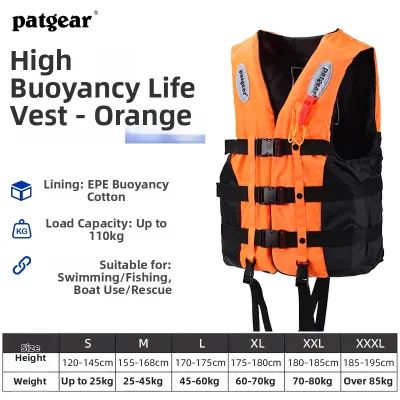
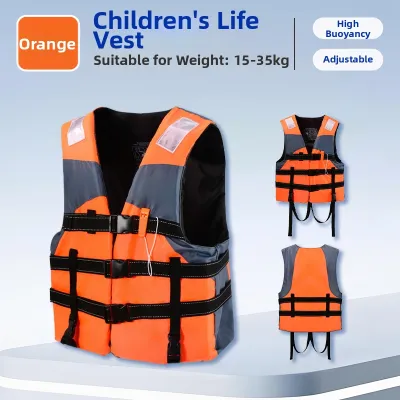
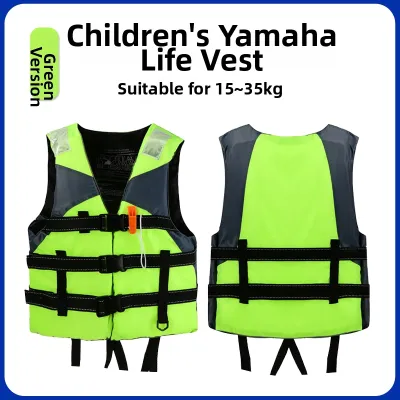
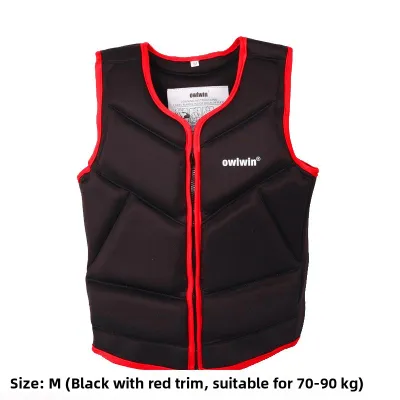
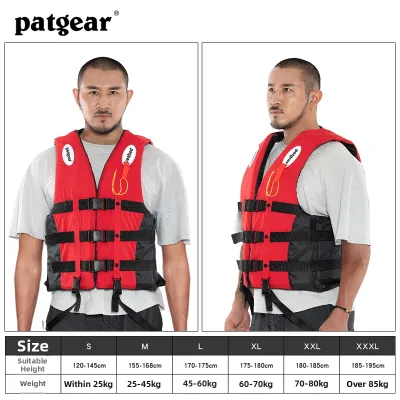
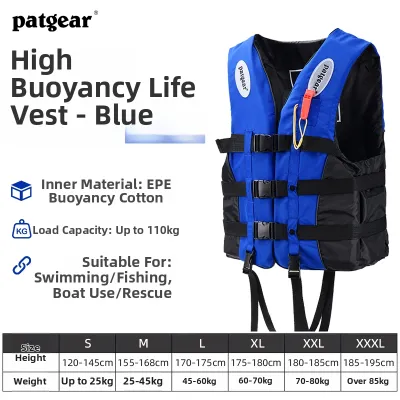
Prices are valid at publication and may change. Please refer to the product page for the latest price.
When inspecting any Patgear vest, always read the manufacturer’s safety label printed on the inside panel. This label contains critical parameters, including buoyancy rating (measured in Newtons), weight capacity, and recommended chest size. A vest that is too large can slip over your head upon impact, while one that is too small will fail to keep your chin above water. Never guess your size based on clothing; use a tape measure to check your chest width and weigh yourself to ensure you fall within specified limits.
In the Philippines, recreational buoyancy aids from reputable brands like Patgear typically fall within broad price bands of ₱1,500 to ₱4,500. When budgeting, remember that equipment cannot replace swimming ability, water safety judgment, or proper training. Before venturing into deep water, be honest about your physical limits and local conditions. Additionally, verify that the vest displays recognized safety certification marks, such as ISO, CE, or local coast guard approvals, confirming the materials have undergone rigorous performance testing.
Choosing a Patgear Lifevest for Kayaking
Kayaking requires a repetitive, continuous paddling motion that places unique demands on your upper body. A bulky life vest will rub against your underarms and shoulders, leading to chafing and early fatigue. When selecting a vest for kayaking, look for a high-back design featuring large armholes and a shorter torso length. This cut ensures the lower portion of the vest does not bunch up or push against your chin when seated, allowing you to maintain a natural paddling posture.

Customizability is crucial for paddlers spending hours on the water. A secure fit is achieved through adjustable shoulder, side, and waist straps. These points allow you to tighten the vest snugly, preventing it from riding up when seated or if you fall into the water. In the Philippines, where tropical weather transitions quickly from intense sun to sudden downpours, these straps also let you adjust the fit over different layers, from thin rash guards to thicker thermal tops.
The warm, humid climate of local waters makes ventilation a key comfort factor. Look for models incorporating mesh lower panels or highly breathable fabrics. This design allows heat and moisture to escape, reducing the risk of overheating. Additionally, choose between front-zip and pull-over styles. Front-zip models are easier to put on and take off, while pull-over styles offer a sleeker profile with fewer snag hazards along the chest.
Selecting the Right Patgear Vest for Paddleboarding (SUP)
Stand-up paddleboarding (SUP) engages your entire body, requiring balance adjustments, core rotation, and a full range of shoulder motion. A heavy or restrictive vest can throw off your center of gravity and make it difficult to climb back onto your board. For this reason, SUP enthusiasts generally prefer low-profile, flexible foam vests or compact inflatable belt packs. These designs minimize bulk around your torso, allowing you to twist, bend, and paddle without feeling constrained.
If choosing between foam and inflatable options, weigh the practical trade-offs. Foam vests provide immediate, inherent buoyancy the moment you hit the water, requiring zero setup or maintenance. In contrast, inflatable vests or belts are compact and run cooler in hot weather, but require active user intervention. You must manually pull a cord to inflate them via a CO2 cartridge, or blow into an oral tube, and regularly inspect and replace the CO2 cylinders to ensure functionality.
Before buying, perform a physical range-of-motion test. Put the vest on, adjust the straps snugly, and simulate your paddling stroke while standing. Pay attention to any rubbing around your ribs or restriction in your shoulders. Remember that a flotation vest is only one part of your safety setup; always use a high-quality board leash to keep your board close. Note that inflatable PFDs are generally unsuitable for weak swimmers, children, or rough-water conditions where immediate flotation is necessary.
Patgear Buoyancy Vests for Snorkeling and Surface Swimming
Snorkeling and surface swimming serve a different purpose than high-speed water sports, and the safety gear reflects this. Snorkeling vests are designed specifically as light buoyancy aids rather than life-saving rescue devices. Their primary function is to help you conserve energy while floating face-down to observe marine life, allowing you to rest on the surface without constantly treading water. Because they are not designed to self-right an unconscious swimmer, they should never be relied upon in high-risk or deep-sea scenarios.
A key feature of a dedicated snorkeling vest is the oral inflation tube. This tube allows you to manually blow air into the vest to increase buoyancy when you want to rest, or deflate it completely when you want to duck-dive to look closely at a reef. This adjustable buoyancy is useful for swimmers of varying confidence levels, but it requires active management. You must ensure the valve is clean, free of salt crystals, and fully functional before entering the water.
To prevent the vest from riding up over your face as you float, look for models equipped with a secure crotch strap or adjustable leg loops. Without these, the upward force of the water will push the vest against your chin, causing discomfort. Additionally, visibility is a paramount safety factor when swimming in open water where motorized boats and local outriggers operate. Always select a vest in high-visibility colors, such as neon yellow or bright orange, to ensure you remain easily visible to boat operators and guides.
Cross-Activity Compatibility: Can One Patgear Vest Do It All?
Many water sports enthusiasts wonder if they can purchase a single, multi-purpose vest to cover all weekend activities. While it is possible to use a standard foam kayaking vest for casual stand-up paddleboarding, you will likely find it somewhat bulky and warm during active paddling. The high-back design and thick foam panels of a kayak vest are optimized for sitting, meaning they may shift awkwardly when standing. However, for a beginner exploring calm, shallow waters, a single high-quality foam buoyancy aid can often serve both activities reasonably well.
Conversely, certain specialized vests should never be crossed over. A snorkeling vest is entirely unsuitable for high-impact, fast-moving, or rough-water sports like kayaking, wakeboarding, or riding personal watercraft. Snorkeling vests lack the structural durability, impact protection, and secure fastening systems required to withstand a high-speed fall or turbulent currents. Using a snorkeling vest in these situations puts you at severe risk, as the vest could easily tear or slip off.
When deciding whether to buy multiple sport-specific vests or a single versatile option, use a simple risk-based framework. If you plan to participate in high-impact or remote activities, invest in a dedicated vest designed specifically for that sport. If you are a casual hobbyist sticking to protected, shallow coastal waters, a versatile, medium-profile foam buoyancy aid is often sufficient. The golden rule of water safety is simple: always match your vest’s certified intended use and buoyancy rating to the highest-risk activity and most challenging water conditions you plan to face.
Frequently Asked Questions (FAQ)
How should a Patgear life vest fit to ensure maximum safety?
To test the fit of your vest, put it on and zip or buckle it completely, then tighten all adjustable straps starting from the waist and moving up to the shoulders. Once secure, pull up firmly on the shoulder straps of the vest. If the vest slides up past your nose, chin, or ears, it is too loose or too large, and you must tighten the straps or try a smaller size. The vest should feel snug and secure against your body, like a firm hug, but must still allow you to breathe deeply and expand your lungs fully without restriction.
How do I clean and maintain my Patgear life vest after use in saltwater?
Saltwater, sand, and sweat can slowly degrade the fabrics, zippers, and flotation foam of your vest over time. After every use, thoroughly rinse the vest inside and out with clean, cool fresh water to remove all salt deposits. Hang the vest to air dry in a well-ventilated, shaded area completely out of direct, harsh sunlight, as ultraviolet rays can weaken synthetic fabrics and cause internal foam to become brittle. Never wash your life vest in a washing machine, dry it in a dryer, or use harsh chemical detergents, bleach, or solvents, as these can permanently damage the flotation materials.
Are inflatable Patgear life vests allowed for all water sports in the Philippines?
Inflatable personal flotation devices are highly convenient, but they are not universally approved or suitable for every water activity in the Philippines. Local maritime authorities and commercial tour operators often prohibit the use of inflatable vests for high-speed sports, personal watercraft activities, white-water rafting, or banana boat rides due to the risk of impact damage or failure to inflate. Additionally, because they require manual activation, inflatable vests are not recommended for weak swimmers, children, or anyone participating in solo activities where they might become unconscious. Always verify the specific safety requirements of your local destination or tour operator before relying solely on an inflatable model.
Community discussion
Share your experience or ask a question. Comments are reviewed before publication.