
Choosing the right pre-charged pneumatic (PCP) airgun filling equipment requires matching your airgun’s specific operating pressure with a source that fits your physical capability, budget, and shooting frequency. Because PCP airguns operate at extremely high pressures—typically between 2,000 and 4,500 pounds per square inch (PSI)—standard inflation tools are completely inadequate. To make an informed decision, you must evaluate the trade-offs between the physical exertion of manual hand pumps, the convenience of high-pressure air tanks, and the self-reliance of dedicated portable compressors.
Understand Your PCP Airgun's Pressure Requirements
Before purchasing any filling accessory, you must determine the exact pressure limits of your airgun. This information is typically stamped directly onto the metal receiver or the air reservoir cylinder itself, and it is always detailed in the manufacturer’s instruction manual. These ratings are usually expressed in either PSI (pounds per square inch) or bar (where 1 bar is approximately 14.5 PSI). Operating pressures vary widely: entry-level models often fill to 2,000 or 3,000 PSI (approx. 138 to 207 bar), while high-performance or regulated models may require fills up to 4,500 PSI (approx. 310 bar).
It is vital to distinguish between the airgun’s maximum fill pressure and its optimal operating pressure. The maximum fill pressure is the absolute limit safety-tested by the manufacturer. Filling beyond this point does not increase power or shot count; instead, it can cause “valve lock,” where the hammer cannot strike the valve open against the extreme internal pressure, rendering the airgun temporarily inoperable.
Products mentioned in this guide
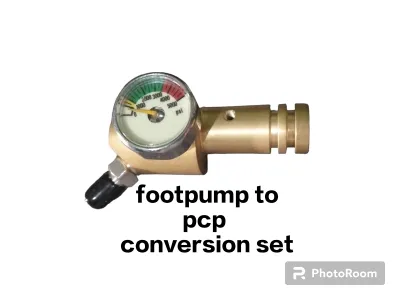
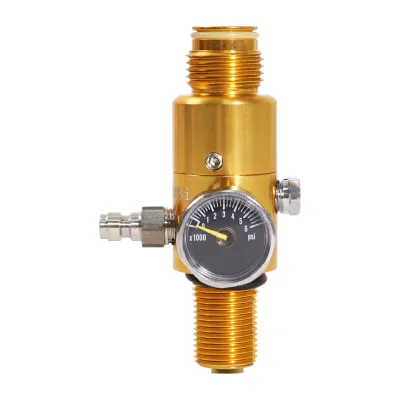
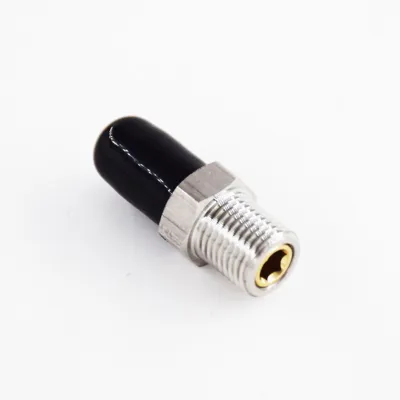
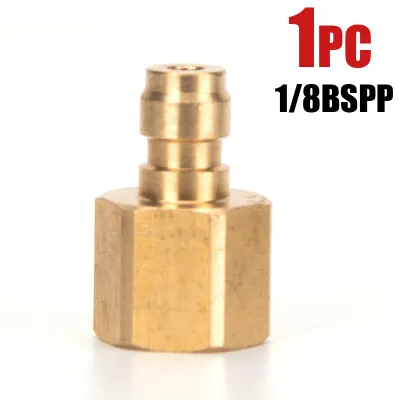
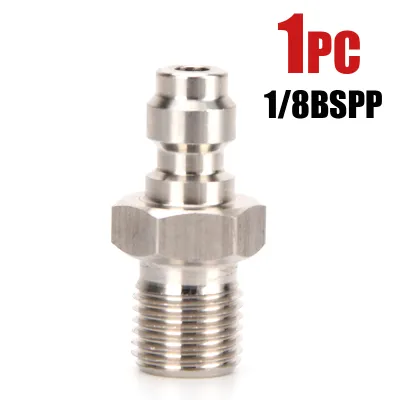
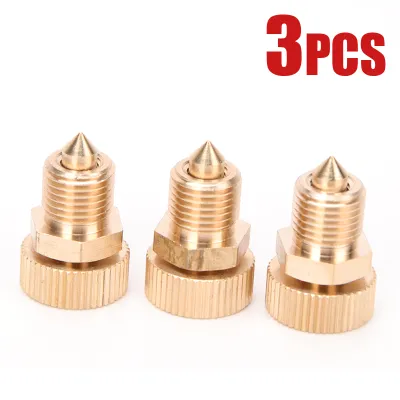
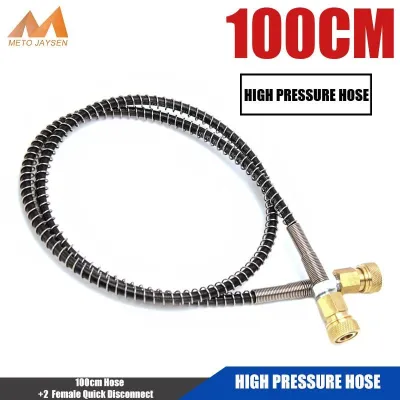
Prices are valid at publication and may change. Please refer to the product page for the latest price.
More importantly, exceeding the manufacturer’s specified pressure limits is extremely dangerous. High-pressure air reservoirs store an immense amount of potential energy. Overpressurizing the cylinder risks structural failure, which can lead to severe physical injury or property damage. Additionally, any evidence of overpressurization or using unapproved filling methods will immediately void your manufacturer’s warranty and may make the airgun unsafe for future use.
Compare the Main Types of PCP Filling Equipment
There are three primary methods for filling a PCP airgun, each offering distinct advantages and operational trade-offs. Understanding these differences allows you to select the system that best aligns with your shooting habits and physical preferences.

High-pressure hand pumps are the most accessible and budget-friendly entry point into the world of PCP airguns. These are specialized three-stage or four-stage manual pumps designed specifically to reach pressures up to 3,000 or 4,500 PSI. They are highly portable, require no electrical power, and allow you to shoot in remote outdoor locations without worrying about battery life or air refills. However, hand pumping is physically demanding. Filling a typical 180cc reservoir from 1,500 PSI to 3,000 PSI can require over a hundred deliberate, full-body strokes. For shooters with physical limitations, or those using large-volume buddy bottles (such as 480cc or 500cc carbon fiber bottles), a hand pump can quickly become exhausting and impractical.
SCUBA or carbon fiber high-pressure air (HPA) tanks offer a fast, effortless, and completely silent filling experience. A carbon fiber tank rated for 4,500 PSI can refill a typical airgun reservoir in a matter of seconds using a simple valve and hose assembly. This method is ideal for shooters who want to spend their time shooting rather than pumping. The primary trade-off is the dependency on external refilling infrastructure. You must have access to a local dive shop, paintball arena, or specialized fire safety facility capable of refilling tanks to these extreme pressures. Additionally, HPA tanks have a high upfront cost and require periodic safety inspections, such as hydrostatic testing every three to five years, to remain certified for legal refills.
Portable high-pressure compressors provide ultimate self-reliance by allowing you to fill your airgun or storage tanks directly at home or in the field. Modern portable compressors often run on standard 220V household electricity or can be connected directly to a 12V car battery. This eliminates the need to visit dive shops or perform manual labor. However, compressors require careful maintenance and operational discipline. You must verify the manufacturer’s specified duty cycles—most portable units cannot run continuously for more than 30 minutes without a cooling break. You must also manage cooling requirements, which may involve water-cooling pumps or active fan systems, and ensure the power source is stable to prevent damage to the compressor’s electric motor.
Evaluate Compatibility and Connection Fittings
Once you select a filling method, you must ensure that the equipment can physically and safely connect to your airgun’s fill port. PCP airguns do not use a single universal connection standard, so verifying compatibility before your first fill is essential to prevent leaks or damaged fittings.
Start by identifying the specific fill port type on your airgun. Many modern airguns utilize a standard male Foster quick-disconnect fitting integrated directly into the reservoir. This is highly convenient, as it snaps directly into the female quick-disconnect coupler found on almost all modern pump and compressor hoses. Other manufacturers utilize proprietary fill probes—metal pins that insert directly into a port on the airgun. These probes must be threaded onto your filling hose, which often requires specific adapters to convert the probe’s threads to a standard quick-disconnect plug.
Check the thread sizes on all adapters and hoses to ensure a secure, airtight match. The most common thread standard for PCP accessories is 1/8-inch BSPP (British Standard Pipe Parallel), but some equipment may use NPT (National Pipe Thread) or metric sizes. Forcing mismatched threads together will strip the metal and create a highly dangerous weak point under pressure. Always use thread sealant or specialized sealing washers (such as Dowty seals) where appropriate, following the manufacturer’s instructions.
The integrity of your connection relies heavily on high-pressure rated O-rings. These small rubber seals prevent air from escaping around fill probes and quick-disconnect fittings. Because they are subjected to extreme friction and pressure, O-rings wear out over time. Inspect them before every shooting session for signs of flattening, cracking, nicks, or dryness. Applying a tiny drop of 100% pure silicone grease (never petroleum-based lubricants, which can detonate under high pressure) will keep the O-rings pliable and ensure a reliable seal.
Factor in Physical Effort, Maintenance, and Budget
Choosing your filling equipment is not just a matter of matching pressure ratings; it also requires a realistic assessment of your physical stamina, maintenance willingness, and financial limits.
Consider the physical effort required for manual pumping. While a hand pump is excellent exercise, the resistance increases dramatically as the pressure inside the airgun’s reservoir climbs. Pumping past 2,500 PSI requires using your entire body weight, keeping your arms straight, and bending at the knees. If you plan to shoot dozens of rounds per session, or if you live in a hot, humid tropical climate where physical exertion quickly leads to fatigue and dehydration, the physical toll of a hand pump may detract from your enjoyment of the sport.
Maintenance requirements and long-term costs also vary significantly between systems. While a hand pump requires occasional rebuilding with new O-rings and silicone grease, a compressor requires regular oil changes (for oil-lubricated models), filter replacements, and careful monitoring of moisture levels. If you choose an HPA tank, you must factor in the ongoing cost of professional refills at a dive shop, along with the travel time and the cost of mandatory hydrostatic testing.
When setting your budget, look beyond the base price of the airgun itself. A complete, functional setup requires budgeting for the filling source and its necessary accessories. For a basic hand pump setup, you may need to allocate ₱3,000 to ₱8,000, which typically includes the pump, a basic hose, and standard fittings. If you opt for a portable compressor or a carbon fiber tank system, your initial investment can easily range from ₱15,000 to ₱35,000 or more. Ensure your budget accounts for essential safety and maintenance accessories, such as high-quality inline moisture filters, replacement desiccant media, and a generous supply of spare high-pressure O-rings.
Safety Checks and Operational Best Practices
Operating high-pressure air equipment carries inherent risks if safety protocols are ignored. Establishing a strict routine of safety checks before, during, and after every fill session is essential to protect yourself and your equipment from harm.
Always wear appropriate, high-impact eye protection when connecting, filling, or disconnecting high-pressure air lines. A failing O-ring or a loose fitting can release a sudden blast of air capable of launching small debris or rubber fragments at high velocities. Keep bystanders and pets at a safe distance during the filling process.
Never attempt to disconnect a fill hose while it is still under pressure. Doing so can cause the hose to whip violently or damage the airgun’s fill port. Every high-pressure pump, tank regulator, and compressor is equipped with a manual bleed valve. Once the airgun’s reservoir reaches the desired pressure, you must open this bleed valve to release the residual air trapped inside the hose. You will hear a sharp hiss as the hose depressurizes. Only after the pressure gauge on your filling device reads zero should you safely remove the fill probe or quick-disconnect fitting from the airgun.
Monitor the filling process continuously and stop immediately if you observe any abnormalities. If you hear a persistent hissing sound indicating a leak, feel excessive heat radiating from a hand pump cylinder, or notice erratic, sudden jumps on the pressure gauge, shut down the compressor or stop pumping immediately. Open the bleed valve to safely depressurize the system before investigating the issue.
Always consult the official manufacturer manuals for both your airgun and your filling equipment to verify specific connection limits, torque values, and operational boundaries. If you encounter conflicting instructions, or if you are unsure about the compatibility of a specific adapter, stop immediately and seek guidance from a qualified airgun technician or the manufacturer’s customer support.
Frequently Asked Questions (FAQ)
Can I use a standard bicycle pump to fill my PCP airgun?
No, you cannot use a standard bicycle pump to fill a PCP airgun. Bicycle pumps are designed for high volume but low pressure, typically maxing out at around 100 to 120 PSI (approx. 7 to 8 bar). PCP airguns require pressures starting at 2,000 PSI (approx. 138 bar) and going up to 4,500 PSI (approx. 310 bar). A bicycle pump cannot physically compress air to these extreme levels, and attempting to connect one to a high-pressure system can result in immediate equipment failure or backpressure forcing air violently out of the pump.
Do I need a moisture filter for my PCP filling equipment?
Yes, an inline moisture filter is highly recommended, especially in humid tropical environments. When air is compressed to high pressures, the moisture naturally suspended in the atmosphere condenses into liquid water. If this moisture enters your airgun’s reservoir, it can cause internal rust, corrosion of steel components, and rapid degradation of delicate internal valves and rubber seals. Using an inline desiccant or molecular sieve filter on your pump or compressor hose traps this moisture, ensuring only clean, dry air enters your airgun.
How often should I replace the O-rings on my fill probe?
You should inspect the O-rings on your fill probe before every single use and replace them at the first sign of wear. Look for flattening of the round profile, visible nicks, cracks, or a dry, brittle texture. If you hear a faint hissing sound or notice air escaping from the connection point during a fill, it is a clear sign that the O-rings are failing to seal properly and must be replaced immediately. Keeping a spare set of properly sized, high-pressure rated nitrile or polyurethane O-rings in your shooting kit ensures you can perform quick replacements in the field.
Community discussion
Share your experience or ask a question. Comments are reviewed before publication.