
Selecting the right pergola tent requires matching the shelter’s structural design, frame weight, and fabric specifications to your specific outdoor environment. Unlike traditional backpacking tents where every gram counts, a pergola tent is designed to maximize livable space, offering vertical walls and high clearance that make group gatherings comfortable. Whether you are planning a car camping trip, establishing a semi-permanent base camp, or setting up a shaded retreat on a breezy beach, your choice must balance stability against ease of transport. By evaluating how you will transport the shelter, the weather conditions you expect to encounter, and the specific anchoring requirements of your destination, you can select a model that provides reliable protection and comfort.
Understanding Pergola Tent Basics for Outdoor Use
To make an informed decision, you must first understand what distinguishes a pergola tent from other outdoor shelters. Traditional dome or tunnel tents feature sloped walls that cut into your usable headroom, forcing occupants to bend or crawl. In contrast, a pergola tent utilizes a boxier, straight-walled architecture paired with a high, vaulted ceiling. This design maximizes the internal volume, allowing adults to stand fully upright and walk freely from corner to corner. It essentially functions as a portable outdoor living room, making it ideal for dining, socializing, or organizing gear.
When evaluating these shelters, focus on three core components: the frame, the canopy, and the modular sidewalls. The frame provides the structural skeleton, determining how the tent handles wind and weight. The canopy serves as your primary shield against sun and rain, while modular sidewalls offer the flexibility to open the shelter to the breeze or seal it against driving rain and insects.
Products mentioned in this guide
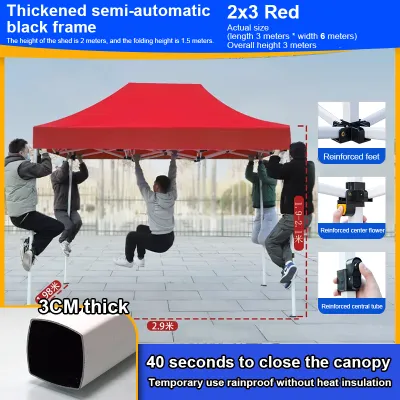
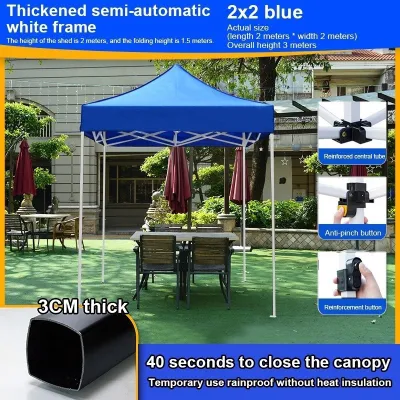
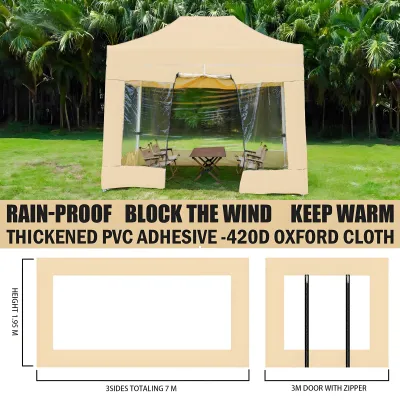
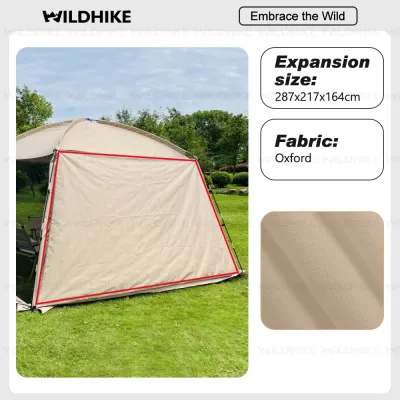
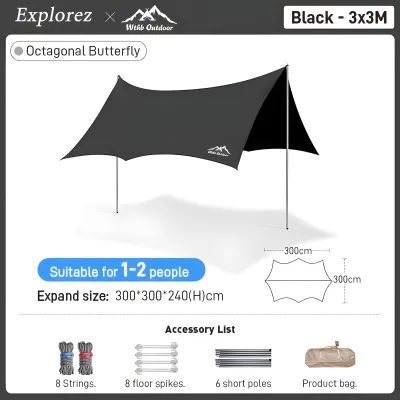
Prices are valid at publication and may change. Please refer to the product page for the latest price.
To assess the capacity of a pergola tent, do not rely solely on generic labels like “six-person” or “eight-person.” Instead, examine the manufacturer’s detailed floor plan specifications. Look at the exact floor dimensions—such as length and width—and compare them to the footprint of your camping furniture, cots, or sleeping pads. Pay close attention to the peak height and the wall angle, as these measurements dictate how much of the floor space is actually usable for standing.
Matching Tent Features to Your Specific Scenario
Choosing the right pergola tent is not about finding a single, universally perfect model; it is about aligning specific design features with your transport method and destination. You must evaluate the trade-offs between structural weight, packed size, and long-term durability. A heavy, ultra-durable frame is excellent for stability but challenging to transport without a vehicle. Always check the manufacturer’s labels for scenario-specific ratings rather than assuming a generic material will perform well in all conditions.

Car Camping: Prioritizing Space and Comfort
When car camping, your vehicle does the heavy lifting, which completely changes your selection criteria. Because you do not need to carry the shelter on your back, you can deprioritize lightweight materials and compact packed sizes. Instead, you should focus on maximizing interior space, comfort, and livability for your family or group.
This scenario is ideal for choosing heavier, highly robust steel or thick fiberglass frames that offer excellent stability. Look for models that feature generous interior peak heights, allowing even the tallest campers to stand comfortably. Multi-room layouts with internal dividers are highly beneficial for car camping, as they provide privacy between sleeping quarters and communal living areas. Additionally, look for designs that include extended awning porches, which create a shaded transition zone for dirty boots and outdoor chairs.
Climate control is another critical factor for car camping comfort, especially during warm, humid nights. Carefully check the tent’s specifications for advanced ventilation systems, such as low-level ground vents and mesh ceiling panels that promote convective airflow. Ensure the model includes integrated, high-density bug mesh on all windows and doors to keep mosquitoes and other tropical insects out while allowing cooling breezes to circulate.
Base Camp Setup: Durability and Weather Resistance
Establishing a base camp means your pergola tent will remain pitched in one location for several days or even weeks, exposing it to shifting weather patterns. In this scenario, durability, structural integrity, and superior weather resistance must take precedence over quick setup times or light packing weights.
Your first consideration should be the frame material. While aluminum frames offer a great balance of lighter weight and rust resistance, heavy-duty steel frames provide the exceptional rigidity needed to withstand sustained winds and structural stress. If your base camp is located in an area prone to sudden storms, a steel frame is often the more reliable choice.
Next, verify the canopy’s water resistance by checking the manufacturer’s technical specifications. Look for a high hydrostatic head rating—measured in millimeters—which indicates the fabric’s ability to resist water penetration under pressure. Ensure the tent features fully taped seams, reinforced stitching at high-stress points, and robust rainfly coverage that channels water away from the straight walls.
Finally, a secure base camp relies heavily on anchoring. Review the tent’s included hardware and anchor points. A high-quality base camp shelter should feature heavy-duty steel stakes, thick, reflective guylines with tension adjusters, and reinforced webbing loops at the corners to ensure the structure remains firmly anchored to the ground during unexpected squalls.
Beach Outings: Sand Anchoring and Sun Protection
Beach outings present a unique set of environmental challenges, including loose terrain, intense solar radiation, and corrosive salty air. A standard backyard pergola tent will quickly fail on a coastline if it lacks the specialized features required to handle these coastal conditions.
The most critical factor for beach setups is anchoring. Standard thin metal pegs will easily pull out of loose sand, leaving your tent vulnerable to being lifted and carried away by strong coastal winds. To prevent this, verify that the tent is compatible with sand-specific anchoring systems. Look for models that include oversized, wide-profile sand pegs or integrated sandbag pockets at the base of the walls, which you can fill with local sand to weigh the structure down securely.
Sun protection is another non-negotiable requirement for coastal use. Check the product labels for verified ultraviolet protection factor (UPF) ratings, aiming for UPF 50+ to block harmful solar radiation. Canopies with reflective silver or titanium dioxide inner coatings are highly effective at blocking heat, keeping the shaded area beneath the tent significantly cooler.
Additionally, pay close attention to material durability in coastal environments. Saltwater and high humidity can rapidly corrode metal components. Look for aluminum frames with protective anodized coatings or high-quality fiberglass poles that are naturally immune to rust. Lastly, because beach trips are often day-long excursions, prioritize shelters with straightforward, rapid-setup mechanisms, such as hub-style or instant frames, so you can maximize your time relaxing by the water.
Evaluating Frame Materials and Canopy Fabrics
To make a smart investment, you must understand the practical trade-offs between different frame materials and canopy fabrics. No single material is superior in every category, so your choice should depend on your budget, transport limits, and expected weather conditions.
Steel frames are incredibly strong and rigid, making them the top choice for heavy-wind stability, but they are heavy and prone to rust if the protective coating is scratched. Aluminum frames are significantly lighter and naturally resistant to corrosion, making them excellent for coastal trips and easier transport, though they can bend under extreme loads. Fiberglass is budget-friendly and flexible, but it can splinter under severe stress and is generally less durable over long periods of continuous use.
When it comes to canopy fabrics, polyester and nylon are the most common choices. Polyester is highly resistant to UV damage and does not stretch when wet, making it excellent for maintaining a taut pitch in rainy conditions. Nylon is lighter and stronger than polyester of the same thickness, but it can sag when wet and requires more UV-inhibiting coatings to prevent degradation over time.
Always rely on the manufacturer’s technical specification tags rather than generic marketing terms like “heavy-duty” or “weatherproof.” Look for specific denier (D) ratings, which indicate thread thickness and fabric density, as well as precise polyurethane (PU) coating measurements to verify actual water resistance.
Essential Accessories and Setup Considerations
To get the most out of your pergola tent, consider how modular accessories can enhance its versatility. Add-on sidewalls are invaluable for adapting to changing weather; they can be attached to block driving rain, wind, or low-angle sunlight, and removed when you want maximum airflow. Ensure any aftermarket accessories, such as custom-fit footprints, heavy-duty stakes, or replacement guylines, are fully compatible with your specific tent model.
Before pitching your tent, always perform a thorough site assessment. Avoid setting up directly under dead tree branches that could fall, and steer clear of low-lying areas where rainwater naturally pools. Finally, establish clear safety boundaries. If local weather services issue extreme wind or storm warnings, do not attempt to pitch the tent, and safely take down your shelter if conditions deteriorate beyond the manufacturer’s rated limits.
Frequently Asked Questions (FAQ)
Can I use a pergola tent for winter or heavy snow camping?
Pergola tents are generally not suitable for winter or heavy snow camping. Their straight-walled, high-ceiling architecture creates large, flat roof sections that easily collect snow. Unlike geodesic or dome tents, which allow snow to slide off the sides, a pergola tent’s frame can quickly buckle under the weight of heavy snow accumulation. Always check the manufacturer’s specifications for wind and snow-load ratings before attempting cold-weather use. For environments with predictable snowfall or severe winter storms, transition to a dedicated four-season or alpine tent designed to shed snow and withstand freezing temperatures.
How do I clean and store a pergola tent after a beach trip?
Proper maintenance after a beach trip is essential to prevent long-term damage from salt and sand. Start by thoroughly rinsing the canopy and frame with fresh water to remove corrosive salt residue and abrasive sand grains. Gently wipe down the frame joints and pole connections with a soft cloth. Before packing the tent away, ensure every component—especially the canopy fabric and floor—is completely dry. Storing a damp tent in a humid environment will quickly lead to mold and mildew growth, which ruins the fabric coatings. Finally, inspect the zippers and mesh panels, using a soft brush to clear out any trapped sand that could cause abrasion.
Community discussion
Share your experience or ask a question. Comments are reviewed before publication.